
How to Get Sick: Understanding the Science
How to Get Sick: Understanding the Science Behind Illness
Let’s be honest—nobody actually wants to get sick. But understanding how illness develops is genuinely fascinating from a biological standpoint, and it’s surprisingly practical knowledge to have. Whether you’re curious about what makes you vulnerable to the common cold, why stress tanks your immune system, or how pathogens actually infiltrate your body, this deep dive into the mechanics of illness will give you real insight into your own health.
The truth is, getting sick isn’t random. It’s a predictable chain of events involving your immune system, environmental factors, and sometimes just plain bad luck. By understanding these mechanisms, you’re actually better equipped to avoid getting sick in the first place. Knowledge, as they say, is power—and in this case, it might just save you from spending a week in bed.
How Pathogens Enter Your Body
Your body is actually a fortress, but it has several gates—and pathogens are remarkably good at finding them. The primary entry points are your respiratory system, digestive tract, skin, and mucous membranes. Understanding these pathways helps explain why some illnesses spread so easily while others require more direct contact.
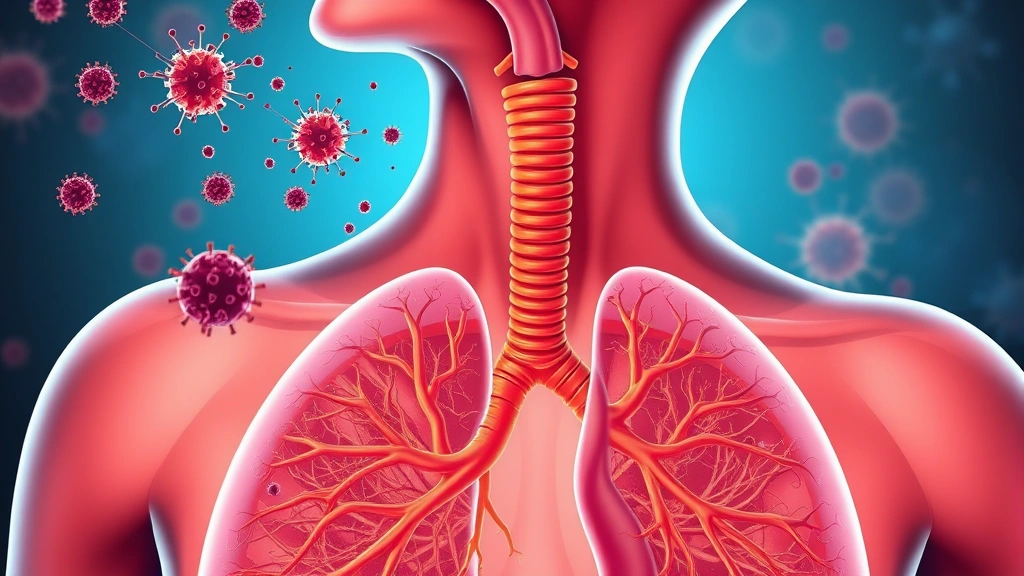
The respiratory tract is the most common entry point for viral infections. When someone sneezes or coughs, they release tiny droplets containing viruses or bacteria into the air. These particles travel through your nose and mouth, landing on the mucous membranes lining your respiratory tract. From there, pathogens can begin their invasion. This is why respiratory illnesses like the flu spread so aggressively in enclosed spaces—the virus essentially has a direct highway into your body.
Your digestive system is another major vulnerability. Contaminated food or water can introduce harmful bacteria like salmonella or norovirus directly into your stomach. The stomach acid provides some protection, but if the bacterial load is high enough or if your digestive health is compromised, these pathogens can establish an infection. This is why proper food handling and defrosting techniques matter—bacteria multiply rapidly in the temperature danger zone.
Your skin is actually your best defense, but it has vulnerabilities. Cuts, scrapes, or open wounds provide direct access to your bloodstream. Even microscopic breaks in the skin can allow bacteria to enter. This is why healthcare providers emphasize wound care and why you should never ignore that small splinter or paper cut—infection can develop from surprisingly minor injuries.
When Your Immune System Breaks Down
Your immune system is sophisticated, but it’s not invincible. Several factors can weaken your defenses, making you significantly more susceptible to illness. Understanding these vulnerabilities is key to recognizing why you might get sick during certain periods of your life.
Sleep deprivation is one of the most underrated immune suppressors. During sleep, your body produces cytokines—proteins that help fight infection and inflammation. When you consistently get fewer than seven hours of sleep, cytokine production drops dramatically. Your white blood cell count decreases, and your body’s ability to respond to pathogens diminishes. This is why people who pull all-nighters or work night shifts seem to catch every bug going around.
Nutritional deficiencies cripple your immune response. Vitamin C, vitamin D, zinc, and selenium are all critical for immune function. If your diet lacks these nutrients, your body can’t produce enough antibodies or activate immune cells effectively. Interestingly, many people don’t realize that their constant fatigue and frequent illnesses stem from poor nutrition rather than bad luck.
Age plays an undeniable role. Children under five and adults over sixty-five have naturally weaker immune responses. The very young haven’t developed sufficient immunity to common pathogens, while older adults experience immune senescence—a gradual decline in immune function. This is why flu shots are specifically recommended for these age groups.
Chronic stress is absolutely devastating to immunity. Prolonged stress elevates cortisol levels, which actively suppresses immune function. This isn’t just anecdotal—numerous studies show that stressed individuals have fewer antibodies, lower white blood cell counts, and increased susceptibility to infection.
The Stress-Illness Connection
There’s a reason people say stress makes you sick—it literally does. The relationship between psychological stress and physical illness is one of the most well-documented connections in medical science. When you’re stressed, your body prioritizes immediate survival over long-term health maintenance, and immunity takes a back seat.
During the stress response, your body releases adrenaline and cortisol. While these hormones are helpful for short-term threats, chronic elevation wreaks havoc on immunity. Cortisol suppresses the production of inflammatory cytokines while simultaneously increasing your susceptibility to infection. It’s as if your body is saying, “We’re under threat, so let’s ignore the virus trying to infiltrate us.”
This explains why you often get sick right after a stressful period—a phenomenon called the “stress-induced immunosuppression effect.” You push through a difficult project at work or a family crisis, managing stress reasonably well, and then the moment things calm down, you get hit with a cold or flu. Your immune system was suppressed the entire time, and the relaxation actually allows the illness to manifest.
The impact is measurable. Studies show that people experiencing high stress have a 50% higher risk of developing respiratory infections. Medical students during exam periods show significantly reduced antibody responses to vaccines. Caregivers for chronically ill patients develop more infections than the general population. The data is unambiguous.
Environmental Factors That Increase Risk
Where you are and what you’re exposed to dramatically influences your likelihood of getting sick. Environmental factors create the conditions where pathogens thrive and your defenses weaken.
Temperature and humidity significantly affect viral survival and transmission. Cold, dry air is actually ideal for respiratory viruses. This is why flu season peaks in winter—the virus survives longer in cold, dry conditions, and the dry air irritates your respiratory tract, making it easier for pathogens to establish infection. Conversely, warm, humid environments suppress some viruses but promote others, like those causing gastroenteritis.
Air quality matters more than most people realize. Poor air quality increases inflammation in your respiratory tract, making it more vulnerable to infection. If you live in an area with high pollution or work in a dusty environment, you’re essentially creating an open invitation for respiratory pathogens.
Crowded environments exponentially increase your exposure to pathogens. Public transportation, schools, offices, and healthcare facilities are pathogen hotspots. The more people you’re in close contact with, the higher the probability that at least one is carrying something contagious. This is why healthcare workers and teachers get sick more frequently than people in isolated work environments.
Water quality and food safety directly impact gastrointestinal illness risk. Contaminated water supplies can cause widespread outbreaks, and improper food storage creates ideal conditions for bacterial multiplication. Even seemingly minor hygiene lapses can introduce pathogens.
The Biological Timeline of Infection
When a pathogen successfully enters your body, a predictable sequence of events unfolds. Understanding this timeline helps explain why symptoms appear when they do and why certain medications take specific amounts of time to work.
The incubation period is the time between exposure and the first symptoms. This varies dramatically depending on the pathogen. The common cold has an incubation period of one to three days, while COVID-19 ranges from two to fourteen days, and some infections like hepatitis have incubation periods of weeks or months. During this period, you’re infected but asymptomatic—and often contagious without realizing it.
During incubation, the pathogen is replicating inside your body. Your immune system is detecting the invasion and mounting a response, but you feel fine. This is why exposure doesn’t immediately make you sick—there’s a biological lag between infection and symptoms.
Once the pathogen reaches a critical viral or bacterial load, symptoms emerge. This happens because your immune response is now generating inflammatory molecules that cause the fever, fatigue, and other symptoms you experience. Counterintuitively, symptoms are partially your immune system fighting back, not just the pathogen itself.
The acute illness phase typically lasts several days to two weeks, depending on the pathogen and your immune response. During this time, your immune system is actively battling the infection. Pain relievers and fever reducers like Tylenol work during this phase, but they address symptoms rather than the underlying infection.
Recovery involves your immune system successfully clearing the pathogen and your body repairing damage. For some illnesses, this takes days; for others, weeks. Your body remains vulnerable during recovery, which is why secondary infections sometimes develop.
Why Some People Get Sicker Than Others
Two people exposed to the same pathogen can have vastly different outcomes. One might develop mild symptoms while the other ends up hospitalized. Genetic factors, pre-existing conditions, and lifestyle all influence illness severity.
Genetic variations affect how your immune system responds to pathogens. Some people inherit genetic variations that make their immune response more robust, while others have genetic predispositions to severe reactions. This explains why some families seem to catch every illness while others rarely get sick.
Pre-existing conditions fundamentally alter your disease risk. Diabetes impairs immune function, cardiovascular disease increases complications from respiratory infections, and chronic respiratory conditions like asthma make you more vulnerable to severe illness. Additionally, chronic inflammatory conditions like hemorrhoids indicate underlying inflammation that can compromise overall health.
Obesity is an independent risk factor for severe illness. Excess adipose tissue produces inflammatory molecules that suppress immune function while simultaneously making you more vulnerable to complications. Obese individuals have higher hospitalization rates and worse outcomes from infectious diseases.
Smoking devastates your respiratory defenses. Cigarette smoke damages the cilia in your respiratory tract that normally trap and expel pathogens. Smokers develop respiratory infections more frequently and experience more severe symptoms. The damage is dose-dependent—the more you smoke, the more vulnerable you become.
Alcohol consumption, particularly heavy drinking, suppresses immune function. Chronic alcohol use reduces white blood cell production and impairs your body’s ability to fight infection. This is why people with alcohol use disorder develop infections more frequently and more severely.
Physical fitness provides genuine protective benefits. Regular exercise improves immune function, increases antibody production, and enhances your body’s ability to mount an effective immune response. People who exercise regularly get sick less frequently and recover faster when they do get ill.
Socioeconomic factors influence health outcomes too. People with limited access to healthcare, nutritious food, or safe housing have higher infection rates and worse outcomes. Stress from financial insecurity further suppresses immunity, creating a compounding effect.
Frequently Asked Questions
Can you actually control whether you get sick?
Not entirely, but you have more control than you think. While you can’t eliminate all risk, you can significantly reduce your likelihood of getting sick by maintaining good hygiene, getting adequate sleep, managing stress, eating nutritiously, and avoiding known exposures. However, sometimes despite your best efforts, you’ll still catch something. That’s just probability.
Is there a difference between being exposed to a pathogen and getting sick?
Absolutely. Exposure means you’ve encountered a pathogen, but infection requires the pathogen to successfully enter your body and establish itself. Even after infection, your immune system might eliminate the pathogen before symptoms develop. Additionally, some people are asymptomatic carriers—they’re infected but never develop symptoms. Understanding this distinction explains why not everyone exposed to a sick person gets ill.
Why do some illnesses have specific seasons?
Seasonal patterns result from environmental conditions favoring pathogen survival and transmission. Cold, dry winters favor respiratory viruses. Warm, wet summers promote waterborne illnesses and certain bacterial infections. Additionally, seasonal behavioral changes—spending more time indoors in winter, more outdoor activities in summer—influence exposure patterns. Seasonal changes also affect sleep patterns, which influences immunity.
Can you get sick from being cold?
Not directly. The cold doesn’t cause illness, but cold exposure does suppress immune function. Cold temperatures reduce blood flow to your extremities, decrease white blood cell activity, and can irritate your respiratory tract. If you’re already exposed to a pathogen, cold exposure makes you more vulnerable to developing symptomatic infection. This is why cold weather correlates with more frequent illness—it’s not the temperature itself, but how it affects your immunity.
How long are you contagious when sick?
This depends entirely on the pathogen. Most respiratory viruses make you contagious from one day before symptoms appear through five to ten days after onset. Some illnesses, like chickenpox, have longer contagious periods. Bacteria can have different patterns. This is why public health guidance recommends staying home when sick—you’re most contagious early in the illness, even before you realize you’re infected.
Does everyone who’s exposed to a sick person get sick?
No. Exposure risk depends on the pathogen’s transmission method, the infected person’s viral load, the duration of contact, environmental conditions, and the exposed person’s immune status. You might be exposed to someone with the flu and never develop symptoms because your immune system successfully fought off the infection, or because you had prior immunity from vaccination.
Can stress alone make you sick without pathogen exposure?
Stress can’t create an infection from nothing—you need a pathogen. However, chronic stress can cause physical symptoms like headaches, digestive issues, and fatigue that feel like illness. Additionally, stress-induced immune suppression makes you more vulnerable to existing pathogens in your environment. So while stress won’t directly cause infection, it absolutely increases your risk of developing one.
Is there a relationship between oral health and getting sick?
Yes. Poor oral health, including untreated cavities, creates inflammation and bacterial reservoirs that can compromise overall immunity. Gum disease, in particular, is associated with increased susceptibility to respiratory infections and systemic illness. Your mouth is literally a gateway to your body, so oral hygiene has broader health implications.

Related Posts

How Long to Boil Lobster Tails: Cooking Guide

How Long to Fly from New York to London? Travel Times
