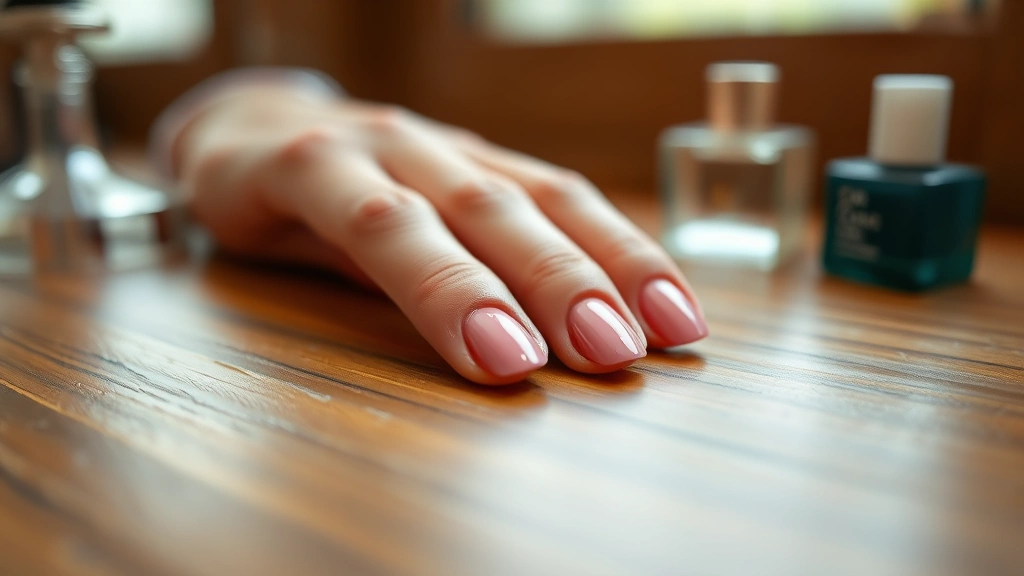
How Long Does Nail Polish Take to Dry? Expert Insights
How Long Does Nail Polish Take to Dry? Expert Insights and Practical Tips
There’s nothing quite like the satisfaction of freshly painted nails—until you accidentally smudge them by reaching for your phone thirty seconds after application. If you’ve ever wondered exactly how long nail polish takes to dry, you’re not alone. The answer isn’t as straightforward as you might think, and understanding the variables can transform your nail care routine from frustrating to flawless.
Whether you’re prepping for a night out or just maintaining your weekly manicure, drying time matters. It affects everything from how quickly you can get back to your daily activities to whether your polish will chip prematurely. The truth is, drying time depends on multiple factors—the type of polish, environmental conditions, application thickness, and even your nail health all play a role.
In this guide, we’ll break down exactly what influences drying time and share expert strategies to speed up the process without compromising your results. Let’s dive into the science and practice behind perfectly dry nails.
Standard Drying Times by Polish Type
The most important thing to understand is that not all nail polish is created equal—and neither are their drying times. Different formulations have vastly different cure schedules, so let’s break down what you’re actually working with.
Traditional nail polish typically requires 2-3 minutes for the surface to feel dry to the touch. However, this is misleading. That tactile dryness doesn’t mean your polish is fully hardened. Most experts recommend waiting 15-20 minutes before exposing your nails to water or activities that might cause smudging. For complete hardening that resists chipping and scratching, allow 24 hours. Yes, a full day. This is why many people apply polish in the evening before bed.
Quick-dry formulas are designed to cut this time significantly. These polishes typically set to the touch in 1-2 minutes and can handle light activity within 5-10 minutes. They use special solvents and resins that evaporate faster than traditional polish. While convenient, they sometimes sacrifice longevity—you might see chipping sooner than with regular polish.
Gel polish operates on an entirely different timeline. These polishes don’t air-dry at all; instead, they cure under UV or LED light. The light exposure polymerizes the gel’s resins, hardening them almost instantly. Typical curing times are 30-60 seconds under professional LED lamps or 2-3 minutes under UV lights. Once you step out from under the lamp, your nails are fully hard and ready for anything. This is why gel manicures have become so popular—the instant durability is genuinely impressive.
Shellac and similar hybrid polishes fall somewhere in the middle. These semi-permanent polishes require light curing like gels but may have slightly different formulations. Expect 30-45 seconds under a professional lamp for most quality brands.
Factors That Affect Drying Speed
Understanding why polish dries at different rates helps you optimize your conditions. Several interconnected factors influence the timeline.
Temperature and humidity are the primary environmental culprits. Nail polish dries faster in warm, dry conditions. Heat accelerates solvent evaporation, which is literally how traditional polish hardens. In cold, humid environments, this process slows dramatically. If you’ve ever painted your nails on a rainy day and noticed they seemed to stay tacky longer, you’ve experienced this firsthand. Ideally, aim for temperatures between 65-75°F with humidity below 50% for optimal drying.
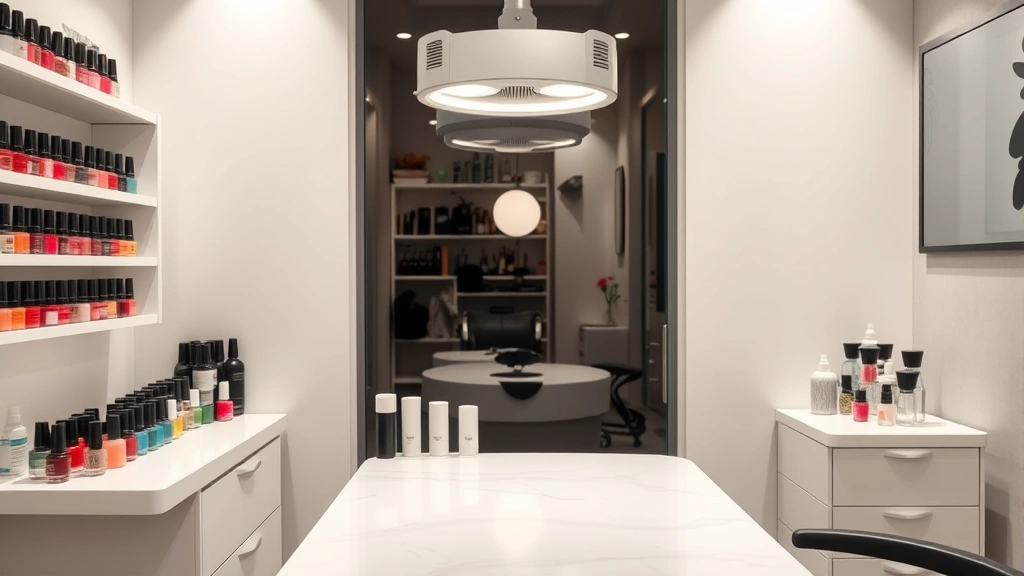
Ventilation matters more than most people realize. Stagnant air means solvents evaporate slowly. A fan or open window significantly accelerates the process by creating air circulation that carries away evaporating solvents. This is why nail salons always have ventilation systems running—it’s not just for comfort, it’s for efficiency.
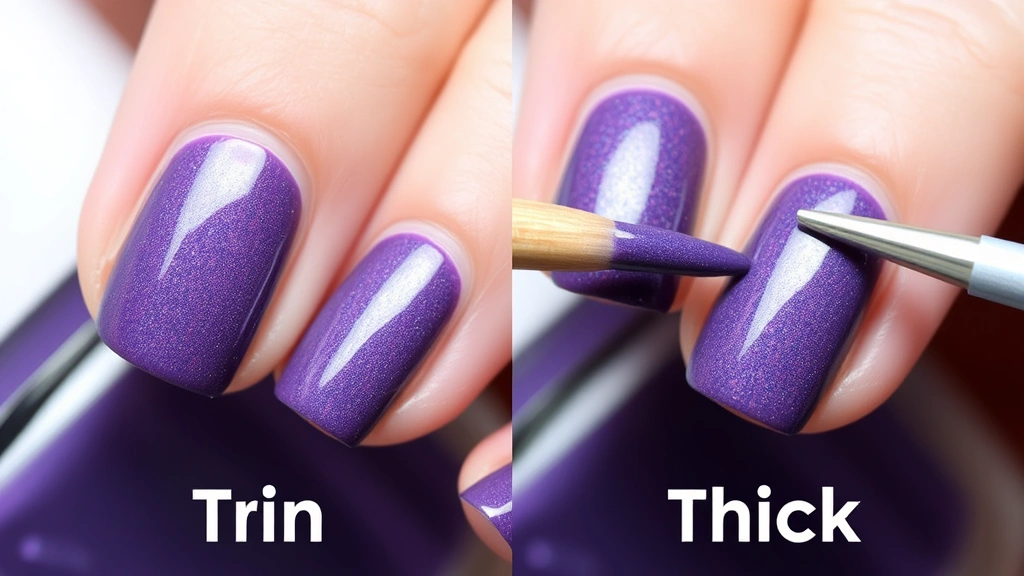
Polish thickness directly impacts drying time. Thick, globby applications take much longer to dry than thin, even coats. This is why professionals apply multiple thin layers rather than one thick coat. Each thin layer dries faster, and you achieve better color payoff with less drying time overall. The thickness of each layer matters more than you might expect—even a small difference can add 5-10 minutes to your total drying time.
Base coat and top coat choices influence the equation too. Some base coats dry faster than others, and quality top coats are formulated to cure quickly while protecting your color. Cheaper products often have longer drying times and less effective results.
Nail health and texture play a subtle but real role. Healthy nails with smooth surfaces allow polish to adhere evenly and dry more consistently. Nails with ridges, peeling, or damage can cause uneven drying and potential adhesion issues. If you’re interested in maintaining overall nail health, understanding proper care techniques is essential.
The type and brand of polish matters significantly. Premium brands invest in better solvent formulations that dry faster while maintaining quality. Budget brands often use cheaper solvents that evaporate more slowly. You’re not just paying for a label—you’re paying for chemistry.
How to Speed Up Drying Time
If waiting feels unbearable, several legitimate strategies can accelerate the process without sacrificing quality.
Use a quick-dry spray or drops. Products like quick-dry sprays contain special ingredients that speed evaporation. Simply spray your nails 2-3 minutes after application. These products genuinely work, though they’re not magic—you’re still looking at 5-10 minute wait times rather than 15-20. They’re particularly useful for base coats, which don’t need to look perfect but do need to dry quickly.
Apply thin layers. This is the single most effective strategy. Two thin coats dry faster than one thick coat, and you’ll get better color payoff. Thin coats allow solvents to evaporate more efficiently, reducing your total drying time by 30-50%. This requires a slightly different technique—use gentle pressure and let the brush do the work rather than forcing thick product onto the nail.
Optimize your environment. Increase room temperature slightly, use a fan to improve air circulation, and reduce humidity if possible. In winter, run a humidifier elsewhere in your home, not in your nail-drying zone. These adjustments can cut drying time by 20-30%.
Try the ice water method. After 3-5 minutes of air drying, submerge your nails in ice water for 1-2 minutes. The cold causes the outer layer to set quickly and can reduce perceived drying time. This works particularly well with traditional polish and is a trick many nail professionals use.
Invest in quality products. Premium polishes and top coats are formulated to dry faster. Yes, they cost more upfront, but the improved drying time, longevity, and finish often justify the investment. Look for brands known for quick-dry formulations.
Consider gel polish for busy schedules. If drying time is consistently frustrating, gel might be worth exploring. The instant hardness eliminates waiting entirely. If you’re interested in learning about gel options, understanding the removal process for gel polish is important before committing.
Common Mistakes That Slow Drying
Sometimes we inadvertently extend drying time through habits or misconceptions. Avoiding these pitfalls makes a real difference.
Applying polish too thickly. This is the number-one culprit. Many people think thicker coverage means better color, but it actually means longer drying and higher chip risk. Thin, even coats are the professional approach for good reason.
Touching wet polish. Obviously, but it bears repeating. Even light contact can create imperfections that take longer to set properly. Resist the urge to test-touch your nails for at least 5 minutes.
Ignoring environmental conditions. Painting nails in a cold, humid bathroom is setting yourself up for extended drying times. Choose a well-ventilated area with moderate temperature and humidity.
Skipping base coat. Beyond adhesion benefits, base coat helps polish dry evenly. Applying directly to bare nail can cause uneven drying and inconsistent finish.
Using old, thickened polish. As polish ages, solvents evaporate, making it thicker and slower-drying. If your polish feels gummy or takes noticeably longer to dry, it’s past its prime. Most polish lasts 2-3 years when stored properly.
Applying immediately after a shower. Humid nails or residual moisture beneath the nail surface can interfere with drying. Wait 15-20 minutes after bathing before painting nails.
Gel Polish vs. Regular Polish: A Comparison
The choice between gel and traditional polish often comes down to drying time preferences, so let’s examine the real differences.
With traditional polish, you’re working with organic solvents that must evaporate completely for the polish to harden. This takes time—there’s no way around the chemistry. The advantage is flexibility; you can change colors whenever you want without professional removal. The disadvantage is the wait time and the tendency to chip within 5-7 days with regular activity.
With gel polish, there’s no wait. You paint, cure under a lamp, and you’re done. The polish is completely hard and ready for anything immediately. Gel typically lasts 2-3 weeks without chipping, making it economical for people who maintain regular manicures. However, removal requires professional-grade solvents or filing, which takes time. If you’re interested in learning more, our guide on removing gel varnish covers the process thoroughly.
The drying time difference is dramatic: 15-20 minutes for traditional polish versus 30-60 seconds for gel. If you’re constantly pressed for time, gel is objectively superior. However, if you enjoy changing your nail designs frequently or prefer avoiding professional removal, traditional polish offers more flexibility despite the longer drying time.
There’s also a middle ground: dip powder nails. These cure instantly like gel but use a different application method. They’re durable and have no drying time, though they also require professional removal similar to gel.
For at-home applications, traditional polish remains the most accessible option, but understanding gel alternatives helps you make informed decisions. If you’re considering gel, knowing proper gel polish removal techniques ensures you maintain nail health throughout the process.
One often-overlooked consideration: if you’re worried about polish accidents affecting other items, knowing how to handle mishaps matters. Understanding nail polish removal from fabrics can save you stress when inevitable spills happen.
Frequently Asked Questions
Can you speed up nail polish drying with a hair dryer?
No, and in fact, heat from a hair dryer can work against you. Hot air can cause the top layer to set too quickly while leaving the underlayers wet, resulting in smudges and uneven texture. Stick with room-temperature air circulation via fans or open windows.
Is it okay to apply a second coat before the first coat is completely dry?
Yes, absolutely. In fact, professionals apply second coats after just 2-3 minutes of drying. The first coat doesn’t need to be completely hard before adding the second; it just needs to be set enough that the brush won’t disturb it. Each thin coat dries faster than one thick coat.
Why does polish sometimes stay tacky for hours?
Tacky polish typically indicates environmental issues—cold temperature, high humidity, poor ventilation, or an old/low-quality product. Ensure your space is 65-75°F, humidity is below 50%, and you’re using fresh polish. If problems persist, try a different brand or product line.
Does top coat really speed up drying?
Quality top coats are formulated to dry quickly and seal in your color, but they don’t dramatically reduce overall drying time. They do improve the final finish and protect your color, making them worthwhile despite not being drying-time game-changers. Some quick-dry top coats are specifically designed for speed.
How can you tell when nail polish is fully dry?
Surface dryness (when it stops feeling sticky) happens in 3-5 minutes. Full hardness takes 24 hours. The real test: if you can gently run your fingernail across the surface without leaving an impression, it’s ready for light activity. For complete confidence, wait at least 15-20 minutes before water exposure.
Does the color of nail polish affect drying time?
Slightly, yes. Dark colors and reds often contain pigments that can slow drying marginally compared to pastels or clear polish. The difference is usually just a few minutes and shouldn’t be noticeable with quality products. It’s not a major factor but worth knowing.
Can you use a UV lamp for traditional nail polish?
No. Traditional polish isn’t formulated to cure under UV light; it dries through solvent evaporation. Using a UV lamp won’t speed up traditional polish drying. Only gel, shellac, and similar photopolymeric polishes cure under UV or LED light.
Understanding nail polish drying times transforms your manicure experience from frustrating to manageable. Whether you’re choosing between traditional and gel polish, optimizing your environment, or simply learning to apply thinner coats, these insights help you achieve beautiful nails without the extended waiting game. The next time you paint your nails, remember: thin layers, good ventilation, and patience are your best friends. Your perfectly manicured nails will thank you.

Related Posts

How Long to Boil Lobster Tails: Cooking Guide

How Long to Fly from New York to London? Travel Times