
How to Wash Rice: Expert Techniques
How to Wash Rice: Expert Techniques for Perfect Results Every Time
There’s something almost meditative about the ritual of washing rice. The gentle cascade of water, the cloudy stream turning clear—it’s a simple act that transforms the foundation of countless meals. Yet despite its simplicity, washing rice remains one of the most misunderstood steps in the kitchen. Many home cooks rush through it or skip it entirely, not realizing they’re missing an opportunity to elevate their final dish.
The truth is, washing rice isn’t just about cleanliness. It’s about understanding what you’re removing, why it matters, and how different rice varieties demand different approaches. Whether you’re preparing jasmine rice for a Thai curry, basmati for biryani, or arborio for risotto, mastering this fundamental technique will noticeably improve your cooking results. Your grains will be fluffier, your dishes more refined, and your kitchen practice more intentional.
This comprehensive guide breaks down everything you need to know about washing rice—from the science behind why we do it, to the most effective methods, to troubleshooting common mistakes. By the end, you’ll have the expertise to handle any rice variety with confidence.
Why You Should Wash Rice
Before diving into the how, let’s address the why. Rice, as it comes from the mill, carries a layer of starch dust along with occasional debris—bits of chaff, small stones, or broken kernels. This starch coating is responsible for that sticky, gummy texture you might experience if rice isn’t washed. By removing this surface starch, you’re creating the conditions for individual grains to cook separately and fluff up beautifully.
Beyond texture, washing rice removes dust and potential contaminants that accumulated during harvest and processing. It’s not just about preference; it’s about food safety and quality. When you make white rice at home, starting with properly washed grains is the foundation of success. Different cuisines have different relationships with rice starch—some Asian cooking traditions specifically preserve it for creamier results, while Mediterranean and Indian preparations typically prefer the fluffy, separated grain that washing provides.
The washing process also equalizes the moisture content across all grains, promoting even cooking. This is particularly important for premium rice varieties where consistency matters tremendously. Think of it as priming a canvas before painting—it’s the preparatory step that determines whether your final result will be mediocre or exceptional.
Different Rice Varieties and Their Needs
Not all rice is created equal, and neither is their washing protocol. Understanding your rice type helps you determine how thoroughly to wash and when to stop.
Long-grain white rice benefits from thorough washing. This category includes jasmine and basmati varieties, which are prized for their fragrance and individual grain separation. Wash these varieties until the water runs nearly clear—typically five to seven rinses. The effort pays off in distinctly separated, fluffy grains.
Short-grain rice, including sushi rice and arborio, requires a lighter touch. These varieties are cultivated to release starch, which creates the creamy texture essential to sushi and risotto. Wash short-grain rice only two to three times. Over-washing removes the starch you actually want for these applications.
Brown rice presents a different challenge. The bran layer means more starch and debris, but also means you shouldn’t be too aggressive. Wash brown rice three to four times with gentle agitation. The outer layer is delicate, and vigorous scrubbing can damage it.
Wild rice is technically a grass seed rather than true rice, and it rarely needs washing. A quick rinse under cold water suffices. The same applies to specialty blends and pre-rinsed rice varieties, which have already been processed at the mill.
When you’re storing pantry staples like garlic, you’re thinking about preservation. The same intentionality applies to understanding your rice. Read the package to see if the rice has been pre-rinsed or processed in any particular way. This information guides your washing approach.
The Basic Washing Method
The traditional hand-washing method remains the most effective approach for most home cooks. Here’s the step-by-step process:
- Measure your rice into a fine-mesh strainer or colander. Don’t skip this step—it’s easier to work with measured quantities, and you’ll have better control over the washing process.
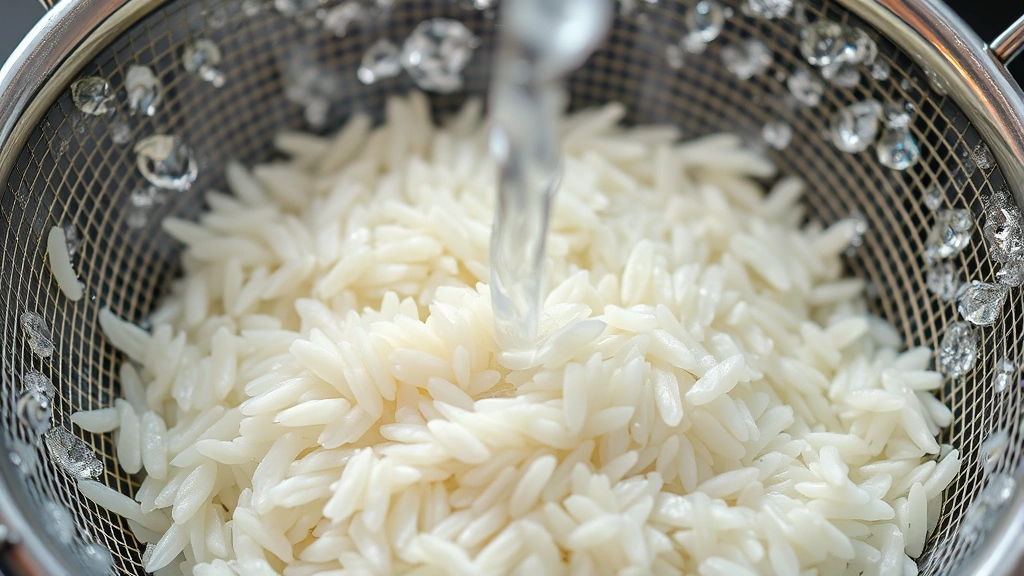
- Place the strainer under cold running water. Use your hand to gently stir the rice while water flows through. The motion should be circular and deliberate, not frantic. You’re encouraging the starch to release without breaking the grains.
- Continue for 15-30 seconds, then let the water drain completely. Lift the strainer and observe the water that drains—it should be noticeably cloudy with starch.
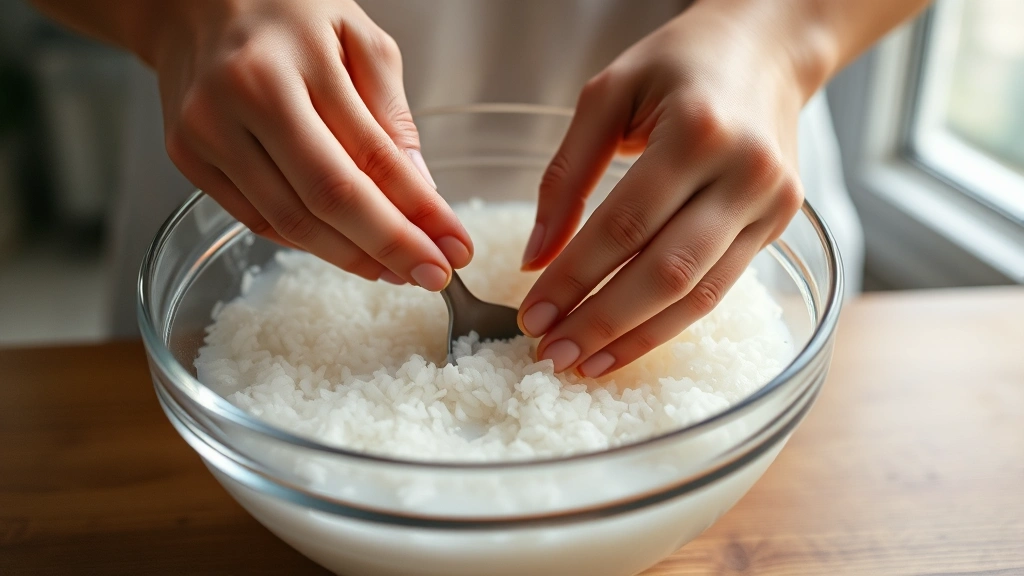
- Transfer the rice to a bowl and cover with fresh cold water. Use a ratio of about one part rice to two parts water for this rinsing bowl.
- Stir gently with your fingers for about 10 seconds, then drain through the strainer again. This bowl method is gentler than running water and gives you more control.
- Repeat the bowl-and-drain process until the water is nearly clear. For most long-grain white rice, this takes five to seven repetitions. For short-grain varieties, stop after two to three rinses.
- Final drain thoroughly in the strainer. Let it sit for a moment to ensure all excess water has drained away. This prevents over-watering when you cook.
The entire process typically takes five to ten minutes, a small investment for noticeably better results. Many experienced cooks develop a rhythm with this process—it becomes almost automatic, a meditative kitchen ritual rather than a chore.
Advanced Washing Techniques
Once you’ve mastered the basics, several advanced methods can refine your approach further.
The soak-and-wash method works beautifully for premium basmati rice. After your initial rinses, let the rice soak in cold water for 15-30 minutes. This allows any remaining surface starch to soften and release more easily. A final gentle rinse after soaking produces exceptionally fluffy results. This technique requires patience but rewards you with restaurant-quality rice.
The cloth-straining method offers precision for delicate short-grain varieties. Instead of a mesh strainer, use a fine linen cloth or cheesecloth. The finer mesh removes more starch while the cloth’s gentler surface minimizes grain breakage. This method is particularly valued in Japanese cooking traditions.
The three-water method provides a middle ground for everyday cooking. Wash in running water once, then perform two bowl-and-drain cycles. This balances starch removal with time efficiency—ideal for weeknight dinners when you want results without excessive preparation.
The vinegar rinse is an old technique worth reviving. After your final water rinse, do one last rinse using water mixed with a tiny splash of white vinegar—roughly one teaspoon per cup of water. The vinegar helps remove any remaining starch and can add subtle brightness to the finished rice. This works particularly well with jasmine rice.
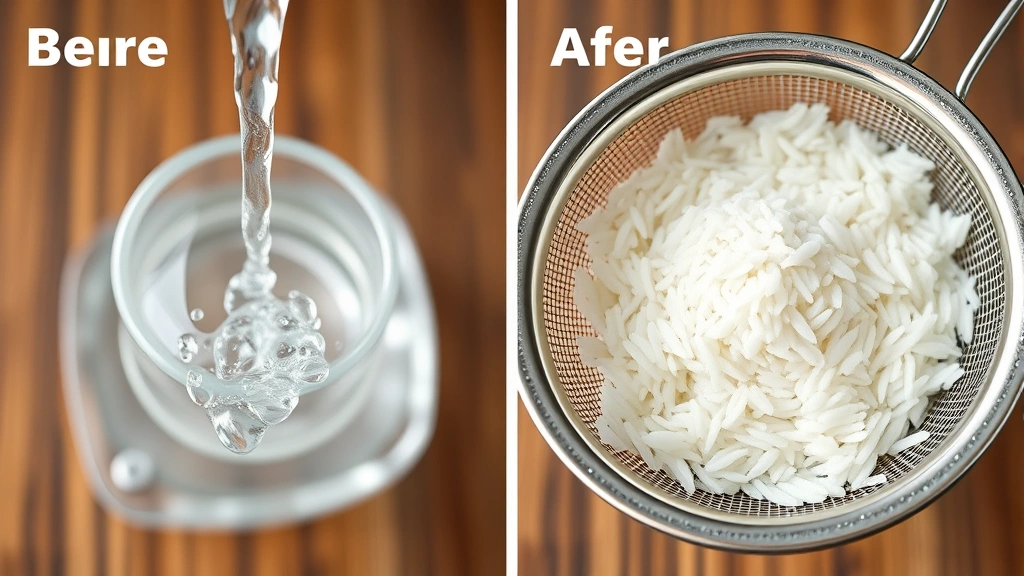
The strainer-and-press method ensures maximum water removal. After your final rinse, place the strainer over a bowl and gently press the rice with a folded kitchen towel. This removes trapped water between grains without damaging them, preventing the rice from absorbing excess moisture during cooking.
These advanced techniques aren’t necessary for every meal, but they’re invaluable when you’re cooking something special. Just as you’d take extra care when thawing chicken properly for an important dinner, these refinements in rice preparation elevate your entire meal.
Common Mistakes to Avoid
Over-washing is the most frequent error, particularly with long-grain varieties. While thorough washing is important, continuing past the point of diminishing returns wastes water and time. Once the water runs relatively clear (not perfectly clear—that’s unnecessary), you’re done. For short-grain rice, over-washing removes essential starch and compromises the dish.
Using hot water seems logical but actually causes problems. Hot water can partially cook the rice surface, creating uneven cooking and a gummy texture. Always use cold water, which removes starch effectively without affecting grain integrity.
Aggressive scrubbing or mashing damages delicate grains, particularly basmati and jasmine varieties. The goal is gentle agitation, not vigorous scrubbing. Treat the rice with respect—it’s fragile during the wet state.
Not draining thoroughly leads to mushy rice. After your final rinse, ensure the strainer sits undisturbed for a moment, allowing every drop of water to drain. Excess water throws off your cooking water ratio and creates sticky, overcooked rice.
Skipping the process entirely is tempting but counterproductive. Even “pre-rinsed” rice benefits from a quick rinse. The minimal time investment—honestly just two to three minutes—produces noticeably better results.
Washing rice too far in advance isn’t ideal. While you can wash rice up to a few hours before cooking, the grains can reabsorb moisture and dust if left sitting uncovered. Wash rice just before cooking, or store it in an airtight container if you need to prepare it earlier.
Essential Tools and Equipment
You don’t need fancy equipment, but the right tools make the process easier and more effective.
Fine-mesh strainer or colander is non-negotiable. The mesh needs to be fine enough to catch rice grains while allowing starch-laden water through. Avoid oversized strainers—you want to contain the rice and maintain control.
A dedicated bowl for the rinsing process is helpful. Many cooks use a wide, shallow bowl that allows rice to spread out slightly, making gentle stirring easier. Glass bowls let you see the water clarity clearly.
Clean hands are actually your best tool. Your fingers provide the perfect amount of agitation and gentleness simultaneously. Don’t feel like you need gadgets; sometimes low-tech is best.
A rice washer device exists as a specialty tool—essentially a bowl with a fine mesh lid designed specifically for this task. These are helpful if you cook rice frequently, though not essential for occasional cooks. The best ones are made by Japanese manufacturers who’ve refined the design over decades.
Paper towels or a clean cloth help with the final drying step. If you’re using the strainer-and-press method, a lint-free cloth is ideal.
When organizing your kitchen, consider dedicating a specific strainer to grains. This prevents cross-contamination and makes the process quicker. Similar to how cleaning strawberries is easier with dedicated produce colanders, having a rice-specific tool streamlines your workflow.
You might also appreciate having a measuring cup specifically for rice. This ensures consistency between batches and helps you develop intuition about water ratios and cooking times.
Frequently Asked Questions
How do I know when rice is done being washed?
The water should run relatively clear, not perfectly transparent—that’s impossible and unnecessary. When you can see through the water without significant cloudiness, you’ve removed enough starch. For long-grain varieties, this typically means five to seven rinses. Trust your eyes and experience; after a few times, you’ll develop an intuitive sense.
Is it really necessary to wash rice?
It’s not absolutely mandatory, but it makes a meaningful difference in texture and flavor. Think of it like the difference between a regular workout and proper warm-up exercises—technically optional but significantly impactful on results. Try cooking two batches, one washed and one unwashed, and taste the difference yourself.
Can I wash rice the night before cooking?
You can, but it’s not ideal. Washed rice sitting uncovered reabsorbs dust and moisture. If you must wash ahead, store it in an airtight container in the refrigerator. Fresh washing just before cooking produces the best results.
What’s the difference between washing and soaking?
Washing removes surface starch and debris through quick rinsing. Soaking involves letting rice sit in water for extended periods (15-30 minutes or longer), which allows grains to absorb moisture and cook more evenly. Many recipes combine both—wash first, then soak if desired.
Should I wash arborio rice for risotto?
Yes, but gently and minimally. Wash arborio rice just two to three times. You’re removing debris and excess dust, but preserving the starch that creates risotto’s characteristic creamy texture. Over-washing compromises the dish’s foundation.
Does washing rice remove important nutrients?
Minimal nutrients are lost through washing. Most of the nutritional content is within the grain itself, not on the surface. Rice, particularly white rice, isn’t a major nutrient source anyway. The texture and digestibility improvements from washing outweigh any negligible nutrient loss.
Can I use a rice cooker to wash rice?
Not effectively. Rice cookers are designed for cooking, not washing. Use a strainer under running water or the bowl method. Once washed, you can transfer the rice directly to your rice cooker for cooking.
What if I don’t have a fine-mesh strainer?
Use the bowl method exclusively. Place rice in a bowl, cover with water, stir gently, carefully pour off the cloudy water (using your hand as a barrier to keep rice in the bowl), and repeat. It’s slightly messier but entirely effective.
How does washing rice relate to cooking water ratios?
Properly washed and drained rice requires slightly less cooking water than unwashed rice. If your recipe calls for a 1:2 rice-to-water ratio and you’re using washed rice, you might find 1:1.75 or 1:1.8 works better. This is why proper draining matters—excess water throws off these ratios.
Should I wash specialty rice varieties like wild rice or quinoa?
Wild rice rarely needs washing—just a quick rinse. Quinoa, while sometimes grouped with rice, absolutely requires thorough rinsing to remove its bitter saponin coating. This isn’t optional for quinoa; it’s essential. Much like washing grapes before eating, quinoa rinsing isn’t a preference but a necessity.

Related Posts

How Long to Boil Lobster Tails: Cooking Guide

How Long to Fly from New York to London? Travel Times
