
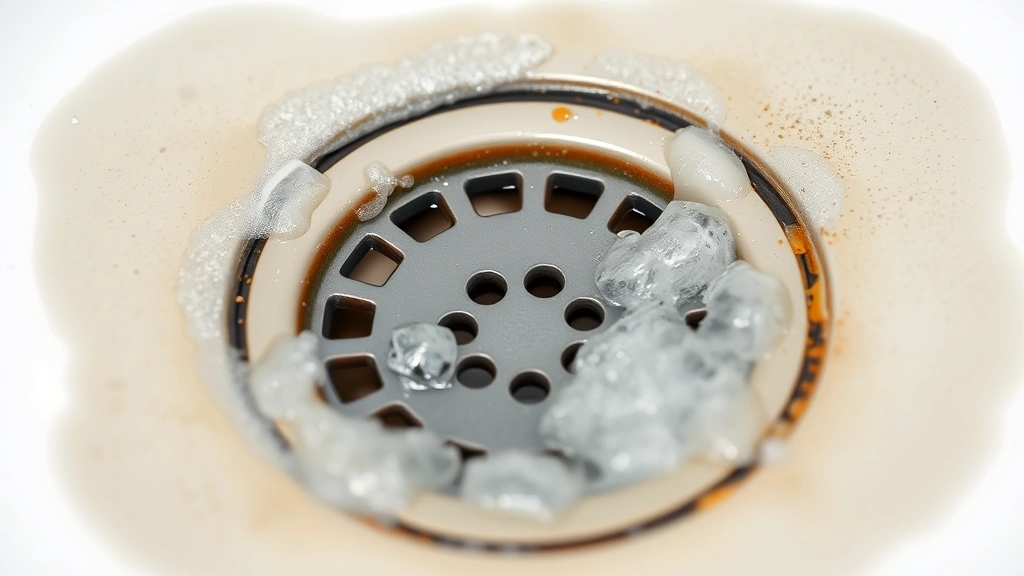
How to Unclog a Shower Drain: Expert Tips
How to Unclog a Shower Drain: Expert Tips for a Flowing Bathroom
There’s nothing quite like stepping into a relaxing shower, only to find yourself standing in a growing puddle of water. A clogged shower drain transforms one of life’s simple pleasures into a frustrating plumbing nightmare. The good news? You don’t need to call an expensive plumber for every backup. With the right knowledge and a few basic tools, you can tackle this common household issue yourself and get your water flowing freely again.
Shower drain clogs are incredibly common, and they develop for surprisingly predictable reasons. Hair, soap scum, mineral deposits, and debris accumulate over time, creating stubborn blockages that prevent water from draining properly. Understanding what causes these clogs and knowing multiple removal techniques puts you in control of your bathroom maintenance. Whether you prefer natural solutions or don’t mind using chemical cleaners, we’ve got practical strategies that actually work.
This guide walks you through everything you need to know about unclogging a shower drain—from prevention strategies to advanced troubleshooting methods. Let’s get your shower draining like new again.
Understanding Shower Drain Clogs
Before diving into solutions, it helps to understand what’s actually happening in your pipes. A shower drain clog typically forms in one of two places: either in the drain trap directly beneath the shower floor or further down in your plumbing system. Most clogs occur within the first few feet of pipe, which is actually good news—it means you can usually reach them without professional help.
Hair is the primary culprit in approximately 90% of shower drain clogs. Unlike bathroom sinks where water flows quickly, shower drains have a slower water velocity, allowing hair to accumulate and tangle with soap residue. This creates a matted barrier that traps additional debris. Over time, mineral deposits from hard water combine with soap scum, creating an increasingly stubborn blockage that becomes harder to remove the longer it sits.
Understanding your home’s plumbing layout helps too. Most modern homes have a P-trap under the shower floor, which is designed to hold water and prevent sewer gases from entering your bathroom. This same trap is where clogs love to hide. If you’re dealing with persistent clogs despite your best efforts, the problem might extend beyond the trap into the main drain line, which requires different solutions.
Signs Your Drain Is Clogged
Recognizing a clog early makes removal significantly easier. The most obvious sign is standing water in your shower—even a small amount pooling around your feet indicates drainage problems. You might also notice that water drains slowly, taking several minutes to empty completely. Some people detect a faint odor emanating from the drain, caused by trapped bacteria and decomposing organic matter.
Another telltale sign is gurgling sounds coming from the drain when you’re showering or when water drains from other fixtures. This gurgling indicates air trapped in the pipes trying to escape around the blockage. In some cases, you might see water backing up into other bathroom fixtures, suggesting a more serious clog deeper in your plumbing system.
Pay attention to whether the problem is isolated to your shower or affects multiple drains. If only your shower drains slowly while your sink and toilet work fine, you’re dealing with a localized clog. If multiple fixtures are affected simultaneously, you likely have a clog in your main drain line, which requires different troubleshooting approaches.
Essential Tools You’ll Need
Having the right tools before you start makes the job significantly easier and more successful. Here’s what every homeowner should have on hand:
- Plunger: A standard cup plunger works for shower drains, though a flanged plunger designed for toilet use can sometimes work better due to its shape.
- Drain snake (auger): This flexible metal tool is invaluable for reaching deeper clogs. Manual versions cost $10-20, while motorized versions run $50-150.
- Needle-nose pliers or tweezers: Perfect for pulling out visible hair and debris from the drain opening.
- Wet/dry vacuum: Some people swear by using a shop vac to suction out clogs, though this works better on solid debris than matted hair.
- Plumber’s tape (Teflon tape): Useful if you need to disassemble drain components.
- Bucket: Essential for catching water when you disassemble the P-trap.
- Wire hanger: A straightened coat hanger can work as a makeshift drain snake in a pinch.
You’ll also want to gather safety equipment: rubber gloves, eye protection, and perhaps a dust mask if you’re sensitive to mold or mildew in pipes.
Natural Unclogging Methods
If you prefer avoiding harsh chemicals, several natural methods can effectively clear minor to moderate clogs. These solutions are safer for your plumbing, better for the environment, and often cost just a few dollars.
The Boiling Water Method
This deceptively simple approach works surprisingly well for soft clogs caused primarily by soap scum and grease. Boil a large pot of water—at least two to three quarts—and carefully pour it directly down the drain. The intense heat melts soap buildup and helps flush debris through the pipe. For best results, wait a few hours before using the shower, allowing the hot water to do its work. Repeat the process if needed. This method is completely safe for all pipe types, though it works best on PVC pipes rather than older metal pipes.
Baking Soda and Vinegar
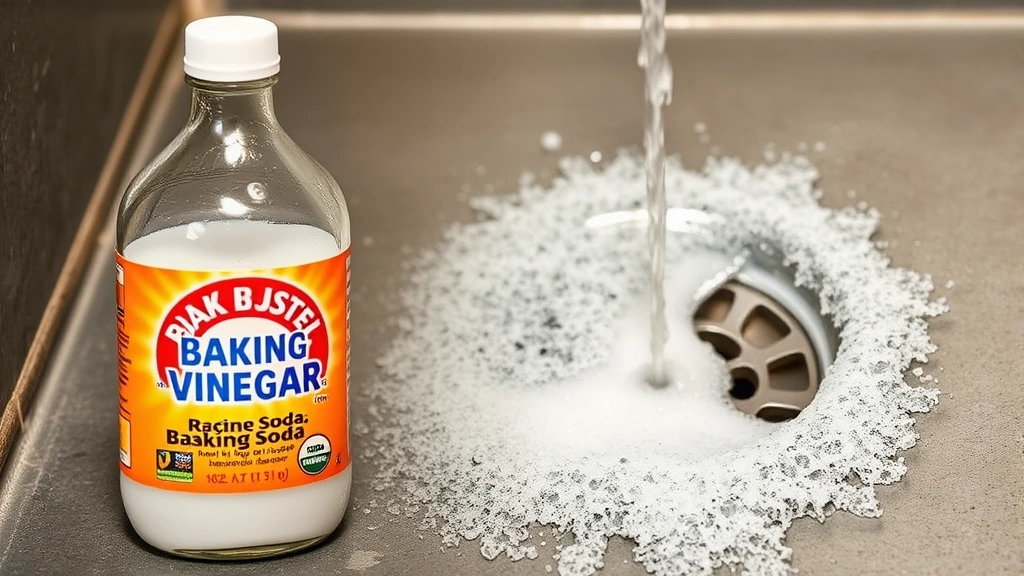
This classic combination creates a fizzing action that breaks up clogs naturally. Start by removing any standing water from your shower. Pour half a cup of baking soda directly down the drain, followed by half a cup of white vinegar. The mixture will fizz and bubble—this is exactly what you want. Cover the drain with a wet cloth or stopper to keep the reaction concentrated in the pipe. Let it sit for 30 minutes to an hour, then flush with hot water. The chemical reaction between the acidic vinegar and alkaline baking soda helps dislodge hair and debris. You can repeat this process two or three times for stubborn clogs.
Plunging Your Drain
A plunger isn’t just for toilets. Fill your shower with a few inches of water to create a seal, then place the plunger over the drain opening. Push down and pull up vigorously for about 20 seconds, maintaining the seal. The suction and pressure can dislodge clogs that haven’t completely solidified. This method works particularly well for hair-based clogs. You might need to repeat the plunging several times to see results.
The Wire Hanger Snake
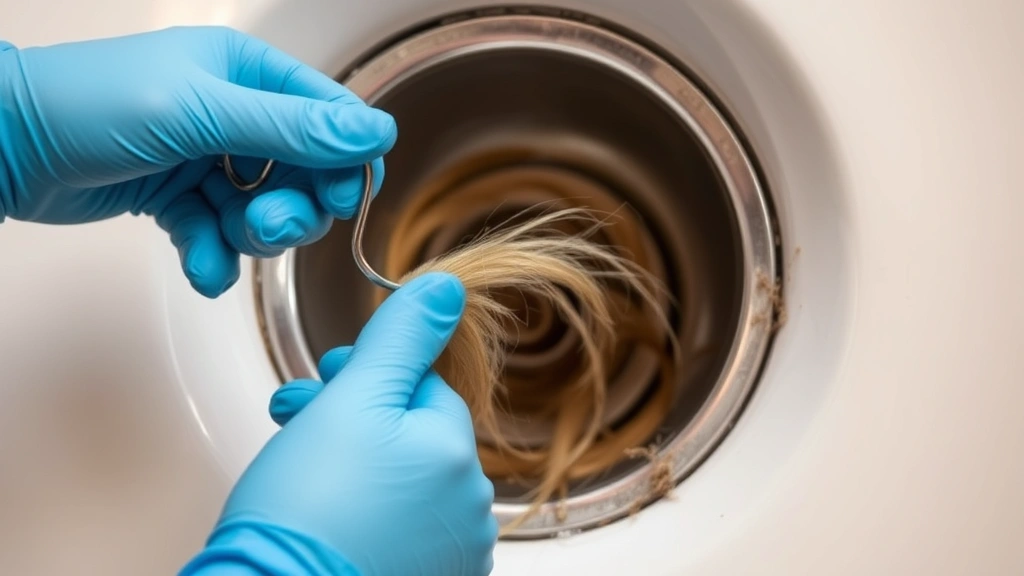
Straighten a wire coat hanger, leaving a small hook at one end. Feed this makeshift snake down the drain carefully, twisting and probing to catch hair and debris. This low-tech solution often surprises people with its effectiveness. You can fish out substantial amounts of matted hair this way. It’s especially useful when combined with other methods—use the wire hanger to remove visible hair, then follow up with baking soda and vinegar.
Chemical Drain Cleaners
When natural methods don’t work, chemical drain cleaners offer a more aggressive solution. These products come in several forms, each with different strengths and safety considerations.
Types of Chemical Cleaners
Alkaline cleaners like sodium hydroxide (lye) are particularly effective on hair-based clogs. They work by dissolving organic material through a chemical reaction. Acidic cleaners work differently, dissolving mineral deposits and soap scum. Enzymatic cleaners use biological action to break down organic matter gradually—these are gentler but work more slowly. For shower drains clogged primarily with hair, alkaline cleaners typically work fastest.
Safety Precautions
Chemical drain cleaners demand respect. Always wear rubber gloves and eye protection—these products can cause severe burns. Ensure excellent ventilation by opening windows and doors. Never mix different drain cleaners, as this creates dangerous chemical reactions. If you have older metal pipes, check whether the specific product is safe for your plumbing material, as some chemicals can corrode certain pipe types.
Follow product instructions exactly, including the amount to use and how long to let it sit. Most products require 15-30 minutes before flushing. Don’t attempt to use a plunger after adding chemical cleaners, as this can splash the caustic liquid onto your skin or face.
When to Use Chemical Cleaners
Reserve chemical cleaners for situations where natural methods have failed. They’re particularly useful when you have a stubborn clog that won’t budge with plunging or the wire hanger method. However, if you have an older home with metal pipes or septic system, check compatibility first.
Advanced Troubleshooting Techniques
Sometimes clogs require more sophisticated approaches. If you’ve tried the basic methods without success, these advanced techniques might solve the problem.
Disassembling the P-Trap
The P-trap under your shower is removable, making it an excellent place to clear clogs manually. Place a bucket underneath to catch water, then use a wrench to loosen the slip nuts connecting the trap to the drain pipes. Carefully remove the trap and inspect it for clogs. You can clean it thoroughly with a brush or run water through it to flush out debris. This method gives you direct access to where most clogs hide. Before reassembling, apply plumber’s tape to the threads to ensure a watertight seal.
Using a Drain Snake Effectively
A drain snake (auger) reaches deeper into your plumbing than other methods. Feed the snake down the drain slowly, rotating it as you go. When you feel resistance, you’ve likely hit the clog. Apply gentle pressure and continue rotating—don’t force the snake, as you can damage pipes. The snake will either break through the clog or hook into it so you can pull it out. Manual snakes work well for DIY use; motorized versions are overkill for most household situations.
Removing the Showerhead
Sometimes the problem isn’t in the main drain but in your showerhead. Mineral deposits can partially block water flow, creating the appearance of a drain clog. If your showerhead needs cleaning, this could solve your problem. Unscrew the showerhead and soak it in white vinegar overnight. Use a small brush or toothpick to clear any mineral deposits from the spray holes. This is a quick fix worth trying before you tackle deeper plumbing issues.
Checking the Drain Stopper
If your shower has a pop-up drain stopper or removable cover, these components can trap hair and debris. Remove the stopper or cover and inspect it thoroughly. Often, a substantial amount of hair has accumulated underneath. Clean it completely, then reinstall it. Sometimes this simple step restores full drainage.
Prevention Tips for Future Clogs
Preventing clogs is far easier than clearing them. These strategies keep your shower draining smoothly for months or years between major cleanings.
Install a Hair Trap
The most effective prevention tool is a drain hair trap or strainer. These inexpensive devices ($5-15) fit over your drain opening and catch hair before it enters your pipes. They’re available in various styles and materials. Some are simple mesh screens, while others are more sophisticated designs that blend with your décor. Clean your hair trap regularly—weekly is ideal—by simply removing trapped hair and rinsing it clean.
Regular Maintenance Cleaning
Perform preventive maintenance every month or two, even when your drain seems to be working fine. Pour boiling water down the drain once a month to dissolve soap buildup. Use the baking soda and vinegar method quarterly as preventive maintenance. These simple steps prevent minor issues from becoming major clogs.
Manage Hair Shedding
While you can’t stop hair from shedding, you can minimize what enters your drain. Some people brush their hair before showering to remove loose strands. Others simply make a habit of removing visible hair from the drain after each shower. These small habits compound into significant prevention over time.
Address Hard Water Issues
If you have hard water, mineral deposits accumulate faster in your pipes. Consider installing a water softener or using a showerhead with a built-in filter. These solutions reduce mineral buildup and extend the time between drain cleanings. If you’re experiencing similar issues with your water heater, learning how to flush a water heater can prevent related plumbing problems.
Be Mindful of What Goes Down the Drain
Avoid pouring products down the drain that will solidify or accumulate. Thick lotions, oils, and conditioners contribute to clogs. Rinse thoroughly after using these products. Never pour grease or oil down any drain in your home—these solidify as they cool and create stubborn clogs.
If you have similar drainage issues throughout your home, understanding how to address them systematically helps. The same principles that work for shower drains apply to unclogging a toilet or tackling other plumbing challenges. And if you’re interested in broader bathroom maintenance, exploring drainage maintenance techniques reveals similar principles apply across your home.
For those dealing with rust issues in other bathroom fixtures, understanding rust removal methods helps maintain your entire bathroom ecosystem. And if you ever need to clear a clog without standard tools, knowing alternative unclogging methods provides creative solutions for any drainage emergency.
Frequently Asked Questions
How long does it take to unclog a shower drain?
The time required depends on the method and severity of the clog. Simple plunging might take 15-20 minutes. Natural solutions like baking soda and vinegar require 30 minutes to an hour of waiting time, plus another 15 minutes of active work. Chemical cleaners typically need 15-30 minutes to work. Disassembling the P-trap and cleaning it manually usually takes 20-30 minutes for someone with basic plumbing knowledge. More severe clogs requiring a drain snake might take an hour or more.
Is it safe to use chemical drain cleaners on all pipe types?
No, compatibility varies by pipe material. PVC pipes handle most chemical cleaners well. Older metal pipes, particularly galvanized steel, can be damaged by some alkaline cleaners. Cast iron pipes are generally resilient but still require caution. If your home was built before 1980, check your pipe material before using chemical cleaners. The product label typically specifies compatible materials. When in doubt, stick with natural methods or call a professional plumber who can assess your specific situation.
Can I prevent all shower drain clogs?
While you can’t prevent every clog, you can dramatically reduce their frequency. Installing a hair trap, performing monthly maintenance, and managing what enters your drain prevents approximately 80-90% of common clogs. Factors like hard water and high hair shedding make some homes more prone to clogs regardless of prevention efforts. Even with perfect prevention, most people experience a clog every few years, but proper maintenance extends these intervals significantly.
What should I do if my drain backs up into other fixtures?
Water backing up into multiple fixtures indicates a clog in your main drain line rather than just your shower drain. This situation typically requires professional help, as the clog is deeper in your plumbing system than DIY methods can usually reach. However, you can try a drain snake designed for main lines, available at home improvement stores. If the problem persists after attempting this, call a professional plumber. Main line clogs sometimes indicate tree root intrusion or collapsed pipes, which require professional diagnosis and repair.
How often should I clean my shower drain preventively?
Most experts recommend preventive maintenance every month or two. Pour boiling water down your drain monthly and use the baking soda and vinegar method quarterly. If you have a hair trap installed, clean it weekly. Those with longer hair or multiple people showering in the same bathroom might benefit from more frequent maintenance. Pay attention to your drain’s performance—if water starts draining slowly, increase your maintenance frequency before a complete clog develops.
Can I use a plunger on a shower drain?
Yes, a plunger can be effective on shower drains, though you need enough standing water to create a seal. Fill your shower with a few inches of water, place the plunger over the drain opening, and plunge vigorously. A cup plunger works, but flanged plungers sometimes work better due to their shape. This method works best on hair-based clogs and is completely safe for all pipe types. It’s often your best first attempt before trying chemical solutions.
What’s the difference between a drain snake and a plumbing auger?
These terms are often used interchangeably, and the distinction is primarily one of size and power. A drain snake typically refers to a manual tool 25-50 feet long, suitable for household drains. A plumbing auger usually indicates a motorized version that’s more powerful and can handle commercial applications. For shower drains, a manual drain snake costing $10-30 is usually sufficient. Motorized augers ($100+) are overkill for household situations and are more commonly used by professional plumbers.

Related Posts

How Long to Boil Lobster Tails: Cooking Guide

How Long to Fly from New York to London? Travel Times
