
How to Tell if a Mango is Ripe: Quick Guide
How to Tell if a Mango is Ripe: Quick Guide
There’s nothing quite like biting into a perfectly ripe mango—that sweet, juicy explosion of flavor that makes you wonder why you don’t eat them more often. But let’s be honest: figuring out whether a mango is actually ready to eat can feel like a guessing game. Pick one too early, and you’re stuck with something that tastes like a wooden spoon. Wait too long, and you’ve got an overripe mess on your hands.
The good news? Learning how to tell if a mango is ripe isn’t rocket science. It’s actually a skill you can master in just a few minutes, and once you do, you’ll never waste another mango again. Whether you’re shopping at the grocery store or picking them fresh from a tree, we’ve got you covered with practical, foolproof methods that actually work.
Think of ripeness detection like developing a sixth sense for fruit—it combines visual cues, tactile feedback, and a little bit of intuition. By the end of this guide, you’ll be able to spot a ripe mango from across the produce aisle.
Visual Color Signs of Ripeness
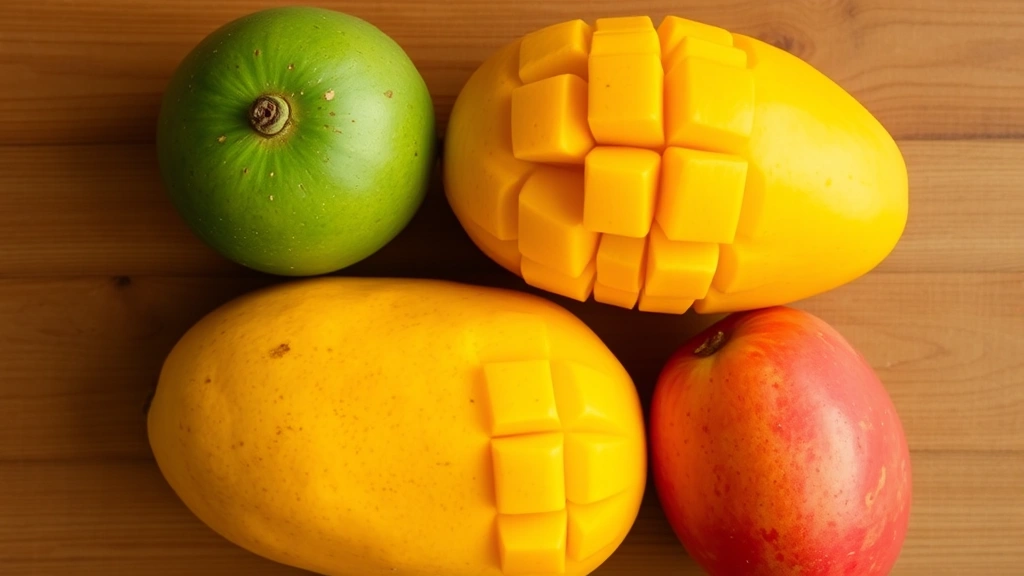
Color is your first clue, though it’s trickier than it sounds because mango varieties come in different hues. The stereotype of a perfectly ripe mango being deep red or orange isn’t always accurate. Some mangoes stay green even when they’re perfectly ripe, while others turn a gorgeous crimson red.
Here’s what to look for: ripe mangoes typically display a blend of colors rather than a single uniform shade. You’ll often see a mix of red, yellow, and green tones. The key is looking for an even color distribution without any large patches of green, which typically indicates the fruit hasn’t finished developing yet.
If you’re buying from a grocery store, check the label or ask the produce manager about the specific variety. An Ataulfo mango might look predominantly yellow with red blush, while a Kent mango could be mostly green with some red coloring and still be perfectly ripe. The transition from green to warmer tones—whether that’s gold, orange, or red—is what matters most.
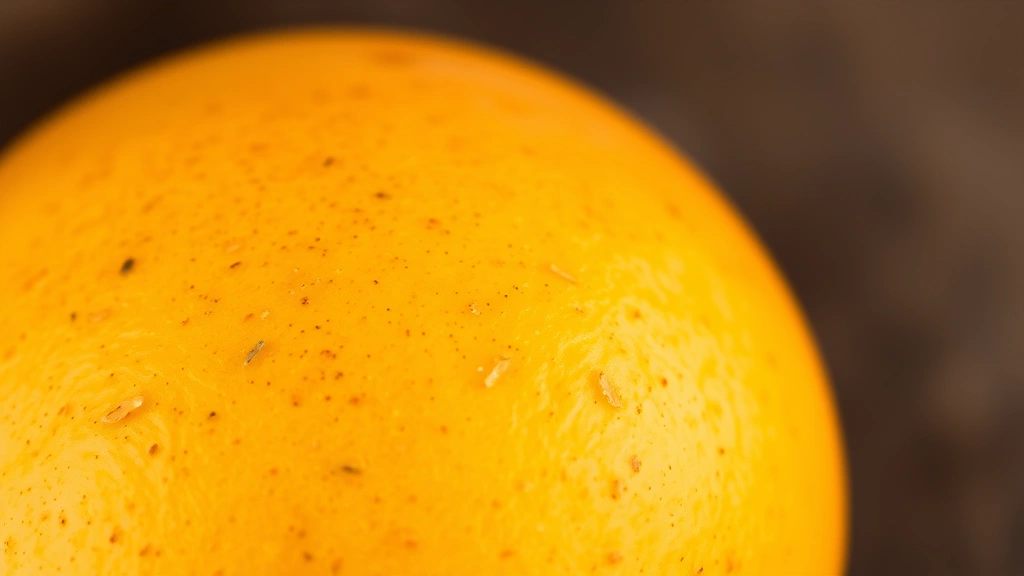
Avoid mangoes with dark spots or blemishes, as these can indicate bruising or rot. A few small freckle-like marks are normal and nothing to worry about, but large dark patches are a red flag.
The Touch Test: What to Feel For
This is where the magic happens. The touch test is genuinely the most reliable way to assess ripeness, and it’s something you can do right in the produce aisle without looking too suspicious.
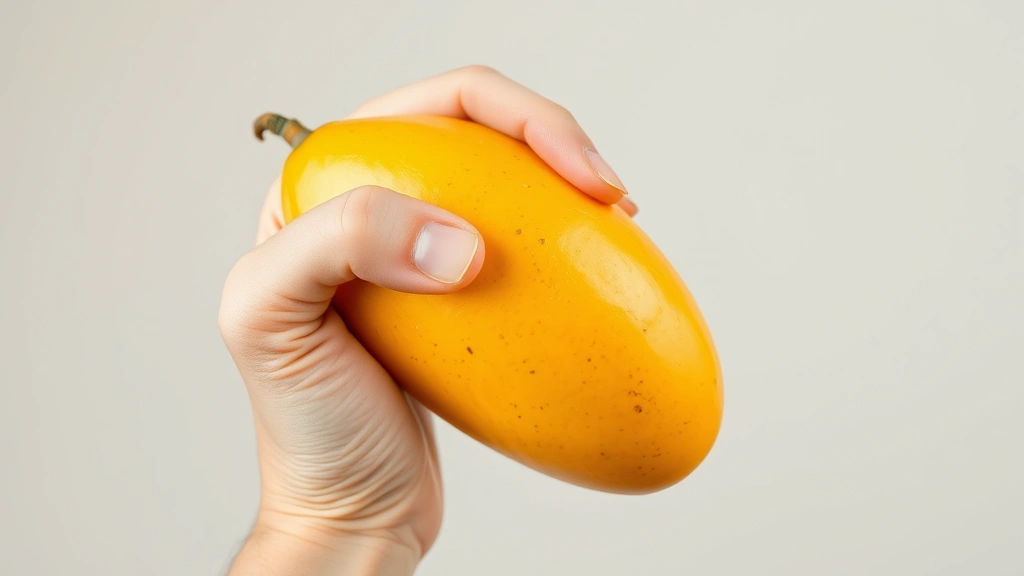
Hold the mango gently in your palm and apply light to moderate pressure with your fingers. A ripe mango will yield slightly to gentle pressure—think of it like the firmness of a ripe avocado. It shouldn’t be rock hard, and it definitely shouldn’t be mushy. You’re looking for that sweet spot in between where there’s just a little give.
The trick is using your whole hand, not just your fingertips. Cup the mango and gently squeeze; if it gives slightly under pressure without feeling soft or mushy, you’ve got a winner. If it’s completely rigid and unyielding, it needs more time. If your fingers sink in easily or you feel soft spots, it’s past its prime.
One common mistake: people squeeze too hard. You’re not testing a stress ball here—just use gentle, even pressure across the surface. Different mangoes will have slightly different firmness levels based on variety, which is why combining this test with other methods is smart.
The Smell Test That Actually Works
A ripe mango has a distinctive, sweet aroma that’s hard to miss once you know what you’re smelling for. This is one of the most underrated ripeness indicators, and frankly, it’s the method that rarely lies.
Bring the mango to your nose and take a gentle sniff, particularly around the stem end. A ripe mango will smell fragrant, sweet, and slightly floral—almost perfume-like. It’s an inviting, pleasant aroma that makes you want to eat it immediately. This scent develops as the fruit ripens and sugars accumulate.
An unripe mango will have little to no smell, or it might smell faintly vegetal and grassy. An overripe mango might smell fermented or alcoholic, which is a sign that decomposition has begun. Neither of these is what you want.
The beauty of the smell test is that it’s objective in a way that color and touch can be subjective. Your nose knows ripeness. If you’re ever uncertain after the other tests, trust your sense of smell—it rarely steers you wrong.
Weight and Density Matters
Here’s a lesser-known tip that actually works: compare the weight of mangoes of similar size. A ripe mango will feel heavier than an unripe one of the same dimensions because it’s filled with juice and sugars.
Pick up two mangoes of roughly the same size. The heavier one is likely further along in ripeness. This is because as mangoes ripen, they accumulate water content and sugars, making them denser. An unripe mango might feel lighter and drier by comparison.
This method is particularly useful when you’re choosing between several mangoes that look similar in color and size. The weight difference is subtle but noticeable once you develop the habit of comparing them.
Ripening Timeline and Storage
Understanding how mangoes ripen over time helps you plan your purchases strategically. If you’re buying for immediate consumption, you want a ripe one now. If you’re planning ahead, you might grab one that’s slightly underripe.
Most mangoes take about 3-5 days to ripen at room temperature. An unripe mango left on your counter will gradually transition through its color changes and soften. You can speed this process by placing the mango in a paper bag, which traps ethylene gas and accelerates ripening—similar to how you might ripen bananas fast.
Once a mango is ripe, you have a narrow window before it becomes overripe. Generally, you have 2-3 days to eat it at room temperature. If you want to extend that window, move the ripe mango to the refrigerator, where it will last about 5-7 days longer. The cold slows down the ripening process significantly.
Pro tip: if you buy several mangoes at different ripeness stages, you can stagger your enjoyment. Eat the ripe ones first, then let the others catch up on the counter. This strategy ensures you always have fresh mangoes available without waste.
Different Mango Varieties and Their Signals
Not all mangoes are created equal, and understanding the variety you’re buying makes ripeness assessment much easier. The most common varieties in North American markets each have their own personality.
Ataulfo mangoes are small, creamy, and often stay predominantly yellow even when ripe. They might have some red blush, but don’t expect them to turn fully red. These little guys should yield gently to pressure and smell fragrant.
Kent mangoes are larger and often stay greenish with red coloring on one side. They’re ripe when they soften slightly under gentle pressure and develop that sweet aroma. Color alone is misleading with Kents.
Tommy Atkins mangoes are the workhorses of the mango world—you’ll see them everywhere. They typically turn from green to red-orange as they ripen, and they’re ripe when they give slightly to pressure.
Haiden mangoes have a distinctive red color and are ripe when they smell sweet and yield to gentle pressure. These tend to be very fragrant when ready.
The lesson here: don’t rely solely on color. Combine color observations with the touch, smell, and weight tests regardless of variety, and you’ll nail it every time.
How to Ripen Mangoes Faster
Sometimes you need a ripe mango, and you need it now. Fortunately, you have options to accelerate the process beyond just leaving them on the counter.
The paper bag method is your fastest bet. Place unripe mangoes in a paper bag and fold it loosely closed. This traps ethylene gas, a natural ripening hormone that the fruit produces. Mangoes in a paper bag typically ripen 1-2 days faster than those left out in the open. Check them daily to avoid overshooting ripeness.
You can also place a ripe banana or apple in the bag with the mangoes. These fruits produce extra ethylene, which further accelerates ripening. It’s the same principle behind how you might ripen bananas fast using this technique.
Another option is placing mangoes in a warm spot—like a sunny windowsill—where they’ll ripen faster than in a cooler area. Heat speeds up the ripening process naturally.
What you shouldn’t do: put unripe mangoes in the refrigerator. Cold essentially pauses ripening, so this actually slows things down. Only refrigerate mangoes that are already ripe if you want to extend their lifespan.
If you’re really in a pinch, you can eat a slightly underripe mango. It won’t be as sweet or juicy as a fully ripe one, but it’s still edible and won’t hurt you. Just know that the flavor and texture won’t be optimal.
Frequently Asked Questions
Can you eat an underripe mango?
Yes, you can eat an underripe mango, but it’s not ideal. Underripe mangoes are firmer, less sweet, and have a more astringent taste. Some people don’t mind this texture, and culturally, unripe mangoes are used in chutneys and curries. However, if you’re expecting that sweet, juicy mango experience, you’ll be disappointed. It’s better to wait a few days for it to ripen properly.
What’s the difference between a ripe mango and an overripe one?
A ripe mango yields gently to pressure and smells fragrant and sweet. An overripe mango feels mushy or soft, might have brown or dark spots, and could smell fermented or alcoholic. Overripe mangoes are still technically edible—you can blend them into smoothies or use them in baking—but they’re not pleasant to eat fresh. They’ve lost their firm texture and can taste overly soft or even slightly fermented.
Should you buy mangoes that are already ripe or ripen them at home?
Both approaches work, depending on your timeline. If you’re eating today or tomorrow, buy ripe mangoes. If you’re buying for later in the week, grab slightly underripe ones and let them ripen at home. This gives you control over the ripening process and reduces the chance of them becoming overripe before you eat them. Plus, home-ripened mangoes often taste better because they ripen naturally rather than being artificially ripened for transport.
How do you know if a mango is bad or rotten?
Bad mangoes display several warning signs: large dark spots or blemishes, a fermented or alcoholic smell, excessive softness that feels mushy, or visible mold. If the skin is leaking juice or has significant cracks, the mango has likely deteriorated. Trust your senses—if it smells off or looks questionable, don’t eat it. It’s not worth the risk.
Can you ripen a mango in the refrigerator?
No, refrigeration actually slows or stops the ripening process. Cold temperatures essentially pause the mango’s natural ripening. You should only refrigerate a mango that’s already ripe if you want to extend its lifespan. If you need to ripen a mango, keep it at room temperature, preferably in a paper bag.
Why do some mangoes never seem to ripen?
If a mango was picked too early or wasn’t mature enough when harvested, it might not ripen properly even with time. Some commercial mangoes are picked very green for shipping purposes and may not develop full sweetness. Additionally, if a mango is stored in cold temperatures for too long before ripening, it might lose its ability to ripen completely. This is frustrating but unfortunately happens occasionally with store-bought fruit.
Is it normal for mangoes to have brown spots?
Small brown freckle-like spots are completely normal and don’t indicate a problem. These are lenticels—natural pores in the fruit’s skin. However, large brown patches, significant discoloration, or areas that feel soft or mushy are different and suggest the mango is overripe or damaged.
How long do ripe mangoes last?
At room temperature, a ripe mango lasts about 2-3 days before becoming overripe. In the refrigerator, a ripe mango can last 5-7 days. If you want to keep mangoes even longer, you can cut and freeze them. The texture changes when frozen, so they’re best used in smoothies or baking rather than eaten fresh, but they’ll keep for several months in the freezer.
Once you’ve mastered ripeness detection with mangoes, you might want to expand your fruit-picking skills. Learning how to tell if a pineapple is ripe uses similar sensory methods. If you’re stocking your kitchen with fresh produce, understanding how to tell if eggs are still good is equally important for food safety. You might also appreciate learning how to store strawberries properly to maximize freshness. For those interested in tropical fruits beyond mangoes, discovering how to cut a dragon fruit opens up new culinary possibilities. And if you want to expand your exotic fruit repertoire, how to eat a pomegranate is another valuable skill to master.
For additional authoritative information on fruit ripeness and storage, check out This Old House’s guide to selecting and storing mangoes, Family Handyman’s tips on ripening fruit faster, and Home Depot’s comprehensive produce storage guide. The USDA also offers evidence-based advice on keeping produce fresh.

Related Posts

How Long to Boil Lobster Tails: Cooking Guide

How Long to Fly from New York to London? Travel Times
