
How to Tell if a Watermelon Is Ripe: Expert Tips
How to Tell if a Watermelon Is Ripe: Expert Tips for Perfect Sweetness Every Time
There’s nothing quite like biting into a perfectly ripe watermelon on a hot summer day—that crisp, juicy sweetness is pure bliss. But let’s be honest: picking a watermelon can feel like a guessing game. You’ve probably stood in the produce section, thumping melons like a detective searching for clues, wondering if you’re actually doing anything useful. The truth is, there’s a real science behind selecting a ripe watermelon, and once you know the tricks, you’ll never bring home a disappointing melon again.
The challenge with watermelons is that you can’t simply cut one open to check before buying. Unlike checking if a mango is ripe by gentle pressure, watermelons require a different approach entirely. But don’t worry—experienced growers and produce experts have developed several reliable methods to identify ripeness without breaking the skin. These techniques combine visual inspection, tactile feedback, and even sound, giving you multiple ways to confirm you’re selecting a winner.
Whether you’re shopping for a family gathering, a solo snack, or just want to impress someone with your newfound watermelon expertise, this guide will walk you through every indicator of ripeness. You’ll learn what to look for, what to listen for, and what to feel for—because the perfect watermelon is waiting out there, and you’re about to become a master at finding it.
Visual Signs of a Ripe Watermelon
Your eyes are your first line of defense when selecting a watermelon. Before you even touch one, take a moment to really look at it. A ripe watermelon should have a deep, dark green color with minimal lighter patches. The skin should appear matte rather than shiny—that glossy finish typically indicates the melon is still developing and hasn’t reached peak ripeness.
The most telling visual indicator is the overall appearance of the skin. You’re looking for a watermelon that’s uniform in color with no soft spots, bruises, or discolored areas that suggest decay. A few lighter streaks or patterns are completely normal and don’t indicate a problem, but avoid any melons with deep cuts, cracks, or mushy sections.
One thing many people don’t realize: size isn’t necessarily an indicator of ripeness. A smaller watermelon can be just as ripe as a larger one. What matters more is the depth and richness of the green color and the overall condition of the skin. Think of it like assessing produce quality—just as you’d evaluate whether a pineapple is ripe by its color and firmness, watermelons have their own visual language telling you they’re ready to eat.
The Field Spot: Your Most Reliable Clue
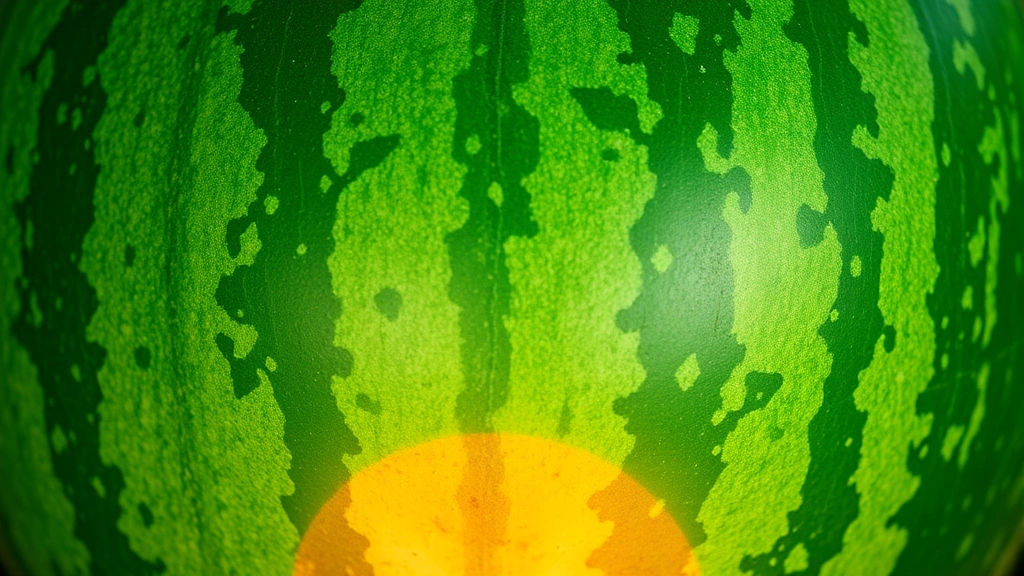
Here’s where things get interesting. Every watermelon has what experts call a “field spot” or “ground spot”—the area where the melon rested on the ground while growing. This is arguably the single most reliable indicator of ripeness, and once you know what to look for, you’ll spot it immediately.
The field spot should be a creamy yellow or golden color, sometimes with a slight orange tint. This coloration develops as the melon matures and sits in the sun. A white or pale field spot indicates the watermelon was picked too early and won’t be as sweet. The larger and more golden the field spot, the longer the watermelon sat ripening in the field, which generally means better flavor development.
To find the field spot, simply flip the watermelon over. You’ll notice a lighter-colored patch on one side—that’s your target. Ideally, this spot should be about the size of a quarter or larger. Some growers and produce experts suggest that a field spot the size of a silver dollar or larger is a sign of optimal ripeness. This single feature can save you from countless disappointing purchases.
Weight, Size, and Texture Matters
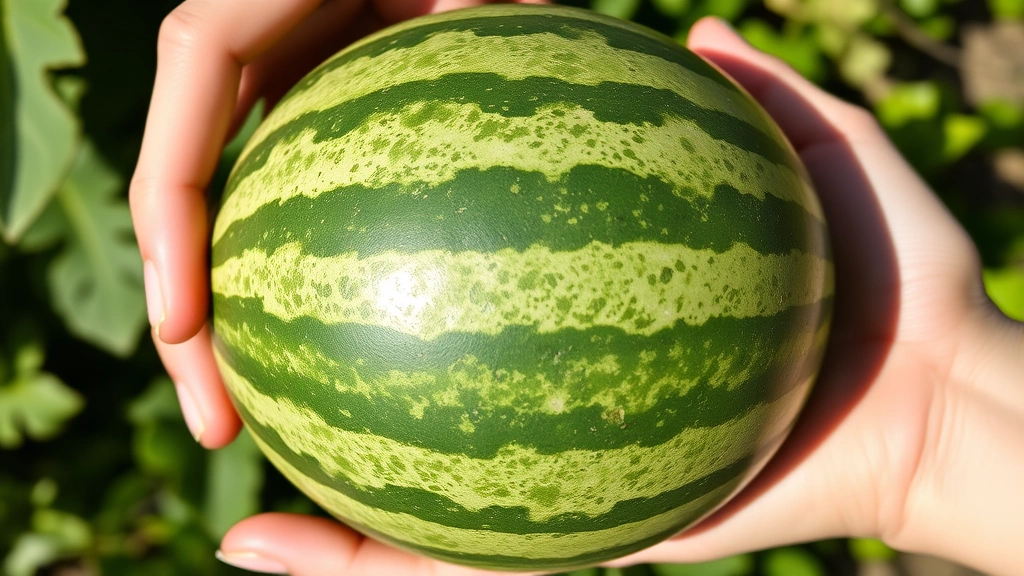
Once you’ve examined the color and field spot, it’s time to pick up the watermelon and get a feel for it—literally. A ripe watermelon should feel surprisingly heavy for its size. This heaviness indicates the fruit is full of water and juice, which is exactly what you want. Pick up two watermelons of similar size and compare their weight. The heavier one is likely the riper choice.
The skin texture also tells a story. Run your hand across the surface of a ripe watermelon and you should feel a slightly bumpy or dimpled texture. This roughness indicates the melon has fully matured. An overly smooth skin can suggest the watermelon hasn’t finished developing. That said, be gentle—you’re feeling for texture, not pressing hard enough to damage the skin.
Regarding size, there’s a sweet spot for most people. Medium to large watermelons tend to be more reliably ripe than very small ones, but this isn’t a hard rule. What matters more is that the melon feels dense and substantial when you hold it. A watermelon that feels light relative to its size might be underdeveloped or, conversely, starting to deteriorate internally.
The Thump Test: Does Sound Matter?
You’ve definitely seen people thump watermelons in the produce section, and you might have wondered if they’re actually accomplishing anything or just enjoying the novelty. The truth? The thump test is real, though it’s more of an art than a science, and it works best when combined with other methods.
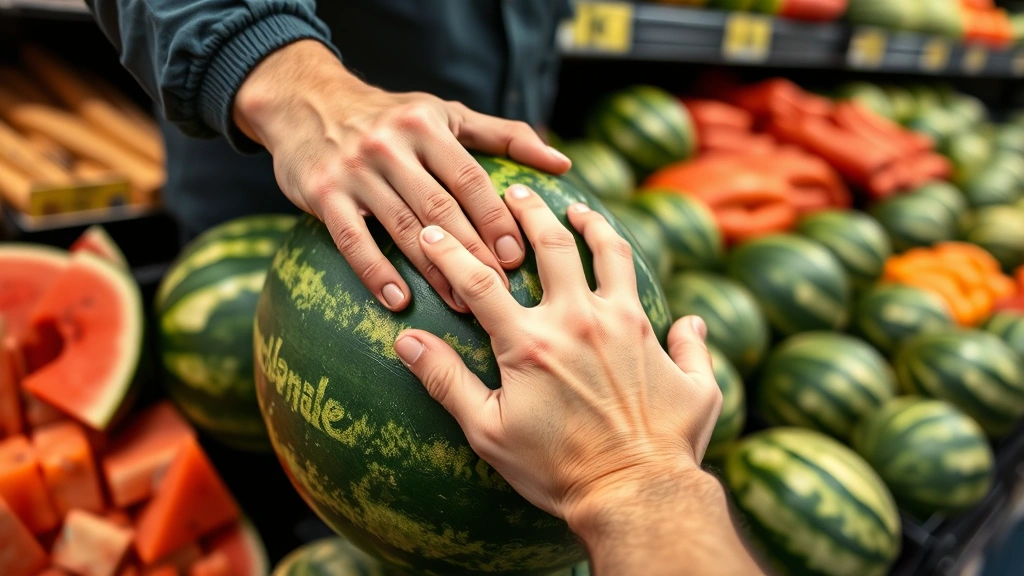
When you thump a ripe watermelon, it should produce a hollow, deep sound—almost like you’re knocking on a wooden door. This hollow sound indicates the flesh inside is firm and full of juice. An unripe watermelon will produce a higher-pitched, more solid-sounding thump because the interior is still dense and less developed. An overripe melon might sound oddly hollow or flat.
The technique matters. Use your knuckles or the palm of your hand, and tap the melon near its center. Some experts suggest listening to the vibration rather than just the initial sound. You want that resonance that lingers slightly, indicating a cavity full of ripe flesh and juice. It takes practice, but after selecting a few watermelons this way, your ear will develop an intuition for the right sound.
That said, don’t rely on the thump test alone. Combine it with the visual inspection and field spot check for the most reliable assessment. Think of it as the final confirmation rather than the primary test.
Stem and Tail Inspection
The stem and tail of a watermelon offer additional clues about ripeness. Look at where the vine was attached to the melon—this should be a small, dry, brown stem. If the stem is still green or moist, the watermelon was likely picked too early. A brown, dried-out stem is a positive sign that the melon had time to fully mature on the vine.
Similarly, examine the opposite end of the melon, where the flower was. This area, sometimes called the “tail,” should feel slightly soft or give a tiny bit when pressed gently. This indicates the sugars have accumulated in that area and the fruit has ripened. If this end feels rock-hard, the melon probably needs more time.
A completely dried-out stem is ideal because it means the melon was picked at peak ripeness and has had time to cure slightly. This curing process actually enhances the flavor and makes the flesh slightly sweeter. It’s one of those subtle details that separates a mediocre watermelon from an exceptional one.
Storage and Ripening Tips
Here’s something many people don’t realize: watermelons don’t actually ripen after they’re picked. Unlike learning how to ripen bananas fast, which can be accelerated at home, watermelons reach their peak flavor on the vine and don’t continue developing once harvested. This is why selecting a ripe melon at purchase is so critical.
However, storing your watermelon properly can help maintain its quality. At room temperature, a whole, uncut watermelon can last about a week. For longer storage, place it in the refrigerator, where it can last up to three weeks. The cool temperature slows down any ripening or deterioration processes and keeps the flesh crisp and juicy.
Once you cut the watermelon, wrap the exposed flesh tightly in plastic wrap and store it in the coldest part of your refrigerator. Cut watermelon keeps for about three to five days. If you’re concerned about maintaining optimal freshness, consider storing related produce thoughtfully—just as you might learn proper storage methods for strawberries, watermelon storage deserves attention too.
If you happen to bring home a watermelon that’s slightly underripe, you can’t force it to ripen further, but you can store it at room temperature to let it reach its current maximum sweetness over a few days. It won’t become as sweet as a fully vine-ripened melon, but it may improve slightly.
Common Mistakes to Avoid
Even with all this knowledge, people still make predictable errors when selecting watermelons. The most common mistake is assuming that bigger is better. Size doesn’t correlate with ripeness or flavor—a smaller, properly ripened melon will taste infinitely better than a massive underripe one.
Another frequent error is judging ripeness based solely on skin color. While color is important, it’s just one factor. Some varieties naturally have lighter green coloring, so relying exclusively on deep green hue can lead you astray. This is why the field spot, weight, and texture are equally important parts of your assessment.
Many people also dismiss watermelons with minor blemishes or imperfect appearance. A few cosmetic imperfections on the skin don’t affect the quality of the flesh inside. What you want to avoid are deep cracks, soft spots, or obvious signs of decay—not superficial marks or color variations.
Additionally, don’t be fooled by the “pre-cut melon” displays. While convenient, pre-cut watermelons have been exposed to air and have started losing their freshness. If you have the option, always choose a whole melon that you select yourself. You have much more control over quality this way.
Finally, avoid the trap of overthinking it. While there are multiple ways to assess ripeness, you don’t need to perform every test on every melon. Develop a routine: check the field spot, feel the weight, look at the color and stem, and maybe do a quick thump test. Once you’ve done this a few times, it becomes second nature.
Frequently Asked Questions
What if the field spot is white instead of yellow?
A white or very pale field spot indicates the watermelon was picked before it reached full maturity. While it might still be edible, it won’t have developed the full sweetness and flavor of a properly ripened melon. Keep looking for one with a golden or cream-colored field spot instead.
Can you tell if a watermelon is ripe by looking at the seeds?
While seed color can offer minor clues (darker, more mature-looking seeds suggest a riper melon), it’s not a primary indicator. You’d need to cut the melon to see the seeds anyway, which defeats the purpose of pre-purchase inspection. Stick with the external indicators we’ve discussed.
Is a watermelon with cracks safe to eat?
Small surface cracks are generally fine and don’t indicate a problem, but large cracks or deep splits can allow bacteria to enter. If a watermelon has significant cracking, it’s better to pass on it. Small cracks might have occurred during transport and don’t necessarily affect the quality of the flesh.
How long does a ripe watermelon last in the refrigerator?
An uncut, whole watermelon lasts about two to three weeks in the refrigerator. Once cut, store it in an airtight container or wrapped tightly in plastic wrap for three to five days. The key is keeping the exposed flesh from drying out or absorbing odors from other foods.
Should you buy watermelons in summer versus other seasons?
Watermelons are in peak season during summer (June through August in the Northern Hemisphere), when they’re at their ripest and most flavorful. Outside this window, watermelons may be imported or from storage, resulting in less optimal flavor. For the best experience, buy watermelons during their natural growing season.
What’s the difference between seedless and seeded watermelons regarding ripeness?
The ripeness indicators are virtually identical for both seedless and seeded varieties. All the methods discussed—field spot color, weight, sound, stem appearance—work equally well for both types. Choose based on your personal preference, not ripeness concerns.
Can you ripen a watermelon after bringing it home?
No, watermelons don’t continue ripening after harvest. What you can do is store an underripe melon at room temperature for a few days to let it reach its maximum potential sweetness, but it won’t develop beyond its current state. This is why selection at purchase is so crucial.
For additional guidance on selecting perfectly ripe produce, check out This Old House’s home and garden resources or Family Handyman’s helpful guides. You might also find Home Depot’s garden center advice valuable for produce selection tips. For detailed information on watermelon varieties and their characteristics, The Farmer’s Almanac offers comprehensive produce guides, and your local USDA resources provide official agricultural information about seasonal produce.
Now that you understand how to assess watermelon ripeness properly, you’re equipped to make confident selections every single time. The combination of visual inspection, tactile feedback, and a bit of sound analysis creates a reliable system that takes the guesswork out of watermelon shopping. Next time you’re at the market, use these techniques and enjoy the satisfaction of bringing home a perfectly ripe, deliciously sweet watermelon. Your taste buds will thank you, and you might even become the person everyone asks for watermelon selection advice.

Related Posts

How Long to Boil Lobster Tails: Cooking Guide

How Long to Fly from New York to London? Travel Times
