

How to Make Wine: A Step-by-Step Guide
How to Make Wine: A Step-by-Step Guide
There’s something almost magical about transforming simple fruit and a few basic ingredients into a bottle of wine. Whether you’re a seasoned home chef or someone who’s never fermented anything in their life, winemaking is surprisingly accessible—and far less intimidating than you might think. The process combines chemistry, patience, and a touch of artistry, but the fundamentals remain straightforward enough for anyone willing to follow the steps carefully.
Making wine at home has exploded in popularity over the past decade, and for good reason. You gain complete control over flavors, sugar levels, and the final product. Plus, there’s genuine satisfaction in serving a bottle you’ve crafted yourself. The best part? You don’t need an elaborate setup or expensive equipment to get started. A dedicated corner of your kitchen and about three to six months of patience will do.
This guide walks you through everything from selecting your ingredients to bottling your first batch. We’ll cover the science behind fermentation, troubleshoot common issues, and share practical tips that’ll help you avoid rookie mistakes. By the end, you’ll understand not just the steps, but the reasoning behind each one.
Understanding the Basics of Winemaking
Winemaking is fundamentally about harnessing yeast to convert sugar into alcohol and carbon dioxide. That’s it. Everything else is refinement and control. When you understand this core principle, the entire process becomes less mysterious.
The journey begins with fruit juice containing natural sugars. Yeast cells consume these sugars through a metabolic process called fermentation. As they work, they produce ethanol (the alcohol) and CO2 (the bubbles). This process typically takes anywhere from two weeks to several months, depending on conditions and the type of wine you’re making. Temperature, yeast health, nutrient availability, and the initial sugar content all influence how quickly and completely fermentation proceeds.
What separates wine from other fermented beverages is primarily the fruit source and the fermentation duration. While making apple cider follows similar principles with different starting material, wine involves a longer aging process that develops complexity and depth. The subtle differences matter tremendously in the final product.
One crucial concept: not all sugars ferment equally. Yeast prefers glucose and fructose (simple sugars), but can also metabolize more complex sugars like maltose. This is why the starting sugar content—measured in degrees Brix or specific gravity—predicts your final alcohol percentage fairly accurately. A general rule: 1% alcohol requires approximately 17 grams of sugar per liter.
Essential Equipment and Ingredients
Before you start, gather your tools. The good news? You probably don’t need to spend hundreds of dollars. Here’s what’s genuinely necessary:
- Fermentation vessel: A glass carboy (5-gallon size is standard), food-grade plastic bucket, or even a large glass jar. Avoid anything metal that might react with acids.
- Airlock and bung: These allow CO2 to escape while preventing contamination. A simple S-shaped or three-piece airlock works perfectly.
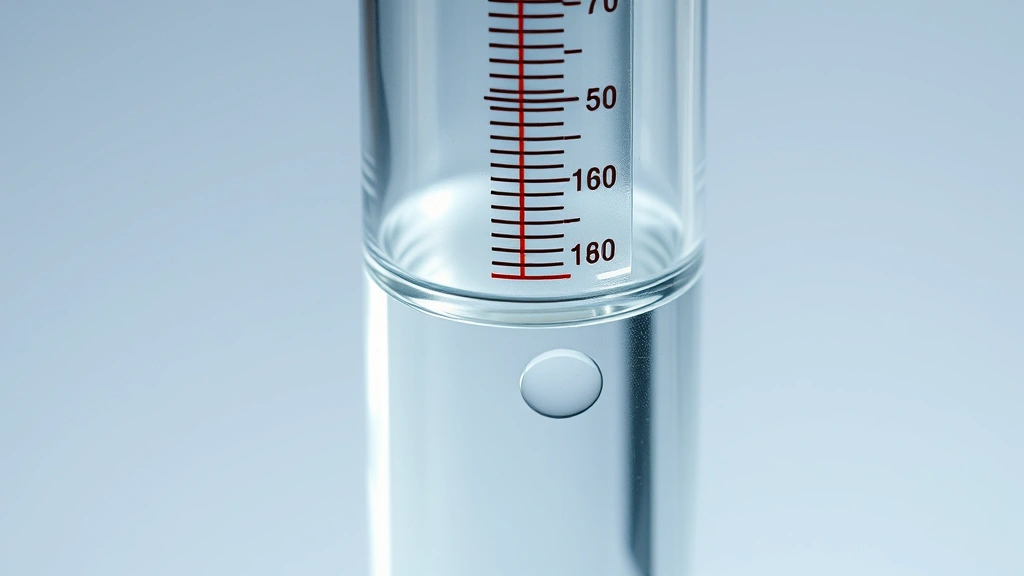
- Hydrometer: This floating instrument measures sugar content and helps predict final alcohol. It’s inexpensive and invaluable.
- Siphon and tubing: Essential for racking (transferring wine between vessels without disturbing sediment).
- Sanitizer: Star San or similar no-rinse sanitizer prevents unwanted bacteria and wild yeast.
- Large spoon or paddle: Food-grade plastic or stainless steel for stirring.
- Bottles and corks: Save your wine bottles from previous purchases, or buy new ones. A corker makes sealing easier.
For ingredients, you’ll need fruit (or juice), yeast, and potentially nutrients. Many winemakers also use pectinase (an enzyme that breaks down fruit solids for clearer wine) and sulfites (which preserve and prevent oxidation). These aren’t mandatory for your first batch, but they significantly improve results.
Choosing Your Fruit and Preparing Ingredients
Your fruit choice determines your wine’s character. Fresh fruit provides the best results because you control everything from harvest ripeness to processing. However, quality juice concentrate or even pure juice works for beginners. The key is understanding what you’re starting with.
For grape wine (the traditional approach), source fruit from local vineyards if possible. Red grapes like Cabernet Sauvignon produce dry wines, while white varieties like Riesling offer sweeter potential. If fresh grapes aren’t accessible, quality juice concentrate from reputable suppliers like honey-based or other specialty suppliers provides consistent results.
Fruit wines—made from berries, stone fruits, or citrus—offer creative possibilities. Strawberry, blackberry, and peach wines are popular starting points. The basic process remains identical regardless of fruit type, though sugar content and acid levels vary.
Before fermentation, prepare your fruit properly. If using fresh fruit, sanitize it thoroughly. Remove stems, leaves, and obviously damaged portions. For whole fruits, crushing releases juice and increases yeast contact with sugars. You can use a food mill, potato masher, or even clean hands. The goal isn’t fine pulp—just breaking the skin enough for juice release.
Juice extraction matters. Press your fruit gently to avoid extracting bitter compounds from seeds and stems. If you’re using pre-made juice, skip this step entirely.
The Fermentation Process
This is where the magic happens. Start by sanitizing all equipment thoroughly. Every surface that touches your wine must be clean and free from competing microorganisms. Mix your sanitizer according to package directions, soak your vessel and tools for the recommended time, then allow them to air dry. Don’t rinse with water—the sanitizer residue actually protects your wine.
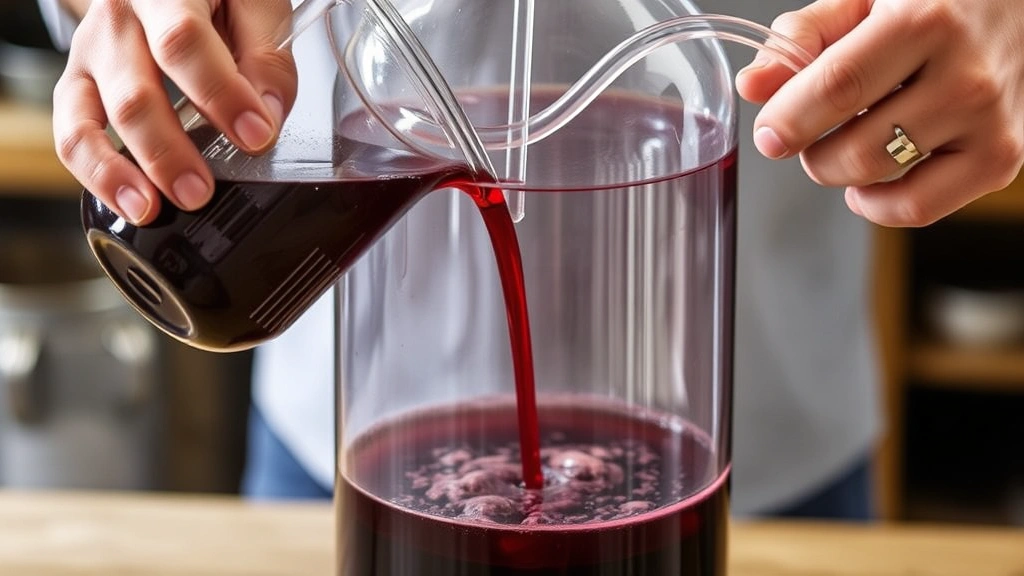
Next, prepare your must (the mixture of fruit, juice, and other ingredients before fermentation begins). If using whole fruit, add it to your sanitized vessel. Pour juice over it. Add any pectinase enzyme if desired—this breaks down cell walls and improves clarity. If using commercial juice, simply pour it into your vessel.
Calculate your starting sugar content using a hydrometer. Fill a test tube with your must, float the hydrometer, and read where it settles. Note this specific gravity reading. This number predicts your final alcohol content and helps you determine if you need to add sugar.
Most winemakers aim for a starting gravity between 1.080 and 1.100 for dry wines (which produce 10-13% alcohol). If your must reads lower, dissolve additional sugar in a small amount of warm water, cool it, then stir it into your must. If it reads higher, dilute with water or additional juice.
Now for the yeast. Choose a wine yeast strain appropriate for your fruit type. Red wine yeasts differ from white wine yeasts, which differ from fruit wine yeasts. Each strain has different temperature tolerances and flavor profiles. Popular options include Lalvin EC-1118 (versatile), Lalvin D47 (for fruit wines), and Wyeast Burgundy (for reds).
Prepare your yeast according to package directions. Most require rehydration: mix the yeast powder with lukewarm water (around 100°F), let it sit for 15 minutes, then slowly add some of your must to acclimate the yeast to your specific gravity. After 10 minutes, pour the yeast mixture into your fermentation vessel and stir gently.
Install your airlock and bung. Ensure the airlock contains water to the fill line—this one-way valve lets CO2 escape while preventing air and contaminants from entering. Place your vessel in a location with stable temperature (ideally 65-75°F for most yeasts) away from direct sunlight.
Within 24-48 hours, you should see activity: bubbling through the airlock, foam on top of the must, and visible cloudiness as yeast multiplies. This is your confirmation that fermentation has begun.
Monitoring and Maintenance
Active fermentation typically lasts two to four weeks, though this varies dramatically based on yeast strain, temperature, and starting gravity. During this period, check your wine daily. Listen for steady bubbling through the airlock. This sound confirms ongoing fermentation.
Temperature consistency is critical. Yeast performs best within specific ranges. Too cold, and fermentation stalls. Too hot, and yeast produces off-flavors or dies. Maintain your fermentation space at a steady temperature. If your home fluctuates significantly, consider a temperature-controlled fermentation chamber or even a wine fridge set to the appropriate range.
Resist the urge to interfere constantly. Winemaking rewards patience. Don’t open your vessel repeatedly, don’t stir excessively, and don’t second-guess the process. The yeast knows its job.
Around week two or three, take another hydrometer reading. The specific gravity should be dropping steadily. When it reaches 1.005 or below (indicating most sugars have been consumed), fermentation is nearly complete. At this point, you might notice the bubbling has slowed considerably.
Some winemakers add sulfites at this stage—specifically potassium metabisulfite—to preserve the wine and prevent oxidation. This step is optional for beginners but recommended once you’re comfortable with the process. Sulfites don’t harm health in the small quantities used in winemaking and are naturally present in many foods. Just like feeding a sourdough starter requires understanding microbial activity, managing sulfites requires understanding their preservation role.
Clarification and Racking
As fermentation concludes, yeast cells die and settle to the bottom, forming sediment called lees. You’ll want to separate your clear wine from this sediment. This process is called racking.
After fermentation stops completely (typically when specific gravity remains constant for 3-5 days), prepare to rack. Sanitize a second carboy and your siphon equipment. Position your full carboy higher than the empty one—a shelf works perfectly. Insert your siphon into the wine, being careful not to disturb the sediment on the bottom. Use a siphon pump to start the flow, or use the mouth-siphoning technique if you prefer.
Draw wine from the upper portion of your vessel, avoiding the sediment layer at the bottom. Fill your clean carboy until it’s nearly full. Install a fresh airlock on the clean carboy. Discard the old carboy with its sediment.
For additional clarity, some winemakers use fining agents—substances that bind to tiny particles and cause them to settle faster. Bentonite (a clay) and isinglass (fish protein) are common choices. If using these, follow package directions carefully and allow 1-2 weeks for complete settling before the next racking.
Plan to rack again after 4-6 weeks, and potentially a third time after another 4-6 weeks. Each racking removes more sediment and improves clarity. By the third racking, your wine should be brilliantly clear.
Bottling Your Wine
Bottling typically occurs 3-6 months after fermentation begins, depending on your wine type and clarification progress. Before bottling, ensure your wine is clear and stable—meaning fermentation has completely ceased and the specific gravity remains constant.
Sanitize all bottles, corks, and equipment. Prepare your bottles by soaking them in sanitizer solution, then allowing them to air dry. If using natural corks, soak them in warm water for 15 minutes to soften them slightly, making insertion easier.
Using your siphon setup, transfer wine from your carboy into bottles, filling each to about half an inch below the rim. This headspace prevents cork pressure problems as wine ages. Insert corks using a corker—a simple lever tool that compresses the cork and drives it into the bottle. If you’re using screw caps instead, simply twist them on.
Store your bottles upright for the first few days, allowing any air to escape through the cork. After this settling period, you can store them upright or on their side. Many winemakers prefer horizontal storage for long-term aging, which keeps the cork moist and prevents shrinkage.
Label your bottles clearly with the wine type, vintage date, and any notes about the batch. This becomes invaluable when comparing multiple batches or revisiting successful recipes. Consider that proper storage conditions matter greatly—just as they do for wine.
Storage and Aging
Where you store your wine dramatically influences its development. Ideal storage conditions include consistent temperature (around 55°F is perfect, though 50-65°F works), darkness, humidity around 70%, and minimal vibration.
Most home winemakers store bottles in a cool closet, basement, or dedicated wine fridge. Avoid areas near furnaces, water heaters, or direct sunlight. UV light degrades wine rapidly, causing premature aging and off-flavors.
Aging duration depends on wine type. Light fruit wines might be ready to drink within 6-12 months. Fuller-bodied wines benefit from 1-2 years of aging. Red wines often improve with 2-3 years in the bottle. Some premium wines continue improving for decades, though home winemaking projects typically reach their peak within 3-5 years.
To determine if your wine is ready, simply taste it periodically. You’re looking for smooth, integrated flavors without harsh edges. Young wine often tastes sharp or unfinished. As it ages, flavors mellow and develop complexity.
For extended storage beyond a few years, consider investing in a dedicated wine fridge or cooler. These maintain precise temperature and humidity, ensuring your wine ages gracefully rather than deteriorating.
Some winemakers also explore preservation techniques used in other food preparation, though wine doesn’t require freezing. Instead, focus on cool, dark, stable conditions.
Finally, remember that home winemaking is as much about the learning process as the finished product. Your first batch might not be perfect, and that’s completely normal. Each batch teaches you something new about fermentation, flavor development, and your own preferences. Many experienced winemakers still produce their best wines years into the hobby, continually refining their techniques.
For additional guidance on specific techniques, consult resources like This Old House’s home improvement guides, Family Handyman’s DIY sections, or Home Depot’s winemaking supplies. These sources provide additional perspectives and products to support your winemaking journey. You might also explore Jack Keller’s winemaking database for thousands of recipes and techniques, or consult Northern Brewer’s comprehensive winemaking resources.
Frequently Asked Questions
How long does it take to make wine?
Active fermentation typically takes 2-4 weeks. However, the complete process—including racking, clarification, and aging—requires 3-6 months minimum for drinkable wine. Many winemakers prefer aging for a full year before opening their first bottle. Premium wines benefit from even longer aging.
Can I make wine without special equipment?
Technically yes, but proper equipment prevents problems. At minimum, you need a fermentation vessel with an airlock to prevent contamination, and a hydrometer to monitor fermentation. These items cost under $50 combined. Skipping them leads to oxidation, contamination, or unpredictable results.
What’s the difference between wine and vinegar?
Vinegar forms when acetic acid bacteria convert alcohol into acetic acid. This happens when wine is exposed to oxygen without protection. Using airlocks, sanitization, and proper storage prevents vinegar formation. If your wine smells like vinegar, it’s contaminated and should be discarded.
Can I use regular bread yeast?
You can, but you shouldn’t. Bread yeast produces off-flavors in wine and often stalls before fermentation completes. Wine yeast strains are specifically selected for flavor profiles, alcohol tolerance, and reliable fermentation. The cost difference is minimal, and results are dramatically better.
How do I know fermentation is complete?
Check your specific gravity with a hydrometer. Fermentation is complete when the reading is stable (unchanged for 3-5 days) and below 1.005. Additionally, bubbling through the airlock stops, and the wine appears clear rather than cloudy.
Is winemaking safe?
Yes, winemaking is safe when you maintain proper sanitation. Fermentation creates an acidic environment hostile to pathogens. Alcohol further preserves the wine. The main risks are contamination from poor sanitization (which produces off-flavors rather than illness) and oxidation. Neither poses health dangers.
Can I adjust the taste after fermentation?
Somewhat. You can blend wines to balance flavors, or age longer for smoother taste. However, major flavor changes require starting over. This is why choosing quality ingredients and monitoring fermentation matters—you can’t easily fix fundamental problems after fermentation completes.

Related Posts

How Long to Boil Lobster Tails: Cooking Guide

How Long to Fly from New York to London? Travel Times
