
Mixing Yellow Paint: Artist Tips and Techniques
Mixing Yellow Paint: Artist Tips and Techniques
Yellow is one of the most versatile and vibrant colors in any artist’s palette, yet achieving the perfect shade requires understanding color theory, pigment properties, and mixing techniques. Whether you’re working on a home interior project, creating fine art, or tackling a DIY painting endeavor, knowing how to make the colour yellow through proper mixing methods will elevate your results dramatically. This comprehensive guide explores the science and practice behind creating beautiful yellow hues that match your vision.
The journey to mastering yellow mixing begins with understanding that yellow is a primary color in traditional color theory, meaning it cannot be created by mixing other colors in the RYB (Red-Yellow-Blue) system. However, in the CMY (Cyan-Magenta-Yellow) system used in printing, yellow is also primary. For artists working with pigments, the key lies in selecting quality yellow pigments as your base and then learning how to modify them through strategic color mixing to achieve specific tones, shades, and tints.
Understanding Yellow Pigments and Their Properties
Before you can effectively mix yellow, you need to understand the different types of yellow pigments available and their unique characteristics. Yellow pigments vary significantly in their undertones, opacity, and mixing behavior, which directly impacts the results you’ll achieve. According to This Old House, understanding your materials is fundamental to any successful DIY project, and paint mixing is no exception.
Cadmium Yellow is considered the gold standard among yellow pigments. It offers excellent opacity, vibrant color, and predictable mixing behavior. Cadmium Yellow Light has a cooler, greenish undertone, while Cadmium Yellow Deep carries warmer, more orange undertones. Lemon Yellow, also called Hansa Yellow or Primrose Yellow, is a cooler, more transparent yellow that leans toward green. This pigment is ideal when you need a bright, clean yellow without warmth. Ochre yellows, including Raw Sienna and Yellow Ochre, are earth-toned yellows with brownish undertones, perfect for creating natural, muted tones.
Understanding undertones is crucial because every yellow pigment contains subtle color bias. A warm yellow leans toward red or orange, while a cool yellow leans toward green or blue. When mixing, these undertones either complement or fight each other. If you’re working on a home improvement project requiring specific paint colors, selecting the right base pigment prevents frustrating color shifts during mixing.
The opacity of your yellow pigment determines how it behaves when layered or mixed with other colors. Opaque yellows cover well and maintain their brightness, while transparent yellows allow underlying colors to show through, creating glazing effects. For most home painting projects, semi-opaque yellows offer the best balance of coverage and mixing flexibility.
Primary Yellow Mixing Techniques
Now that you understand pigment properties, let’s explore the fundamental techniques for mixing yellow paint effectively. The most basic principle involves starting with a high-quality yellow pigment and making intentional modifications rather than attempting to create yellow from scratch.
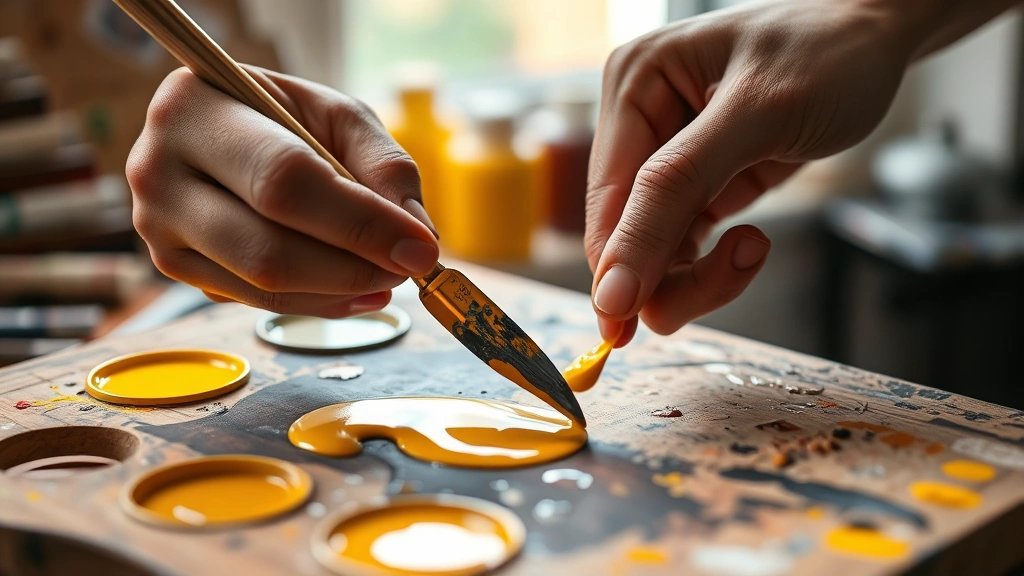
The Foundation Method begins with selecting your base yellow. Squeeze a generous amount onto your palette—more than you think you’ll need, as mixing depletes your supply quickly. Position this yellow in the center of your mixing area. This becomes your reference point. Before adding any other colors, test your yellow on the surface where it will be applied under actual lighting conditions. Artificial studio lighting differs dramatically from natural daylight or the fluorescent lights in your home.
When you need to adjust your yellow, make micro-adjustments rather than bold additions. Add just a tiny amount of modifier color—roughly 5-10% of your yellow volume. Mix thoroughly, incorporating the modifier completely into the yellow base. Check the result. If further adjustment is needed, repeat with another small addition. This patience-based approach prevents overshooting your target color and wasting paint.
The Layering Technique works beautifully for achieving complex yellow tones without muddying your paint. Apply your base yellow, allow it to dry completely, then apply a thin glaze of another color on top. For example, applying a transparent orange glaze over a bright yellow creates a warm golden tone without mixing the pigments directly. This method provides more control and maintains color vibrancy better than direct mixing for some applications.
For those working on interior painting projects, Family Handyman recommends testing paint samples on your walls to see how they perform throughout the day, which is equally important when you’ve custom-mixed your yellow.
Creating Warm and Cool Yellows
One of the most valuable skills in color mixing is understanding how to shift your yellow along the warm-cool spectrum. This ability allows you to create yellows that harmonize with different color schemes and lighting conditions in your space.
Warm Yellow Creation involves adding red or orange to your base yellow. To create a golden yellow with warmth, add a small amount of cadmium red or burnt sienna to your primary yellow. The red adds richness and creates that appealing golden tone perfect for creating cozy interior spaces. For a more orange-yellow (what some call mustard or harvest yellow), increase the proportion of red. These warm yellows work exceptionally well in kitchens, dining rooms, and accent walls where you want to create energy and appetite stimulation.
Cool yellows lean toward green and work beautifully in modern, fresh spaces. To create a cool yellow, add a tiny amount of green or blue to your base yellow. Lemon yellow naturally possesses this cool quality, but you can enhance it further. Adding a whisper of phthalo blue or viridian green creates a yellow that feels fresh and contemporary. These cool yellows pair wonderfully with cool grays, blues, and whites for a spa-like or Scandinavian aesthetic.
The Neutral Yellow Modification technique creates sophisticated, muted yellows by adding complementary colors. Since the complement of yellow is purple or violet, adding a small amount of purple to yellow creates a warm, earthy yellow-brown tone. This is particularly useful when you want yellow that doesn’t feel too bright or artificial. Ochre yellows naturally contain this quality, making them excellent choices for heritage homes or traditional interiors.
Advanced Color Mixing Strategies
Beyond basic warm and cool adjustments, advanced artists employ sophisticated mixing strategies to achieve specific effects and overcome common color challenges.
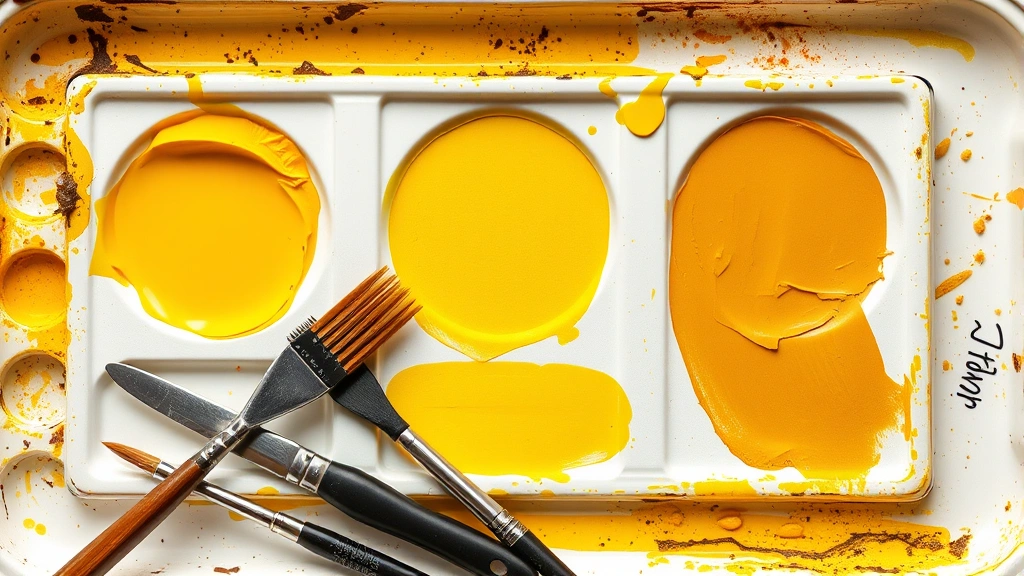
The Tertiary Color Method involves creating yellows by mixing yellow with other primary colors intentionally. Yellow-orange is created by combining yellow with red in approximately a 2:1 ratio (more yellow than red). Yellow-green emerges from mixing yellow with blue, again maintaining more yellow than the modifier. These tertiary colors serve as intermediaries, allowing you to create harmonious color schemes and transition hues smoothly.
When working with Multiple Yellow Bases, keep several different yellows on your palette simultaneously. Having Cadmium Yellow Light, Cadmium Yellow Deep, and Lemon Yellow available gives you flexibility. You can mix a color using Lemon Yellow as your base, then compare it to the same mixture using Cadmium Yellow Deep. This comparison helps you understand how undertones affect your final result and trains your eye to recognize color bias.
The Gray Modification Technique creates sophisticated, desaturated yellows perfect for contemporary interiors. By adding a complementary gray (made from yellow’s complement, purple, mixed with white), you can tone down bright yellows without making them muddy. This produces elegant, muted yellows that feel refined rather than artificial.
For those tackling home renovation projects, understanding these advanced techniques ensures your custom-mixed yellows coordinate beautifully with existing elements. You might need to apply finishing touches throughout your home with colors that coordinate seamlessly with your mixed yellows.
The Value Adjustment Method addresses one of the most common challenges: creating lighter or darker yellows. To lighten yellow, add white to create a tint, but use restraint—white can make yellows feel chalky or pastel. To darken yellow, add a small amount of its complement (purple) or use a deeper yellow pigment rather than adding black, which creates muddy, greenish tones. Many professional painters avoid black entirely, preferring to mix dark colors from complementary pigments.
Common Mistakes and How to Avoid Them
Even experienced artists make color mixing mistakes. Understanding common pitfalls helps you avoid wasting time, paint, and frustration. The most frequent error is adding too much modifier color at once. Artists often think in large increments, but color mixing operates on small percentages. A single brush stroke of red added to a cup of yellow can dramatically shift the color. Start with amounts roughly the size of a pea and build from there.
Another critical mistake involves inadequate mixing. Streaks of unmixed color create uneven results. Mix thoroughly, scraping the sides and bottom of your palette to incorporate all pigment. Use a palette knife rather than a brush for more thorough mixing. A brush can trap unmixed pigment in its bristles, preventing complete color integration.
Many artists fail to account for color shift under different lighting. A yellow that looks perfect in your studio under daylight bulbs might appear greenish under warm incandescent light or too warm under cool LED lighting. Always test your mixed yellow under the actual lighting conditions where it will be viewed. This is non-negotiable for interior painting projects where lighting varies throughout the day.
Mixing on a white palette creates optical illusions that lead to incorrect color perception. White background makes colors appear lighter and more saturated than they actually are. Professional colorists use gray or neutral-colored palettes for this reason. If you only have a white palette, test your mixed color on a neutral gray paper before committing to large-scale application.
The mistake of using complementary colors incorrectly often results in muddy, desaturated yellows. If you add too much purple, blue, or red to yellow, you create brownish or grayish tones rather than intentional color modifications. Remember that complementary colors neutralize each other—use this principle deliberately and sparingly.
Practical Applications for Home and Studio
Understanding yellow mixing theory means little without practical application. Whether you’re painting a child’s bedroom, creating artwork, or refreshing a kitchen, these techniques translate directly to real-world results.
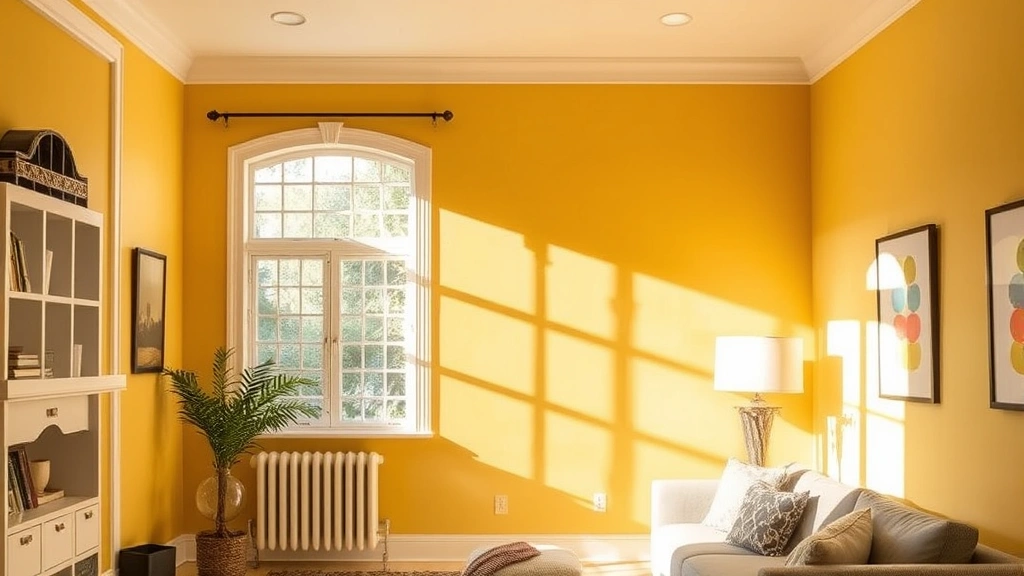
For interior wall painting, start by selecting a yellow undertone that matches your home’s existing color palette and lighting. North-facing rooms with cool light benefit from warm, golden yellows that compensate for the cool lighting. South-facing rooms with abundant warm light suit cool, fresh yellows that prevent the space from feeling too hot. Test your mixed yellow on large sample patches (at least 2 feet square) on different walls in the room. Observe how the color appears in morning light, afternoon light, and evening light before committing to painting the entire room.
When creating accent walls or feature areas, mixed yellows offer advantages over standard paint colors. You can create unique shades that coordinate perfectly with your furnishings and existing décor. Many homeowners discover that pre-mixed paint colors don’t quite match their vision—custom mixing solves this problem. For guidance on coordinating your yellow with other home elements, visit your local home improvement retailer to see how your mixed yellow interacts with flooring, trim, and fixtures.
For artistic applications, yellow mixing opens creative possibilities. Glazing techniques, where transparent colors layer over opaque bases, create luminous effects impossible to achieve with direct mixing. Building yellows through multiple transparent layers develops depth and vibrancy that captivates viewers.
When working with exterior painting, understand that UV exposure affects yellow pigments differently than other colors. Some yellows fade more readily than others. Cadmium yellows offer excellent UV resistance, while some earth-tone yellows may shift over time. Consult paint manufacturer specifications regarding pigment durability for exterior applications.
In children’s spaces, mixed yellows allow you to create playful, energetic environments tailored to the child’s personality. A slightly warm golden yellow feels welcoming without being overwhelming, while a brighter, cooler yellow creates stimulation and joy. Mix yellows specifically for these spaces rather than defaulting to standard paint colors.
For those interested in broader home improvement techniques, understanding color theory enhances all decorating decisions. Just as following specific techniques yields better results, following color mixing principles produces superior paint colors.
FAQ
Can I create yellow by mixing other colors?
In traditional RYB color theory, yellow is a primary color and cannot be created by mixing other colors. However, in printing (CMY color model), yellow is also primary. For artists, purchasing quality yellow pigments is essential. You cannot create true, vibrant yellow from red and blue mixtures—the result will be muddy and disappointing.
What’s the best way to store mixed yellow paint?
Store mixed paint in airtight containers away from direct sunlight and extreme temperatures. Label containers with the exact color formula (e.g., “Cadmium Yellow Light + 10% Alizarin Red”) so you can remix the same color later. Keep paint away from freezing conditions, which can separate pigments and ruin the mixture.
How do I prevent my yellow from turning green?
Yellows shift toward green when exposed to blue light or when blue pigments are accidentally introduced. Use clean brushes and palette knives between colors. If your yellow is turning green, you’ve likely added blue or a blue-green pigment. Add a tiny amount of red to counteract the green shift and restore yellow vibrancy.
What’s the difference between paint yellow and pigment yellow?
Paint yellow refers to pre-mixed yellow paint ready for application, while pigment yellow is the pure color material used to create paints. Pigments are concentrated and require mixing with binders (oils, acrylics, etc.) to become paint. Understanding pigments helps you mix custom paint colors with precision.
Can I mix yellow with water-based and oil-based paints interchangeably?
No. Water-based and oil-based paints are incompatible and will not mix properly. If you’re using acrylic paint, mix with other acrylics. If you’re using oils, mix with other oils. Attempting to mix these systems results in separation and poor application.
How much yellow pigment should I mix for a gallon of paint?
This depends on your desired intensity and the specific pigment’s tinting strength. Generally, start with 1-2 ounces of pigment per gallon of base paint, then adjust. Some pigments require less because they’re more potent. Always conduct small test batches before mixing large quantities.

Related Posts

Superscript in Google Docs: Expert Tips

Strikethrough in Excel: Easy Steps for Beginners
