
How to Make Ginger Tea? Easy Home Recipe
How to Make Ginger Tea: Easy Home Recipe for Wellness
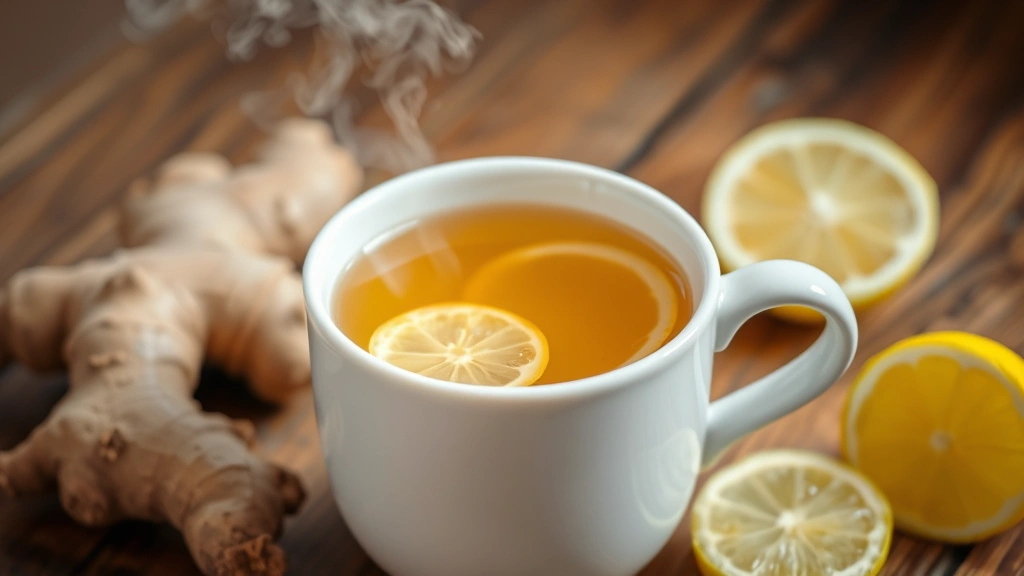
Ginger tea is one of the simplest and most rewarding beverages you can prepare at home. Whether you’re looking to soothe a sore throat, settle an upset stomach, or simply enjoy a warming cup of tea on a cold day, this ancient remedy has been cherished across cultures for centuries. The beauty of making ginger tea at home is that you have complete control over the ingredients, strength, and flavor profile—something you simply cannot achieve with store-bought tea bags or powdered mixes.
This comprehensive guide will walk you through everything you need to know about brewing the perfect cup of ginger tea, from selecting the right ginger root to mastering various preparation methods. Whether you’re a complete beginner or someone looking to refine your technique, you’ll discover practical tips, creative variations, and answers to common questions that will make you a ginger tea expert in no time.
Selecting and Preparing Fresh Ginger Root
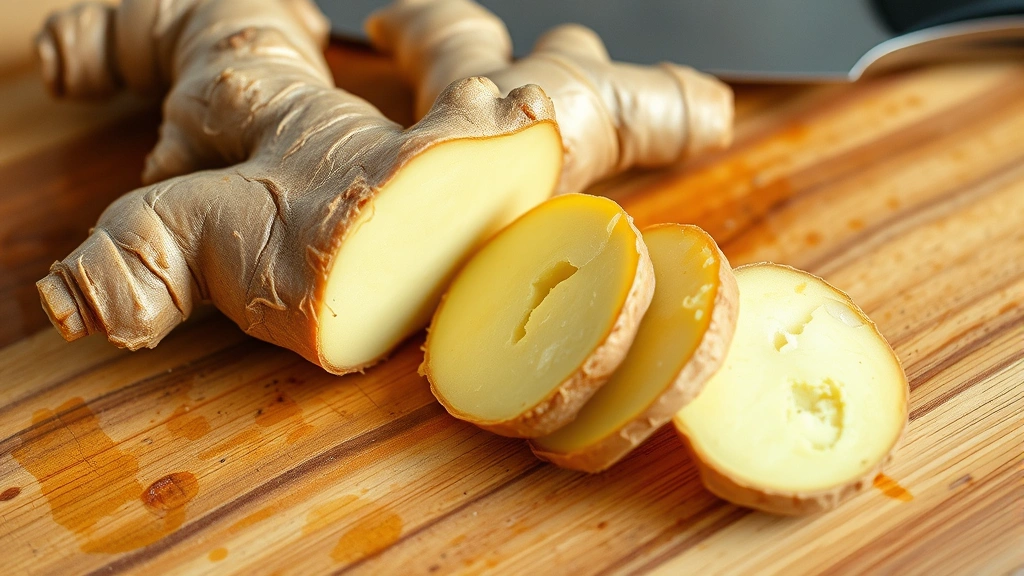
The foundation of exceptional ginger tea begins with choosing quality ginger root. When you visit your local grocery store or farmers market, look for ginger that feels firm and heavy for its size. The skin should be relatively thin and smooth, without wrinkles or soft spots that indicate age or decay. Fresh ginger has a pale, almost translucent appearance under the skin, while older ginger becomes darker and more fibrous.
The size of your ginger piece matters more than you might think. A piece roughly the size of your thumb (about 1 to 2 inches) is ideal for a single serving of tea. Larger pieces will create a more concentrated brew, while smaller pieces will produce a milder flavor. If you prefer stronger ginger tea, simply use a larger piece or add more slices to your cup.
Before preparing your ginger, rinse it thoroughly under cool running water and use a soft brush or cloth to remove any dirt clinging to the surface. You don’t need to peel the ginger—in fact, much of the beneficial compounds and flavor are concentrated in the skin. However, if you prefer a smoother texture or have sensitive digestion, you can use a vegetable peeler or the edge of a spoon to remove the thin outer layer.
Slicing or grating your ginger affects the brewing time and intensity. Thin slices will brew faster and create a more delicate flavor, typically ready in 5-10 minutes. Grated ginger, on the other hand, releases its oils and compounds more quickly, producing a stronger cup in just 3-5 minutes. If you’re using a mortar and pestle to crush the ginger, you’ll maximize the extraction of oils and create the most potent brew possible.
Basic Ginger Tea Recipe
Now that you understand how to select and prepare your ginger, let’s explore the simplest method for how to make ginger tea at home. This basic recipe serves as the foundation for all the variations you’ll discover later.
Ingredients:
- 1 to 2 inches of fresh ginger root, sliced or grated
- 1 cup of filtered water
- Honey or agave nectar (optional)
- Fresh lemon juice (optional)
- Sea salt (pinch)
Instructions:
- Bring one cup of filtered water to a boil in a small saucepan or kettle. Using filtered water prevents chlorine and other chemicals from interfering with the delicate ginger flavor.
- While the water heats, prepare your ginger by slicing or grating it into thin pieces. The smaller the pieces, the faster they’ll infuse.
- Once the water reaches a rolling boil, carefully add your prepared ginger to the pot. The water should bubble and steam immediately, releasing the characteristic pungent aroma of fresh ginger.
- Reduce the heat to medium-low and allow the ginger to simmer for 5-10 minutes, depending on how strong you prefer your tea. Longer steeping times create more intense flavors and maximize health benefits.
- Pour the tea through a fine-mesh strainer into your favorite mug, leaving the ginger solids behind. If you don’t have a strainer, you can use a coffee filter or cheesecloth.
- Add honey and fresh lemon juice to taste. The sweetness of honey balances the spicy notes of ginger, while lemon juice adds brightness and enhances the absorption of beneficial compounds.
- Stir well and allow the tea to cool slightly before sipping. Ginger tea is best enjoyed warm, not piping hot, as this allows your taste buds to fully appreciate the complex flavors.
This straightforward method takes less than 15 minutes from start to finish, making it perfect for busy mornings or when you need quick relief from digestive discomfort. Visit our blog for more wellness recipes and home remedies.
Advanced Brewing Techniques
Once you’ve mastered the basic method, you can explore more sophisticated brewing techniques that unlock even deeper flavors and maximize the therapeutic compounds in your ginger tea.
Cold Brewing Method
Cold brewing is an excellent technique for those who prefer a smoother, less spicy cup of tea. Place your sliced ginger in a glass jar and cover it with room-temperature filtered water. Allow it to infuse for 8-12 hours at room temperature, or overnight in the refrigerator. This slow extraction method produces a naturally sweet, mellow flavor that’s less harsh on sensitive stomachs. The cold brew concentrate can be stored in the refrigerator for up to two weeks and diluted with hot or cold water as needed.
Decoction Method
For maximum potency, use the decoction method, which is traditionally used in Ayurvedic and Chinese medicine. This technique involves simmering the ginger for 15-20 minutes rather than simply steeping it. The extended cooking time breaks down the cell walls of the ginger root, releasing more of the beneficial compounds like gingerol and shogaol. This method creates a stronger, more therapeutic brew that’s particularly effective for addressing inflammation and digestive issues.
Double-Infusion Technique
To create an exceptionally rich ginger tea, try the double-infusion method. After your first 10-minute steep, remove the ginger solids and set them aside. Return the brewed tea to the pot and add fresh ginger slices or grated ginger. Steep for another 5-7 minutes, then strain again. This creates a more complex flavor profile with intensified ginger notes without becoming overly bitter.
Flavor Variations and Enhancements
While plain ginger tea is delicious and beneficial on its own, countless variations can elevate your tea-drinking experience. Here are some popular combinations that complement the natural spice of ginger:
Ginger-Turmeric Golden Milk
Combine ginger with turmeric, cinnamon, and coconut milk for a creamy, anti-inflammatory powerhouse. This ancient Ayurvedic blend has gained popularity in wellness circles for its potential to reduce inflammation and support immune function. Simply prepare your ginger tea as usual, then whisk in ½ teaspoon of turmeric powder, a pinch of black pepper (which enhances turmeric absorption), a cinnamon stick, and ¼ cup of coconut milk. The result is a warming, earthy beverage that’s perfect before bedtime.
Citrus-Ginger Blend
Fresh citrus fruits amplify the refreshing qualities of ginger tea. Add the juice of half a lemon, lime, or orange to your finished brew, or toss citrus slices directly into the pot during steeping. You can also incorporate dried citrus peel—orange, lemon, or grapefruit—which adds subtle sweetness and aromatic complexity. This variation is particularly effective for supporting respiratory health and boosting immunity during cold and flu season.
Mint and Ginger Refresher
Combine fresh ginger with fresh mint leaves for a cooling, digestive-supporting tea that’s equally enjoyable hot or cold. Add a small handful of mint leaves (about 6-8 leaves) to your ginger during the final 2 minutes of steeping. The menthol in mint complements ginger’s spice beautifully and creates a tea that soothes the digestive tract while providing a sensation of freshness.
Honey-Ginger with Cayenne
For those seeking maximum warming and metabolism-boosting properties, add a tiny pinch of cayenne pepper to your ginger tea. The capsaicin in cayenne works synergistically with ginger’s compounds to increase circulation and thermogenesis. This spicy blend is particularly popular among fitness enthusiasts and those seeking natural energy support.
Ginger-Hibiscus Fusion
Dried hibiscus flowers create a beautiful ruby-red tea with tart, slightly floral notes that pair wonderfully with ginger. Steep 1 tablespoon of dried hibiscus flowers with your ginger slices for a tea that’s both visually stunning and packed with vitamin C and antioxidants. This variation is particularly popular in tropical and Caribbean cultures.
Health Benefits and Wellness Uses
Understanding the health properties of ginger tea helps you use this beverage strategically for specific wellness goals. Ginger contains powerful bioactive compounds that have been studied extensively in scientific literature and traditional medicine systems.
Digestive Support
Ginger has long been recognized as a digestive aid, helping to soothe the stomach lining and promote healthy digestion. The compounds in ginger stimulate digestive enzymes and increase saliva production, which facilitates the breakdown of food. Many people find that sipping ginger tea after meals helps prevent bloating, gas, and general digestive discomfort. For best results, drink ginger tea 15-30 minutes after eating, or as needed throughout the day.
Nausea and Motion Sickness Relief
Perhaps ginger’s most well-documented benefit is its ability to reduce nausea. Whether you’re experiencing morning sickness, chemotherapy-related nausea, or motion sickness, ginger tea can provide relief without the side effects of pharmaceutical interventions. Studies have shown that ginger is as effective as some anti-nausea medications for certain types of nausea. Sip ginger tea slowly throughout the day, or drink a cup when you first notice nausea beginning.
Anti-Inflammatory Properties
Chronic inflammation underlies many modern health conditions, from arthritis to heart disease. Ginger contains gingerols and shogaols, compounds with potent anti-inflammatory effects. Regular consumption of ginger tea may help reduce inflammation throughout the body, potentially providing relief for those with inflammatory conditions. The decoction method mentioned earlier maximizes these anti-inflammatory compounds.
Immune System Support
The warming nature of ginger tea, combined with its vitamin C content and antimicrobial properties, makes it an excellent choice during cold and flu season. Combine ginger tea with other immune-supporting ingredients like honey and lemon for maximum benefit. Drink ginger tea daily during winter months or when you’re around sick individuals to help maintain robust immune function.
Circulation and Heart Health
Ginger promotes healthy blood circulation by warming the body and supporting cardiovascular function. The compounds in ginger help relax blood vessels and improve blood flow, which can reduce blood pressure and support heart health. This makes ginger tea an excellent choice for those seeking to maintain cardiovascular wellness naturally.
Storage and Shelf Life
Proper storage ensures that your ginger and ginger tea maintain maximum potency and flavor. Fresh ginger root can be stored in several ways depending on how quickly you plan to use it.
Room Temperature Storage
Fresh ginger keeps well at room temperature for up to one week if stored in a cool, dry place away from direct sunlight. Keep it in a small paper bag or cloth pouch rather than plastic, which can trap moisture and encourage mold growth. A pantry shelf or kitchen cabinet is ideal.
Refrigerator Storage
For longer storage, place unpeeled ginger in a paper towel, wrap it loosely, and store it in the vegetable crisper drawer of your refrigerator. Ginger will keep for 2-3 weeks when stored this way. The cool temperature slows the aging process while the paper towel prevents excess moisture accumulation.
Freezer Storage
For maximum longevity, freeze your ginger. Peel and slice the ginger, then place the pieces in a freezer-safe bag or container. Frozen ginger will last for several months and actually becomes easier to grate when frozen. You can grate frozen ginger directly into your tea without thawing it first.
Brewed Tea Storage
Freshly brewed ginger tea is best consumed within a few hours while it’s still at peak flavor and potency. However, you can store cooled ginger tea in the refrigerator for up to 48 hours in a glass container with a tight-fitting lid. Reheat gently on the stove or in the microwave before drinking. For longer storage, freeze ginger tea in ice cube trays and use the cubes to make iced ginger tea or add them to smoothies.
FAQ
How much ginger should I use for one cup of tea?
A piece of ginger about 1-2 inches long (roughly the size of your thumb) is ideal for a single serving. If you prefer stronger tea, use up to 3 inches of ginger. For milder tea, use just ½ inch. You can always adjust based on your personal preference.
Can I use ground ginger powder instead of fresh ginger root?
Yes, ground ginger powder can be used, though fresh ginger offers superior flavor and potency. Use about ¼ to ½ teaspoon of dried ginger powder per cup of water. Since dried ginger is more concentrated than fresh, start with less and add more to taste. Dried ginger doesn’t require straining and dissolves directly into hot water.
Is it safe to drink ginger tea every day?
For most people, drinking 1-3 cups of ginger tea daily is safe and beneficial. However, those taking blood-thinning medications, those pregnant, or those with certain medical conditions should consult their healthcare provider before consuming large quantities of ginger. Moderation is key, and ginger is best viewed as a complement to, not a replacement for, professional medical care.
Why does my ginger tea taste bitter?
Bitter flavor typically results from over-steeping. If you’ve steeped your ginger for more than 15 minutes, it may taste unpleasantly bitter. Try reducing steeping time to 5-10 minutes. Additionally, using older ginger root or ginger that’s been damaged can produce bitter flavors. Always select fresh, firm ginger and store it properly.
Can I make ginger tea in bulk?
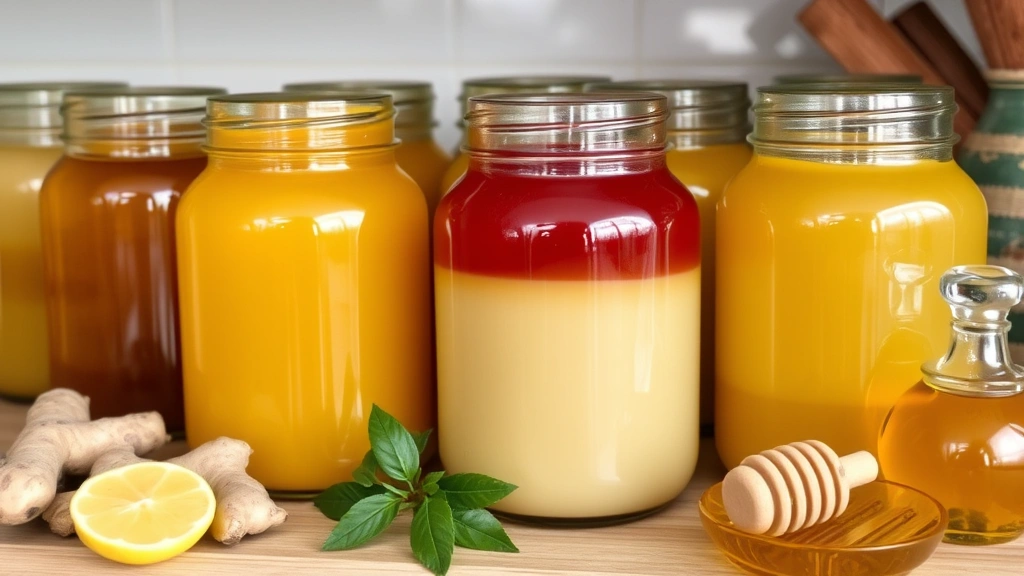
Absolutely. Prepare a large pot of ginger tea using multiple pieces of ginger and store the cooled brew in glass jars in the refrigerator for up to 48 hours. You can reheat portions as needed throughout the week. Alternatively, make a ginger tea concentrate by using extra ginger and less water, then dilute with hot water each time you want a fresh cup.
What’s the best time to drink ginger tea?
Ginger tea can be enjoyed anytime, but many people find it most beneficial after meals to support digestion, or in the morning to energize and warm the body. For sleep support, drink ginger tea 1-2 hours before bedtime. If you’re using it for nausea, sip it slowly throughout the day as needed.
How does ginger tea compare to other home remedies?
Ginger tea is one of the most versatile and well-researched home remedies available. While you might explore other home preparation techniques, ginger tea stands out for its simplicity, affordability, and broad applicability to various health concerns. It works well alongside other remedies and complements a holistic wellness approach.

Related Posts

Superscript in Google Docs: Expert Tips

Strikethrough in Excel: Easy Steps for Beginners
