

How to Get Rid of Man Bob: Expert Tips
How to Get Rid of Man Boob: Expert Tips for Chest Definition
Let’s be honest—dealing with unwanted chest fat is frustrating. Whether you’ve noticed a little extra padding under your shirt or you’re looking to sculpt a more defined chest, you’re not alone. Man boob, or gynecomastia in medical terms, affects countless men at different life stages, and the good news is that it’s absolutely manageable with the right approach.
The journey to a firmer, more confident chest doesn’t require expensive surgery or miracle supplements. Instead, it combines smart nutrition, targeted exercise, lifestyle adjustments, and sometimes professional guidance. This comprehensive guide breaks down everything you need to know to tackle this challenge head-on and achieve the results you’re after.
Whether your situation stems from weight gain, hormonal imbalance, or genetics, we’ve got practical strategies that actually work. Let’s dive into the science and the solutions.
Understanding Man Boob: What’s Really Happening
Before jumping into solutions, it helps to understand what you’re actually dealing with. Man boob typically falls into two categories: pseudogynecomastia and true gynecomastia. Pseudogynecomastia is simply excess fat tissue on the chest, often connected to overall body weight. True gynecomastia involves actual glandular tissue growth, usually triggered by hormonal imbalances.
Most cases people encounter are pseudogynecomastia, which responds beautifully to fat loss and muscle building. The chest is an area where men naturally store fat, especially as they age or gain weight. Genetics play a role too—some guys deposit fat in the midsection, while others tend to carry it on their chest. If you’re wondering whether you’re also dealing with other stubborn fat deposits, learning how to get rid of love handles uses similar principles.
The encouraging part? Most men see noticeable improvements within 8-12 weeks of consistent effort. Your body responds quickly to the right stimulus, especially when you’re targeting a specific area with purpose.
Nutrition Strategy: Eating Your Way to Definition
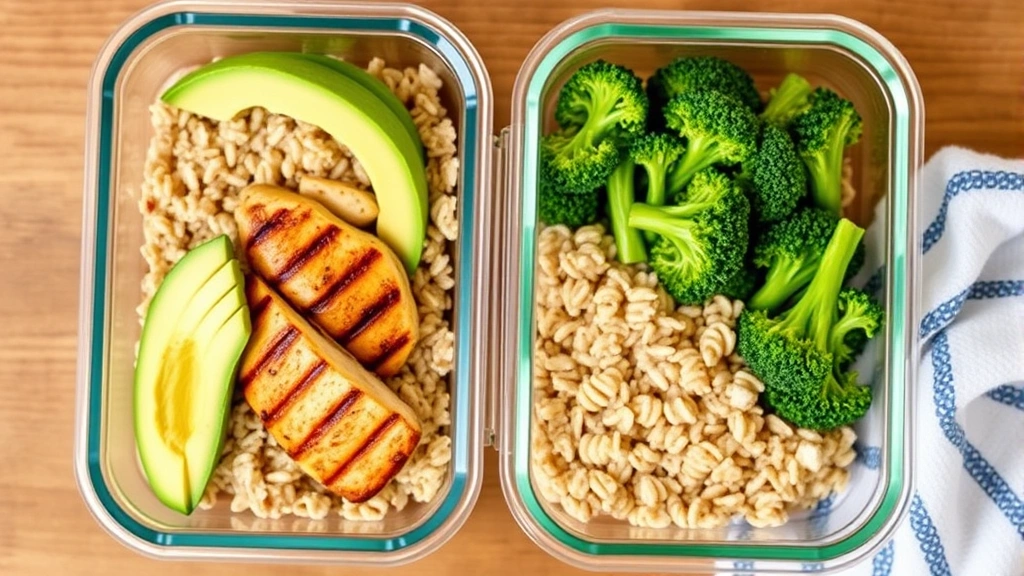
You cannot out-exercise a poor diet, and this is especially true for chest fat. Creating a caloric deficit is non-negotiable if you want to lose fat. This doesn’t mean starving yourself—it means eating strategically.
Calculate Your Baseline Caloric Needs
Start by determining how many calories you currently eat to maintain your weight. Use online calculators or track your food for a week to establish your baseline. Once you know this number, aim for a 300-500 calorie deficit. This approach leads to steady fat loss without destroying your metabolism or muscle mass.
Prioritize Protein
Protein is your best friend when losing fat. It preserves muscle during caloric deficit, keeps you fuller longer, and has a higher thermic effect than other macronutrients. Aim for 0.8-1 gram of protein per pound of body weight daily. This means chicken, fish, lean beef, eggs, Greek yogurt, and protein powder should feature prominently in your meals.
Choose Quality Carbs and Fats
Don’t eliminate carbs or fats—just choose wisely. Whole grains, oats, sweet potatoes, and brown rice provide sustained energy for your workouts. Healthy fats from avocados, nuts, olive oil, and fatty fish support hormone production, which matters for your overall physique goals. If you’re also looking to build muscle elsewhere, understanding how to bulk helps you see the bigger picture of body composition.
Hydration and Alcohol
Drink water consistently throughout the day. Proper hydration supports metabolism and helps your body function optimally. Simultaneously, reduce alcohol consumption. Beer and mixed drinks add empty calories and can contribute to fat storage, particularly in the chest area. This doesn’t mean complete abstinence, but moderation matters.

Targeted Exercises for Chest Development
Exercise serves two purposes: it burns calories to create your deficit, and it builds chest muscle to create definition. You need both components for optimal results.
Chest-Building Exercises
Start with compound movements that engage your entire chest:
- Barbell Bench Press: The gold standard for chest development. Perform 3-4 sets of 6-8 reps with heavy weight. This builds dense muscle tissue that shows through fat.
- Incline Dumbbell Press: Targets the upper chest, creating more complete development. Use 3 sets of 8-10 reps.
- Cable Flyes: Isolates the chest muscle with constant tension. Perform 3 sets of 12-15 reps for the pump and metabolic effect.
- Dips: A bodyweight exercise that’s incredibly effective. Do 3 sets to near-failure, using assistance if needed initially.
Cardio for Fat Loss
While strength training builds muscle, cardio burns calories and fat. Incorporate 3-4 sessions weekly of moderate-intensity cardio: jogging, cycling, rowing, or swimming. If you want to maximize time efficiency, high-intensity interval training works wonders. Sprinting for 30 seconds followed by 90 seconds of recovery, repeated for 15-20 minutes, burns significant calories and triggers metabolic adaptation. For runners specifically, learning how to run faster can make your cardio sessions more effective and engaging.
Progressive Overload
Don’t just go through the motions. Increase weight, reps, or sets each week. Your muscles adapt quickly, so constant progression is essential. Track your workouts and push yourself slightly harder each session.
Lifestyle Factors That Make a Difference
Beyond diet and exercise, several lifestyle factors significantly impact your results.
Sleep Quality
Most people underestimate sleep’s importance. During sleep, your body recovers, hormones regulate, and fat loss hormones (like leptin) function properly. Aim for 7-9 hours nightly. Poor sleep increases cortisol, promotes fat storage, and makes fat loss harder. Establish a consistent sleep schedule and create a dark, cool bedroom environment.
Stress Management
Chronic stress elevates cortisol levels, which promotes visceral fat storage—exactly where you don’t want it. Incorporate stress-reduction practices: meditation, deep breathing exercises, yoga, or simply spending time outdoors. Even 10 minutes daily of intentional relaxation helps.
Temperature and Cold Exposure
Cold exposure activates brown adipose tissue, which burns calories to generate heat. This doesn’t mean ice baths are mandatory, but taking cooler showers or spending time in cool environments provides a minor metabolic boost. It’s not a game-changer alone, but it’s a useful tool in your arsenal.
Clothing Choices
While you’re working on your chest, strategic clothing helps. Darker colors, vertical patterns, and well-fitted clothes create a slimmer appearance. If you’re also concerned about other appearance issues, how to shrink clothes might help you get the perfect fit while you’re transforming your physique.
Hormonal Considerations and When to Seek Help
If you’ve been consistently following a proper diet and exercise routine for 12+ weeks without results, hormonal factors might be at play. True gynecomastia can result from estrogen dominance, low testosterone, thyroid issues, or medication side effects.
Get Bloodwork Done
Visit your doctor and request comprehensive hormonal testing. This includes testosterone, estrogen, prolactin, and thyroid function. Many men discover underlying issues that, once addressed, dramatically improve their physique. According to Mayo Clinic’s information on gynecomastia, proper diagnosis is crucial before pursuing treatment.
Medication Review
Certain medications can contribute to chest fat or gynecomastia. If you’re taking medications for other conditions, discuss potential side effects with your doctor. Sometimes switching medications resolves the issue entirely.
Professional Options
If true gynecomastia is confirmed and lifestyle changes aren’t sufficient, surgical options exist. Liposuction removes excess fat, while glandular tissue removal addresses true tissue growth. These are last-resort options, but they’re effective when warranted. Always consult with a board-certified plastic surgeon for realistic expectations.
The American Society of Plastic Surgeons provides comprehensive information on male breast reduction procedures if you’re considering this route.
Frequently Asked Questions
How long does it take to get rid of man boob?
Most men see noticeable improvements within 8-12 weeks of consistent diet and exercise. Significant transformation typically takes 3-6 months. The timeline depends on your starting point, genetics, and consistency. Those with pseudogynecomastia usually see faster results than those with true gynecomastia.
Can you target fat loss specifically on the chest?
Unfortunately, spot reduction doesn’t work. Your body loses fat in a genetically determined pattern. However, building chest muscle creates definition and improves appearance regardless of remaining fat. Combine overall fat loss with chest-specific strength training for best results.
Is surgery necessary for man boob?
Surgery is rarely necessary. Most cases respond well to diet, exercise, and lifestyle changes. Surgery is typically reserved for true gynecomastia that hasn’t responded to conservative treatment or causes significant psychological distress. Always exhaust natural methods first.
What role does testosterone play?
Testosterone helps regulate fat distribution and supports muscle growth. Low testosterone can contribute to chest fat accumulation. If bloodwork reveals low levels, your doctor might recommend testosterone replacement therapy. This should only be done under medical supervision.
Can supplements help with man boob?
Supplements alone won’t eliminate chest fat, but certain ones support your efforts. Protein powder helps you meet protein targets conveniently. Caffeine boosts metabolism slightly. Omega-3 supplements support hormone balance. However, supplements complement—not replace—proper diet and exercise.
Does weight training make gynecomastia worse?
No. Properly executed strength training is essential for chest development and overall fat loss. Heavy compound movements build dense muscle tissue that improves appearance. The key is combining strength training with adequate cardio and caloric deficit.
What about natural remedies or herbs?
While certain herbs have mild estrogenic or androgenic properties, their effects are minimal compared to comprehensive lifestyle changes. Save your money and focus on proven methods: caloric deficit, strength training, and quality sleep. These have the most dramatic impact.
For more detailed guidance on body composition, Family Handyman and other fitness resources offer additional perspectives on health optimization. Additionally, how to get rid of strawberry legs demonstrates that body confidence improvements extend beyond one area—it’s about overall self-care.
Should I avoid certain foods?
Avoid ultra-processed foods, excessive sugar, and liquid calories. These derail your caloric deficit and provide minimal nutrition. Focus on whole foods: lean proteins, vegetables, fruits, and whole grains. This approach naturally keeps you in a deficit while supporting your training.

Related Posts

How Long to Boil Lobster Tails: Cooking Guide

How Long to Fly from New York to London? Travel Times
