
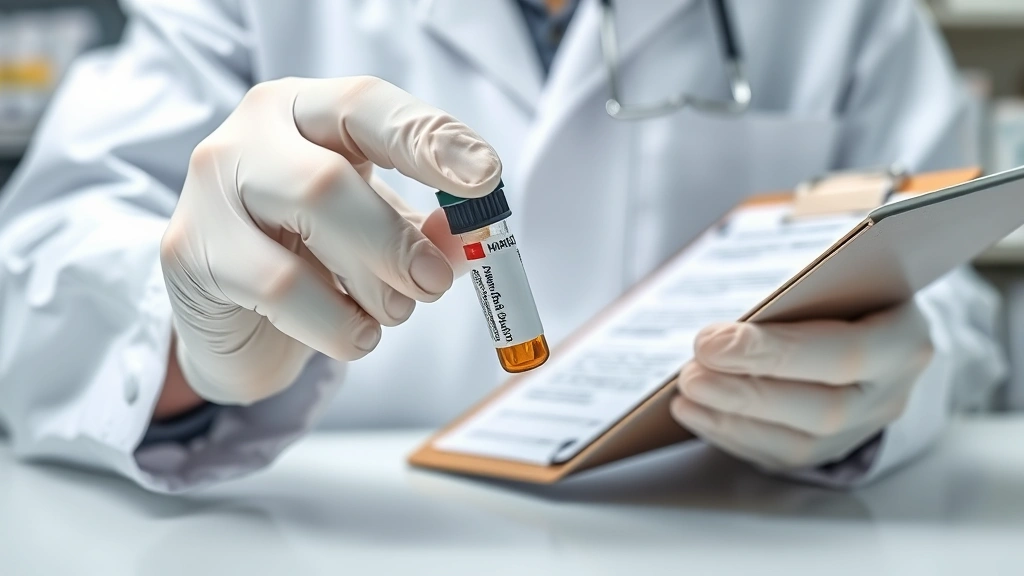
Dispute False Positive Drug Test: Expert Tips
How to Dispute a False Positive Drug Test: Expert Tips and Legal Strategies
A positive drug test result can feel devastating, especially when you know you haven’t used the substance detected. False positives happen more often than many people realize, occurring due to laboratory errors, cross-contamination, medication interactions, or testing equipment malfunctions. Whether you’re facing employment consequences, legal issues, or medical concerns, understanding how to dispute a false positive drug test is critical to protecting your rights and reputation.
The process of challenging a drug test result requires knowledge, documentation, and strategic action. This comprehensive guide walks you through the evidence-gathering process, testing options, and legal approaches to successfully overturn an incorrect result. By following these expert-backed steps, you’ll be equipped to mount an effective defense and restore your credibility.
Understanding False Positives in Drug Testing
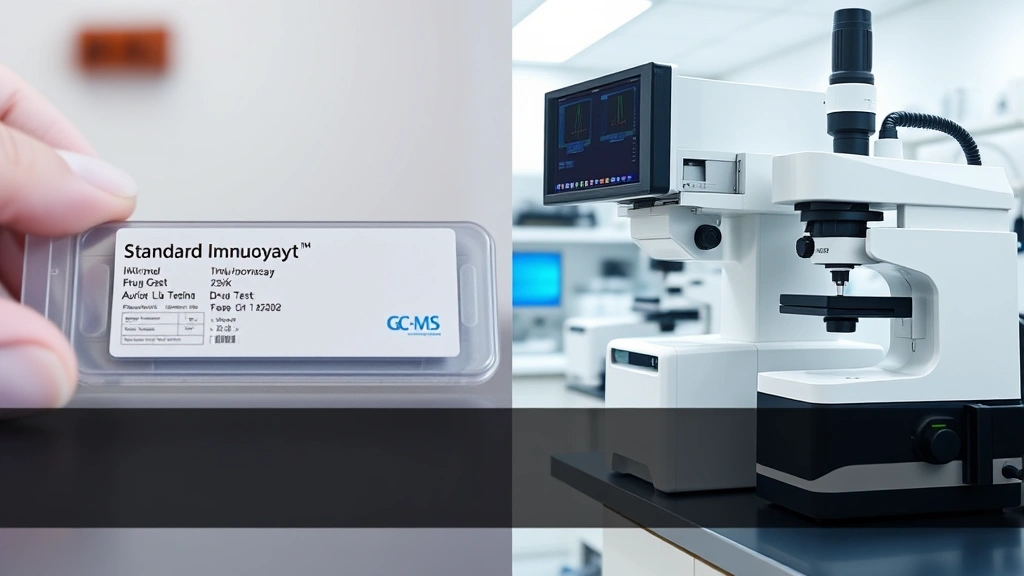
False positive drug tests occur when a test incorrectly indicates the presence of an illegal or controlled substance when none was actually consumed. The accuracy of drug tests varies significantly depending on the testing method used. Immunoassay screening tests, commonly used as initial screening tools, have false positive rates between 5-15%, making them prone to errors. These preliminary tests work by detecting antibodies that bind to drug metabolites, but they can cross-react with similar compounds from medications, supplements, or foods.
Common causes of false positives include over-the-counter medications like ibuprofen or cold remedies, prescription medications such as certain antihistamines or antidepressants, and even dietary substances like poppy seeds or hemp products. Additionally, laboratory contamination, improper sample handling, or faulty equipment calibration can produce inaccurate results. Understanding these mechanisms is essential when building your dispute case, as you’ll need to identify which factor likely caused your false positive.
The testing industry operates under varying levels of regulation depending on your location and the type of test. Employment-related drug tests in the United States are governed by SAMHSA (Substance Abuse and Mental Health Services Administration) guidelines for federally regulated positions, while other tests may follow less stringent standards. Understanding which regulations apply to your situation strengthens your ability to challenge results that don’t meet proper standards.

Immediate Steps After Receiving a Positive Result
Your first response to a positive drug test result should be measured and strategic. Don’t panic or admit to anything, and avoid making statements that could be used against you later. Instead, request written documentation of the test results immediately. Ask for the specific substance detected, the testing method used, and the laboratory’s name and certification status. This information forms the foundation of your dispute.
Document everything about the testing process: the date, time, location, and names of individuals present during the test. Note any unusual circumstances—such as improper chain of custody procedures, contamination risks, or irregularities in how the sample was collected. If you were observed during the test, note who was present and their behavior. These details can be critical evidence if you need to challenge the test’s validity.
Immediately begin compiling a list of all medications you’re currently taking, including over-the-counter drugs, supplements, and herbal remedies. Include the dosages and dates you started taking each substance. This documentation will be essential when explaining how legitimate substances in your system could have triggered a false positive. Additionally, note any recent dietary choices, such as consuming poppy seed foods or hemp-containing products, which have known associations with false positives.
Request Confirmation Testing
The most powerful tool in disputing a false positive is requesting confirmation testing using a more accurate method. Most reputable testing facilities employ a two-step process: an initial immunoassay screening followed by confirmation testing using Gas Chromatography-Mass Spectrometry (GC-MS) or Liquid Chromatography-Mass Spectrometry (LC-MS). If your original test used only immunoassay screening, you have strong grounds to demand confirmation testing.
GC-MS and LC-MS are highly specific tests that identify the exact molecular structure of substances, making false positives extremely rare (less than 1% when properly conducted). Request that your original sample be tested using GC-MS, or request that a new sample be collected and tested with the more accurate method. Ensure that proper chain of custody procedures are followed throughout this process—the sample must be properly sealed, labeled, and tracked from collection through testing.
If the laboratory refuses to conduct confirmation testing, this refusal itself becomes evidence of improper procedure. Document this refusal in writing and keep records of all communication. Many employment disputes and legal cases have been won based on a facility’s failure to provide appropriate confirmation testing when requested. You have the right to know whether your positive result was confirmed using the gold standard testing methods.
When requesting confirmation testing, specify that you want the test performed at an independent laboratory, not the same facility that conducted the initial test. This eliminates any potential bias and ensures impartial analysis. Request a copy of the confirmation test results and all supporting documentation, including quality control data and the technician’s notes. This transparency is your right and essential to your defense.
Gather Medical and Medication Documentation
Building a strong defense requires comprehensive documentation of all substances in your system that could explain the positive result. Contact your healthcare provider and request detailed medical records, including a complete medication history for the period before your test. Ask your doctor to provide written explanations of how each medication you’re taking could potentially cause a false positive for the detected substance.
Many prescription and over-the-counter medications can trigger false positives. For example, certain antihistamines can produce positive results for amphetamines, some pain relievers can cross-react with cannabinoids, and certain antibiotics can show up as opioids. Your doctor’s documentation of these cross-reactions, supported by medical literature and pharmacy records, becomes crucial evidence in your dispute.
Request pharmacy records showing exact dates, dosages, and refill information for all medications. These official records carry significant weight in disputes because they’re independently maintained and difficult to refute. Include receipts for any over-the-counter medications or supplements you purchased around the time of your test. For prescription medications, ask your pharmacist to provide information about known false positive interactions—many pharmacy systems include this data.
If you consume dietary items known to cause false positives, such as poppy seed foods, document your consumption. Save receipts from purchases, photograph food labels, and note consumption dates. While this might seem minor, when combined with other evidence, it strengthens your overall case. Create a detailed timeline showing when you consumed these items relative to your drug test date.
Understand Your Legal Rights
Your legal rights regarding drug testing vary depending on the context—employment, legal proceedings, or medical testing. In employment situations, many jurisdictions require employers to follow specific procedures before administering drug tests and mandate proper handling of results. If your employer violated these procedures, you may have grounds for legal action or at minimum grounds to challenge the result’s validity.
In the United States, employees in safety-sensitive positions (such as transportation or healthcare) may be subject to federal drug testing regulations. These regulations require specific testing procedures, confirmation methods, and documentation standards. If your employer failed to follow these regulations, the test result may be inadmissible and challengeable. Consult with an employment attorney to understand the specific regulations governing your situation.
If you’re facing criminal charges or legal consequences based on a positive drug test, you have the right to challenge the test’s validity through legal discovery processes. Your attorney can request all documentation related to the test, including laboratory certifications, technician qualifications, equipment maintenance records, and quality control data. Any deficiencies in these areas can be grounds for excluding the test result from legal proceedings.
Medical professionals also have obligations regarding drug testing accuracy. If a positive test was used to deny you medical treatment or to make assumptions about your health, you can request that the medical facility explain their testing procedures and provide confirmation results. Many medical malpractice claims have been based on improper drug testing procedures that led to incorrect treatment decisions.
Working with Testing Laboratories
Understanding how to interact effectively with testing laboratories increases your chances of successfully disputing a false positive. Start by identifying the laboratory that conducted your test and verifying their credentials. Check whether they’re certified by SAMHSA, the Clinical Laboratory Improvement Amendments (CLIA), or other relevant accrediting bodies. Laboratories without proper certification may have conducted your test under improper standards.
Request a complete copy of your test results, including all raw data, quality control information, and the technician’s notes. Laboratories are typically required to provide this information upon request. Review the documentation carefully for any inconsistencies, missing information, or signs of improper procedure. Look for evidence of proper chain of custody documentation, which should show who handled your sample at each step.
If you identify irregularities in the laboratory’s procedures, request a written explanation. Ask specifically about their quality control procedures, how often equipment is calibrated, and what training technicians receive. Request copies of the laboratory’s accreditation certificates and any recent inspection reports. These documents often reveal a pattern of issues at problematic facilities.
Consider hiring an independent laboratory consultant or expert witness who can review your test results and identify technical issues. These experts can analyze whether proper procedures were followed and whether the equipment and methods used meet industry standards. Expert analysis often reveals problems that aren’t immediately apparent to non-specialists, significantly strengthening your dispute case.
Building Your Defense Case
Successfully disputing a false positive requires organizing all your evidence into a compelling narrative. Create a comprehensive timeline that includes the test date, your medication schedule, any dietary factors, and the exact procedures followed during testing. This timeline should clearly show how legitimate substances in your system could have produced the false positive result.
Compile all documentation into organized sections: medical records and doctor’s letters, pharmacy documentation, medication receipts, laboratory certifications and procedures, confirmation test results, and expert analysis. Create a summary document that explains your case in clear, non-technical language. This document should outline what happened, why the result is likely false, what evidence supports your position, and what corrective actions you’re requesting.
When presenting your case to employers, medical facilities, or legal representatives, remain professional and factual. Avoid emotional language or accusations; instead, focus on the technical and procedural issues that cast doubt on the test result. Present your evidence in order of strength, starting with confirmation testing results and moving through supporting documentation.
If you’re working with an attorney, provide them with all documentation and expert analysis. Your attorney can determine whether you have grounds for legal action, whether the test result should be excluded from legal proceedings, or whether you can pursue damages for wrongful accusation. Many cases of false positive disputes are successfully resolved through legal channels when proper procedures weren’t followed.
Document all communication with employers, testing facilities, or legal representatives. Keep copies of emails, letters, and notes from conversations. This communication record demonstrates your good-faith efforts to resolve the dispute and can be valuable evidence if the matter escalates to legal proceedings.
FAQ
How long does it take to dispute a false positive drug test?
The timeline varies depending on the complexity of your case and the responsiveness of the testing facility or employer. Simple disputes with clear confirmation testing results might be resolved within weeks. More complex cases involving legal proceedings can take months or even years. Act quickly to request confirmation testing, as delays can make it harder to gather evidence and may affect your legal options.
Can I request a retest if I already received a positive result?
Yes, you have the right to request confirmation testing using your original sample or a new sample. However, act quickly—many facilities have policies about how long they retain samples. If your original sample has been discarded, request that a new test be conducted. Document any refusal to conduct testing or to retain samples, as this refusal strengthens your dispute case.
What should I do if my employer won’t listen to my dispute?
If your employer dismisses your dispute without proper consideration, consult with an employment attorney. You may have grounds for legal action, particularly if the employer violated proper testing procedures or failed to conduct confirmation testing. Many employment lawyers offer free initial consultations and can advise you on your options.
How accurate is confirmation testing?
When properly conducted, GC-MS and LC-MS confirmation testing are extremely accurate, with false positive rates below 1%. These methods identify the exact molecular structure of substances, making false results extremely rare. If confirmation testing confirms the original positive result, you’ll need to explore other explanations, such as medication interactions or contamination during sample collection.
Can I sue for a false positive drug test?
Depending on your circumstances, you may have grounds for legal action. If a testing facility used improper procedures, failed to conduct confirmation testing, or violated regulations, you might pursue claims for negligence, breach of contract, or violation of employment laws. If a positive result damaged your reputation or employment, you might have additional claims. Consult with an attorney who specializes in employment or medical malpractice law to evaluate your specific situation.
What if I tested positive for multiple substances?
Multiple positive results require more comprehensive explanation but don’t necessarily weaken your case. It’s possible that multiple medications or dietary factors could trigger false positives for several substances. Request confirmation testing for each substance detected. If confirmation testing is negative or shows lower levels than expected, this supports your false positive claim. An expert can analyze whether the pattern of results is consistent with actual drug use or more likely reflects testing errors.

Related Posts

Superscript in Google Docs: Expert Tips

Strikethrough in Excel: Easy Steps for Beginners
