
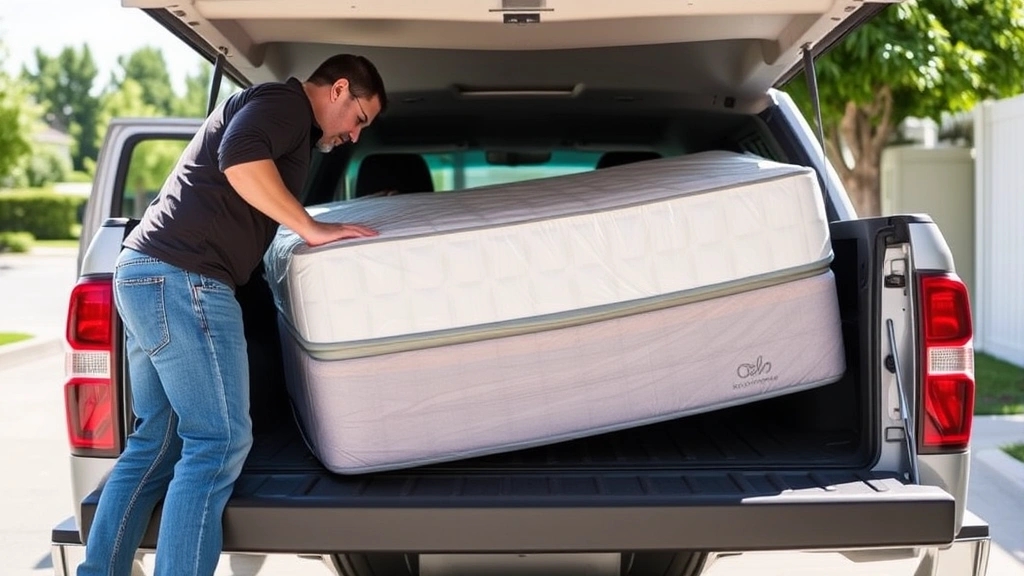
Mattress Disposal Tips: Expert Methods Explained
Mattress Disposal Tips: Expert Methods Explained
Disposing of an old mattress might seem straightforward, but it’s actually more complex than simply leaving it curbside for trash pickup. Most municipalities prohibit mattresses in regular garbage because they take up significant landfill space and contain materials that can be recycled or reused. Whether you’re replacing a worn-out bed frame or upgrading to a new sleep surface, understanding your disposal options ensures you handle this bulky item responsibly while following local regulations.
A typical mattress weighs between 50 and 150 pounds and measures roughly 54 by 75 inches, making it one of the largest items most homeowners discard. The good news is that you have several legitimate disposal methods available, from donation programs to recycling facilities. This comprehensive guide walks you through each option, helping you choose the best approach for your situation and local area.
Check Local Regulations and Restrictions
Before taking any action, contact your local waste management authority or sanitation department. Many cities and counties have specific rules about mattress disposal. Some areas prohibit mattresses in curbside trash entirely, while others allow them only on designated collection days. Understanding these regulations prevents fines and ensures you’re following the law.
Visit your municipal government website or call your waste management provider directly. Ask about:
- Whether mattresses are accepted in regular trash collection
- If special bulk item pickup days exist in your area
- Which recycling facilities accept mattresses
- Any fees associated with disposal services
- Local donation centers that take used mattresses
Some regions have implemented mattress recycling laws that require retailers to handle old mattresses when delivering new ones. This is particularly common in states like California, New York, and Connecticut. If you purchased your new mattress from a retailer, ask if they offer haul-away services as part of your purchase agreement. Many furniture stores and mattress retailers include this service at no extra charge or for a modest fee.

Donate Your Mattress
If your mattress is still in good condition—clean, free of stains, and structurally sound—donation is an excellent option. This keeps usable items out of landfills while helping people in need. Before donating, inspect the mattress thoroughly for:
- Bed bugs or other pest infestations
- Permanent stains or odors
- Sagging, broken springs, or foam deterioration
- Rips, tears, or damaged covering
Most organizations won’t accept mattresses with visible damage or cleanliness issues. If your mattress passes inspection, consider these donation outlets:
- Goodwill and Salvation Army: Many locations accept mattresses, though policies vary by store. Call ahead to confirm and arrange pickup or drop-off
- Local homeless shelters: Contact shelters in your area; they often need furniture donations
- Women’s and family crisis centers: These organizations frequently accept mattress donations for residents
- Churches and religious organizations: Many maintain benevolence programs that distribute furniture to families in need
- Furniture banks: Nonprofit organizations in many cities collect and redistribute furniture to low-income families
- Habitat for Humanity ReStore: This program accepts gently used furniture and building materials
When contacting organizations, be honest about your mattress’s condition. Providing accurate information ensures donations go to appropriate recipients. Many charities offer free pickup for larger items like mattresses, saving you transportation hassles. Schedule pickup in advance and ensure someone is home during the designated timeframe.
Sell Your Old Mattress
For relatively new or higher-quality mattresses, selling can recoup some of your original investment. Online marketplaces and local classified platforms make this surprisingly easy. Popular options include:
- Facebook Marketplace: Reach local buyers without shipping costs; the platform’s built-in messaging system facilitates communication
- Craigslist: A long-established platform for local sales; use caution and meet in safe, public locations
- OfferUp and Letgo: Mobile-first marketplaces popular for local transactions
- eBay: Better for specialty or premium mattresses; shipping costs can be substantial
To successfully sell your mattress:
- Clean it thoroughly and photograph it from multiple angles with good lighting
- Highlight the brand, model, size, and age in your listing
- Be transparent about any wear, stains, or imperfections
- Set a competitive price by researching comparable listings
- Offer local pickup only unless you’re confident about shipping logistics
- Respond promptly to inquiries and provide additional photos if requested
- Meet buyers during daylight hours in safe locations
Be prepared for lower offers, as many buyers expect used mattress discounts. Pricing expectations typically range from 20-40% of the original retail price, depending on age and condition. Selling works best for mattresses less than five years old from reputable brands.
Recycle at Facilities
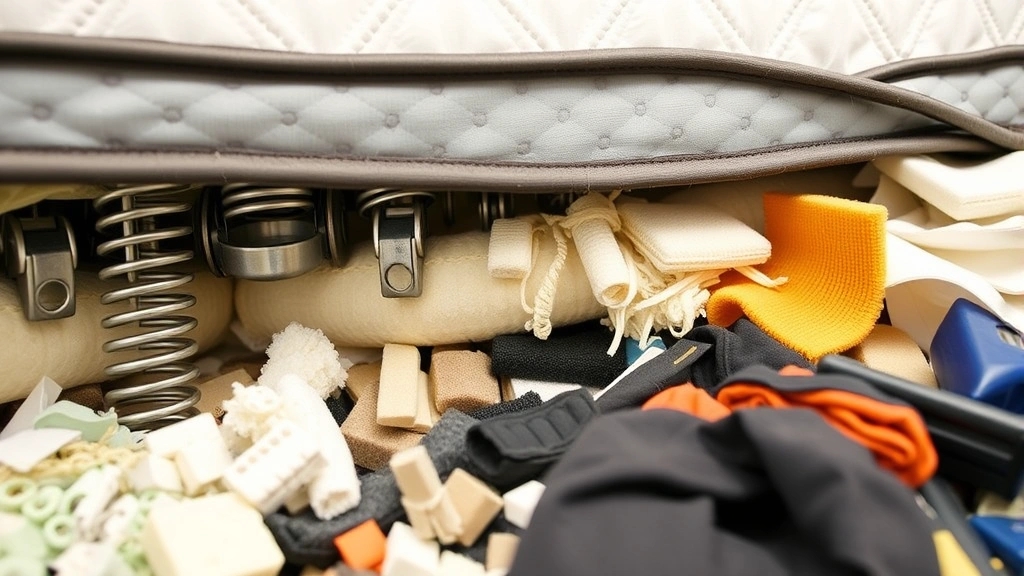
Mattress recycling facilities break down old mattresses into component materials: steel springs, foam, wood, and fabric. These materials are then reused in manufacturing new products, reducing landfill waste significantly. Finding a recycling facility requires some research, but the environmental benefits make the effort worthwhile.
Start by visiting Earth911.com or searching “mattress recycling near me” in your area. Many recycling centers maintain searchable databases of accepted items. Some facilities charge a small fee—typically $5-$15—for mattress recycling, though some accept them free of charge.
When contacting recycling facilities, confirm:
- Whether they accept residential mattresses
- Hours of operation and appointment requirements
- Any fees involved
- Whether you can drop off or if they offer pickup
- What materials they accept (some facilities also take box springs and bed frames)
Prepare your mattress for drop-off by wrapping it in plastic if possible. This contains any dust or debris and makes handling easier for facility workers. Remove any bed linens or protective coverings you’ve used. If you’re delivering the mattress yourself, ensure your vehicle can accommodate its size, or consider renting a truck for larger vehicles.
Haul It Away Yourself
If you have access to appropriate transportation, hauling your mattress away yourself offers control and usually costs nothing beyond fuel. This option works best if you have a truck, SUV, or access to a rental vehicle large enough to accommodate the mattress safely.
Steps for self-hauling:
- Secure proper transportation: Verify your vehicle’s interior dimensions against the mattress size. Most full-size and queen mattresses require truck beds or large SUVs with seats folded down
- Wrap the mattress: Use plastic sheeting or a mattress bag to contain dust and protect your vehicle’s interior
- Load safely: Place the mattress with the largest surface area against the vehicle bed or floor. Avoid standing it on edge, which stresses the internal structure
- Secure the load: Use tie-down straps or rope to prevent shifting during transport. If the mattress extends beyond your vehicle, use a red flag or reflective tape on the protruding end
- Drive carefully: Take corners slowly and avoid sudden stops, which can shift unsecured loads
- Unload properly: Lift with your legs, not your back, when removing the mattress. Get help if needed; mattresses are bulky and awkward to handle alone
Common destinations for self-haul disposal include landfills, transfer stations, or recycling facilities. Call ahead to confirm hours and any fees. Some facilities charge by weight or item, while others offer free disposal on specific days. Bring proof of residency if required.
Hire Professional Removal Services
Professional junk removal companies handle the entire process, from pickup to disposal. This convenience-focused option eliminates physical labor and uncertainty about proper disposal methods. Services like 1-800-GOT-JUNK, Junk King, and local independent haulers operate in most areas.
The process typically involves:
- Contacting the service and scheduling an appointment
- Providing a description of the mattress and any other items for removal
- Receiving a quote based on volume and local disposal fees
- Having professionals arrive at your home to pick up the mattress
- Paying the agreed-upon fee
Costs vary by location and service provider, typically ranging from $50-$200 for a single mattress. While more expensive than DIY options, professional removal offers convenience and ensures proper disposal. Some services donate or recycle items when possible, aligning with environmentally conscious goals.
When choosing a removal service, verify they’re licensed, insured, and have positive customer reviews. Ask about their disposal practices—whether they donate usable items or prioritize recycling. Compare quotes from multiple providers before committing.
Bulk Trash Pickup Options
Many municipalities offer scheduled bulk item pickup for residents, often included in regular trash service or available for a modest fee. Contact your waste management provider to learn about your area’s program specifics.
Typical bulk pickup programs work like this:
- Call or submit an online request specifying items for pickup
- Place the mattress at the curb on the designated collection day
- Ensure the item is accessible and not blocking traffic or utilities
- Wait for collection trucks to arrive
Important considerations:
- Timing: Most programs schedule pickups monthly or seasonally, not weekly. Plan ahead if you need quick disposal
- Placement: Follow specific instructions about curb placement to avoid fines
- Preparation: Some programs require items to be wrapped or contained
- Size limits: Confirm your mattress meets program size restrictions
- Fees: While many programs are free, some charge per item or require annual registration
This option works well if you’re not in a hurry and want a simple, cost-effective solution. However, if you need immediate disposal, other methods may be more practical.
FAQ
Can I put a mattress in the trash?
In most areas, no. Many municipalities prohibit mattresses in regular curbside trash due to their size and the burden on landfills. Check your local waste management regulations before attempting this. Violating disposal rules can result in fines or your trash not being collected.
How much does mattress disposal cost?
Costs vary significantly by method. Donation and selling are free (or profitable). Recycling facilities typically charge $5-$15. Professional removal services range from $50-$200. Bulk pickup programs may be free or cost $10-$30 per item. Research local options to find the most economical solution for your situation.
Will retailers remove my old mattress?
Many mattress retailers and furniture stores offer haul-away services when delivering new purchases. Some include this free; others charge a fee. Always ask before purchasing and clarify what’s included in the delivery agreement. This service is often the most convenient option when buying a replacement mattress.
How do I know if my mattress is suitable for donation?
Mattresses must be clean, free of stains and odors, and structurally sound for donation. Check for bed bugs, mold, or pest damage. If the mattress sags significantly, has broken springs, or has visible tears, it’s not suitable for donation. Most organizations inspect items before accepting them.
Can I recycle my mattress?
Yes, most areas have recycling facilities that accept mattresses. Search Earth911.com or contact your local waste management authority for nearby options. Recycling breaks mattresses into component materials—steel, foam, wood, and fabric—for reuse in manufacturing.
What’s the environmental impact of mattress disposal?
Mattresses in landfills take decades to decompose and occupy significant space. Recycling and donation reduce environmental impact by keeping materials in use. When shopping for your next mattress, consider more sustainable eco-friendly mattress options to minimize future disposal concerns.
How long does mattress disposal typically take?
Timelines depend on your chosen method. Bulk pickup may take weeks to schedule. Professional removal can often be arranged within days. DIY hauling or donation can happen immediately if you have transportation. Plan accordingly based on when you need the mattress gone.

Related Posts

Superscript in Google Docs: Expert Tips

Strikethrough in Excel: Easy Steps for Beginners
