
Dissolving Super Glue: Expert Tips and Tricks
How to Dissolve Super Glue: Expert Tips and Tricks
Super glue is an incredibly useful adhesive for quick repairs around the house, but accidents happen. Whether you’ve accidentally bonded your fingers together, glued something you didn’t intend to, or need to separate glued components, knowing how to dissolve super glue is an essential skill for any DIYer. Unlike traditional wood glues that can be softened with water, super glue (cyanoacrylate) requires specific solvents and techniques to break down effectively.
In this comprehensive guide, we’ll walk you through multiple proven methods to dissolve super glue safely and effectively. You’ll learn which solvents work best, how to apply them properly, and when to call in professional help. Whether you’re dealing with a small household mishap or a more complex bonding situation, these expert techniques will help you separate glued surfaces without causing damage.
Understanding Super Glue Chemistry
Before you can effectively dissolve super glue, it helps to understand what you’re working with. Super glue, or cyanoacrylate adhesive, works through a rapid polymerization process that creates an extremely strong bond in seconds. This same chemical property that makes it so effective also makes it challenging to remove once it hardens.
The key to dissolving super glue lies in finding solvents that can break down the polymer chains without damaging the underlying material. Acetone, the primary ingredient in many nail polish removers, is the most widely recognized solvent for this purpose. However, several other options exist depending on your specific situation and the materials involved.
Understanding that super glue bonds at a molecular level means you’ll need patience and the right chemical approach. Simply scraping or pulling won’t work effectively—you need to chemically break the bond from within. This is why soaking and allowing time for the solvent to penetrate is crucial to the success of any removal method.
Acetone Method: The Most Effective Solvent
Acetone is your first-line defense when learning how to dissolve super glue. This powerful solvent is readily available, affordable, and highly effective at breaking down cyanoacrylate bonds. You can find acetone in nail polish remover, hardware stores, and online retailers.
Step-by-Step Acetone Removal Process
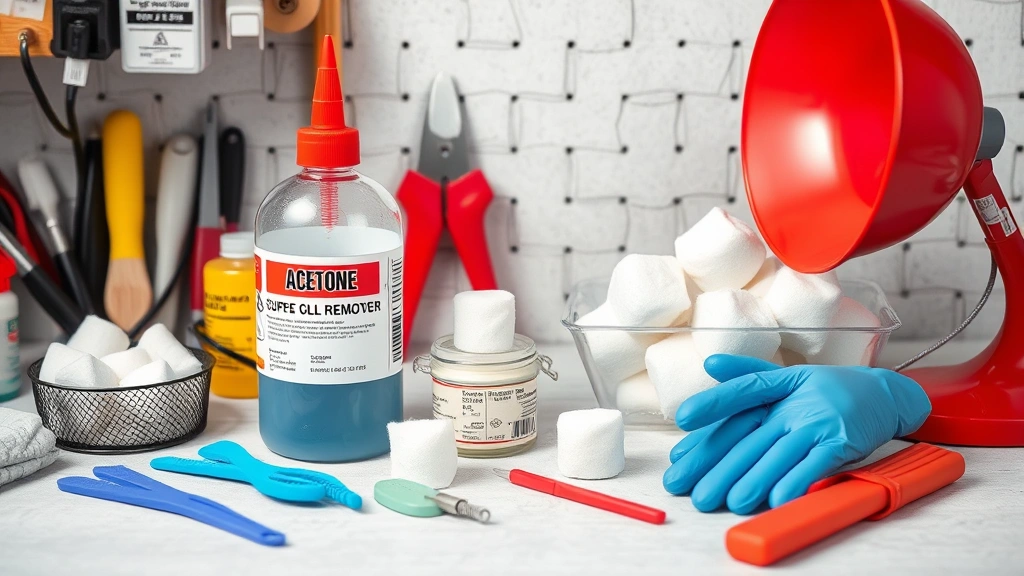
- Gather Your Materials: You’ll need pure acetone (100% concentration works best), cotton balls or a small brush, a container to hold the acetone, and protective gloves. Many nail polish removers contain only 40-60% acetone, so check the label or purchase pure acetone from a hardware store for better results.
- Prepare Your Workspace: Work in a well-ventilated area, as acetone produces strong fumes. Open windows, use fans, and avoid any open flames or sparks. Acetone is highly flammable, so safety is paramount.
- Apply the Acetone: Saturate a cotton ball or small brush with acetone and apply it directly to the glued area. The key is to keep the area wet with acetone for several minutes. Don’t just dab it on—you need sustained contact for the solvent to penetrate and break down the bond.
- Wait and Reapply: Allow the acetone to work for 5-15 minutes depending on the thickness of the glue bond. Reapply acetone every few minutes to keep the area saturated. Patience is essential; rushing this process won’t work.
- Test the Bond: After 10-15 minutes, gently try to separate the bonded materials. If it’s still stuck, apply more acetone and wait longer. Some stubborn bonds may require 30 minutes or more of soaking.
- Separate Carefully: Once the glue begins to soften, use a plastic scraper or old credit card to gently work between the bonded surfaces. Avoid metal tools that might scratch or damage the material underneath.
- Clean the Residue: After separation, use fresh acetone on a cloth to remove any remaining glue residue. Wash the area with soap and water, then dry thoroughly.
The acetone method works best on non-porous surfaces like plastic, glass, and metal. For porous materials like wood or fabric, you may need to modify your approach or use alternative methods.
Nitromethane and Specialized Removers
When acetone alone doesn’t work, nitromethane offers a more aggressive alternative. This specialized solvent is stronger than acetone and can break down super glue bonds that have proven resistant to acetone treatment. Nitromethane is available from specialty chemical suppliers, hobby shops (often sold as model fuel), and online retailers.
Important safety note: Nitromethane is even more flammable than acetone and produces toxic fumes. Use only in extremely well-ventilated spaces, wear chemical-resistant gloves, and consider wearing a respirator mask rated for organic vapors.
Several commercial super glue removers are also available, specifically formulated to dissolve cyanoacrylate bonds. Brands like This Old House recommends products like Goof Off and Goo Gone, though these work better on residue than on fresh bonds. These products are safer to use than pure solvents and come with detailed instructions for various materials.
For particularly stubborn bonds on non-delicate surfaces, you might also try:
- Methyl ethyl ketone (MEK): A strong solvent similar to acetone but slightly more effective on certain plastic types
- Isopropyl alcohol: A gentler option that works on some super glue applications, though less effective than acetone
- Superglue debonder products: Commercially available products specifically designed to reverse cyanoacrylate bonds
Always test any solvent on a hidden area first to ensure it won’t damage or discolor the material you’re trying to clean.
Soaking and Softening Techniques
For items that can be fully submerged, soaking offers an effective hands-off approach to dissolving super glue. This method works particularly well for small objects, jewelry, or components that aren’t time-sensitive.
The Soaking Process
Fill a container with acetone or your chosen solvent and completely submerge the glued item. The advantage of full submersion is that the solvent can work on all sides of the bond simultaneously. Leave the item soaking for 30 minutes to several hours, depending on the bond’s age and strength. Older, fully cured super glue bonds may require longer soaking times.
For items that can’t be submerged, create a localized soak by wrapping the glued area in acetone-saturated cloth or paper towels. Secure this with plastic wrap or a plastic bag to prevent evaporation and keep the solvent in contact with the glue. This method is excellent for bonded fingers or glued areas on larger objects.
The advantage of soaking over direct application is that it allows the solvent to work continuously without requiring constant reapplication. The downside is that you must be patient—rushing the process by trying to force separation before the glue is fully softened can damage the underlying materials.
Mechanical Removal Methods
While solvents are most effective, combining chemical and mechanical approaches often yields the best results. Once you’ve softened the super glue with a solvent, mechanical methods help complete the separation process.
Tools and Techniques
Use plastic scrapers, old credit cards, or plastic putty knives to gently work between bonded surfaces. These tools are less likely to scratch or damage materials compared to metal tools. For very thin bonds, dental floss or fishing line can be carefully sawed back and forth between the surfaces.
For bonded components on machinery or appliances, you might need to use:
- Gentle heat from a heat gun (not a torch) to soften the glue while applying solvent
- Precision screwdrivers or small chisels for very precise work
- Ultrasonic cleaners for small delicate items
- Grinding or sanding for hardened glue that needs complete removal
The key is patience and gentleness. Aggressive mechanical removal can damage the items you’re trying to separate. Always apply solvent first, wait for it to penetrate, and then use mechanical methods as a secondary step.
Treating Skin Bonding Emergencies
Accidentally bonding fingers or skin together with super glue is one of the most common mishaps. The good news is that skin oils and moisture naturally work against super glue bonding, so these bonds typically release on their own fairly quickly.
Safe Skin Separation Methods
If you’ve bonded fingers together, remain calm. Do not attempt to forcibly pull them apart, as this can cause skin damage. Instead, follow these steps:
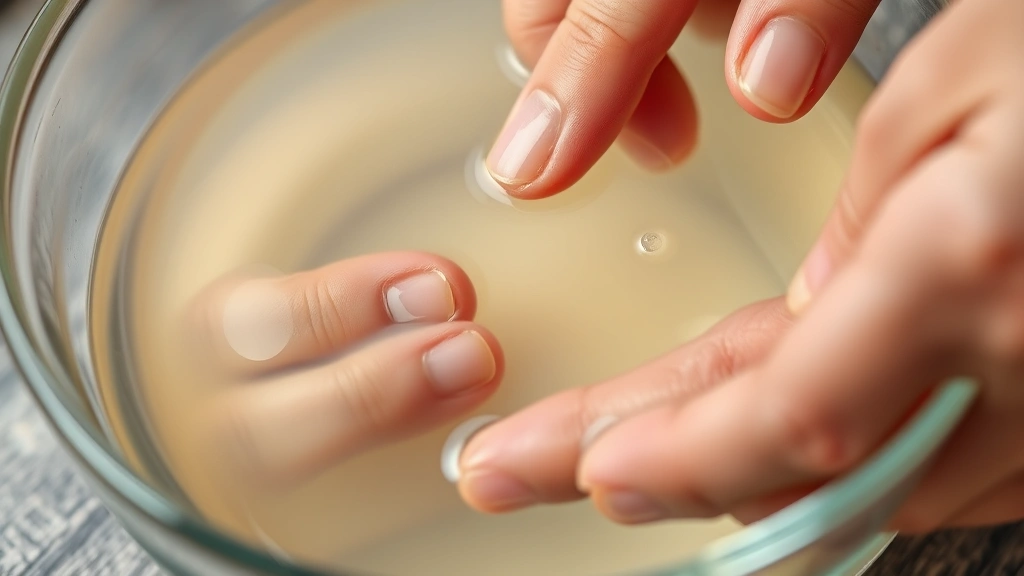
- Soak in Warm Water: Immediately soak the bonded area in warm (not hot) water. The moisture and warmth help break down the glue bond naturally. Soak for 5-10 minutes, gently trying to wiggle the fingers apart.
- Use Acetone Carefully: If water alone doesn’t work, apply acetone around (not directly on) the bonded area. Be very cautious with acetone on skin, as it can cause irritation and dries out skin. Apply it with a cotton ball on the edges of the bond.
- Gentle Separation: As the glue softens, very gently work the bonded surfaces apart. Don’t force it; if resistance is felt, apply more warm water or acetone and wait longer.
- Aftercare: Once separated, wash thoroughly with soap and water, then apply moisturizing lotion to counteract the drying effects of acetone.
In rare cases where skin bonding persists beyond 30 minutes or causes pain, seek medical attention. Healthcare providers have additional resources and expertise for handling stubborn skin bonds.
Prevention is always better than treatment. When using super glue, apply it sparingly, keep your fingers away from the application area, and have acetone nearby just in case.
Removing Dried Super Glue from Surfaces
Sometimes you need to remove hardened super glue from surfaces without separating bonded components. This situation often arises when cleaning up spills or removing glue smudges from work areas.
Surface-Specific Removal Strategies
Glass and Mirrors: Acetone works excellently on glass. Apply it liberally and let it soak for 10-15 minutes. The glue will soften and can be scraped away with a plastic scraper. For stubborn residue, repeat the process. Family Handyman suggests using a razor blade at a 45-degree angle for the final cleanup on glass surfaces.
Plastic Surfaces: Test acetone on hidden plastic areas first, as some plastics can be damaged by strong solvents. If acetone is safe, apply it and wait 5-10 minutes before scraping. For acetone-sensitive plastics, try rubbing alcohol or commercial adhesive removers instead.
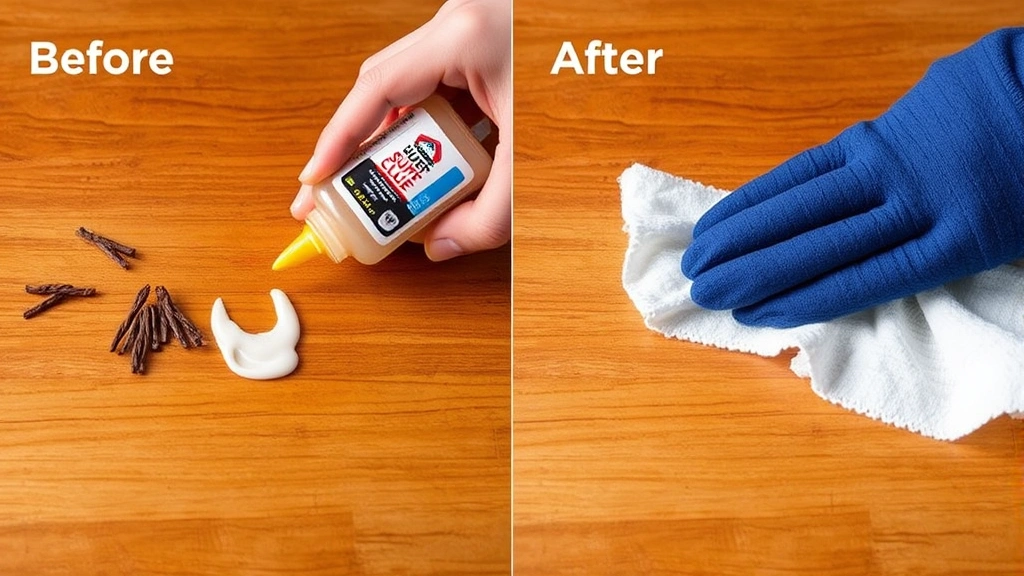
Wood Surfaces: Avoid soaking wood with acetone, as it can damage finishes. Instead, apply acetone-saturated cotton balls directly to the glue spot and remove quickly before the solvent can penetrate the wood finish. Gently scrape away softened glue and wipe clean with a damp cloth.
Metal Surfaces: Metal is highly resistant to acetone damage. Apply acetone liberally, let it soak, and scrape away the softened glue. This is one of the easiest surfaces to clean.
Fabric and Upholstery: For fabric, use the minimum amount of acetone necessary. Apply it to a cloth rather than directly on the fabric, and work from the edges of the glue spot toward the center. This prevents the solvent from spreading and damaging more of the fabric.
Prevention and Safety Precautions
While knowing how to dissolve super glue is valuable, preventing bonding accidents in the first place is even better. Implementing proper safety practices when using super glue will save you time and frustration.
Safe Super Glue Usage
Always use super glue in a well-ventilated area. The fumes can cause respiratory irritation and headaches with prolonged exposure. Keep a damp cloth nearby before you start gluing, not after an accident occurs. If you do get glue on your hands, wipe it immediately with the damp cloth before it fully cures.
Apply super glue in small amounts. A tiny drop is all you need for most applications. Excess glue increases the risk of spills and makes cleanup more difficult. Use applicator bottles with fine tips rather than squeeze tubes for better control.
Protect your work surface with newspaper or cardboard. If super glue spills, it’s much easier to discard the protective layer than to clean your workbench. Keep acetone or a commercial super glue remover within arm’s reach while working with cyanoacrylate adhesives.
Store super glue properly in a cool, dry place with the cap tightly sealed. Exposure to moisture causes premature curing. Keep it away from children and pets, and never leave it unattended during use.
When working on valuable items or delicate materials, consider using alternatives like wood glue or epoxy that offer more working time and easier cleanup. For projects where you might need to separate components later, use removable adhesives specifically designed for that purpose.
Understanding proper maintenance and care of tools and materials extends to adhesive safety as well. Regular inspection of your adhesive supplies ensures you’re using fresh products that haven’t degraded or separated.
FAQ
What’s the fastest way to dissolve super glue?
Acetone is the fastest and most effective solvent for dissolving super glue. Apply it liberally to the bonded area and reapply every few minutes. Most bonds begin softening within 5-15 minutes of continuous acetone exposure. For faster results, keep the area saturated and maintain good ventilation to prevent acetone from evaporating too quickly.
Will rubbing alcohol dissolve super glue?
Rubbing alcohol (isopropyl alcohol) is less effective than acetone but can work on some super glue applications, particularly if the bond is fresh. It’s a gentler option for delicate surfaces but requires longer soaking times and may not work on fully cured bonds. For best results, try acetone first.
Can you use heat to dissolve super glue?
Heat alone won’t dissolve super glue, but it can soften the bond slightly and help acetone penetrate more effectively. Use a heat gun on low setting (not a torch) while applying acetone. The combination of heat and solvent works better than either method alone. Never apply direct flame to super glue or acetone, as both are flammable.
Is super glue remover better than acetone?
Commercial super glue removers are convenient and often safer to handle than pure acetone, but pure acetone is typically more effective. Many commercial removers contain acetone as their primary ingredient anyway. The choice depends on your comfort level with chemical handling and the specific materials involved.
How long does super glue take to fully dissolve?
Fresh super glue bonds typically begin softening within 5-10 minutes of acetone exposure. Fully cured bonds that have been set for hours or days may require 30 minutes to several hours of soaking. Very old bonds might need overnight soaking or multiple applications of solvent.
Can you dissolve super glue without acetone?
Yes, though acetone is most effective. Alternatives include nitromethane (stronger but more toxic), methyl ethyl ketone, isopropyl alcohol, and commercial super glue removers. Each has different effectiveness levels depending on the glue age and the materials bonded. Acetone remains the most reliable and accessible option.
Will super glue dissolve in water?
No, water alone will not dissolve cured super glue. However, water can help soften fresh bonds or work in combination with other methods. For skin bonding, warm water soak is often sufficient because skin oils and moisture naturally work against the adhesive.
What if acetone doesn’t work?
If acetone fails after extended soaking, try nitromethane or commercial super glue debonders. For bonded items you don’t mind damaging, grinding, sanding, or cutting might be necessary. If you’re trying to preserve the items, consult a professional repair service or adhesive specialist.
Is it safe to use acetone on all plastics?
No, acetone can damage or dissolve certain plastics, particularly polystyrene and some acrylic plastics. Always test acetone on a hidden area first. If the plastic shows signs of melting or discoloration, switch to a gentler solvent like isopropyl alcohol or a commercial adhesive remover.
How do you prevent super glue from bonding to your fingers?
Apply super glue sparingly and carefully, keeping fingers away from the application area. Keep a damp cloth nearby to immediately wipe any accidental contact. Wear disposable gloves when possible. Apply moisturizing lotion to your hands before working with super glue, as the moisture helps prevent bonding.

Related Posts

Superscript in Google Docs: Expert Tips

Strikethrough in Excel: Easy Steps for Beginners
