

Can You Check Heart Blockage at Home? Expert Tips
Can You Check Heart Blockage at Home? Expert Tips for Early Detection
Heart blockage is a serious medical condition that affects millions of people worldwide. While professional medical diagnosis is essential, understanding the warning signs and knowing what steps you can take at home can help you recognize potential issues early. This comprehensive guide explores practical methods for monitoring your cardiovascular health and identifying symptoms that warrant immediate medical attention.
Early detection of heart blockage can be lifesaving. Many people experience subtle warning signs long before a major cardiac event occurs. By learning to recognize these symptoms and implementing monitoring techniques at home, you can take proactive steps toward better heart health and potentially prevent serious complications.
Understanding Heart Blockage and Its Symptoms
Heart blockage, medically known as coronary artery disease or atherosclerosis, occurs when plaque accumulates inside the coronary arteries that supply blood to your heart muscle. This narrowing reduces blood flow and oxygen delivery to the heart, potentially leading to chest pain, heart attacks, or other serious complications.
Recognizing the early symptoms of heart blockage is crucial for timely intervention. Common warning signs include chest discomfort or pressure, shortness of breath during physical activity, fatigue, dizziness, and pain radiating to the arm, neck, or jaw. However, some people experience silent ischemia, meaning they have reduced blood flow to the heart without noticeable symptoms.
Risk factors for heart blockage include high blood pressure, high cholesterol, diabetes, smoking, obesity, sedentary lifestyle, and family history of heart disease. If you have multiple risk factors, home monitoring becomes even more important as part of your overall health management strategy. You should also understand how to protect your personal health data if you’re using digital health tracking devices.
Home Monitoring Techniques for Cardiovascular Health
While you cannot definitively diagnose heart blockage at home, several monitoring techniques can help you track your cardiovascular health and identify concerning patterns. These methods complement professional medical care and provide valuable data for your healthcare provider.
Establishing a baseline understanding of your normal heart function is the first step in home monitoring. This involves regularly checking your resting heart rate, blood pressure, and noting any symptoms you experience during daily activities. Consistent monitoring helps you recognize when something feels different or abnormal.
Keeping a detailed health journal is an excellent practice. Document your symptoms, when they occur, what triggers them, and how long they last. Note any chest discomfort, shortness of breath, unusual fatigue, or palpitations. This information becomes invaluable when discussing your health with a cardiologist. Similar to how you might check blocked contacts on your phone, you should regularly review your health records to spot patterns.
Checking Your Pulse and Heart Rate
Learning to check your pulse manually is a fundamental skill for home cardiovascular monitoring. Your pulse indicates how many times your heart beats per minute and can reveal important information about your heart’s efficiency and rhythm.
How to Check Your Pulse:
- Find a comfortable, seated position and rest for at least five minutes before checking
- Place your index and middle fingers on the inside of your wrist, below your thumb
- Press gently until you feel your pulse against the artery
- Count the beats for 60 seconds, or count for 15 seconds and multiply by four
- Record the number and note the time of day and your activity level
A normal resting heart rate for adults ranges from 60 to 100 beats per minute. However, athletes and physically active individuals may have lower resting rates. If you notice your resting heart rate is consistently elevated, irregular, or significantly different from your baseline, this warrants discussion with your healthcare provider.
Irregular heartbeats, known as arrhythmias, can indicate various heart conditions. If you notice your pulse feels irregular, skips beats, or has an unusual rhythm, document these episodes and report them to your doctor. Modern smartwatches and fitness trackers can also monitor heart rate continuously, providing additional data points for analysis.
Blood Pressure Monitoring at Home
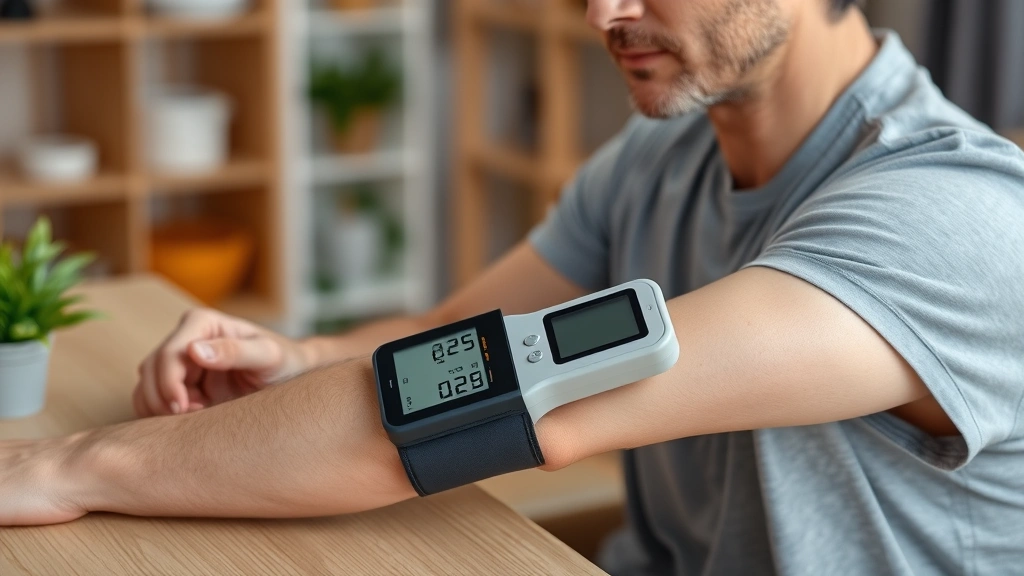
High blood pressure is a major risk factor for heart blockage and cardiovascular disease. Regular blood pressure monitoring at home helps you understand your baseline and detect concerning trends early. This practice is especially important if you have a family history of hypertension or heart disease.
Setting Up Home Blood Pressure Monitoring:
- Invest in a reliable, validated home blood pressure monitor (automatic upper arm monitors are generally most accurate)
- Take readings at the same time each day, typically in the morning before medication
- Sit quietly for five minutes before measuring
- Keep your arm at heart level and feet flat on the floor
- Take multiple readings and record all results
- Avoid caffeine, exercise, and stress for 30 minutes before measuring
Blood pressure readings are expressed as two numbers: systolic (top) over diastolic (bottom). Normal blood pressure is less than 120/80 mmHg. Elevated pressure ranges from 120-129 systolic and less than 80 diastolic. High blood pressure starts at 130/80 mmHg or higher. Consistent elevated readings suggest you should consult with your healthcare provider about interventions.
Tracking your blood pressure over weeks and months reveals patterns that single doctor’s office readings might miss. Some people experience white coat syndrome, where stress about medical visits temporarily raises blood pressure. Home monitoring provides a more accurate picture of your typical blood pressure throughout daily life. For managing your health data securely, learn how to control who accesses your information.
Portable ECG Devices and Wearables
Recent technological advances have made personal electrocardiogram devices accessible for home use. These portable devices can detect irregular heart rhythms and provide data that helps identify potential cardiac issues. Popular options include smartwatches with ECG capabilities and standalone portable ECG monitors.
Types of Home ECG Devices:
- Smartwatch ECG apps: Many modern smartwatches can record single-lead ECG tracings by having you touch specific points on the device
- Portable handheld ECG monitors: Dedicated devices that record more detailed ECG information than smartwatches
- Wearable patch monitors: Small adhesive patches worn on the chest that continuously monitor heart rhythm for extended periods
- Mobile ECG devices: Devices that connect to your smartphone to record and analyze heart activity
These devices are particularly useful for detecting atrial fibrillation and other arrhythmias that might indicate underlying heart problems. However, they are not diagnostic tools for heart blockage. A device showing normal results does not rule out blockage, and abnormal findings require professional medical evaluation.
When using these devices, consistency matters. Recording ECG data regularly, especially when you experience symptoms, helps establish patterns. Share all recordings with your healthcare provider, who can interpret the results in context with your overall health picture and risk factors.
Warning Signs That Require Immediate Medical Attention
While home monitoring is valuable, certain symptoms demand immediate professional evaluation or emergency care. Understanding the difference between manageable symptoms and emergencies is critical for protecting your health.
Seek Emergency Care (Call 911) If You Experience:
- Chest pain or pressure that feels like an elephant sitting on your chest
- Severe shortness of breath, especially at rest
- Chest pain radiating to your arm, neck, jaw, or back
- Sudden dizziness, fainting, or loss of consciousness
- Severe sweating, nausea, or vomiting accompanying chest symptoms
- Chest discomfort lasting more than a few minutes
- Any symptom that feels like a heart attack, even if you’re unsure
Schedule a Doctor’s Appointment for:
- Persistent shortness of breath with minimal exertion
- Unusual fatigue that doesn’t improve with rest
- Recurring chest discomfort with activity
- New or worsening heart palpitations
- Swelling in your legs or feet
- Persistent cough, especially if it produces pink or frothy sputum
Trust your instincts. If something feels wrong with your heart, it’s better to seek professional evaluation and be reassured than to ignore potentially serious symptoms. Many people delay seeking care because they minimize their symptoms or attribute them to other causes.

Lifestyle Modifications to Support Heart Health
While home monitoring helps you track your cardiovascular status, lifestyle modifications are essential for preventing and managing heart blockage. These changes work synergistically to reduce your risk and improve overall health outcomes.
Dietary Changes:
- Adopt a heart-healthy diet low in saturated fats, trans fats, and sodium
- Increase consumption of fruits, vegetables, whole grains, and lean proteins
- Limit processed foods and sugary beverages
- Include omega-3 rich foods like fatty fish, nuts, and seeds
- Control portion sizes and maintain a healthy weight
- Reduce alcohol consumption to moderate levels
Physical Activity:
- Aim for at least 150 minutes of moderate-intensity aerobic exercise weekly
- Include strength training exercises two to three times per week
- Break up prolonged sitting with regular movement
- Start gradually if you’re currently sedentary and consult your doctor before beginning new exercise programs
Stress Management:
- Practice relaxation techniques like deep breathing, meditation, or yoga
- Engage in activities you enjoy and that bring you joy
- Maintain strong social connections and relationships
- Consider professional counseling or support groups if needed
Sleep and Recovery:
- Aim for seven to nine hours of quality sleep nightly
- Maintain consistent sleep and wake times
- Create a sleep-friendly environment that’s dark, quiet, and cool
- Address sleep disorders like sleep apnea, which significantly increase heart disease risk
If you smoke, quitting is one of the most impactful steps you can take for your heart health. Smoking damages blood vessels and accelerates atherosclerosis development. Resources and support for smoking cessation are widely available through healthcare providers and organizations.
When to Seek Professional Medical Evaluation
Home monitoring should complement, not replace, professional medical care. Regular check-ups with your primary care physician and specialist referrals when appropriate are essential components of comprehensive cardiovascular health management.
Professional Testing for Heart Blockage:
If your doctor suspects heart blockage, several diagnostic tests can confirm the diagnosis and assess severity. These include stress tests, coronary computed tomography angiography (CCTA), and cardiac catheterization with angiography. These tests provide definitive information about blockage presence, location, and extent that home monitoring cannot replicate.
Schedule regular appointments with your healthcare provider if you have risk factors for heart disease, experience symptoms suggestive of blockage, or have a family history of early heart disease. Your doctor can assess your individual risk, recommend appropriate screening tests, and develop a personalized prevention or treatment plan.
For those managing multiple health concerns or conditions, keeping organized records of your symptoms and monitoring data is crucial. Just as you would forward important communications on your phone, you should forward relevant health information to your healthcare providers during appointments.
Discuss your home monitoring practices with your doctor. Share the data you’ve collected, ask about the significance of your findings, and get guidance on what measurements and symptoms warrant further investigation. This collaborative approach ensures your home monitoring efforts contribute meaningfully to your overall health management.
FAQ
Can a smartwatch detect heart blockage?
Smartwatches with ECG capabilities can detect irregular heart rhythms that might suggest underlying heart problems, but they cannot definitively diagnose heart blockage. These devices are useful screening tools that provide information to discuss with your doctor, but professional testing is required for definitive diagnosis.
What is a normal resting heart rate?
A normal resting heart rate for adults ranges from 60 to 100 beats per minute. Athletes and very fit individuals may have lower rates. If your resting heart rate is consistently outside this range or significantly different from your personal baseline, consult your healthcare provider.
How often should I check my blood pressure at home?
If you have normal blood pressure and no risk factors, checking monthly is often sufficient. If you have elevated or high blood pressure, or multiple risk factors for heart disease, daily monitoring or several times weekly is recommended. Follow your doctor’s specific guidance based on your individual situation.
What does chest pain from heart blockage feel like?
Chest pain from heart blockage often feels like pressure, squeezing, or heaviness in the chest. It may radiate to the arm, neck, jaw, or back. Some people describe it as an elephant sitting on their chest. Symptoms often worsen with physical exertion and improve with rest.
Can lifestyle changes reverse heart blockage?
While lifestyle modifications cannot reverse existing significant blockages, they can slow progression, prevent new blockages, and improve overall cardiovascular function. In some cases, aggressive risk factor management may stabilize or slightly improve mild blockages. Professional medical treatment may be necessary for significant blockages.
Is home monitoring enough for managing heart disease?
Home monitoring is an important component of heart disease management but should not replace professional medical care. Regular doctor’s visits, prescribed medications, appropriate diagnostic testing, and professional medical guidance are essential for optimal outcomes. Home monitoring provides supporting data for your healthcare team.

Related Posts

Superscript in Google Docs: Expert Tips

Strikethrough in Excel: Easy Steps for Beginners
