

How Much to Feed a Puppy? Vet-Approved Advice
How Much to Feed a Puppy? Vet-Approved Advice
Bringing a new puppy home is an exciting milestone, but it also comes with significant responsibilities—and one of the most important is establishing proper nutrition. Puppies grow rapidly during their first year, requiring more calories and nutrients per pound of body weight than adult dogs. Understanding how much to feed a puppy ensures your young dog develops strong bones, healthy muscles, and a robust immune system while preventing obesity and digestive issues.
The amount of food your puppy needs depends on several factors, including age, breed size, activity level, and the specific food you’re providing. A toy poodle puppy will need vastly different portions than a Great Dane puppy, and a three-week-old nursing pup has completely different needs than a four-month-old eating solid food. This guide breaks down veterinary-approved feeding guidelines so you can confidently nourish your growing companion.
Puppy Feeding by Age: Birth to 12 Months
Newborn puppies rely entirely on their mother’s milk for nutrition during the first three to four weeks of life. Mother’s milk contains antibodies, essential fats, and proteins perfectly balanced for rapid growth. If you’re hand-rearing orphaned puppies, consult your veterinarian about specialized puppy formula—never use cow’s milk, as it lacks the proper nutrient balance and can cause digestive upset.
Weeks 3-6: Introduction to Solid Food
Around three to four weeks, puppies begin showing interest in solid food while still nursing. Start by offering a high-quality puppy food moistened with warm water or puppy formula to create a soft gruel. Puppies this age typically need four meals per day. Offer small amounts—roughly one-quarter to one-half cup per meal depending on the breed—and let them eat freely for 15-20 minutes, then remove uneaten food.
Weeks 6-12: Weaning Complete
By six weeks, most puppies are fully weaned and eating solid food exclusively. At this stage, puppies need four meals daily totaling roughly 5-10% of their body weight in food. A 10-pound puppy might eat 0.5 to 1 pound of food daily, split across four meals. This frequent feeding supports their rapidly developing digestive systems and prevents low blood sugar, which is particularly concerning for toy breeds.
Months 3-6: Consolidating Meals
As puppies reach three months, you can reduce feeding to three times daily. Most puppies are now eating 2-3 cups of food daily, depending on breed size and individual metabolism. The growth rate accelerates during this period, especially for large breed puppies, so ensure your food provides adequate calcium and phosphorus in proper ratios.
Months 6-12: Approaching Adulthood
By six months, most puppies can transition to twice-daily feeding. Large and giant breed puppies should remain on three meals daily until nine to twelve months to support their extended growth period. Daily food intake typically reaches adult levels by month nine, though growth plates don’t fully close until 12-18 months depending on breed.
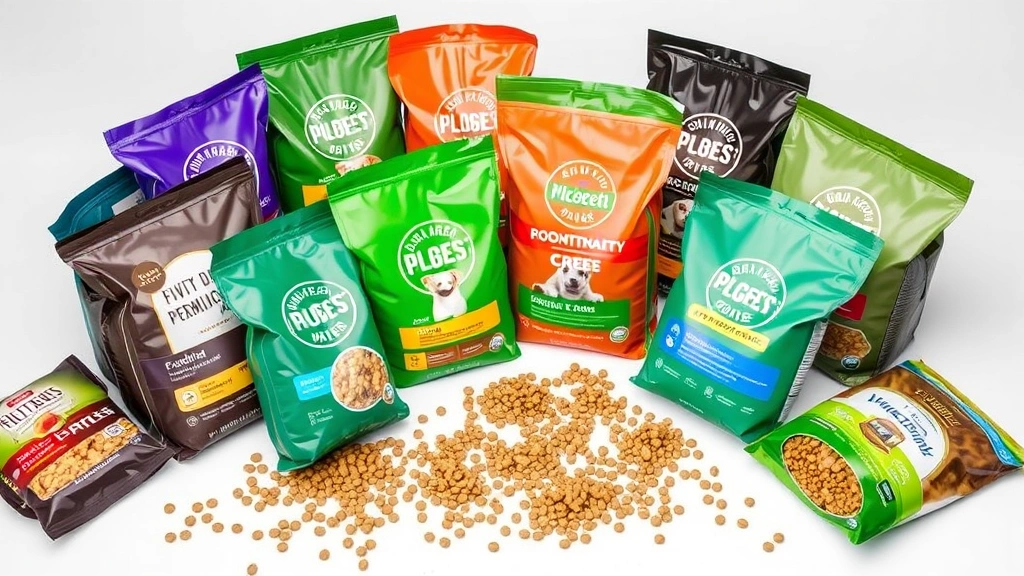
Breed Size and Caloric Needs
Breed size dramatically influences how much your puppy needs to eat. Small breed puppies have faster metabolisms relative to their body size, while large breed puppies grow more slowly but require careful nutrition to prevent developmental orthopedic disease.
Toy and Small Breed Puppies (Under 20 Pounds Adult Weight)
Toy breeds like Chihuahuas and Yorkshire Terriers have high metabolic rates and small stomachs. They typically need 40 calories per pound of body weight daily during early growth phases. A five-pound puppy might require 200 calories daily. Because these puppies are prone to hypoglycemia (low blood sugar), frequent small meals are essential. Never skip meals, and consider keeping high-calorie snacks available.
Medium Breed Puppies (20-50 Pounds Adult Weight)
Medium breed puppies like Beagles and Cocker Spaniels need approximately 30-35 calories per pound daily. A 15-pound medium breed puppy requires roughly 450-525 calories daily. These puppies typically transition to adult feeding schedules more smoothly than toy breeds but still benefit from structured meal times during the first six months.
Large and Giant Breed Puppies (Over 50 Pounds Adult Weight)
Large and giant breed puppies require special attention because rapid growth stresses their skeletal systems. Despite needing more total calories due to their size, they actually need fewer calories per pound than smaller breeds—roughly 25-30 calories per pound. A 40-pound large breed puppy needs approximately 1,000-1,200 calories daily. Overfeeding large breed puppies accelerates growth excessively, increasing risk of hip dysplasia, elbow dysplasia, and other orthopedic problems. Always use a large breed-specific puppy formula with controlled calcium and phosphorus levels.

Choosing Quality Puppy Food
Not all puppy foods are created equal. Quality nutrition during the growth phase sets the foundation for lifelong health, so selecting appropriate food deserves careful consideration.
AAFCO Certification
Ensure any puppy food carries an AAFCO (Association of American Feed Control Officials) statement indicating it’s formulated for “puppy” or “all life stages.” This certification guarantees the food meets minimum nutritional standards for growing dogs. Look for the statement on the package label or manufacturer’s website.
Protein and Fat Content
Puppies require higher protein levels than adult dogs—typically 22-32% crude protein depending on breed size and age. Adequate protein supports muscle development and immune function. Fat content should range from 8-15% for most puppies, providing essential fatty acids for brain development and coat health. Large breed puppies benefit from slightly lower fat levels (8-12%) to control growth rate.
Calcium and Phosphorus Balance
The calcium-to-phosphorus ratio critically impacts skeletal development, particularly in large breed puppies. The ideal ratio falls between 1.2:1 and 1.8:1. Calcium should comprise 0.8-1.6% of the food on a dry matter basis for growing dogs. Excessive calcium—a common problem with home-prepared or supplemented diets—increases orthopedic disease risk. Never add calcium supplements unless specifically directed by your veterinarian.
Ingredient Quality
Look for named meat sources (chicken, beef, lamb) as primary ingredients rather than vague terms like “meat meal” or “animal by-products.” Quality puppy foods from reputable manufacturers like Royal Canin, Hill’s Science Diet, and Purina Pro Plan invest in research-backed formulations. Your veterinarian can recommend brands appropriate for your puppy’s specific needs.
Feeding Schedules and Portion Control
Establishing a consistent feeding schedule helps with house training, metabolic regulation, and behavioral management. Using a scale to measure portions prevents the gradual overfeeding that leads to obesity.
Daily Feeding Schedule by Age
Follow this general framework:
- 8 weeks to 3 months: Four meals daily, 6-8 hours apart
- 3 to 6 months: Three meals daily, 8 hours apart
- 6 to 12 months: Two meals daily, 12 hours apart
- After 12 months: Transition to adult feeding schedule (typically twice daily)
Determining Portion Sizes
Most puppy food bags provide feeding guidelines based on weight and age. These recommendations serve as starting points, not absolute rules. Weigh your puppy weekly and adjust portions if growth rate seems too fast or too slow. Ideally, you should feel your puppy’s ribs easily when you press gently on their sides, but shouldn’t see them prominently.
Use a measuring cup or kitchen scale rather than free-feeding (leaving food available all day). Measured portions allow you to monitor intake and identify appetite changes that might signal health issues. Remove uneaten food after 15-20 minutes to prevent spoilage and discourage picky eating habits.
Water Availability
Fresh water should be available at all times. Puppies on dry kibble need more water than those eating wet food. Monitor water intake—excessive drinking can indicate illness. Most puppies need to urinate frequently, so plan outdoor potty breaks shortly after meals and water consumption.
Signs of Overfeeding and Underfeeding
Learning to recognize whether your puppy is receiving appropriate nutrition helps prevent growth problems and health issues.
Signs of Overfeeding
- Visible weight gain; ribs not easily felt under a light layer of fat
- Sagging belly or excessive abdominal fat
- Difficulty moving, running, or playing normally
- Labored breathing, especially during exercise
- Loose stools or diarrhea
- Excessive gas or digestive upset
- Begging for food constantly (sometimes behavioral, but worth investigating)
- Overly rapid growth, particularly in large breed puppies
Signs of Underfeeding
- Visible ribs, spine, and hip bones
- Poor coat quality; dull, dry, or thin fur
- Lethargy or lack of energy despite adequate sleep
- Stunted growth compared to littermates
- Constipation or dry stools
- Excessive scratching or skin issues from nutritional deficiencies
- Frequent illness or slow recovery from minor infections
- Behavioral problems potentially linked to hunger (excessive chewing, aggression)
If you notice concerning signs, photograph your puppy’s body condition and consult your veterinarian. They can assess growth rate, body condition score, and overall health to determine if adjustments are needed.
Transitioning to Adult Food
The transition from puppy to adult food should happen gradually to prevent digestive upset. Most puppies can transition between 12-18 months depending on breed, though large breed puppies benefit from extended puppy nutrition.
When to Transition
Small breed puppies typically reach adult size by 12 months and can transition to adult food immediately after their first birthday. Large and giant breed puppies continue growing until 18-24 months and should remain on large breed puppy food longer. Your veterinarian can advise based on your individual puppy’s growth curve.
Gradual Transition Process
Abrupt food changes cause digestive upset. Mix increasing proportions of new adult food with current puppy food over 7-10 days:
- Days 1-3: 25% new food, 75% puppy food
- Days 4-6: 50% new food, 50% puppy food
- Days 7-9: 75% new food, 25% puppy food
- Day 10: 100% new food
If your puppy shows digestive upset (soft stools, vomiting, loss of appetite), slow the transition. Some puppies need 14 days to adjust without problems.
Selecting Adult Food
Choose an adult formula appropriate for your dog’s size and activity level. A working or very active dog may benefit from higher-protein performance formulas, while less active dogs thrive on maintenance formulas. Your veterinarian can recommend specific brands and formulas based on your dog’s individual needs and any health considerations.
FAQ
How often should I feed my 8-week-old puppy?
Eight-week-old puppies should eat four times daily, spaced 6-8 hours apart. This frequent feeding supports their rapid growth and prevents hypoglycemia. Most puppies transition to three meals daily around three months of age.
Can I feed my puppy adult dog food?
No, puppies have different nutritional requirements than adult dogs. Puppy formulas contain higher protein and fat levels, plus carefully balanced calcium and phosphorus for proper skeletal development. Adult food lacks these optimized ratios and can lead to growth problems, particularly in large breed puppies.
Is it okay to free-feed my puppy?
Free-feeding (leaving food available all day) makes it difficult to monitor intake, can lead to overeating and obesity, and complicates house training since you can’t predict when your puppy will need to eliminate. Scheduled meals with measured portions are preferable.
What’s the best puppy food for sensitive stomachs?
Puppies with digestive sensitivities may benefit from limited ingredient diets, novel protein sources, or grain-free formulas. However, work with your veterinarian to rule out underlying issues like parasites or infections before assuming food sensitivity. Prescription digestive care diets are available through veterinary clinics.
Should I add supplements to my puppy’s diet?
Quality commercial puppy foods are nutritionally complete and balanced. Adding supplements, particularly calcium, can create dangerous imbalances and cause orthopedic problems. Only add supplements under specific veterinary guidance, typically for documented deficiencies.
How much should my large breed puppy weigh at different ages?
Expected weight varies dramatically by breed. A 12-week-old German Shepherd might weigh 20-25 pounds, while a 12-week-old Golden Retriever could weigh 25-30 pounds. Consult your puppy’s breed standard or ask your veterinarian for expected weight ranges at different life stages.
What’s the difference between puppy food and all-life-stages food?
Puppy-specific formulas are optimized for growth with higher protein and carefully balanced minerals. All-life-stages formulas meet requirements for both puppies and adult dogs, making them less specialized but acceptable if they carry AAFCO certification for growth. Puppy-specific formulas are generally preferable, especially for large breed puppies.

Related Posts

Superscript in Google Docs: Expert Tips

Strikethrough in Excel: Easy Steps for Beginners
