

Tattoo Removal Cost? Dermatologist Insights
Tattoo Removal Cost: What Dermatologists Say About Erasing Ink
Deciding to remove a tattoo is a significant choice, and understanding the financial commitment is just as important as knowing the medical details. Tattoo removal costs vary dramatically depending on factors like ink color, tattoo size, skin type, and the removal method you choose. Most people are surprised to learn that erasing a tattoo costs considerably more than getting one, and the process requires multiple sessions spread over months or years.
If you’re asking “how much to erase tattoo,” you’re likely considering laser removal, which is the gold standard recommended by dermatologists. However, several removal options exist with different price points and effectiveness levels. This comprehensive guide breaks down everything dermatologists want you to know about tattoo removal costs, helping you make an informed decision about your skin and your wallet.
Average Tattoo Removal Costs by Method
The cost to remove a tattoo ranges from $100 to $10,000 or more, depending entirely on your chosen method and tattoo characteristics. According to the American Society of Dermatologic Surgeons, most patients spend between $2,000 and $10,000 total across all sessions needed for complete removal.
Laser removal typically costs $200 to $500 per session, with most tattoos requiring 6-15 sessions. A small tattoo might total $1,200-$2,500, while larger pieces can exceed $7,500. Surgical excision ranges from $1,500 to $4,500 depending on size and complexity. Dermabrasion costs $600 to $2,000 per session, usually requiring 3-10 treatments. Chemical peels start at $100 per session but demand numerous applications.
The variation in pricing reflects not just the removal method but also the dermatologist’s experience level, geographic location, and clinic reputation. A well-established dermatological practice in a major metropolitan area will charge more than a clinic in a rural location, though quality shouldn’t be compromised for savings when dealing with your skin.
Laser Removal: The Most Popular Option
Laser tattoo removal has become the industry standard because it offers the best balance of effectiveness and safety. Dermatologists prefer lasers because they target ink particles specifically while minimizing damage to surrounding skin. The most common laser types include Q-switched Nd:YAG, alexandrite, and ruby lasers, each effective on different ink colors.
A single laser session typically lasts 15-30 minutes, though the actual laser time might be only 5-10 minutes. You’ll pay $200-$500 per session at most reputable dermatology clinics. The total number of sessions needed depends on several factors: darker inks like black and blue respond faster (4-6 sessions), while red, yellow, and green inks require 8-15 sessions. Professional guidance from experienced providers ensures you understand realistic timelines.
Sessions must be spaced 6-8 weeks apart to allow your immune system to clear away fragmented ink particles. This means a complete removal might take 12-18 months or longer. Some clinics offer package deals—purchasing 6-10 sessions upfront can reduce the per-session cost by 10-20%, bringing it down to $160-$400 per treatment.
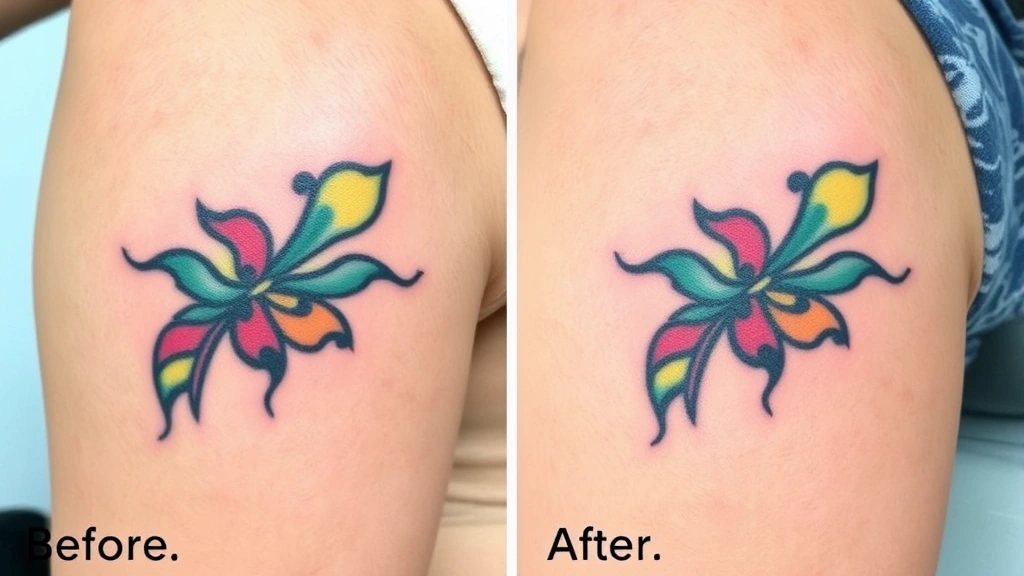
Dermatologists emphasize that cheaper laser treatments often use outdated equipment or less experienced technicians. The American Academy of Dermatology recommends choosing board-certified dermatologists with modern laser technology, even if it costs more initially. Inferior treatment means more sessions, more pain, and potentially worse scarring—ultimately costing you more money and discomfort.
Factors That Affect Your Total Price
Tattoo Size is the primary cost driver. Dermatologists measure tattoos in square inches. A stamp-sized tattoo (less than 1 square inch) might cost $200-$300 per session, while a full sleeve (50+ square inches) could run $800-$1,500 per session. Your dermatologist will measure the area during consultation to provide accurate pricing.
Ink Color dramatically impacts both the number of sessions needed and the overall cost. Black ink is easiest to remove, requiring fewer sessions and costing less overall. Red, orange, and yellow inks are significantly harder to remove, often requiring 50% more sessions. Green and blue inks fall in the middle. If your tattoo contains multiple colors, you’ll need more treatment time and higher costs.
Tattoo Age and Depth matter because older tattoos have ink particles that have settled deeper into the skin, requiring more aggressive treatment. Professional tattoos with high-quality ink penetrate deeper than amateur work, paradoxically making professional tattoos harder and more expensive to remove. Skin Type affects pricing too—darker skin types require more cautious laser settings to prevent hypopigmentation, sometimes requiring specialized equipment and experienced technicians, which increases cost.
Location on the Body influences pricing because some areas are more difficult to treat. Tattoos on the face, hands, or feet cost more due to the delicate skin and proximity to sensitive structures. Dermatologists charge premium rates for these locations because they require extra precision and specialized knowledge.
Previous Removal Attempts significantly increase costs. If you’ve already tried other removal methods or received unsuccessful laser treatments elsewhere, your skin may have scarring or altered ink distribution requiring more sessions with specialized techniques.

Comparing Removal Methods and Expenses
Surgical Excision is a one-time procedure where a dermatological surgeon removes the tattooed skin and stitches the edges together. This works best for small tattoos and costs $1,500-$4,500 total. The advantage is immediate results; the disadvantage is a permanent scar. This method isn’t suitable for large tattoos because the resulting scar would be enormous and visible.
Dermabrasion physically sands away the top layers of skin containing ink. It costs $600-$2,000 per session and requires 3-10 sessions. Results are unpredictable, and significant scarring is common. Most dermatologists have moved away from this method in favor of lasers because outcomes are inferior and recovery is painful.
Chemical Peels use acidic solutions to remove tattoo ink from the skin’s upper layers. They’re inexpensive ($100-$300 per session) but require many sessions (10-20+) and work only on superficial tattoos. Dermatologists rarely recommend this method because results are poor and the risk of permanent skin damage is substantial.
Picosecond Lasers represent newer technology that pulses in picoseconds (trillionths of a second) rather than nanoseconds, breaking down ink more effectively. They cost $300-$500 per session but may require fewer total sessions. The American Academy of Dermatology notes that picosecond lasers show promise for difficult-to-remove colors but remain more expensive than traditional Q-switched lasers.
Combination Approaches sometimes offer better results. A dermatologist might recommend starting with laser treatment, then using surgical excision for remaining ink, or combining lasers with chemical peels. These multi-method approaches cost more overall but may reduce total treatment time and improve final results.
Insurance and Payment Options
Most health insurance plans don’t cover tattoo removal because it’s considered cosmetic, not medically necessary. However, exceptions exist if the tattoo was applied non-consensually, if you have an allergic reaction to tattoo ink, or if the tattoo contains mercury or other toxic substances. Document any medical issues and ask your dermatologist to submit a claim with proper medical coding—some insurers will cover it.
Many dermatology clinics offer financing options including payment plans, medical credit cards like CareCredit, and financing companies. These typically involve 0% interest if paid within 6-24 months, making expensive treatments more manageable. Some clinics offer discounts for paying upfront for multiple sessions.
Another cost-saving strategy involves visiting teaching hospitals or dermatology schools where supervised residents perform treatments under attending physician oversight. Costs drop 30-50% compared to private practices, though you must accept longer appointment times and potentially less experienced hands performing the work.
What Dermatologists Recommend
Board-certified dermatologists universally recommend laser removal as the gold standard for most tattoos. When choosing a provider, verify board certification through the American Board of Dermatology and ask specific questions about their laser equipment and experience with your tattoo’s specific characteristics.
Dermatologists advise getting written quotes after consultation, not estimates from websites or phone calls. Every tattoo is unique, and pricing should reflect your specific situation. Ask about the dermatologist’s removal success rate, complication rates, and what happens if you’re unsatisfied with results.
Before committing to removal, dermatologists suggest considering a test patch—treating a small portion of your tattoo first to see how your skin responds and to get a realistic sense of final results. This costs $200-$400 but provides valuable information about whether removal is right for you.
Realistic expectations are crucial. Dermatologists emphasize that complete removal isn’t always possible, especially with certain colors. Some residual ink often remains, particularly with red and yellow inks. Setting expectations prevents disappointment and helps you decide if partial removal is acceptable.
During your consultation, ask about aftercare costs too. You’ll need to avoid sun exposure, apply prescribed creams, and potentially take pain medication. Most dermatologists include aftercare instructions, but some charge for specialized healing products. Budget an extra $100-$300 for the entire removal process for creams and medications.
FAQ
How much does it cost to remove a small tattoo?
A small tattoo (postage stamp-sized) typically costs $1,200-$2,500 total across 4-8 laser sessions at $200-$400 per session. Surgical excision would be a one-time cost of $1,500-$2,500. Prices vary by location and provider experience level.
Is tattoo removal cheaper than getting a tattoo?
Significantly more expensive. A tattoo might cost $100-$1,000 depending on size and artist, while removal costs 5-10 times more. This is why dermatologists stress careful consideration before getting tattooed—prevention is far cheaper than removal.
Do dermatologists offer payment plans for tattoo removal?
Most reputable dermatology clinics offer payment plans, medical credit cards, or financing options. Many allow you to pay per session rather than upfront, spreading costs over the treatment period. Ask about discounts for purchasing session packages.
What’s the cheapest way to remove a tattoo?
Chemical peels are cheapest per session ($100-$300) but require many sessions and rarely work completely. Laser removal is more expensive per session but requires fewer total sessions, making it cheaper overall. Dermatologists recommend investing in quality laser treatment rather than cheaper alternatives that don’t work well.
Can I get tattoo removal with insurance?
Most insurance won’t cover cosmetic tattoo removal. However, if you have an allergic reaction, the tattoo contains toxic substances, or it was applied non-consensually, insurance might cover it. Ask your dermatologist about submitting a claim with appropriate medical documentation.
How many sessions does tattoo removal take?
Most tattoos require 6-15 laser sessions spaced 6-8 weeks apart, taking 12-18 months or longer. Black ink requires fewer sessions (4-6) while red, yellow, and green require more (8-15+). Your dermatologist will estimate sessions after examining your specific tattoo.
Does tattoo removal hurt?
Yes, laser removal causes pain often described as a rubber band snapping against skin. Most dermatologists apply numbing cream beforehand and use cooling devices during treatment. Pain is manageable but definitely noticeable, which is another reason to choose experienced providers using modern equipment.
Will my skin scar after tattoo removal?
Laser removal rarely causes scarring when performed by experienced dermatologists on appropriate skin types. However, risk increases with darker skin types, multiple sessions, or aggressive laser settings. Discuss scarring risk during your consultation, especially if you have a history of keloid or hypertrophic scar formation.

Related Posts

Superscript in Google Docs: Expert Tips

Strikethrough in Excel: Easy Steps for Beginners
