
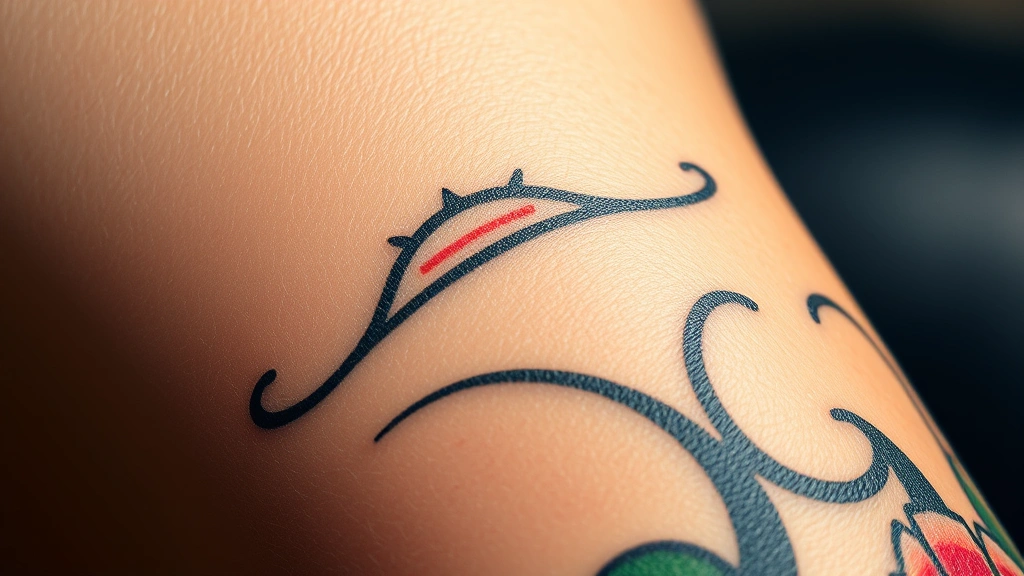
How Long Do Tattoos Take to Heal? Expert Insights
How Long Do Tattoos Take to Heal? Expert Insights on Timeline and Aftercare
Getting a tattoo is exciting, but the real journey begins after you leave the artist’s chair. Understanding the healing process isn’t just about knowing when you can show off your new ink—it’s about protecting your investment and ensuring your tattoo looks vibrant for years to come. The healing timeline for tattoos is more complex than most people realize, involving multiple stages and specific care requirements at each phase.
Whether you’re contemplating your first tattoo or adding to an existing collection, knowing what to expect during healing can mean the difference between a stunning piece of body art and one that fades prematurely or develops complications. Let’s break down the science behind tattoo healing and give you the practical knowledge you need to care for your new ink properly.
The Tattoo Healing Timeline
The tattoo healing process generally follows a predictable pattern, though individual variations are common. Most tattoos go through distinct phases over several weeks, with the most critical healing happening in the first two weeks. Understanding this timeline helps you know what’s normal and when something might require professional attention.
The complete healing process typically takes between 4 to 6 weeks, though the skin’s outer layers may appear healed much sooner. This is where many people make mistakes—just because your tattoo looks fine on the surface doesn’t mean the deeper layers have finished healing. The dermis (the layer where the ink actually sits) continues healing for several months, gradually stabilizing the pigment.
Think of tattoo healing like any other wound healing process. Your body is working hard to seal the injury while keeping the ink exactly where it should be. During this time, your immune system is actively involved, which is why some people experience mild fever or feel generally under the weather for a day or two after getting tattooed.
Initial Phase: First 24-48 Hours
The first 48 hours after getting a tattoo are crucial. During this period, your tattoo will likely be red, swollen, and tender to the touch. This is completely normal and reflects your body’s immediate response to the needle punctures that created the artwork.
Right after the session, your artist will wrap your tattoo in a protective covering. Follow their specific instructions about when to remove this bandage—typically somewhere between 2 to 24 hours, depending on the wrapping method used. Once unwrapped, you’ll notice the tattoo oozing a clear or slightly yellowish fluid mixed with excess ink. This is plasma, not infection, and it’s a sign of normal healing.
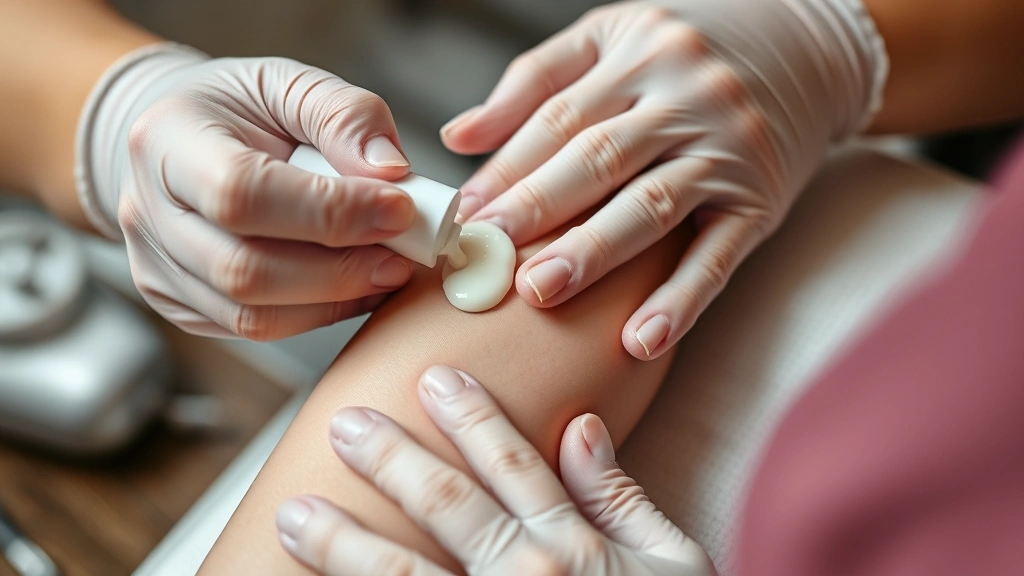
During these first two days, keep your tattoo clean and dry. Wash it gently with unscented antibacterial soap and pat it dry with a clean paper towel (not cloth, which can harbor bacteria). Apply a thin layer of fragrance-free moisturizer or tattoo-specific aftercare product. Avoid submerging the tattoo in water, so skip swimming and long showers for at least a week.
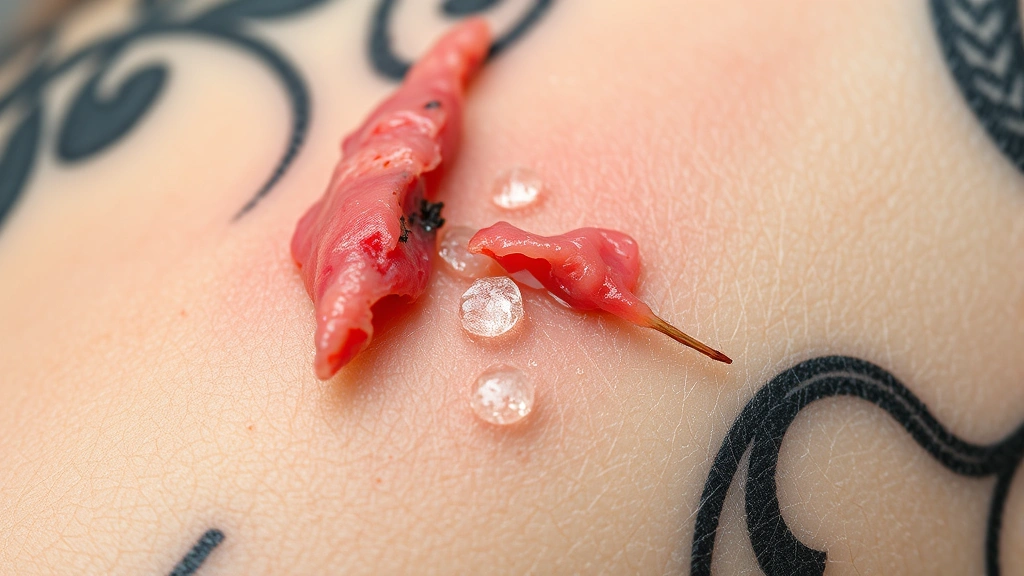
The swelling and redness during this phase can be minimized by keeping the area elevated when possible and avoiding excessive movement of the tattooed body part. If you got a large or particularly detailed piece, you might experience more pronounced swelling. Some people find that over-the-counter pain relievers help manage discomfort, though many artists recommend avoiding them for the first few hours to allow proper bleeding (which actually helps push out excess ink).
Peeling and Scabbing Phase
Around day 3 to 5, your tattoo enters the peeling and scabbing phase. This is where things can get itchy and tempting to pick at—but resist that urge. Picking at scabs can pull out ink and create scarring or uneven color in your finished piece.
The itching during this phase is intense for many people. Your body is essentially treating the tattoo like a wound and sending healing signals to the area. Some people describe it as maddening. To combat the itch without damaging your tattoo, apply fragrance-free lotion, take cool (not cold) baths, or wear loose clothing that doesn’t rub against the tattoo.
You’ll notice your tattoo developing a thin layer of scabbing. This is normal and protective. Some scabs will be darker than the ink itself, which can be alarming, but they’ll fall off naturally as healing progresses. The color you see under the scabs is your actual tattoo—the top layer is just your skin doing its job.
During the peeling phase, continue gentle washing and moisturizing. Some tattoo artists recommend using fragrance-free lotion multiple times daily, while others suggest specific aftercare products like A&D ointment or specialized tattoo balms. Follow your artist’s recommendations, as different inks and skin types respond to different products.
Complete Healing Timeline
By week 2 to 3, most of the visible scabbing should be gone, and your tattoo will look mostly healed on the surface. However, this doesn’t mean the deeper healing is complete. The epidermis (outer skin layer) is sealed, but the dermis continues its healing process for several more weeks.
Weeks 3 to 6 represent the final stages of healing. During this time, the tattoo might still feel slightly raised or tender, and the colors may appear slightly dull or cloudy. This is temporary—as the inflammation subsides and your skin fully settles, the colors will become more vibrant and defined. Some people experience a second round of light peeling during week 3 or 4, which is also normal.
By week 6, most tattoos are considered fully healed from a care perspective. However, the ink continues to settle into the skin for several more months. This is why tattoo artists often recommend waiting at least 6 to 8 weeks before getting additional work in the same area, and why you should be gentle with your new tattoo for the first month.
The complete healing process varies based on tattoo size, location, and individual factors. A small, simple tattoo might feel completely normal by week 4, while a large, detailed piece with multiple colors could take the full 6 weeks or slightly longer to feel entirely settled.
Aftercare Essentials for Optimal Healing
Proper aftercare is absolutely non-negotiable if you want your tattoo to heal beautifully. This isn’t just about following rules—it’s about respecting the artist’s work and your body’s natural healing process.
Cleansing Routine: Wash your tattoo 2 to 3 times daily with unscented antibacterial soap and lukewarm water. Use your clean hands (not a washcloth) to gently cleanse the area. Pat dry with a clean paper towel, never a cloth towel which can introduce bacteria.
Moisturizing Products: After cleansing, apply a thin layer of fragrance-free moisturizer. Popular options include unscented lotion, A&D ointment, or specialized tattoo aftercare products. Your artist may have specific recommendations. Avoid petroleum jelly and heavy ointments that can clog pores.
Clothing Considerations: Wear loose, clean clothing over your tattoo, especially during the first week. Tight clothing can cause friction and irritation. If your tattoo is on an area that rubs against clothing (like your ankle or waistband area), consider wearing looser garments temporarily.
Water Exposure: Avoid swimming, hot tubs, and long showers for at least 2 weeks. When you do shower, try to keep the water pressure gentle on the tattooed area. Excessive water exposure can soften scabs prematurely and introduce bacteria into the healing wound.
Sun Protection: Keep your tattoo out of direct sunlight for at least 2 weeks, and ideally for the entire healing period. UV rays can fade new ink and irritate healing skin. After it’s fully healed, always use sunscreen on your tattoo to maintain color vibrancy long-term. This is similar to how you’d protect delicate items—if you’re wondering how to tell if a diamond is real, you’d also learn that protecting it from damage is essential to maintaining its value.
Physical Activity: Avoid strenuous exercise for the first week. Sweating can irritate your healing tattoo and potentially introduce bacteria. After the first week, you can gradually return to normal activity, but avoid activities that might cause friction on the tattoo.
Factors That Affect Healing Speed
Not everyone’s tattoo heals on the same timeline. Several factors influence how quickly your body completes the healing process.
Age and Metabolism: Younger people with faster metabolisms typically heal slightly faster than older individuals. However, the difference is usually measured in days, not weeks.
Immune System Health: A strong, healthy immune system supports faster healing. If you’re fighting an illness or your immune system is compromised, healing may take longer. This is why many artists recommend scheduling tattoos when you’re feeling your best.
Tattoo Size and Complexity: Larger tattoos with more detail require more time for your body to fully integrate the ink. A small, simple design might be visibly healed in 3 weeks, while a full sleeve could take 8 weeks or longer.
Location: Tattoos on areas with more movement (like joints) tend to take longer to heal than those on relatively stationary areas. A tattoo on your ankle or elbow experiences more friction and movement than one on your calf or upper arm.
Skin Type and Condition: People with sensitive skin or existing skin conditions may experience more irritation during healing. Those with very dry skin might need more frequent moisturizing. Conversely, people with oily skin might need to be careful not to over-moisturize.
Ink Quality and Application: Professional artists using high-quality inks typically see better healing outcomes. The depth and consistency of ink application also affects healing—poorly applied ink might require touch-ups, extending the overall healing timeline.
Lifestyle Factors: Smoking, drinking alcohol, and poor sleep can all slow healing. Staying hydrated, eating well, and getting adequate rest supports your body’s natural healing processes. It’s much like caring for any delicate project—just as you’d be careful when trying to how to remove super glue without damaging the surface underneath, you need to be intentional about supporting your body’s healing.
Signs of Problems and When to Seek Help
While most tattoos heal without complications, it’s important to recognize warning signs that something might be wrong. Knowing the difference between normal healing and actual problems can save you from serious complications.
Normal Healing Signs: Mild redness, slight swelling, minor oozing of clear fluid mixed with ink, itching, and light scabbing are all normal. Your tattoo might feel warm to the touch and look slightly puffy during the first few days.
Warning Signs Requiring Medical Attention: Excessive redness that spreads beyond the tattoo boundaries, warmth or heat radiating from the area, pus or thick discharge (not just clear plasma), fever, severe swelling that doesn’t improve after 3 days, or signs of allergic reaction (hives, difficulty breathing) all warrant immediate professional medical attention.
Infections are rare when proper aftercare is followed, but they do happen. They’re typically caused by bacteria introduced during or after the tattooing process. If you suspect an infection, don’t wait—contact your doctor or dermatologist immediately. Infections can be treated with antibiotics, but early intervention is important.
Allergic reactions to tattoo ink are uncommon but possible. Red ink is the most common culprit, though reactions can occur with any color. If you develop an itchy rash or hives that doesn’t improve with moisturizing and seems to be getting worse, consult a healthcare provider.
Scarring can occur if you pick at scabs, apply too much pressure during healing, or if your body is prone to keloid formation. Some people naturally form raised scars, which can affect tattoo appearance. If you know you’re prone to keloids, discuss this with your tattoo artist before getting work done.
Frequently Asked Questions
How long until I can swim after getting a tattoo?
Most tattoo artists recommend waiting at least 2 weeks before swimming in pools, oceans, or hot tubs. Open water (oceans, lakes) is particularly risky because of bacteria exposure. Chlorinated pools are somewhat safer, but waiting the full 2 weeks ensures your tattoo has developed a complete protective barrier. When you do return to water activities, consider applying waterproof sunscreen over your healed tattoo.
Can I exercise while my tattoo is healing?
Light exercise is fine after the first few days, but avoid strenuous activity for at least the first week. Heavy sweating can irritate your healing tattoo and potentially introduce bacteria. Sweat itself isn’t dangerous, but it can create an environment where bacteria thrive. After the first week, gradually return to your normal exercise routine, avoiding activities that cause excessive friction on the tattooed area.
When is it safe to get a touch-up?
Wait at least 6 to 8 weeks before scheduling a touch-up. This gives your tattoo time to fully heal and settle into your skin. Your artist will be able to see which areas need color refreshing or line work once everything is completely healed. Rushing touch-ups can disrupt the healing process and potentially damage the original work.
Why does my tattoo look dull during healing?
During the healing process, a layer of new skin forms over your tattoo, which can make it look slightly cloudy or dull. This is completely temporary. Once the skin fully settles and the inflammation subsides (usually by week 4 to 6), your tattoo’s colors will become vibrant again. Patience is key—resist the urge to get a touch-up too early.
Is it normal for my tattoo to itch intensely?
Yes, intense itching is one of the most common and frustrating parts of tattoo healing. Your body is sending healing signals to the area, which manifests as itching. Moisturize regularly, wear loose clothing, and avoid picking at scabs. If the itching is unbearable, cool compresses can help. If itching persists beyond 2 weeks or is accompanied by other symptoms, consult a healthcare provider.
What’s the difference between scabs and infection?
Normal scabs are thin, dark, and will naturally flake off as healing progresses. They might be darker than your tattoo ink, which is normal. Signs of infection include thick yellow or green discharge, excessive warmth, spreading redness, or fever. When in doubt, it’s always better to have a professional (either your tattoo artist or a doctor) evaluate the area.
How should I sleep with a new tattoo?
Try to keep your new tattoo from being pressed against your mattress or pillow for the first week. If your tattoo is on your back, sleep on your stomach or side. If it’s on your arm, try to avoid sleeping on that side. This prevents friction and keeps the area clean. Using clean sheets and changing them daily also supports optimal healing.
Can I use regular lotion on my tattoo?
Fragrance-free, unscented lotion is generally fine, but many artists recommend specialized tattoo aftercare products. These are formulated to support healing without clogging pores. Avoid heavily scented lotions, petroleum jelly, and products with alcohol, as these can irritate your healing tattoo. If you’re unsure about a specific product, ask your tattoo artist for recommendations.

Related Posts

How Long to Boil Lobster Tails: Cooking Guide

How Long to Fly from New York to London? Travel Times
