

When Do Stitches Dissolve? Expert Timeline Guide
When Do Stitches Dissolve? Expert Timeline Guide
Whether you’ve just had surgery, suffered a laceration, or received dental work, understanding how long stitches take to dissolve is crucial for proper wound care and recovery. Dissolvable stitches, also called absorbable sutures, are designed to break down naturally in your body without requiring removal. However, the timeline varies significantly based on the type of stitch, location, and your individual healing process.
This comprehensive guide walks you through everything you need to know about dissolving stitches—from the science behind their breakdown to what you should expect during recovery. We’ll cover different types of absorbable sutures, factors affecting dissolution time, and practical care tips to ensure optimal healing.
How Dissolving Stitches Work
Absorbable stitches operate on a fascinating biological principle. These sutures are typically made from materials that your body’s natural enzymes can break down over time. Common materials include catgut (derived from animal intestines), synthetic polymers like polydioxanone, and polyglactin. Your immune system gradually recognizes these materials as temporary and deploys enzymes to break them down into smaller components that your body can absorb and eliminate.
The dissolution process doesn’t happen instantly. Instead, it’s a gradual degradation where the suture loses its tensile strength—its ability to hold tissues together—over days or weeks. Initially, the stitch maintains full strength to support your wound during the critical early healing phase. As your body’s collagen production increases and the wound gains structural integrity, the suture weakens proportionally, eventually disappearing completely.
This self-removing mechanism makes dissolving stitches ideal for many procedures, especially in areas difficult to access or in pediatric patients who might struggle with suture removal appointments. However, the timeline for complete dissolution varies based on which specific material your healthcare provider selected for your procedure.
[IMAGE_1]
Timeline for Different Stitch Types
Understanding the specific timeline depends on knowing what type of dissolving suture was used. Here are the most common varieties and their typical dissolution windows:
Catgut Stitches
Plain catgut sutures, one of the oldest materials still in use, typically dissolve within 5-7 days. Chromic catgut, which undergoes additional processing, lasts slightly longer at 10-14 days. Catgut remains popular because it’s naturally absorbable, though some patients experience mild inflammation during the breakdown process. These are commonly used in routine surgical procedures and minor wound closures.
Synthetic Absorbable Sutures
Polydioxanone (PDS) stitches dissolve more slowly, typically over 180-210 days (approximately 6-7 months). This extended timeline makes PDS ideal for deeper tissue layers that require longer-term support. Polyglactin (Vicryl) sutures break down faster, usually within 56-70 days (8-10 weeks). Polyglycolic acid (Dexon) stitches fall in the middle, dissolving in roughly 60-90 days.
Synthetic materials generally produce less inflammatory response than catgut and offer more predictable dissolution timelines, making them the preferred choice for most modern surgical procedures.
Specialty Absorbable Sutures
Newer formulations like polycaprolactone blends can dissolve anywhere from 90 days to 6 months, depending on the specific composition. Your surgeon selects the material based on how long your wound needs support and where the stitches are placed.
Factors Affecting Dissolution Time
Several variables influence exactly when your stitches will dissolve. Understanding these factors helps set realistic expectations for your recovery.
Wound Location
Stitches dissolve faster in areas with higher blood flow and moisture. Oral stitches (inside the mouth) may dissolve within 7-10 days due to constant saliva exposure and rich blood supply. Conversely, stitches on dry skin areas like the scalp or extremities dissolve more slowly. Surgical sites with excellent blood circulation typically show faster dissolution than wounds on poorly vascularized tissue.
Wound Depth and Complexity
Deep surgical wounds requiring multiple suture layers may have different dissolution timelines for each layer. Superficial stitches dissolve faster, while deeper sutures—especially those holding muscle or fascia—are often made from materials designed to persist longer. Your surgeon strategically places different stitch types at different depths to match healing timelines.
Individual Healing Factors
Your body’s healing speed significantly impacts stitch dissolution. People with excellent circulation and immune function typically experience faster breakdown. Conversely, chronic conditions like diabetes, autoimmune disorders, or poor circulation can slow the process. Age, nutrition, medications, and infection status all play roles. Patients taking immunosuppressants may experience delayed dissolution.
Infection and Inflammation
An infected wound triggers aggressive immune responses that can paradoxically speed up suture breakdown or cause premature failure. Significant inflammation from any cause—infection, allergic reaction, or mechanical irritation—accelerates enzyme activity around the sutures. This is why maintaining proper wound hygiene is critical.
Moisture and Environmental Exposure
High-moisture environments promote faster dissolution. This is why oral stitches dissolve quickly compared to dry skin wounds. Excessive sweating or moisture from showers and baths can slightly accelerate breakdown. Conversely, dry environments may slow the process slightly.
Caring for Dissolving Stitches
Proper wound care ensures optimal healing and allows stitches to dissolve on their natural timeline. Here’s a practical step-by-step approach:
Cleaning Your Wound
- Wash hands thoroughly before touching the wound area
- Use gentle soap and warm water to clean around (not directly on) the stitches
- Pat dry with a clean cloth—avoid rubbing
- Apply antibiotic ointment if recommended by your healthcare provider
- Cover with a bandage if the wound is in an area prone to friction or contamination
Perform this cleaning routine once or twice daily, or as directed. Avoid harsh scrubbing that might disturb the stitches before they’re ready to dissolve naturally.
Activity Restrictions
Follow your surgeon’s guidance on activity limitations. Generally, you should avoid:
- Strenuous exercise or heavy lifting during the first 1-2 weeks
- Swimming or soaking the wound in water until cleared by your doctor
- Pulling, tugging, or picking at stitches (let them dissolve naturally)
- Exposing fresh surgical wounds to excessive sunlight
Premature activity can cause wound dehiscence (separation) or stitch failure, extending your recovery timeline.
Watching for Complications
Monitor your wound daily for signs of problems. Take photos of your wound on day 1 and periodically thereafter to track healing progress. Note any changes in redness, swelling, warmth, or discharge. Some mild swelling and redness during the first few days is normal, but worsening symptoms warrant medical attention.
Managing Discomfort
Over-the-counter pain relievers like acetaminophen or ibuprofen can manage discomfort as your wound heals. As stitches dissolve, you might experience mild itching—a sign of healing—but avoid scratching. Some people find that keeping the area cool with a clean compress provides relief.
When to Contact Your Doctor
Certain situations require immediate medical attention, even if your stitches haven’t fully dissolved yet:
- Signs of infection: Increasing redness, warmth, pus, foul odor, or fever above 101°F (38.3°C)
- Premature stitch failure: Stitches breaking or coming loose before the expected dissolution timeline, causing wound gaping
- Excessive bleeding: Wound bleeding that won’t stop after 10-15 minutes of gentle pressure
- Severe allergic reaction: Widespread rash, difficulty breathing, or anaphylaxis (seek emergency care immediately)
- Persistent pain: Pain that worsens after several days or doesn’t improve with prescribed medication
- Stitch abscess: A localized pocket of infection forming around a stitch site
- Delayed dissolution: Stitches still present and firm months after the expected timeline
Don’t hesitate to contact your healthcare provider with concerns. It’s better to have a professional evaluate your wound than to assume complications will resolve independently.
Comparing Dissolving vs Non-Dissolving Stitches
Understanding the differences between absorbable and non-absorbable stitches helps you appreciate why your surgeon chose dissolving stitches for your procedure.
Advantages of Dissolving Stitches
No removal appointment needed: You don’t have to schedule a follow-up visit to have stitches removed, which is especially valuable for patients with mobility issues or those living far from medical facilities.
Reduced infection risk: Fewer office visits mean less exposure to potential pathogens in medical settings.
Better for pediatric patients: Children often struggle with stitch removal procedures; dissolving stitches eliminate this anxiety.
Ideal for internal sutures: Deep tissue stitches are nearly impossible to remove without additional surgery, making absorbable materials the only practical choice.
Continuous support during healing: The stitch strength gradually decreases as your wound gains strength, providing proportional support throughout recovery.
Advantages of Non-Dissolving Stitches
Predictable removal timing: You know exactly when stitches will be removed (typically 7-14 days depending on location).
No risk of delayed dissolution: Some people’s bodies dissolve stitches faster or slower than expected; non-absorbable sutures eliminate this variable.
Better for high-tension wounds: Areas under significant mechanical stress sometimes benefit from the longer-term support of non-absorbable stitches.
Reduced inflammation: Some patients experience less inflammatory response to non-absorbable materials.
Making the Choice
Your surgeon considers wound characteristics, location, infection risk, and patient factors when selecting stitch type. For most routine procedures, dissolving stitches provide superior convenience without compromising outcomes. However, specific situations—like facial lacerations requiring precise alignment or high-tension wounds—might warrant non-absorbable alternatives.
FAQ
How long do stitches take to dissolve inside the mouth?
Oral stitches typically dissolve within 7-14 days due to constant exposure to saliva and high blood flow in the mouth. If they haven’t dissolved after three weeks, contact your dentist or oral surgeon, as delayed dissolution occasionally occurs.
Can I shower with dissolving stitches?
Yes, but avoid soaking the wound. Take brief showers and pat the area dry afterward. Avoid baths, swimming, or hot tubs until your healthcare provider clears you, typically after the initial healing phase (usually 1-2 weeks).
What happens if dissolving stitches don’t dissolve?
Occasionally, stitches persist longer than expected or don’t dissolve completely. If stitches remain firm and visible after the expected timeline plus 4 weeks, contact your doctor. They can manually remove them if necessary, though this is rare with modern absorbable materials.
Is it normal for dissolving stitches to itch?
Yes, mild itching is a normal sign of healing as your body’s immune system breaks down the suture material. Avoid scratching, which could disrupt the wound. If itching is severe or accompanied by rash, contact your healthcare provider to rule out allergic reaction.
Can I pull out dissolving stitches if they’re loose?
No. Even if stitches appear loose, let them dissolve naturally. Removing them prematurely could disrupt the wound closure and compromise healing. If a stitch is clearly broken or causing significant irritation, contact your doctor rather than attempting removal yourself.
Do dissolving stitches hurt when they dissolve?
Most people don’t feel dissolving stitches breaking down. You might experience mild itching or slight discomfort as the material breaks apart, but acute pain is unusual. Significant pain during dissolution warrants medical evaluation.
How can I tell if my stitches are dissolving properly?
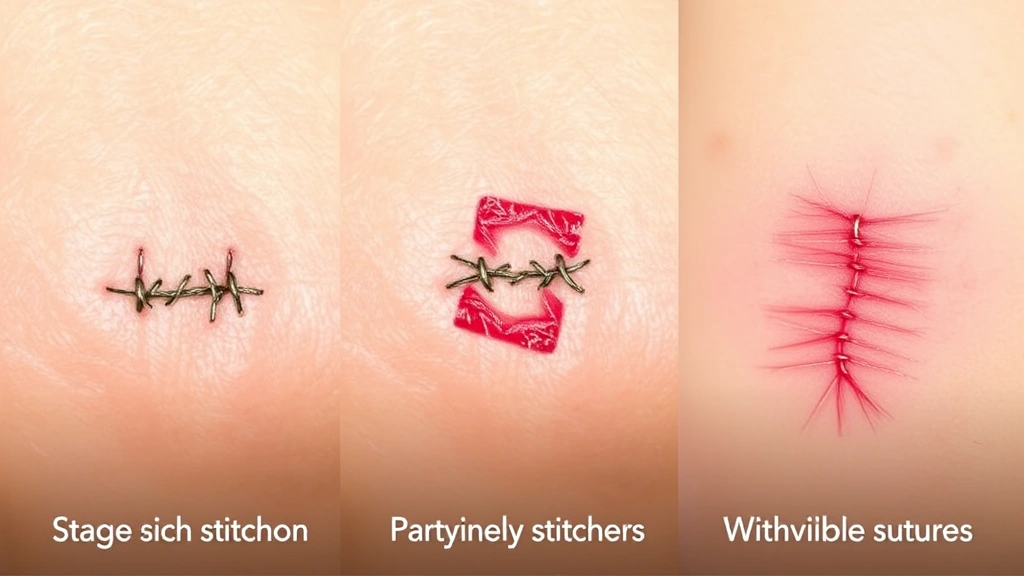
Properly dissolving stitches gradually become less visible, may soften or fray slightly, and eventually disappear. The wound should show progressive healing with decreasing redness and swelling. Stitches that remain firm, inflamed, or unchanged after several weeks may indicate delayed dissolution.
Are there external links for more information about wound care?
Yes, This Old House and Family Handyman offer comprehensive home health resources. For medical-specific guidance, consult Mayo Clinic or your healthcare provider. Check your local home improvement retailer for first-aid supplies recommended for wound care.
What does the dissolution timeline depend on most?
The specific suture material your surgeon selected is the primary factor determining dissolution time. Catgut dissolves in days, while synthetic polymers may take weeks to months. Wound location and individual healing factors play secondary roles in the exact timeline.

Related Posts

Superscript in Google Docs: Expert Tips

Strikethrough in Excel: Easy Steps for Beginners
