

How Long to Fill a Cavity: Dentist Insights
How Long to Fill a Cavity: Dentist Insights and What to Expect
If you’ve been told you need a cavity filled, you’re probably wondering what the actual appointment will look like—and more importantly, how much time you need to block off your calendar. The answer isn’t as straightforward as you might think, because several factors influence the duration of your visit. Whether you’re dealing with a simple surface cavity or something more complex, understanding the timeline can help you prepare mentally and logistically for the procedure.
Cavity fillings are among the most common dental procedures, yet many people approach them with unnecessary anxiety or misconceptions about how long they’ll be sitting in that chair. The good news? Modern dentistry has streamlined the process considerably. In most cases, you’re looking at a relatively quick appointment that can fit into your workday without major disruption. However, the specifics depend on factors like cavity size, location, your tooth’s condition, and the type of filling material your dentist recommends.
Let’s dive into what you can realistically expect when you schedule that cavity filling appointment, breaking down the timeline into digestible chunks so you know exactly what’s coming.
Typical Duration of a Cavity Filling
For a straightforward cavity filling, you can expect the entire appointment to take between 20 to 30 minutes. This timeframe includes check-in, preliminary examination, anesthesia application, the actual filling procedure, and cleanup. The filling itself—the hands-on work your dentist performs—typically takes only 10 to 20 minutes of that total time.
However, this is the best-case scenario for a simple cavity. If you’re dealing with a more complex situation, such as a cavity near the nerve or multiple cavities in one appointment, you might be looking at 30 to 60 minutes. Some patients also benefit from understanding how to tell if you have a cavity before their appointment, which can help them communicate better with their dentist about symptoms and concerns.
The variation in time largely depends on whether your dentist needs to do preparatory work. If you’re getting your first cavity filled, the process might take slightly longer because your dentist will want to ensure everything is done correctly and may spend extra time explaining each step. Returning patients often experience faster appointments since they’re familiar with the routine and their dentist knows their dental history.
Factors That Affect Filling Time
Several variables influence how long your cavity filling will take. Understanding these factors can help you better estimate your appointment duration and prepare accordingly.
Cavity Size and Location: A small cavity on the front surface of a tooth is much quicker to fill than a large cavity on a back molar or between teeth. Location matters because the dentist’s access and visibility differ significantly. Fillings on the biting surface of back teeth require more precision and often take longer than those on smooth, easily visible surfaces.
Tooth Condition: If your tooth has multiple cavities or if the decay has progressed significantly, your dentist may need to remove more material before placing the filling. Additionally, if the cavity is close to the nerve, your dentist will proceed more cautiously, which naturally extends the appointment time. Understanding how long it takes to become a dentist gives you appreciation for the skill and training involved in handling complex cases.
Anesthesia Response: Your body’s response to local anesthesia can affect timing. Some patients’ tissues become numb quickly, while others need additional time or a second injection. Your dentist will always wait until the area is completely numb before proceeding—rushing this step is never worth the risk of patient discomfort.
Your Cooperation and Anxiety Level: Patients who remain calm and still during the procedure help their dentist work more efficiently. If you have dental anxiety, let your dentist know beforehand. They may take extra time to explain what they’re doing, which is comforting but does extend the appointment.
Dentist’s Experience and Technique: An experienced dentist who performs hundreds of fillings annually typically works faster than someone newer to the practice. This doesn’t mean quality suffers—it’s simply a matter of familiarity and developed skill.
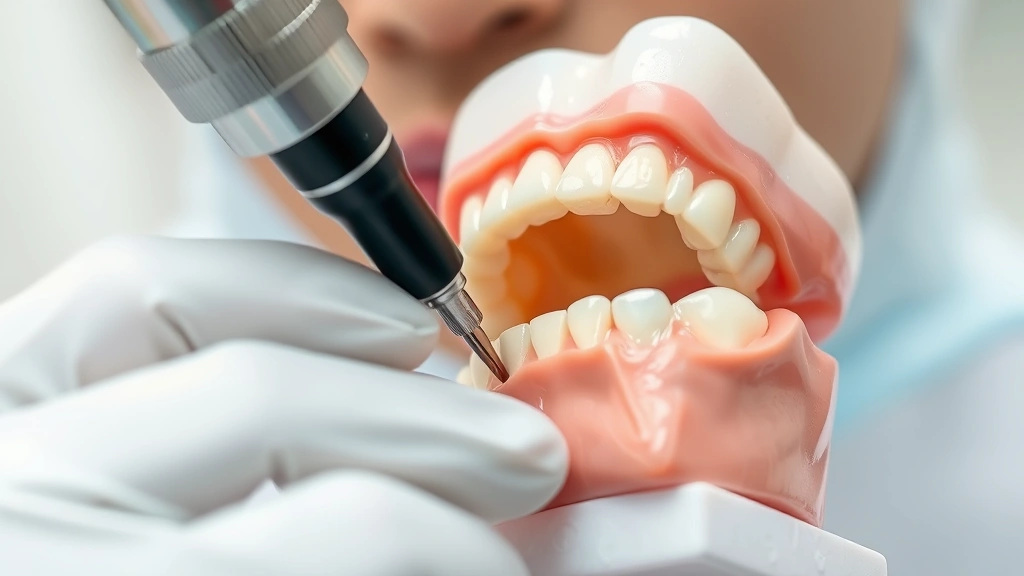
Step-by-Step Filling Process
Knowing what happens during each stage of the procedure can help demystify the experience and reduce anxiety. Here’s the typical timeline breakdown:
Initial Examination and Discussion (3-5 minutes): Your dentist will examine the cavity, potentially take X-rays if they haven’t recently, and discuss the filling plan with you. They’ll explain what they’re doing and answer any questions. This is also when they’ll apply topical anesthesia if desired.
Anesthesia Application (2-3 minutes): Local anesthetic is injected around the affected tooth. You might feel a small pinch, but the numbing sensation typically follows quickly. Your dentist will wait several minutes to ensure complete numbness before proceeding. For reference, understanding timelines is important in many medical contexts—much like learning how long it takes to become a doctor, dental training also requires years of specialized education.
Tooth Preparation (3-8 minutes): Using a dental drill, your dentist removes the decayed portion of the tooth. This is usually the longest part of the procedure, though it’s typically painless due to the anesthesia. You’ll hear noise and feel vibration, but not pain. Your dentist uses a suction tool to keep the area dry and clear.
Cleaning and Conditioning (1-2 minutes): Once decay is removed, the dentist cleans the cavity thoroughly and may apply a bonding agent to help the filling material stick properly. This step is crucial for filling longevity.
Filling Application (2-5 minutes): The dentist applies the filling material, shaping it to match your tooth’s natural contour. If using composite resin, they’ll use a special light to harden it. If using amalgam, it’s packed and condensed into the cavity.
Finishing and Polishing (2-3 minutes): The dentist shapes the filling to ensure your bite feels natural, then polishes it. They’ll have you bite down on special paper to check your bite alignment and make adjustments if needed.
Final Instructions (2-3 minutes): Your dentist provides aftercare instructions and discusses any sensitivity you might experience.
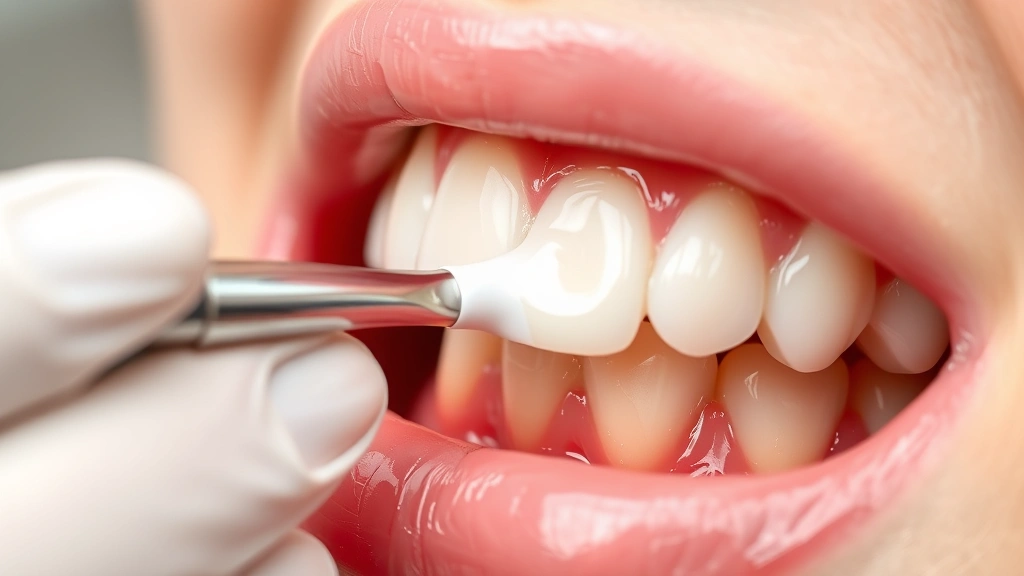
Filling Materials and Time Differences
The type of filling material your dentist uses can slightly influence the overall appointment time, though not dramatically.
Composite Resin Fillings: These tooth-colored fillings typically take 20-30 minutes for a single cavity. They require careful application and shaping, plus time for the hardening light. Composite fillings are popular because they match your natural tooth color and provide excellent aesthetics. However, they’re slightly more technique-sensitive than older materials.
Amalgam Fillings: Traditional silver fillings often take 15-20 minutes because they don’t require the light-hardening step. Amalgam is easier to work with and hardens on its own over time. Many dentists still prefer amalgam for back teeth due to its durability, though composite has become increasingly common.
Glass Ionomer Fillings: These are typically used for fillings below the gum line or in primary teeth. They take about 15-25 minutes and are often chosen for their fluoride-releasing properties that help prevent future decay.
The material choice might affect timing slightly, but the difference is usually just a few minutes. Your dentist will recommend the best material based on the cavity’s location, your preferences, and your budget. For detailed information about filling procedures and materials, Family Handyman’s dental care guides offer comprehensive resources, though for clinical specifics, consulting your dentist directly is always best.
Aftercare and Recovery Timeline
While the filling procedure itself is quick, the recovery timeline extends beyond the appointment.
Immediate Post-Appointment (First 2-3 hours): Your mouth will remain numb for about 2-3 hours after the appointment. Avoid eating or drinking during this time to prevent accidentally biting your cheek or lip. You might notice the filling feels slightly different—this is normal and usually resolves within a few days as your mouth adjusts.
First 24 Hours: Avoid hard, sticky, or very hot foods. Your tooth may be slightly sensitive to temperature or pressure. This sensitivity typically decreases within a few days. If you experience severe pain, contact your dentist—it might indicate an issue with the filling’s placement or bite alignment.
First Week: Most people adjust to their new filling within 3-7 days. If sensitivity persists beyond this window, mention it at your next appointment. Your dentist can apply desensitizing treatments if needed.
Long-Term Care: Composite fillings can last 5-7 years with proper care, while amalgam fillings often last 10-15 years. Maintaining good oral hygiene—brushing twice daily, flossing, and regular dental checkups—extends filling longevity significantly.
Understanding the full timeline helps you prepare mentally and logistically. You won’t need to take the entire day off work for a simple cavity filling, but you might want to avoid important meetings or presentations for a few hours while the anesthesia wears off and you adjust to the new filling.
For professional guidance on cavity prevention and treatment options, Home Depot’s oral care selection offers various preventive products, and This Old House occasionally features health and wellness content. For clinical information, the American Dental Association’s patient resources provide evidence-based information about cavity treatment and prevention.
Frequently Asked Questions
How long does it take to fill a cavity?
A typical cavity filling takes 20-30 minutes for the entire appointment, with the actual filling procedure lasting 10-20 minutes. Complex cases may take up to 60 minutes.
Will I feel pain during a cavity filling?
No, you shouldn’t feel pain during the procedure because of local anesthesia. You might feel pressure, vibration, and hear noise from the drill, but pain should not occur. If you do experience pain, alert your dentist immediately—they can provide additional anesthesia.
Can I go back to work after a cavity filling?
Yes, most people can return to work immediately after a simple cavity filling. However, avoid eating or drinking for 2-3 hours while the anesthesia wears off. If your job requires speaking extensively, you might prefer scheduling the appointment later in the day.
How long does numbness last after a filling?
Local anesthesia typically wears off within 2-3 hours. Your dentist can provide information about what to expect based on the type and amount of anesthetic used.
What should I avoid after getting a filling?
Avoid hard, sticky, or very hot foods for the first 24 hours. Don’t chew on the side of your mouth with the new filling until you’re certain the anesthesia has completely worn off. Avoid extremely cold foods and beverages if you experience sensitivity.
Is a filling permanent?
Fillings are not permanent, but they’re durable. Composite fillings typically last 5-7 years, while amalgam fillings can last 10-15 years or longer. Longevity depends on oral hygiene, the cavity’s location, and your bite patterns.
Can multiple cavities be filled in one appointment?
Yes, multiple cavities can often be filled in a single appointment. However, the appointment will take longer—typically 30-60 minutes depending on how many cavities need treatment and their complexity. Your dentist might schedule two appointments if there are many cavities to prevent the appointment from becoming too lengthy.
Why does my filling feel different from my natural tooth?
New fillings often feel slightly different initially because your tongue and mouth are adjusting to the new surface. This sensation typically fades within a few days to a week. If the filling feels significantly different after a week or affects your bite, contact your dentist.
How can I prevent future cavities?
Prevent cavities by brushing twice daily with fluoride toothpaste, flossing daily, limiting sugary foods and drinks, and visiting your dentist for regular checkups and cleanings. Fluoride treatments and dental sealants can also provide additional protection.

Related Posts

How Long to Boil Lobster Tails: Cooking Guide

How Long to Fly from New York to London? Travel Times
