
How to Stretch Shoes: Expert Methods
How to Stretch Shoes: Expert Methods That Actually Work
We’ve all been there—you find the perfect pair of shoes, bring them home, and discover they’re just a touch too snug. Before you resign yourself to blisters or relegating them to the back of your closet, take a breath. Stretching shoes is entirely achievable with the right techniques and a little patience. Whether you’re dealing with leather dress shoes, canvas sneakers, or suede boots, there’s a method tailored to your specific footwear challenge.
The good news? You don’t need to shell out cash for professional shoe stretching services or buy expensive gadgets. Most effective stretching methods use items you likely already have at home, or inexpensive alternatives available at any hardware or drugstore. This guide walks you through proven techniques that professional cobblers use, adapted for your DIY convenience.
Understanding Shoe Stretching Basics
Before diving into specific methods, it’s worth understanding what actually happens when you stretch a shoe. Shoe materials—whether leather, suede, canvas, or synthetic fabrics—have a certain amount of elasticity built in. When you apply consistent, gentle pressure over time, these materials gradually relax and expand. The key word here is gradual. Rushing the process or applying excessive force risks damaging your shoes permanently.
Different materials respond differently to stretching. Leather, particularly quality leather, stretches beautifully when treated properly. It’s actually designed to mold to your foot over time with wear. Suede requires more delicate handling but can stretch reasonably well. Canvas and synthetic materials have less natural stretch, though they’ll still give a bit with the right approach. Understanding your shoe’s material composition helps you choose the safest, most effective method.
Most shoes have about a half-size to full-size stretch potential in them. If your shoes are more than a full size too small, stretching alone probably won’t solve your problem—you might be better off exchanging them. However, for that annoying half-size gap or snug spots that need a bit of room, these methods work remarkably well.
The Freezer Method: Simple and Effective
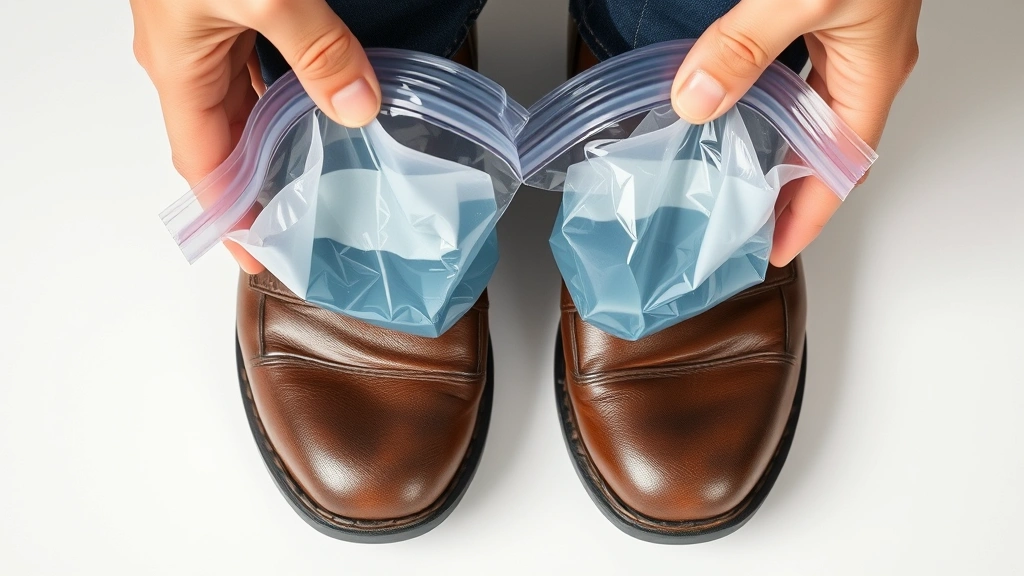
Let’s start with the most ingenious hack that costs absolutely nothing: the freezer method. This technique leverages a simple physics principle—water expands when it freezes. You’re essentially using that expansion force to gently stretch your shoe from the inside out.
Here’s how to do it:
- Fill two ziplock bags with water, leaving enough room for them to expand as they freeze
- Place one bag inside each shoe, positioning them in the areas that feel tightest
- Put the shoes in your freezer overnight, or for at least 8 hours
- Remove the shoes and let them thaw at room temperature for 30 minutes before removing the bags
- Try them on to assess the stretch
- Repeat if necessary
The beauty of this method? It’s completely passive. While you sleep, your shoes are getting stretched. There’s no heat damage risk, no chemicals involved, and you’re not putting stress on the material through manual manipulation. For leather shoes or delicate materials, this is often the safest first option.
Pro tip: If you’re worried about water leaking onto your shoe interior, wrap the ziplock bags in newspaper or paper towels before inserting them. This provides an extra buffer and absorbs any condensation that forms during thawing.
Heat Application Techniques
Heat opens up the fibers in most shoe materials, making them more pliable and easier to stretch. This is why professional cobblers often use heat as part of their stretching process. The key is applying heat gently and carefully to avoid damage.
The Hair Dryer Method
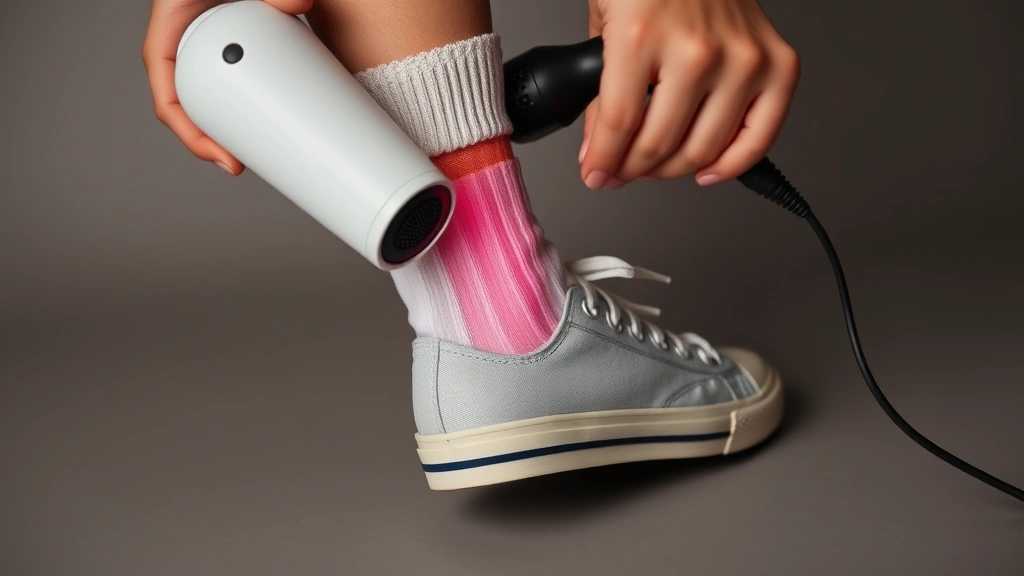
This is probably the most accessible heat approach. Put on a thick pair of socks and wear the shoes while using a hair dryer on medium heat. Direct the warm air around the tight areas for 30-60 seconds at a time. The combination of heat and your foot’s pressure inside the shoe helps stretch the material. Move the dryer constantly to avoid overheating any single spot. After heating, keep the shoes on and let them cool while still on your feet—this helps them set to your foot’s shape.
The Damp Newspaper Method
Stuff damp newspaper into the shoes, focusing on the tight areas. The moisture combined with room temperature allows the material to relax and expand gradually over several hours or overnight. Replace the newspaper if it dries out. This gentler approach works well for shoes that might be sensitive to direct heat.
Steam Stretching
Hold your shoes about 6-8 inches above a pot of boiling water or use a garment steamer. The steam penetrates the material and makes it more flexible. This is particularly effective for leather and canvas. After steaming for 30-60 seconds, immediately put on thick socks and wear the shoes while they cool. The warmth makes them more receptive to molding to your foot shape.
Shoe Stretchers and Professional Tools
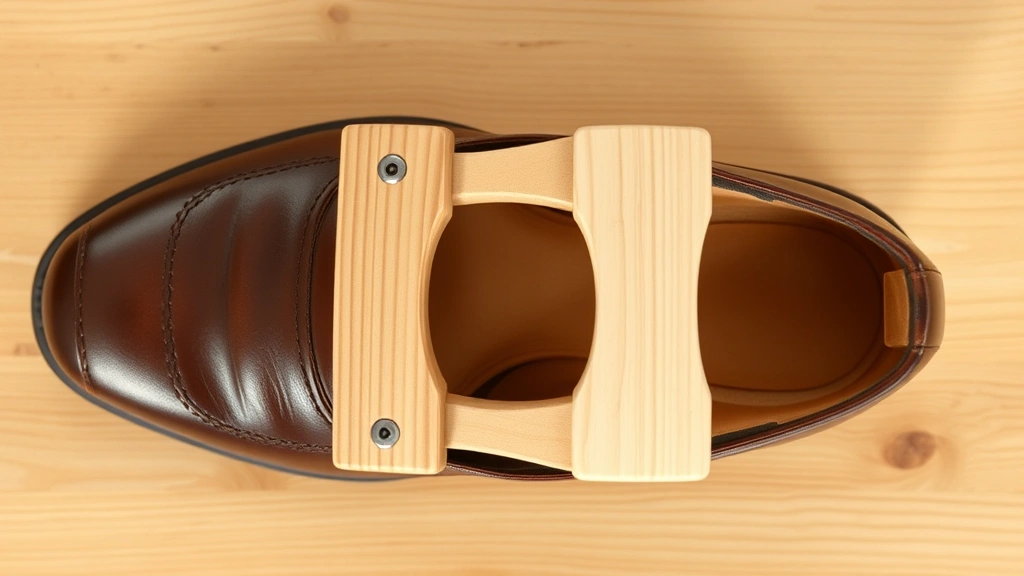
If you’re planning to stretch multiple pairs of shoes or want a more systematic approach, investing in a shoe stretcher might make sense. These devices come in various styles and price points, from basic wooden stretchers to adjustable two-way models.
Wooden Shoe Stretchers
Traditional wooden stretchers are durable, affordable, and effective. They typically have a handle you turn to expand the stretcher inside the shoe. Place the stretcher in your shoe and gradually turn the handle to expand it. Leave it in for 4-8 hours or overnight. For targeted stretching of specific areas, some stretchers have additional bunion or heel pads that can be inserted in problem zones.
Two-Way Stretchers
These expand both lengthwise and widthwise, offering more comprehensive stretching. They’re particularly useful if your shoes are tight both in length and width. The dual-expansion feature makes them worth the extra investment if you have multiple pairs needing attention.
Spray Stretchers
Some manufacturers sell shoe-stretching sprays designed to soften the material and make it more receptive to stretching. Apply the spray according to instructions, then use your stretcher or wear the shoes while they’re damp. These work best in combination with other methods rather than as standalone solutions.
When using any stretcher, consistency matters more than aggressive force. It’s better to stretch gradually over multiple sessions than to crank the stretcher to maximum expansion all at once. Think of it as coaxing the shoe to fit, not forcing it.
Stretching Specific Shoe Materials
Leather Shoes
Leather is forgiving and stretches beautifully. Any of the methods mentioned work well for leather. The freezer method is particularly effective, as is gentle heat application. For premium leather shoes, start with the most conservative methods—freezer or damp newspaper—before moving to heat. Leather naturally molds to your foot with wear anyway, so patience typically pays off.
Suede Shoes
Suede requires extra care because heat and moisture can damage the nap. Avoid direct steam or soaking. Instead, use the freezer method or the hair dryer on low heat. If you need to stretch suede, consider a suede-specific stretching spray, which is formulated to protect the material while softening it. Stuff with newspaper and let it dry naturally—never use direct heat on suede.
Canvas and Fabric Shoes
These materials have less natural stretch than leather, but they’ll still give somewhat. The freezer method works well. Heat application should be gentle and brief. Wearing the shoes with thick socks while they’re slightly damp from the damp newspaper method can help canvas mold to your foot. Avoid excessive moisture, as it can weaken the fabric or cause mildew.
Synthetic Materials
Synthetic fabrics vary widely in how much they’ll stretch. Generally, they’re less forgiving than natural materials. Start conservatively with the freezer method or damp newspaper approach. If you need more stretch, gentle heat application can help, but avoid extreme temperatures. Test any heat method on a less visible area first to ensure the material doesn’t warp or discolor.
If you’re dealing with delicate shoes or specialty materials, it might be worth researching specific care instructions. Some materials benefit from approaches that wouldn’t work on others. The key is understanding what you’re working with before applying any stretching technique.
Targeted Stretching for Problem Areas
Sometimes the entire shoe doesn’t need stretching—just one specific area. Maybe the toe box is fine, but the heel is tight. Or the width is good, but the ball of the foot feels cramped. Targeted stretching lets you address these specific problem zones.
Heel Stretching
For tight heels, use a shoe stretcher with a heel pad, or improvise by stuffing extra padding in just the heel area. You can also focus your hair dryer heat on the heel while wearing the shoes with thick socks. This area often needs just a slight adjustment to eliminate rubbing and blisters.
Toe Box Stretching
The toe box is frequently the culprit in shoes that feel too tight. Position your shoe stretcher to focus expansion in this area, or stuff newspaper primarily at the toe. The freezer method naturally addresses this since you’re filling the entire shoe, but you can enhance it by placing extra padding at the toe.
Ball of Foot Stretching
This is the widest part of your foot, and tightness here creates pressure and discomfort. Use a two-way stretcher set to expand widthwise, or wrap damp newspaper around this specific area. When using the hair dryer method, concentrate heat on the ball of the foot while wearing the shoes.
Bunion and Pinky Toe Areas
If you have a bunion or your pinky toe feels pinched, many shoe stretchers include specific pads for these areas. Position them in the shoe, then use your stretcher. Alternatively, stuff extra padding in these spots using the newspaper method. These areas often need just a millimeter or two of extra room to feel comfortable.
Prevention Tips for Future Fit Issues
Once you’ve successfully stretched your shoes, you’ll want to prevent future fit problems. Beyond proper shoe selection, a few habits help maintain comfort.
Break Them In Gradually
New shoes benefit from gradual wear rather than all-day marathons on day one. Wear them for a few hours at a time, allowing the material to gradually adapt to your foot. This natural stretching process is gentler on the shoe and your feet.
Proper Storage Matters
How you store shoes affects their longevity and fit. Use shoe trees to maintain shape when not wearing them. This prevents the material from settling into uncomfortable positions. Store in a cool, dry place—extreme heat can cause materials to relax excessively, while humidity can encourage mildew.
Maintenance and Care
Regular cleaning and conditioning keeps materials supple. For leather shoes, occasional conditioning treatments maintain flexibility. For canvas, gentle cleaning prevents stiffness. Proper care extends shoe life and helps materials maintain their intended fit. When you’re maintaining your shoes, think of it similarly to how you’d approach how to wash shoes in washing machine—gentle, consistent care prevents damage.
Size Verification Before Purchasing
The best solution is preventing the problem in the first place. Always try shoes on in the afternoon when your feet are slightly swollen—their largest size of the day. Wear the socks you’ll typically wear with those shoes. If a shoe feels snug in the store, it won’t magically loosen enough to become comfortable. However, if it’s just slightly tight and you love the style, now you know how to stretch shoes effectively.
Frequently Asked Questions
How long does it take to stretch shoes?
It depends on the method and how much stretching is needed. The freezer method takes one night (8+ hours). Heat methods show results within 30 minutes to a few hours. Shoe stretchers typically need 4-8 hours per session, and you might need multiple sessions for significant stretching. Generally, allow at least 24 hours between stretching sessions to let the material set.
Can you stretch shoes too much?
Yes, excessive stretching can damage shoes permanently. The material can lose its shape, become too loose, or even tear. This is why gradual, consistent stretching beats aggressive one-time attempts. If you’re nervous, start with conservative methods and assess results before proceeding to more intensive techniques.
Will stretching shoes make them permanently loose?
Not if done properly. Stretched shoes typically retain the expanded size indefinitely. However, some materials—particularly leather—will gradually contract slightly over weeks or months if the shoes aren’t worn regularly. Wearing them helps maintain the stretched shape. If you stretch shoes and then store them for months without wearing them, they might tighten slightly.
Which method works best for different shoe types?
For leather: any method works, but freezer or gentle heat are safest. For suede: freezer or low-heat methods only. For canvas: freezer or damp newspaper. For synthetics: start conservative with freezer method. For expensive or delicate shoes: always start with the most conservative method first.
Can I stretch shoes that are too small by a full size?
Stretching typically provides about a half-size to full-size maximum stretch. If shoes are significantly larger than that, stretching alone won’t make them wearable. You’d be better off exchanging them. However, if they’re only slightly more than a full size too small, combining multiple stretching methods might achieve enough expansion.
Is it better to use a professional cobbler or DIY stretching?
DIY methods work well for minor to moderate stretching needs. Professional cobblers have industrial equipment and expertise for complex situations or valuable shoes. If you have expensive designer shoes or significant stretching needs, professional help might be worth the investment. For everyday shoes needing modest stretching, DIY methods save money and work effectively.
How does stretching compare to shrinking clothes?
While stretching shoes expands them, the opposite principle applies to textiles. If you’ve ever wondered about how to shrink a shirt or how to shrink clothes, you’ll notice those processes use heat and moisture to contract fibers. Shoe stretching uses similar tools but in reverse—gentle expansion rather than contraction. The underlying principle of material manipulation is comparable, just applied differently.
Will stretched shoes feel different when wearing them?
Initially, yes—they’ll feel noticeably roomier. However, after a few wears, your foot adjusts and they feel normal. The goal is comfort, not a sloppy fit. Properly stretched shoes should feel snug but not tight, with no pressure points or rubbing. If they feel too loose after stretching, you’ve overdone it.
Can I stretch specific areas without stretching the entire shoe?
Absolutely. This is one of the advantages of targeted stretching methods. Shoe stretchers with specific pads, focused heat application, or strategic newspaper stuffing all allow you to stretch just the problem area. This is especially useful when only the toe box or heel needs adjustment.
What if stretching doesn’t work?
If you’ve tried multiple methods and the shoes still don’t fit, it’s time to accept that these particular shoes might not be your match. However, before giving up, consider whether the fit issue might be resolved through other means—thicker insoles, heel grips, or toe box padding can sometimes compensate for minor fit issues without requiring stretching.

Related Posts

How Long to Boil Lobster Tails: Cooking Guide

How Long to Fly from New York to London? Travel Times
