
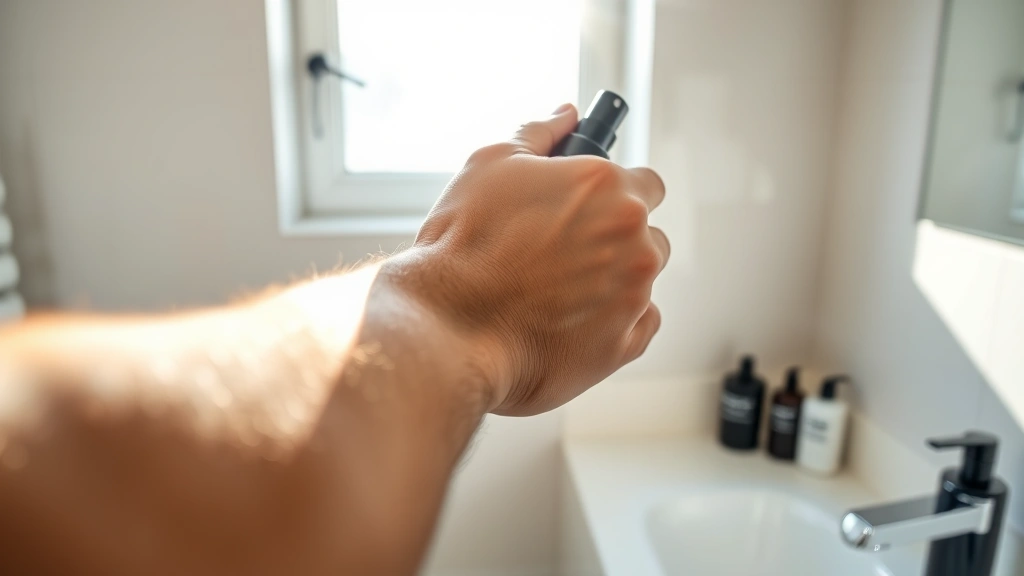
How to Apply Cologne: Expert Tips for Lasting Scent
How to Apply Cologne: Expert Tips for Lasting Scent
There’s an art to wearing cologne that goes far beyond simply spraying it on and calling it a day. The difference between smelling fresh and sophisticated versus overwhelming everyone in a five-foot radius comes down to technique, timing, and understanding how fragrance interacts with your body chemistry. Whether you’re preparing for a casual day at the office or an evening event, mastering the application of cologne transforms it from a grooming afterthought into a signature element of your personal style.
Many people underestimate how much their cologne application method impacts both longevity and how others perceive their scent. Apply it incorrectly, and you’re either reapplying every few hours or leaving a trail of overpowering fragrance that clears rooms. Get it right, and a single application in the morning carries you through the entire day with an elegant, barely-there presence that compliments rather than dominates.
This guide breaks down everything you need to know about applying cologne like a professional, from selecting the right spots on your body to understanding the science behind scent projection and longevity.
Understanding Cologne Basics
Before diving into application methods, it’s worth understanding what you’re actually working with. Cologne, technically speaking, refers to fragrances with a concentration of around 2-5% fragrance oils mixed with alcohol and water. This lower concentration compared to eau de parfum or perfume means cologne typically lasts 2-4 hours on the skin, which is why understanding proper application becomes crucial for maintaining your scent throughout the day.
The alcohol content in cologne serves a specific purpose: it helps the fragrance disperse and develop on your skin. When you spray cologne, the alcohol evaporates quickly, carrying the top notes of the fragrance with it. What remains is a carefully calibrated blend designed to evolve over time. This evolution, called the scent journey, is why timing your application matters just as much as where you apply it.
Quality cologne also contains fixatives—compounds that help anchor the fragrance to your skin and slow down evaporation. Understanding this chemistry helps explain why some application methods work better than others and why the placement of cologne on your body directly impacts how long it lasts.
The Importance of Pulse Points
Pulse points are areas where your blood vessels sit close to the surface of your skin, generating consistent warmth. This heat is your secret weapon for making cologne last longer and smell better. When you apply fragrance to these warm areas, the heat gently warms the scent molecules, causing them to diffuse more slowly and evenly throughout the day.
The primary pulse points on your body include your wrists, the inside of your elbows, your neck, and behind your ears. Some people also apply cologne to their chest, collarbone area, and even the inside of their ankles. Each of these locations offers a different benefit in terms of scent projection and longevity. Your wrists, for example, are perfect for everyday wear because the constant movement helps distribute the fragrance naturally. Your neck and behind your ears work beautifully for evening occasions when you want more noticeable scent presence.
The reason pulse points matter so much comes down to basic physics. Fragrance molecules need heat to activate and project. Without applying to these warm areas, your cologne sits stagnant on cooler parts of your skin, resulting in minimal scent throw and quick evaporation. This is why applying cologne to your forearm or behind your knees—areas without significant pulse points—rarely delivers satisfactory results.
Proper Application Technique
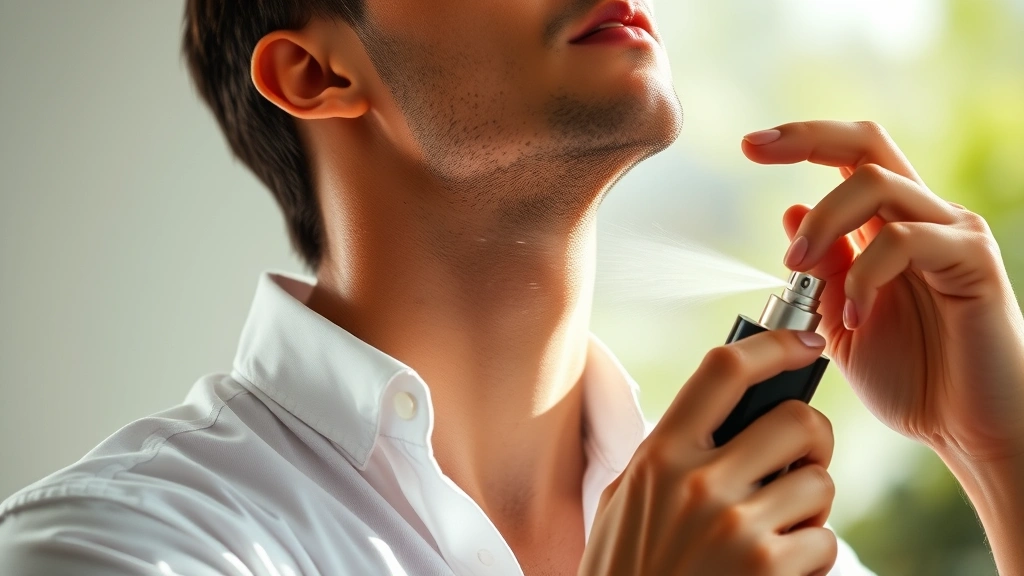
The most common mistake people make is rubbing their wrists together after applying cologne. This sounds logical—you’re spreading the fragrance around, right? Actually, you’re doing the opposite. Rubbing breaks down fragrance molecules and disrupts the carefully balanced composition of the scent. Instead, apply cologne to your pulse points and let it sit. The alcohol will evaporate naturally, and the fragrance will develop on its own schedule.
The optimal technique involves holding the cologne bottle 3-6 inches from your skin when spraying. This distance ensures an even mist rather than a concentrated spray that saturates one area. If you’re applying to your wrists, spray once on each wrist and let the fragrance settle for a moment. For your neck, spray once or twice depending on the strength of the cologne and your personal preference.
When applying to your neck or behind your ears, be cautious about over-application. These areas are closer to your nose, so what feels subtle to you might feel overwhelming to others. A good rule of thumb is to apply less to areas near your face and slightly more to areas like your chest and inner elbows where scent projection is still present but less intrusive.
Some fragrance enthusiasts prefer the “spray and walk through” method, where they spray cologne in front of them and walk through the mist. This distributes fragrance more evenly across your body and prevents over-concentration in any single area. This technique works particularly well for lighter colognes or when you’re uncertain about how much to apply.
Timing and Strategic Placement
Timing your cologne application matters just as much as the technique itself. The ideal time to apply cologne is immediately after showering, when your skin is still slightly damp. Damp skin holds fragrance longer than completely dry skin because moisture helps slow evaporation. However, make sure your skin isn’t dripping wet—a light dampness is all you need.
If you’re showering in the morning, apply your cologne right after you dry off and before getting dressed. This gives the fragrance time to settle into your skin before you put on clothes, which can sometimes interfere with scent projection if applied over fabric. Your clothing choice also matters; fragrances project differently depending on whether you’re wearing cotton, wool, synthetic fabrics, or silk.
For those interested in building a complete grooming routine, consider how cologne fits into your overall presentation. Just as you might fold a pocket square with precision for a polished look, applying cologne with intention contributes to your overall sophistication. Similarly, if you’re dressing up, you might tie a bow with a tie for a formal event, and your fragrance choice and application should complement that level of formality.
Strategic placement involves thinking about your day’s activities. If you have an important meeting in the morning, apply cologne to pulse points that won’t be noticed immediately—your inner elbows and chest rather than your neck. This prevents the strong initial projection from dominating the first impression. For evening occasions, applying more generously to your neck and behind your ears creates a more noticeable presence that’s appropriate for social settings.
Common Mistakes to Avoid
Beyond the wrist-rubbing mistake, several other application errors significantly impact how your cologne performs. Over-application is perhaps the most common offense. Many people believe more cologne equals better scent, when in reality, excessive application just creates an unpleasant cloud that fades quickly. Start with one or two spritzes and adjust from there based on feedback and your own perception.
Another mistake is applying cologne to dry skin immediately after a shower without any moisture. While this seems counterintuitive, completely dry skin actually causes fragrance to evaporate faster. The optimal moisture level is that light dampness immediately after showering. If you shower at night and want to apply cologne in the morning, slightly dampen your skin with a facial mist or hydrating spray before application.
Storing cologne incorrectly degrades its quality over time, which then impacts how it performs when applied. Keep your cologne in a cool, dark place away from direct sunlight and heat. Bathroom cabinets are ideal; windowsills or near light sources are not. Extreme temperature fluctuations break down fragrance molecules, reducing longevity and changing the scent profile.
Many people also make the mistake of applying cologne and then immediately putting on clothes. Give the fragrance 30 seconds to a minute to dry completely. This prevents the scent from being absorbed entirely by your clothing rather than settling into your skin where it can properly develop and project throughout the day.
Don’t apply cologne to irritated or broken skin. The alcohol content can sting and potentially cause problems. If you have sensitive skin or irritation on your pulse points, apply to alternative areas or consider using a fragrance-free moisturizer on sensitive areas before application to create a protective barrier.
Maximizing Longevity and Performance
If you’re serious about making your cologne last all day, start with proper skin preparation. Well-hydrated skin holds fragrance longer than dry skin. Use a fragrance-free or lightly scented moisturizer on your pulse points before applying cologne. This creates a slightly oily base that slows fragrance evaporation. Some people use unscented body oils specifically for this purpose, which works beautifully without competing with your cologne’s scent profile.
Layering fragrances can extend longevity, though this requires careful execution. If your cologne line offers a matching body wash or aftershave balm, using these products creates subtle scent layering that makes the fragrance last longer. The key is using complementary products rather than competing fragrances, which creates a confusing scent profile.
Your diet and hydration level also impact how fragrance performs on your skin. Dehydrated skin doesn’t hold scent as well, and certain foods can affect your body chemistry in ways that impact fragrance longevity. Maintaining proper hydration throughout the day helps your skin maintain its moisture content, which keeps fragrance locked in longer.
Consider applying cologne to areas that move less frequently for extended wear. While your wrists are perfect for everyday application, they experience constant movement that gradually disperses fragrance. For occasions where you want maximum longevity, apply to your chest, inner elbows, or behind your knees—areas that move less and therefore release fragrance more slowly throughout the day.
Seasonal and Occasion-Based Application
Seasonal changes require adjusting your cologne application strategy. During warmer months, your body produces more natural oils and sweat, which can intensify fragrance projection. You might apply less cologne in summer than you would in winter. Conversely, cold weather reduces natural skin oils, so you may need to apply slightly more fragrance or use additional moisturizing products underneath.
The formality of the occasion should guide your application intensity. For casual office settings, apply cologne conservatively—one spray on each wrist or a single spray on your chest. For evening social events, you can apply more generously. For formal occasions like weddings or galas, consider applying to multiple pulse points while still exercising restraint. Remember, people should discover your fragrance when they’re close to you, not from across the room.
If you’re someone who enjoys maintaining a polished appearance for all occasions, you might appreciate the same level of attention to detail in other grooming areas. Just as you would clean sterling silver accessories to maintain their shine, maintaining your fragrance application technique keeps your personal presentation consistently excellent. Attention to these details, whether it’s your grooming routine or your accessories, reflects an overall commitment to quality.
Weather conditions also matter. Humid weather causes fragrance to project more and last longer because moisture in the air helps carry scent molecules. In dry climates or during dry seasons, you might apply slightly more cologne or use the moisturizing pre-application technique mentioned earlier. Wind is another consideration—if you’re spending time outdoors on a windy day, apply cologne more generously to pulse points as wind naturally disperses fragrance faster.
Frequently Asked Questions
How many times should I apply cologne per day?
For most people, one application in the morning is sufficient for all-day wear. If you’re wearing a lighter cologne or have a particularly active day with lots of movement, you might reapply once in the afternoon. However, most quality colognes are designed to last 4-6 hours with proper application, so morning application typically carries you through the workday. Evening reapplication is perfectly acceptable if you’re going out socially after work.
Should I apply cologne before or after getting dressed?
Apply cologne after showering but before getting fully dressed. This allows the fragrance to settle into your skin rather than being absorbed by your clothing. If you’re applying cologne after getting dressed, spray it on your exposed skin (neck, wrists, chest) rather than on fabric. Some people prefer spraying cologne on their clothing, but this can stain delicate fabrics and prevents the fragrance from interacting properly with your body chemistry.
Why does my cologne smell different on me than it does on others?
This is completely normal and happens because fragrance interacts with your unique body chemistry. Your skin’s pH level, natural oils, diet, medications, and even your hormones influence how a fragrance develops on your skin. This is why the same cologne smells slightly different on everyone—and why it’s important to test fragrances on your own skin rather than just smelling them in the bottle or on someone else.
Can I apply cologne to my clothing instead of my skin?
While applying cologne directly to skin is ideal, applying to clothing is acceptable if necessary. However, this method has drawbacks. Fragrance develops and projects better when interacting with your skin’s warmth and natural oils. Applying to clothing can stain delicate fabrics and prevents the natural scent journey from occurring. If you must apply to clothing, use very light application and target areas less likely to stain, like the inside of your jacket.
Is it bad to apply cologne every single day?
No, applying cologne daily is perfectly fine. However, your skin might develop a tolerance to the scent over time, making it seem like the fragrance isn’t lasting as long. This is called olfactory adaptation—your nose simply gets used to the scent. Taking breaks from your regular cologne or rotating between different fragrances helps prevent this adaptation and keeps your fragrance experience fresh.
What’s the difference between cologne, eau de toilette, and eau de parfum?
The primary difference is fragrance concentration. Cologne contains 2-5% fragrance oils and typically lasts 2-4 hours. Eau de toilette contains 5-15% fragrance oils and lasts 4-7 hours. Eau de parfum contains 15-20% fragrance oils and lasts 6-10 hours. Understanding these differences helps you choose the right product for your needs and adjust application accordingly. A how to measure hips guide might seem unrelated, but the principle of precision applies to fragrance selection too—knowing exact specifications helps you make informed choices.
Should I store cologne in the refrigerator?
While keeping cologne cool helps preserve it, the refrigerator isn’t ideal because of temperature fluctuations every time you open the door. A cool, dark closet or cabinet is better. If you live in an extremely hot climate and want to extend your fragrance’s lifespan, a wine cooler set to a consistent cool temperature works well. Never freeze cologne, as this can damage the fragrance composition.
How do I know if I’m applying too much cologne?
A good test is to apply your usual amount and then stand near someone else. If they mention your fragrance unprompted or if you can smell it strongly on yourself throughout the day, you’re likely applying too much. People should notice your fragrance when they’re close to you—within a few feet—not from across a room. If you’re getting compliments about your fragrance being subtle and pleasant rather than overwhelming, you’ve found your sweet spot.
Can I layer different colognes together?
Layering different colognes is generally not recommended unless they’re specifically designed to complement each other. Mixing unrelated fragrances creates a confusing scent profile that often smells unpleasant. If you want to layer fragrances, stick with products from the same fragrance line or use complementary products like cologne and aftershave balm from the same brand. This creates intentional scent layering rather than accidental fragrance chaos.

Related Posts

How Long to Boil Lobster Tails: Cooking Guide

How Long to Fly from New York to London? Travel Times
