
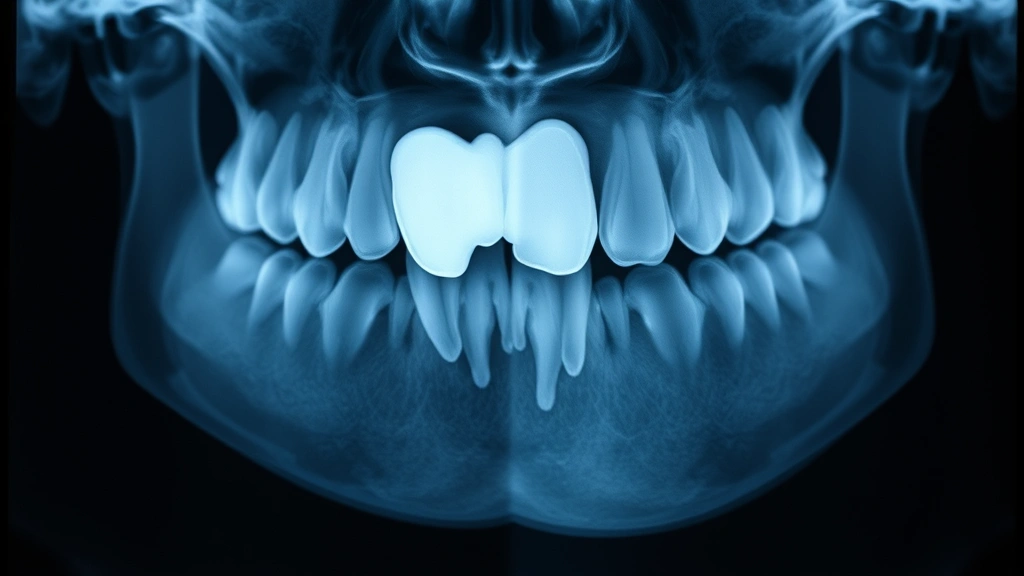
How Much Does Wisdom Teeth Removal Cost?
How Much Does Wisdom Teeth Removal Cost? A Complete Breakdown
Wisdom teeth removal is one of those dental procedures that makes most people simultaneously curious and anxious. You’ve probably heard horror stories from friends, seen the inevitable post-extraction selfies on social media, and wondered: exactly what’s this going to cost me? The truth is, wisdom teeth extraction expenses vary wildly depending on complexity, location, and your insurance coverage. But don’t worry—we’re going to walk through every factor that influences pricing so you can plan accordingly.
The average cost to remove wisdom teeth ranges from $75 to $200 per tooth for a simple extraction, but impacted teeth can run $225 to $600 each. For all four wisdom teeth, you’re typically looking at $300 to $2,000 without insurance, depending on how stubborn those teeth decide to be. The good news? Understanding what drives these costs empowers you to make smarter decisions about your oral health. Let’s break it down.
Types of Wisdom Teeth Extractions
Not all wisdom tooth removals are created equal, and neither are their price tags. The complexity of your extraction depends largely on how your teeth are positioned and whether they’ve erupted through the gums.
Simple Extractions are the least expensive option, running $75 to $200 per tooth. These happen when your wisdom teeth have fully erupted and are easily accessible. Your dentist can simply loosen the tooth with an instrument and pull it out. It’s straightforward, quick, and relatively painless—the dental equivalent of plucking a ripe apple from a tree.
Surgical Extractions cost considerably more, typically $225 to $600 per tooth. This is what happens when wisdom teeth are impacted (stuck beneath the gums or bone), partially erupted, or at awkward angles. Your oral surgeon needs to make incisions, possibly remove bone, and sometimes section the tooth into smaller pieces for removal. It’s more involved, takes longer, and requires advanced training.
Emergency Extractions might carry additional fees if you’re having a tooth pulled outside normal business hours or due to acute infection or trauma. Some practices charge 50 to 100 percent premiums for emergency dental services, so factor that in if you’re dealing with sudden wisdom tooth pain.

Factors That Affect Pricing
Several variables determine exactly where your wisdom teeth removal falls on the cost spectrum. Understanding these helps you predict expenses more accurately.
Tooth Impaction Level is the biggest price driver. Fully erupted teeth are cheapest. Partially impacted teeth (partially covered by gum or bone) cost more. Fully impacted teeth (completely buried) are most expensive. Some teeth are impacted horizontally or at unusual angles, which complicates removal and increases costs.
Number of Teeth Being Removed matters too. Extracting all four wisdom teeth at once typically costs less per tooth than removing them individually over several visits, since you only pay for anesthesia and setup once. Most oral surgeons offer package pricing for full extractions—sometimes 10 to 15 percent cheaper than individual procedures.
Tooth Root Complexity influences surgical difficulty. Curved, long, or multiple roots make extraction trickier and pricier. Your dentist can see root configuration on X-rays before quoting you, so ask for specifics during your consultation.
Bone Density and Gum Health affect how much work the surgeon needs to do. Dense bone requires more cutting. Inflamed or diseased gums complicate the procedure. These factors might not be apparent until the dentist examines you, which is why pre-extraction consultations are valuable.
Anesthesia Type adds to costs. Local anesthesia is cheapest. Nitrous oxide (laughing gas) adds $50 to $100. IV sedation runs $500 to $1,000 additional. General anesthesia (rarely used for routine wisdom teeth) costs significantly more. If you’re anxious about dental procedures, discussing sedation options during your consultation helps you budget accurately.
Provider Credentials matter. A general dentist typically charges less than an oral surgeon, but oral surgeons have specialized training for complex cases. Some wisdom teeth are better suited to specialist care, even if it costs more. You’re essentially paying for expertise and experience.

Insurance Coverage and Out-of-Pocket Costs
Here’s where wisdom teeth removal gets interesting financially. Most dental insurance plans cover 50 to 80 percent of extraction costs, but there’s usually a deductible you hit first.
Typical insurance coverage works like this: You pay your annual deductible (usually $25 to $100) before insurance kicks in. Then your plan covers a percentage—often 50 percent for surgical extractions, sometimes up to 80 percent for simple extractions. Many plans cap annual benefits at $1,000 to $1,500, though some have higher limits.
If you’re uninsured, you’re paying the full amount out of pocket. This is where understanding cost factors becomes crucial for budgeting. Some dental schools and community health centers offer reduced-cost extractions performed by students under supervision, though availability varies by location.
When researching costs, remember that wisdom teeth extraction is sometimes deemed preventative (covered more generously) versus necessary (covered less generously). Impacted teeth causing pain or infection often qualify for better coverage than prophylactic removal of healthy wisdom teeth.
It’s worth noting that wisdom teeth removal costs are similar in complexity to other dental investments. Just as understanding how much different home improvement projects cost helps you plan renovations, knowing extraction expenses helps you schedule dental work strategically—perhaps timing multiple procedures to maximize insurance benefits in a single calendar year.
Geographic Price Variations
Where you live significantly impacts wisdom teeth removal costs. Metropolitan areas typically charge more than rural regions. Coastal cities and major urban centers often see 30 to 50 percent higher prices than smaller towns.
Regional breakdowns show:
- Northeast and West Coast: $1,200 to $2,000 for all four teeth
- Midwest: $800 to $1,400 for all four teeth
- South: $900 to $1,600 for all four teeth
- Rural areas: $600 to $1,200 for all four teeth
Practice overhead, local cost of living, and provider demand all influence these regional differences. If you live in an expensive urban area, getting quotes from nearby suburbs or smaller towns might reveal significant savings.
It’s similar to how major cost comparisons exist across different regions—much like comparing expenses for ambitious projects like how much it costs to climb Mount Everest versus local outdoor adventures. Geographic location dramatically shapes what you’ll pay.
Payment Plans and Financing
Most oral surgery practices offer payment options because they understand that dropping $1,500 on wisdom teeth extraction isn’t realistic for many patients.
Payment Plans let you spread costs over 6 to 24 months, usually interest-free if paid within the promotional period. Many practices offer these through CareCredit or similar medical financing companies. You might pay $200 monthly instead of $1,200 upfront—much more manageable.
Dental Discount Plans provide another avenue. These membership-based programs (often $80 to $200 annually) give you 10 to 60 percent discounts at participating dentists. They’re particularly useful if you’re uninsured or have high deductibles. Do the math before joining—sometimes they save money, sometimes they don’t.
Negotiation is Possible with some practices, especially if you’re paying out of pocket for multiple teeth. Asking about package pricing or cash discounts sometimes yields 10 to 15 percent savings. It never hurts to ask politely.
HSA or FSA Funds can cover wisdom teeth extraction if you have these accounts through your employer. Money in these accounts is pre-tax, effectively giving you a 20 to 40 percent discount depending on your tax bracket. Check your plan documents to confirm wisdom teeth removal qualifies.
Post-Extraction Care Costs
The extraction itself isn’t the only expense. Post-operative care adds to total costs, though these are usually minor.
Prescription Medications for pain management and antibiotics typically cost $20 to $60. Your oral surgeon usually prescribes these, and generic options are often available for significant savings.
Follow-Up Appointments are usually included in your extraction fee, but some practices charge $50 to $100 for additional post-op visits if complications arise. Dry socket (a painful condition where the blood clot dislodges) sometimes requires treatment, adding $100 to $300.
Bone Grafting or Socket Preservation might be recommended if you’re planning dental implants later. This adds $200 to $500 but can save money long-term by maintaining jaw structure for implant placement.
After extraction, you’ll need soft foods for a few days—nothing expensive, just ice cream, yogurt, soup, and smoothies. Ice packs and gauze are inexpensive consumables. Proper post-extraction care following your surgeon’s instructions prevents complications that would cost far more to treat.
Speaking of post-extraction care, maintaining oral health afterward is crucial. If you’re getting braces or orthodontic work later, learning how to clean retainers properly prevents additional dental costs down the road. Similarly, understanding how to tell if you have a cavity helps you catch problems early before they become expensive.
It’s worth understanding that becoming a dentist requires extensive education—how long it takes to become a dentist is typically 8 to 10 years including undergraduate and dental school. This investment in training is partly why dental procedures cost what they do. You’re paying for years of specialized education and expertise.
Interestingly, cost analysis applies across many life domains. Just as you’d research how much it costs to make a penny to understand manufacturing economics, understanding wisdom teeth removal costs teaches you to evaluate medical procedures critically and make informed decisions about your health investments.
Frequently Asked Questions
What’s the average cost to remove all four wisdom teeth?
Without insurance, expect $1,200 to $2,000 for all four wisdom teeth, though this varies by location and complexity. With insurance covering 50 to 80 percent after your deductible, your out-of-pocket cost might be $300 to $800. Rural areas and general dentists typically charge less than urban areas and oral surgeons.
Can I get wisdom teeth removed for free?
Free or heavily discounted wisdom teeth removal is possible through dental schools, community health centers, and some charitable dental clinics. Military dental services cover extractions for active duty and some veterans. Some dental schools offer procedures at 50 to 70 percent discounts with student dentists performing work under faculty supervision. Call local dental schools and community health centers to inquire about availability.
Is wisdom teeth removal considered major or basic dental work for insurance?
Surgical extraction of impacted wisdom teeth typically falls under major dental services (50 to 80 percent coverage). Simple extractions of erupted teeth might be classified as basic services (80 percent coverage). Classification varies by plan, so check your specific coverage. Preventative extractions (removing healthy wisdom teeth before problems develop) sometimes get less generous coverage than extractions for existing problems.
How much more expensive is it to remove impacted wisdom teeth?
Impacted wisdom teeth cost 2 to 4 times more than simple extractions. Simple extractions run $75 to $200 per tooth. Partially impacted teeth run $200 to $400. Fully impacted teeth run $225 to $600. Horizontal impactions or teeth with complex root structures can cost even more. Your dentist can determine impaction level from X-rays during consultation.
Do I need to remove all four wisdom teeth at once?
You don’t have to remove all four simultaneously, but most oral surgeons recommend it if all four need extraction. Removing them together means one anesthesia session, one recovery period, and one set of post-operative restrictions. Removing teeth individually over multiple visits costs more in total fees and requires multiple recovery periods. If only one or two teeth are problematic, removing just those is reasonable.
What’s included in the extraction cost?
The quoted extraction price typically includes the surgical procedure, local anesthesia, and immediate post-operative care instructions. It usually doesn’t include nitrous oxide, IV sedation, or general anesthesia (these are add-ons). Follow-up appointments are sometimes included, sometimes charged separately. Bone grafting, socket preservation, and tooth sectioning might be additional fees. Always ask what’s included before committing.
Are there cheaper alternatives to surgical extraction?
If your wisdom teeth haven’t erupted and aren’t causing problems, you might delay extraction indefinitely—the cheapest option is no extraction. However, if extraction is necessary, the only real alternative is choosing a general dentist instead of an oral surgeon, which usually costs 20 to 40 percent less but might not be suitable for complex cases. Some dentists refer difficult cases to specialists anyway, so you might end up paying specialist fees regardless.
How long does wisdom teeth removal take?
Simple extractions take 15 to 30 minutes per tooth. Surgical extractions take 30 to 60 minutes per tooth. Removing all four teeth typically takes 1 to 2 hours total. Complexity, tooth position, and root structure affect timing. Longer procedures sometimes cost more, so ask your surgeon for time estimates during consultation.

Related Posts

How Long to Boil Lobster Tails: Cooking Guide

How Long to Fly from New York to London? Travel Times
