
How Long Do Tattoos Take to Heal? Expert Insights
How Long Do Tattoos Take to Heal? Expert Insights on Aftercare and Timeline
Getting a tattoo is an exciting moment—the anticipation, the needle’s buzz, and finally seeing your permanent artwork come to life. But here’s the thing nobody talks about enough: what happens after you leave the studio matters just as much as the design itself. The healing process is where your tattoo either becomes the masterpiece you envisioned or a cautionary tale you’d rather forget.
If you’ve just gotten inked or you’re planning your first tattoo, you’re probably wondering exactly how long this healing thing takes. The answer isn’t as straightforward as “X days,” but we’re going to break down the entire timeline and give you the expert insights you need to keep your new ink looking fresh and vibrant for decades to come.
The truth is, tattoo healing happens in layers—literally. Your skin goes through distinct phases, and understanding each one helps you navigate the process without accidentally sabotaging your artwork. Let’s dive into what science and professional tattoo artists have learned about this fascinating biological process.
The Complete Tattoo Healing Timeline
When your tattoo artist finishes their work, they’re not done with you yet—they hand you off to yourself, which is arguably the harder part. Your skin has just experienced controlled trauma, and your body’s natural response is to heal it. This process unfolds in three distinct phases that typically span anywhere from two to six weeks for surface healing, though deeper layers can take several months to fully stabilize.
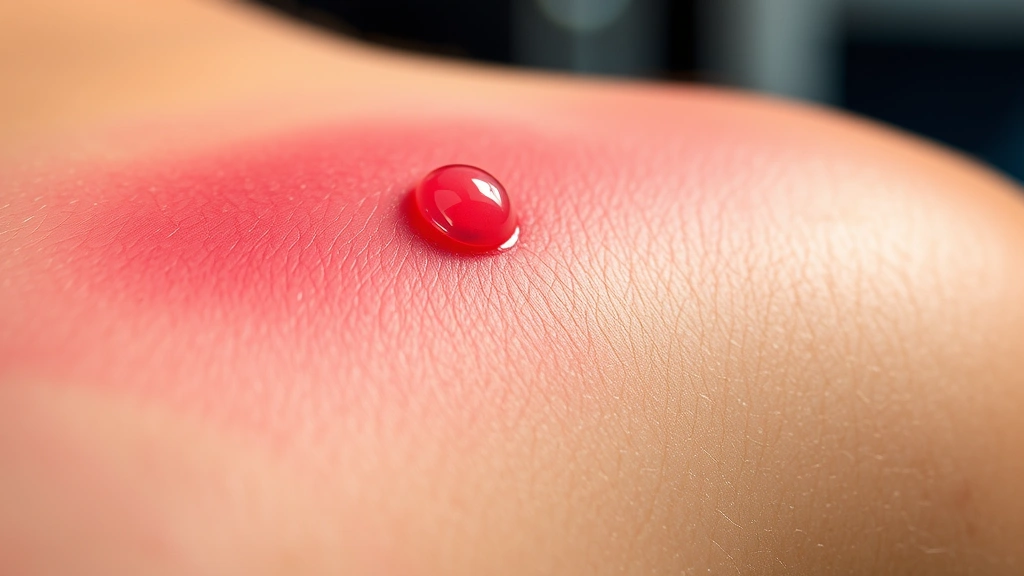
Phase One (Days 1-3): Your tattoo is essentially an open wound. Your body treats it like any other injury, triggering inflammation and sending white blood cells to the area. You’ll notice redness, swelling, and mild oozing—this is completely normal and actually a sign your immune system is doing its job.
Phase Two (Days 4-14): The swelling decreases, but this is when things get itchy. Your skin starts the peeling process as it sheds the damaged outer layer. Resist the urge to scratch—this is where many people accidentally damage their tattoo.
Phase Three (Weeks 3-6): The visible peeling subsides, and your tattoo appears mostly healed on the surface. However, deeper skin layers are still knitting together. This is why patience matters; your tattoo might look done, but it’s still working on the inside.
If you’re interested in learning about other skin-related topics, you might want to explore how to get hair dye off skin, which shares some similar skin care principles.
First Two Weeks: The Critical Phase
The first fourteen days are absolutely crucial. This is when your tattoo is most vulnerable, and your decisions during this window can genuinely impact the final result. Think of it like the foundation of a house—you can’t skimp on this part and expect quality results later.
Days 1-3: The Oozing Stage
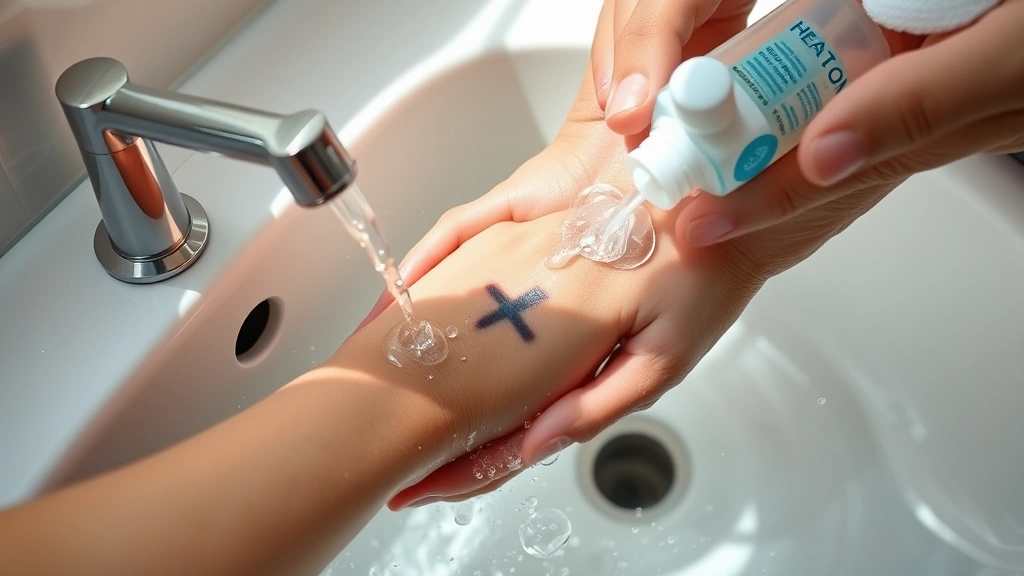
Right after your session, your tattoo will weep a mixture of blood, plasma, and ink. Your artist should have covered it with a sterile bandage or plastic wrap, which you should keep on for the time they recommend—typically 2-4 hours. After removing the initial bandage, gently wash the area with unscented antibacterial soap and pat it dry with a clean paper towel (not cloth, which can snag).
During these first few days, you’ll want to apply a thin layer of fragrance-free moisturizer or specialized tattoo aftercare ointment. Many artists recommend products like Aquaphor or similar petroleum-based ointments, though some prefer newer options specifically formulated for tattoo care.
Days 4-7: The Itching Begins
By day four, you might notice the itching starting. This is your skin’s way of saying it’s beginning the healing process. The temptation to scratch is real, but here’s why you shouldn’t: scratching can pull out ink, cause scarring, and potentially lead to infection. Instead, gently tap the area or apply cool (not cold) compresses when the itching gets intense.
Keep washing the tattoo gently with antibacterial soap twice daily. Pat dry and apply moisturizer. Avoid swimming, hot tubs, and prolonged water exposure during this phase—your tattoo is still an open wound, essentially, and chlorine or bacteria-laden water can cause serious problems.
Days 8-14: The Peeling Intensifies
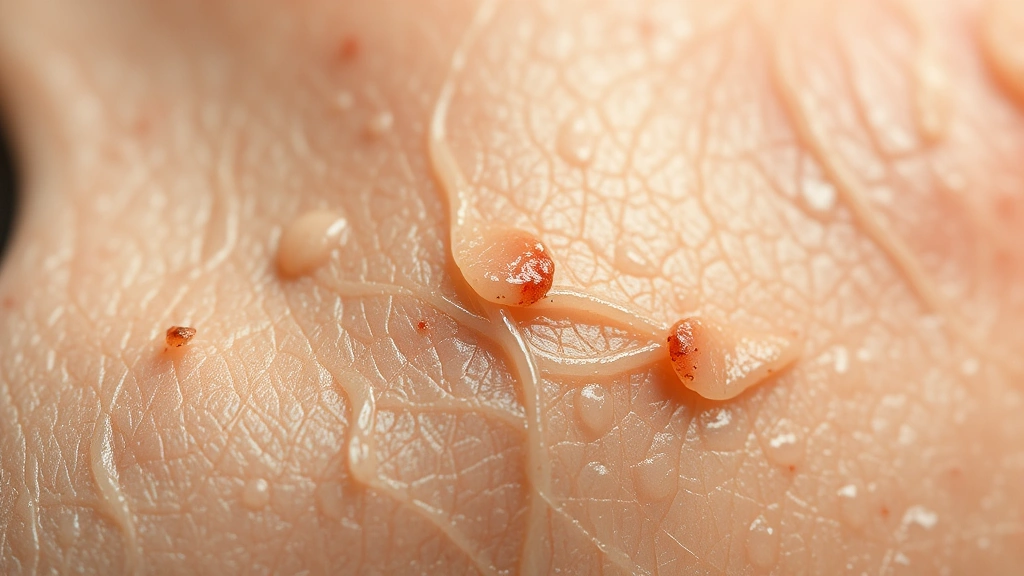
Around day eight, you’ll notice your tattoo starting to peel. This might look alarming—it can appear like your tattoo is falling off, but it’s actually just the damaged outer layer of skin doing exactly what it’s supposed to do. The ink sits in the deeper layers of your dermis, so some surface peeling is totally normal and expected.
Continue your gentle washing and moisturizing routine. Avoid picking at the peeling skin, even though it might feel like dead skin you could just remove. Let it shed naturally. If you’re wondering about other ways to care for your skin during this time, the principles are similar to how to clean sterling silver—gentle, consistent care with the right products makes all the difference.
Weeks Three to Four: The Peeling Stage
By week three, most of the visible peeling should be complete. Your tattoo might look a bit dull or cloudy at this point—this is completely normal. A thin layer of skin is forming over the tattoo, which will eventually clear up and reveal the vibrant colors beneath.
You can usually transition away from heavy ointments to regular fragrance-free moisturizer at this point. Your tattoo should feel less tender, and you can resume most normal activities. However, continue avoiding direct sunlight, chlorinated water, and intense physical activity that causes excessive sweating.
Many people think their tattoo is fully healed at this stage and stop caring for it. Don’t fall into this trap. Even though it looks healed on the surface, the deeper layers of skin are still stabilizing. This is why dermatologists recommend continued sun protection for at least a few more weeks.
Full Healing: What You Need to Know
Here’s where the timeline gets a bit fuzzy, and it’s important to understand why. Surface healing—what you can see and feel—typically completes within four to six weeks. But true, complete healing goes much deeper.
Surface Healing vs. Deep Healing
The epidermis (outer layer of skin) heals relatively quickly. But your tattoo ink is deposited in the dermis, the layer beneath the epidermis. This deeper layer continues remodeling and stabilizing for up to three to four months after you get inked. During this time, your body’s immune system is still processing the ink particles, and the collagen around the ink is settling into its final position.
This is why tattoo artists sometimes recommend a touch-up session around the three-month mark. By then, they can see how the tattoo has truly settled and can make adjustments if needed. Some colors fade more than others during this period, and some areas might need a bit of reinforcement.
The Full Timeline by the Numbers
- Weeks 1-2: Initial healing, oozing, and inflammation
- Weeks 3-4: Major peeling and surface-level healing
- Weeks 5-6: Visible healing mostly complete; skin appears normal
- Weeks 7-12: Deep healing continues; ink settles and stabilizes
- Months 3-4: Full stabilization; tattoo reaches its final appearance
Aftercare Essentials That Actually Work
Proper aftercare is non-negotiable if you want your tattoo to look good for decades. Here’s what actually matters, based on what professional tattoo artists and dermatologists recommend.
The Right Products
Your artist probably gave you specific aftercare instructions and maybe even a product recommendation. Follow those recommendations. Generally, you want:
- Fragrance-free antibacterial soap for gentle cleaning
- Unscented moisturizer or specialized tattoo aftercare balm
- Sunscreen with SPF 30+ once the tattoo is past the initial healing phase
Avoid products with heavy fragrances, alcohol, or harsh chemicals. Your skin is already irritated; it doesn’t need additional stress. If you’re curious about product selection and care, it’s similar to the thoughtfulness required when learning how to remove super glue—you need the right product for the job to avoid causing more damage.
The Washing Routine
Wash your tattoo gently with antibacterial soap and lukewarm water twice daily for the first two weeks. Use your fingers, not a washcloth. Pat dry with a clean paper towel, then apply your chosen aftercare product. This simple routine, done consistently, prevents infection and supports optimal healing.
Sun Protection
UV exposure is one of the biggest enemies of tattoo longevity. During the first month, keep your tattoo covered from direct sunlight as much as possible. After that, always apply sunscreen before sun exposure. This isn’t just about healing; it’s about preserving your tattoo’s vibrancy for years to come.
Activity Restrictions
During the first two weeks, avoid:
- Swimming and hot tubs (bacteria and chlorine)
- Saunas and steam rooms (excessive heat and moisture)
- Intense exercise that causes heavy sweating
- Tight clothing that rubs against the tattoo
- Sleeping directly on the fresh tattoo
These restrictions aren’t forever—usually just for the first two to four weeks, depending on the tattoo’s size and location.
Common Mistakes That Delay Healing
Even with the best intentions, people often make mistakes that extend their healing timeline or compromise their tattoo’s appearance. Here are the biggest culprits:
Over-Moisturizing
Ironically, too much ointment or moisturizer can suffocate your tattoo and trap bacteria. Apply a thin layer, not a thick coating. Your skin needs some air circulation to heal properly.
Picking and Scratching
This is the number-one reason tattoos look less vibrant than they should. When you pick at peeling skin, you’re literally removing ink along with the dead skin. The itching is temporary; the damage to your tattoo is permanent. Tap, don’t scratch. Apply cool compresses. Distract yourself. But don’t pick.
Ignoring Infection Signs
Most tattoos heal without incident, but infection is possible. If you notice excessive redness, warmth, pus, or red streaks spreading from the tattoo, contact your artist or a healthcare provider immediately. Don’t wait it out.
Submerging in Water Too Soon
Quick showers are fine, but baths, swimming, and hot tubs during the first two weeks are risky. These environments introduce bacteria and can cause the outer layer of skin to become overly soft and prone to damage.
Changing Products Constantly
Your artist recommended a specific product for a reason. Switching between different ointments, creams, and balms can irritate your skin and disrupt the healing process. Stick with one product unless you have an allergic reaction.
Factors That Affect Your Healing Timeline
Not everyone heals at the same rate. Several factors influence how quickly your tattoo settles and stabilizes.
Tattoo Size and Complexity
A small, simple design heals faster than a large, detailed piece. The larger the area of trauma, the longer your body takes to fully repair it. A full sleeve might take longer to stabilize than a small wrist tattoo.
Location on Your Body
Tattoos on areas with thinner skin or more movement (like your fingers, feet, or joints) can take longer to heal. Conversely, areas with thicker skin and less movement (like your chest or back) often heal more quickly and predictably.
Your Age and Overall Health
Younger people generally heal faster than older folks. Your overall health, immune system function, and any medications you take can all influence healing speed. If you have any health concerns, discuss them with your artist before getting tattooed.
Your Aftercare Dedication
This might be obvious, but it’s worth stating: people who follow aftercare instructions carefully heal faster and get better results. Your commitment to the process directly impacts your outcome.
Ink Quality and Application
Professional artists using quality ink and proper application techniques produce tattoos that heal more predictably. This is another reason to invest in a reputable artist rather than the cheapest option available. If you’re thinking about long-term investments in quality, it’s similar to understanding how to tell if a diamond is real—quality matters, and it’s worth paying for expertise.
Your Lifestyle During Healing
If you’re a marathon runner or you work in a sweaty environment, your healing might take longer. Excessive sweating, friction, and physical stress on the tattoo all slow the process. Try to minimize these factors during the critical first month.
According to This Old House’s guide to home care and maintenance, consistency and attention to detail matter in any healing or restoration process—the same principle applies to tattoo aftercare.
Frequently Asked Questions
How long before I can get my tattoo wet?
After the first 24-48 hours, quick showers are fine. However, avoid submerging your tattoo in water (baths, pools, hot tubs) for at least two weeks. Even then, it’s better to wait until the visible peeling is completely done.
When can I exercise after getting a tattoo?
Light activity is usually fine after a few days, but avoid intense exercise that causes heavy sweating for at least two weeks. Sweat can irritate your healing tattoo and introduce bacteria. Once the initial healing phase is complete, you can resume your normal routine.
Is my tattoo infected or just healing normally?
Normal healing includes mild redness, swelling, and oozing for the first few days, plus itching and peeling around day four and beyond. Signs of infection include excessive warmth, pus, red streaks spreading from the tattoo, fever, or swelling that worsens after day three. If you’re concerned, contact your artist or a healthcare provider.
Can I use regular lotion on my tattoo?
Not during the initial healing phase. Regular lotions often contain fragrances and ingredients that can irritate your tattoo. Stick with fragrance-free moisturizer or the specific product your artist recommended. Once fully healed (after 4-6 weeks), regular lotion is fine.
Why is my tattoo peeling so much?
Peeling is a completely normal part of healing. Your outer layer of skin is shedding because it’s been damaged by the tattooing process. This typically peaks around days 5-10 and should be mostly done by week three. Don’t pick at it—let it shed naturally.
How long until my tattoo looks like the final design?
The colors might look slightly dull or cloudy for the first month as new skin grows over the tattoo. By week four to six, you’ll have a much clearer picture of the final result. However, true stabilization takes up to three to four months as deeper skin layers settle. Some artists recommend a touch-up around the three-month mark to ensure optimal vibrancy.
Can I go in the sun while my tattoo is healing?
Direct sun exposure during the healing phase can fade colors and cause complications. Keep your tattoo covered or in the shade during the first month. After that, always use SPF 30+ sunscreen on your tattoo to prevent fading and protect your skin.
What if I notice my tattoo is fading during healing?
Some fading during the healing process is normal. The cloudiness that appears as new skin grows over the tattoo will clear up. If you notice significant fading or uneven color after the tattoo is fully healed (4-6 weeks), contact your artist about scheduling a touch-up.
For more information about professional aftercare recommendations, consult reputable health and wellness resources or ask your tattoo artist for their specific guidance.
The healing process for a tattoo is genuinely fascinating when you understand what’s happening beneath your skin. By respecting the timeline, following proper aftercare, and avoiding common mistakes, you’re setting your tattoo up for decades of looking exactly like you envisioned. Your new ink isn’t just a permanent mark on your body—it’s a commitment to caring for yourself properly. Treat the healing phase with the seriousness it deserves, and your tattoo will reward you with vibrant, clear artwork for years to come.

Related Posts

How Long to Boil Lobster Tails: Cooking Guide

How Long to Fly from New York to London? Travel Times
