
How to Wash Rice: Expert Guide
How to Wash Rice: Expert Guide to Perfect Grains Every Time
Rice is a staple in kitchens worldwide, yet many home cooks skip a crucial step that transforms the final dish: washing. Whether you’re preparing jasmine, basmati, arborio, or everyday white rice, understanding the proper washing technique isn’t just about cleanliness—it’s about achieving that perfect texture and flavor you’ve been chasing. The difference between fluffy, separated grains and a gluey, disappointing mess often comes down to this simple preparatory step that takes mere minutes.
The reason rice needs washing might surprise you. Raw rice kernels are coated with a fine layer of starch and rice bran that accumulates during milling and packaging. This coating, combined with dust and debris that inevitably settles during storage and transport, affects both the appearance and cooking quality of your rice. Many commercial rice products don’t require washing for safety reasons, but the washing process removes excess starch that causes clumping and creates a more refined, restaurant-quality result. Think of it as giving your rice a gentle spa treatment before it hits the pot.
This comprehensive guide walks you through everything you need to know about washing rice properly, from selecting the right method to troubleshooting common issues. Whether you’re a seasoned cook or someone just learning their way around the kitchen, mastering this technique will elevate your rice dishes from mediocre to memorable.
Why Washing Rice Matters
The importance of washing rice extends beyond simple cleanliness. When you wash rice, you’re removing surface starch that, if left behind, causes grains to stick together during cooking. This starch creates a gummy texture that obscures the individual grain structure and compromises the dish’s overall appeal. Professional chefs understand this principle well, which is why restaurant rice consistently achieves that coveted fluffy texture.
Beyond texture, washing rice removes dust particles, broken grains, and occasionally small stones that may have made it through commercial processing. While modern rice mills are sophisticated, occasional contaminants slip through. Taking two minutes to rinse your rice prevents unpleasant surprises during your meal and ensures a cleaner, more refined final product.
The starch removal process also impacts cooking time and water absorption. Washed rice cooks more predictably because the grain absorbs liquid at a consistent rate. This means fewer surprises with undercooked or mushy rice, giving you greater control over your cooking results. For those interested in perfecting their technique, learning how to make white rice properly begins with understanding the importance of this foundational step.
Understanding Different Rice Types
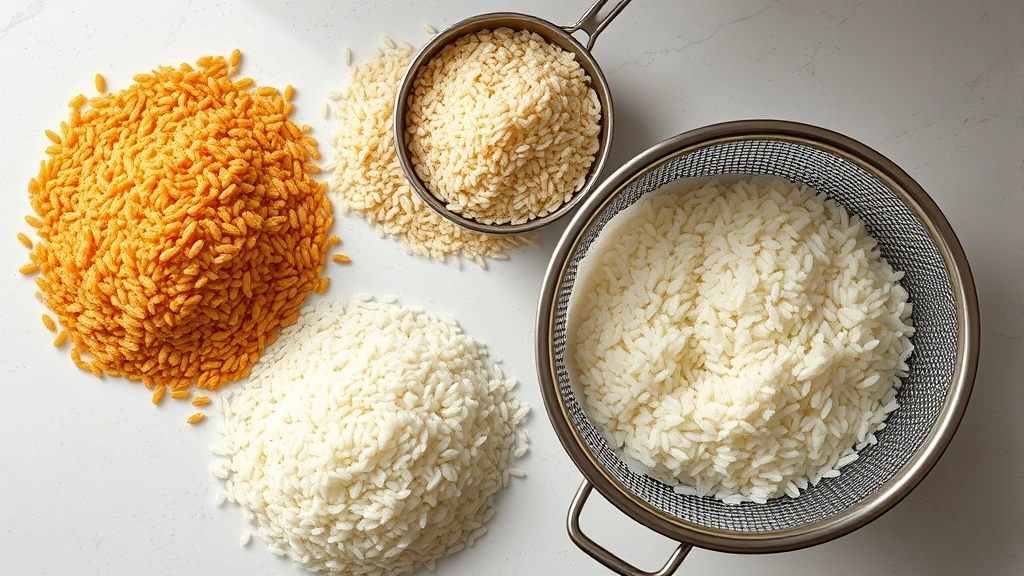
Not all rice requires the same washing approach. Short-grain varieties like sushi rice or arborio benefit from thorough washing to remove maximum starch, creating the sticky consistency these dishes demand. Medium-grain rice like bomba or calasparra responds well to standard rinsing. Long-grain varieties, including basmati and jasmine, require gentler handling to prevent grain breakage while still removing surface starch.
Aromatic rice varieties like basmati and jasmine deserve special mention. These premium rices have delicate fragrances that some cooks worry washing might diminish. The good news: proper rinsing doesn’t eliminate the aroma; it enhances the cooking process while preserving the rice’s distinctive character. The key is using cool water and gentle motion rather than aggressive scrubbing.
Brown rice presents an interesting case. The bran layer that gives brown rice its nutritional advantage and nutty flavor means it requires slightly different handling. Brown rice should be rinsed gently to avoid damaging the bran, and some cooks prefer soaking it briefly to improve cooking consistency. Wild rice and specialty grains follow similar principles but may have unique characteristics worth researching.
The Basic Washing Method
The fundamental approach to washing rice is straightforward: rinse repeatedly with cool water until the water runs relatively clear. This typically requires three to five rinses, depending on the rice type and how much starch coating it has. The process is simple enough for beginners yet produces professional results.
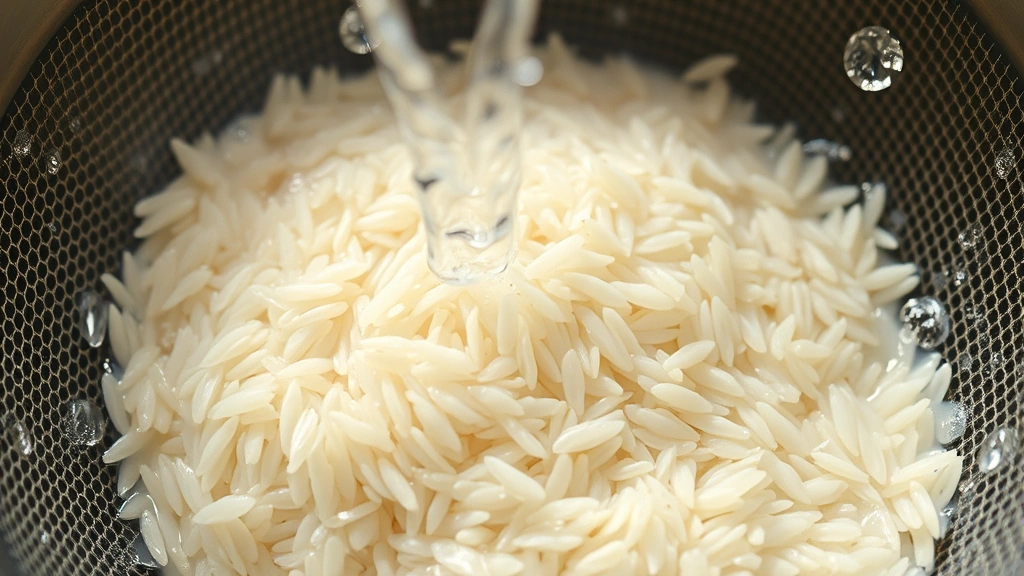
Start by measuring your desired rice quantity into a fine-mesh strainer or colander. Cold water is essential here—warm or hot water can begin cooking the rice prematurely and compromise texture. Place the strainer under cool running water and gently stir the rice with your fingers, allowing water to flow through and carry away loose starch and debris. The motion should be gentle and deliberate, not aggressive.
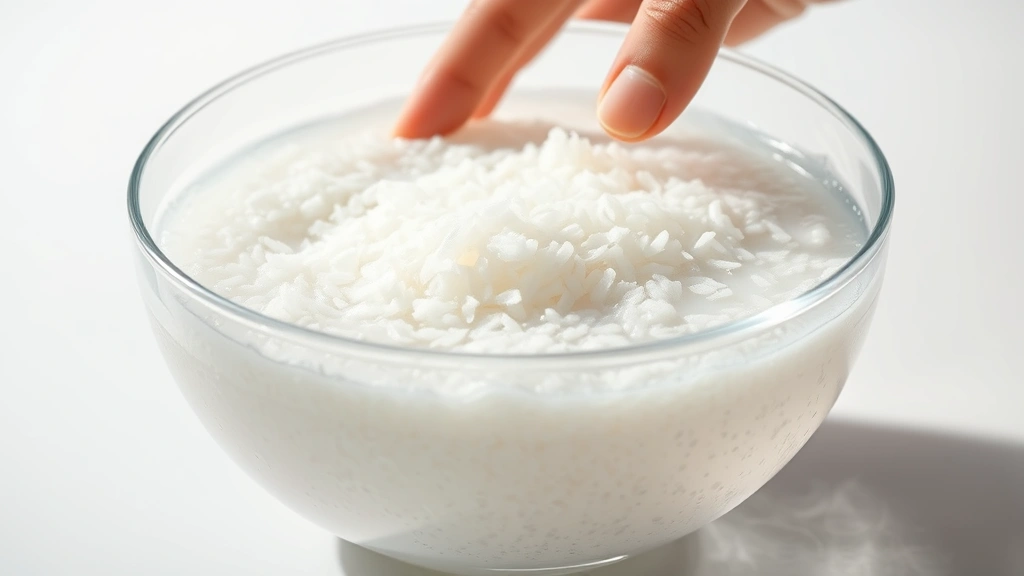
After the first rinse, transfer the rice to a bowl and cover it with fresh cool water. Use your hand to swish the rice gently for about thirty seconds, observing how the water becomes cloudy with starch. Drain this water through your strainer and repeat the process. Continue this cycle until the water remains mostly clear—typically after three to five repetitions. You’re aiming for clarity, not absolute crystal clarity, which would require excessive rinsing and potentially compromise grain integrity.
Step-by-Step Instructions
What You’ll Need:
- Fine-mesh strainer or colander
- Large mixing bowl
- Cool running water
- Your desired rice quantity
- Measuring cup (optional but helpful)
The Process:
- Measure and Inspect: Pour your rice into a measuring cup to determine quantity, then examine it briefly for any visible debris or discolored grains. Remove any stones or obviously damaged kernels. This takes only a moment but prevents unpleasant surprises during cooking.
- Initial Rinse: Place the rice in your fine-mesh strainer and hold it under cool running water. Use your other hand to gently move the rice around, allowing water to flow through and wash away surface dust and loose starch. Continue for about 15-20 seconds.
- Bowl Washing: Transfer the rinsed rice to a large bowl and add cool water until the rice is covered by about an inch. Using your hand, gently swish the rice through the water for 20-30 seconds. You’ll notice the water becomes quite cloudy—this is starch being released, exactly what you want.
- First Drain: Pour the rice back into your strainer, letting the cloudy water drain away. Don’t rinse under running water yet; simply drain the bowl water.
- Repeat the Cycle: Return the drained rice to your bowl and repeat steps 3-4. On the second repetition, the water should be noticeably less cloudy. Continue this process for a total of 3-5 times until the water is mostly clear.
- Final Rinse: On your last cycle, perform a final quick rinse under cool running water while the rice is in your strainer. This removes any remaining loose starch and prepares the rice for cooking.
- Prepare for Cooking: Your rice is now ready to cook using your preferred method. If you’re making white rice, follow proper white rice preparation techniques for optimal results.
The entire process takes about 3-5 minutes and becomes faster with practice. Many cooks develop an intuitive sense for when their rice is sufficiently clean, recognizing the visual cues that indicate proper starch removal.
Common Mistakes to Avoid
Over-Washing: While washing is beneficial, excessive rinsing can remove beneficial nutrients and essential minerals. Once the water is mostly clear, you’ve accomplished the goal. Continuing to rinse another ten times doesn’t improve results and wastes water. The sweet spot is typically 3-5 rinses depending on rice type and starting starch level.
Not Using Cool Water: Warm or hot water can partially cook the exterior of rice grains, affecting their texture and cooking behavior. Always use cool water to maintain grain integrity and ensure predictable cooking results. This is particularly important for delicate varieties like jasmine or basmati.
Aggressive Scrubbing: Rough handling breaks grains, particularly long-grain varieties. The washing process should be gentle and deliberate. Think of it as a massage rather than a vigorous scrub. Your goal is removing surface starch, not abrading the grain itself.
Using Hot Water: Never use hot water for rinsing rice. Beyond the cooking concerns mentioned above, hot water can cause uneven starch removal and compromise the grain’s structure. Room temperature or cool water is always the right choice.
Skipping the Bowl Method: Some cooks rinse only under running water. While this works, the bowl method is more efficient because it allows starch to accumulate in the water, creating a more effective cleaning action. The combination of running water rinsing and bowl washing produces superior results.
Forgetting to Drain Completely: After your final rinse, ensure the rice is well-drained. Excess water clinging to grains affects your water-to-rice ratio during cooking, potentially resulting in mushy or undercooked rice. A few gentle shakes of the strainer ensure proper drainage.
Regional Washing Techniques
Different culinary traditions have developed specific approaches to rice preparation. In many Asian cuisines, the bowl method we’ve described is standard practice, refined over centuries to achieve specific textural goals. Japanese cooks, for instance, use this technique to develop the stickiness essential for sushi rice, while Indian cooks often wash rice more thoroughly to achieve the separate-grain texture preferred in pilaf dishes.
Mediterranean cooking traditions sometimes skip washing entirely for certain dishes where a slight starch coating helps grains hold together during cooking. However, this approach is less common today and generally not recommended for most home cooking situations.
Latin American cuisines often employ a quick rinse rather than extensive washing, particularly when making rice dishes where some starch helps create the desired consistency. The key insight here is that washing techniques vary by regional preference and the specific dish being prepared, but the basic principle—removing excess starch while preserving grain integrity—remains constant.
When preparing international dishes, researching the traditional approach for that specific cuisine can provide valuable guidance. Just as you’d research proper garlic storage methods for different cooking traditions, understanding regional rice preparation techniques enhances your ability to recreate authentic flavors and textures.
Essential Equipment and Tools
Fine-Mesh Strainer: This is your primary tool. A quality strainer with small enough mesh to catch individual rice grains while allowing water to flow freely is essential. Look for stainless steel construction that won’t rust and holds up to repeated use. Most kitchen supply stores carry excellent options in the $10-25 range.
Colander: A colander with larger holes works less effectively than a fine-mesh strainer but can work in a pinch. However, some rice grains will slip through larger holes, so a dedicated fine-mesh strainer is worth the investment.
Large Bowl: You’ll need a bowl large enough to hold your rice with room for water coverage. A 3-4 quart capacity works well for most household quantities. Glass or ceramic bowls are preferable as they’re easier to see through and observe the starch level in the water.
Measuring Cup: While not strictly necessary, a measuring cup helps you determine how much water you’ll need for cooking. This isn’t essential for washing but useful for the overall rice preparation process.
Optional: Rice Washer: Specialty rice washing devices exist that automate the process, featuring mesh chambers that allow you to rinse rice by filling and draining repeatedly. These are convenient for those who cook rice frequently but aren’t necessary for achieving excellent results with basic equipment.
Quality equipment makes the process more enjoyable and efficient. Investing in a good fine-mesh strainer is one of the best kitchen purchases you can make if you cook rice regularly.
Frequently Asked Questions
Do I need to wash rice if the package says it’s pre-rinsed?
Pre-rinsed rice has undergone some processing, but washing still removes additional starch that affects cooking results. Even pre-rinsed rice benefits from a quick rinse or two under cool running water. The difference in texture between washed and unwashed pre-rinsed rice is noticeable, so the effort is worthwhile.
Can I wash rice the night before cooking?
Yes, you can wash rice in advance. After washing and draining thoroughly, store it in an airtight container in the refrigerator for up to 24 hours. Make sure the rice is completely dry before storing to prevent mold growth. This preparation strategy is convenient for meal planning, though many cooks prefer washing immediately before cooking for maximum freshness.
What if my rice water never becomes clear?
Some rice varieties, particularly brown rice or certain specialty grains, may never produce completely clear water. This is normal. After 4-5 rinses, the water should be noticeably clearer than initially, even if not crystal clear. At this point, you’ve removed sufficient starch and can proceed with cooking. The goal is significant starch reduction, not absolute clarity.
Does washing rice remove important nutrients?
Washing removes some surface nutrients, particularly from enriched white rice where nutrients are added to the exterior. However, the starch removal benefit generally outweighs this minor nutrient loss. If nutrient preservation is your primary concern, limit washing to 2-3 rinses rather than excessive washing. For brown rice, gentle washing minimizes nutrient loss while still improving cooking results.
Should I wash jasmine or basmati rice differently?
These aromatic varieties should be washed gently to preserve their delicate structure and aroma. Use cool water and gentle swishing motions. They typically require fewer rinses than regular white rice—2-3 is often sufficient. The same principles apply, but with slightly more caution regarding grain breakage.
Is it necessary to wash instant or quick-cooking rice?
Instant rice has undergone additional processing that partially cooks the grains. While washing won’t harm it, the benefit is minimal. A quick rinse is fine if desired, but many cooks skip washing for instant rice varieties since they’re designed for convenience and cook so quickly.
How does rice washing relate to food safety?
Modern rice undergoes rigorous safety testing and processing. Washing removes surface contaminants and dust but isn’t primarily a food safety measure. However, examining rice for visible debris and removing any stones or damaged grains is a good practice that contributes to food safety and meal quality.
Can I use the rice water for cooking?
The cloudy starch-laden water from rice washing makes an excellent addition to soups, broths, or can be used for cooking other grains. Many Asian cuisines traditionally use rice water in cooking and baking. Save this water rather than discarding it, and you’ll have a valuable ingredient for your kitchen. Some cooks even use it for plant care or skincare.
What’s the difference between washing and soaking rice?
Washing removes surface starch through rinsing, while soaking involves letting rice sit in water for an extended period (typically 30 minutes to several hours). Soaking can improve cooking consistency and reduce cooking time for certain varieties, particularly brown rice. Some recipes call for both washing and soaking, while others require only one. Check your specific recipe or rice variety’s recommendations.
Does washing rice affect cooking time?
Yes, washed rice typically cooks slightly faster and more consistently than unwashed rice because the grain absorbs water more uniformly. This is actually beneficial, as it gives you greater control over the final texture. The cooking time difference is usually minimal (a minute or two) but contributes to more predictable results.

Related Posts

How Long to Boil Lobster Tails: Cooking Guide

How Long to Fly from New York to London? Travel Times
