
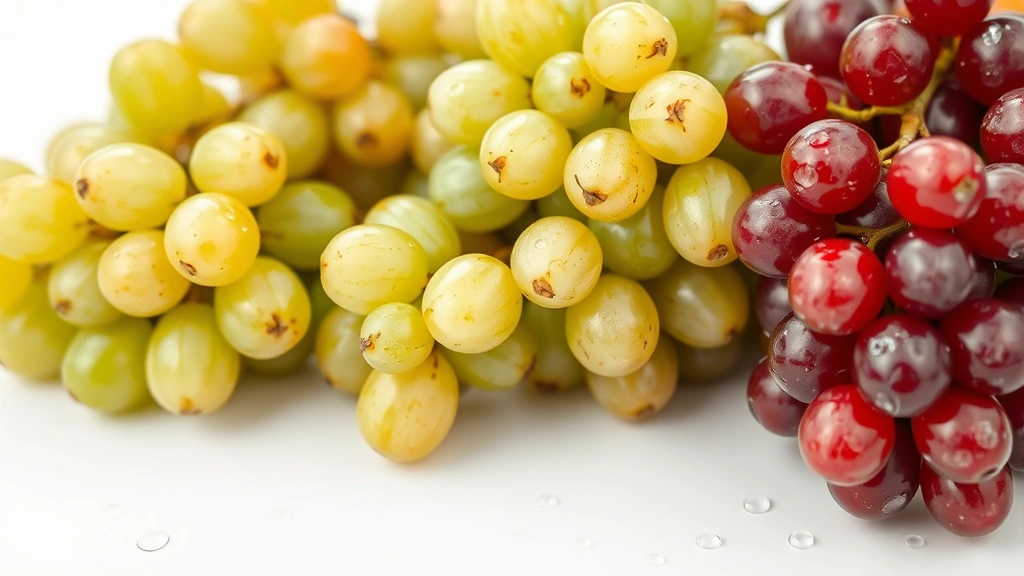
How to Wash Grapes: Expert Guide
How to Wash Grapes: Expert Guide to Clean, Fresh Fruit Every Time
There’s something delightfully simple about grabbing a handful of grapes straight from the fridge, yet most of us never give a second thought to how we got them there. The truth is, those plump, glossy orbs sitting in your produce drawer have traveled quite a journey—from vineyard to warehouse to store shelf—collecting dust, debris, and potentially unwanted residues along the way. Washing grapes properly isn’t just about rinsing them under tap water for two seconds; it’s about ensuring you’re eating fruit that’s genuinely clean and safe.
Whether you’re prepping grapes for a cheese board, blending them into smoothies, or simply snacking straight from the bunch, knowing the right technique makes all the difference. The good news? It’s remarkably straightforward once you understand the best practices. In this guide, we’ll walk you through everything you need to know about washing grapes—from the moment you bring them home to the moment they land in your mouth.
Why Washing Grapes Matters
You might wonder if washing grapes is truly necessary. After all, they come in sealed bags or bunches from the produce section, right? The reality is more nuanced. Grapes—like all produce—can harbor bacteria, fungi, and pesticide residues from farming practices. Studies have shown that even organic grapes benefit from a thorough rinse. Beyond safety concerns, washing removes dust, dirt particles, and the occasional spider or insect that hitched a ride from the vineyard.
The outer skin of grapes is naturally waxy and porous, which means it attracts and holds onto particles quite easily. When you remove pesticides from produce, you’re taking an important step toward healthier eating habits. This is particularly important if you have young children, elderly family members, or anyone with a compromised immune system in your household. Think of washing grapes as a simple insurance policy for your family’s health.
Additionally, properly washed grapes simply taste better. That fresh, crisp flavor comes through more clearly when surface contaminants aren’t dulling your palate. There’s a noticeable difference between grapes that have been casually rinsed and those that have been thoroughly cleaned using the right method.
Before You Wash: Inspection and Prep
Before water even touches your grapes, take a moment to inspect them. This preliminary step prevents you from wasting effort on fruit that’s already past its prime. Look for grapes that are firm to the touch and vibrant in color—whether that’s deep purple, red, or bright green, depending on the variety. Discard any that feel mushy, show signs of mold, or have visible cracks in the skin.
Separate your grapes from the bunch if you plan to wash them individually, or keep them clustered if you prefer—both methods work fine. However, if you’re cleaning grapes that show any signs of mold or deterioration, removing them from the bunch first makes it easier to spot problem areas. Mold can spread quickly, so if you notice any fuzzy growth, remove those grapes and the immediate neighbors for safety.
Check the stems for any debris or dried bits. If the stems look particularly dirty, you can gently brush them with your fingers under running water before the main wash. This isn’t strictly necessary, but it’s a nice touch if you’re serving grapes on a platter where presentation matters.
The Best Methods for Washing Grapes
There are several effective approaches to washing grapes, each with its own advantages. The method you choose depends on your preferences, the quantity of grapes you’re washing, and what you have on hand.
The Cold Water Rinse Method
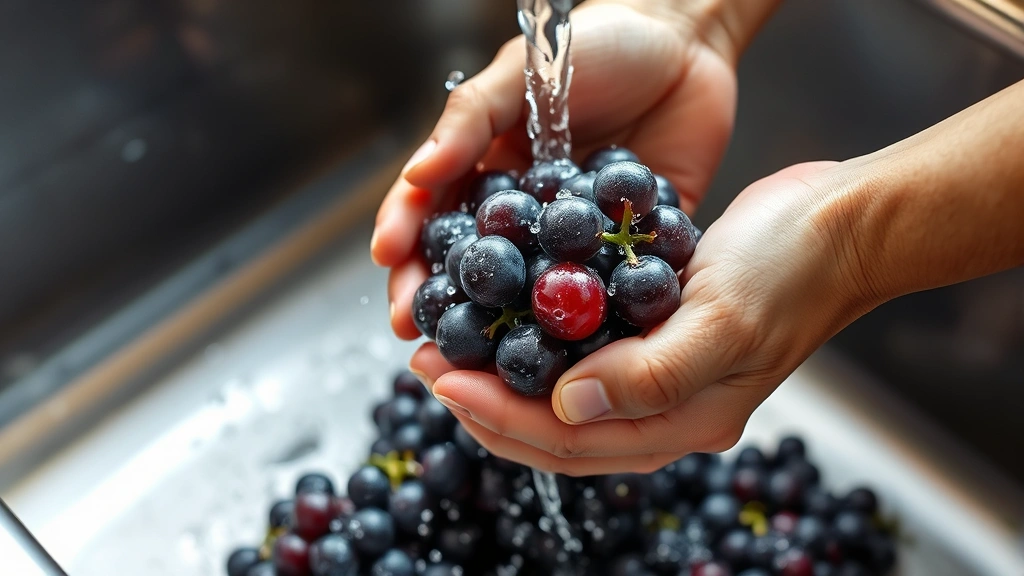
This is the simplest and most commonly used technique. Hold your grapes under cold running water and gently rub them with your fingers or a soft cloth. Work in small batches to ensure each grape gets proper attention. Spend about 30 seconds rinsing, using gentle circular motions to remove surface debris. Avoid pressing too hard, as grapes bruise easily. This method works beautifully for most situations and removes the majority of dust and debris.
The Vinegar Solution Method
For a deeper clean, particularly if you’re concerned about pesticide residues, mix one part white vinegar with three parts water in a bowl. Submerge your grapes and let them soak for about 15 minutes, occasionally swirling them gently. The vinegar’s acidity helps break down residues more effectively than water alone. After soaking, rinse thoroughly under cold running water to remove any vinegar taste or smell. This method is excellent for conventional (non-organic) grapes or if you simply want extra peace of mind.
The Colander Spray Method
Place your grapes in a colander and hold it under running water, gently rotating and swirling the colander to ensure all grapes make contact with the water. This hands-free approach works well when you’re washing larger quantities. Spend about one minute under the spray, making sure water reaches all sides of the bunch. The constant water movement effectively dislodges particles without requiring you to handle each grape individually.
The Baking Soda Soak
Some experts recommend adding a tablespoon of baking soda to a bowl of water for an even more thorough clean. Baking soda is mildly alkaline and can help dissolve certain pesticide residues more effectively than vinegar alone. Soak your grapes for 12-15 minutes, then rinse thoroughly under cold water. Make sure to remove all traces of baking soda before consuming, as any residual powder will affect the taste. This method is particularly effective for conventional produce and is recommended by home and health experts.
Drying Your Grapes Properly
Drying is just as important as washing. Excess moisture can accelerate mold growth and spoilage, particularly if you’re planning to store the grapes for more than a day or two. There are several effective drying methods, each with its own advantages.
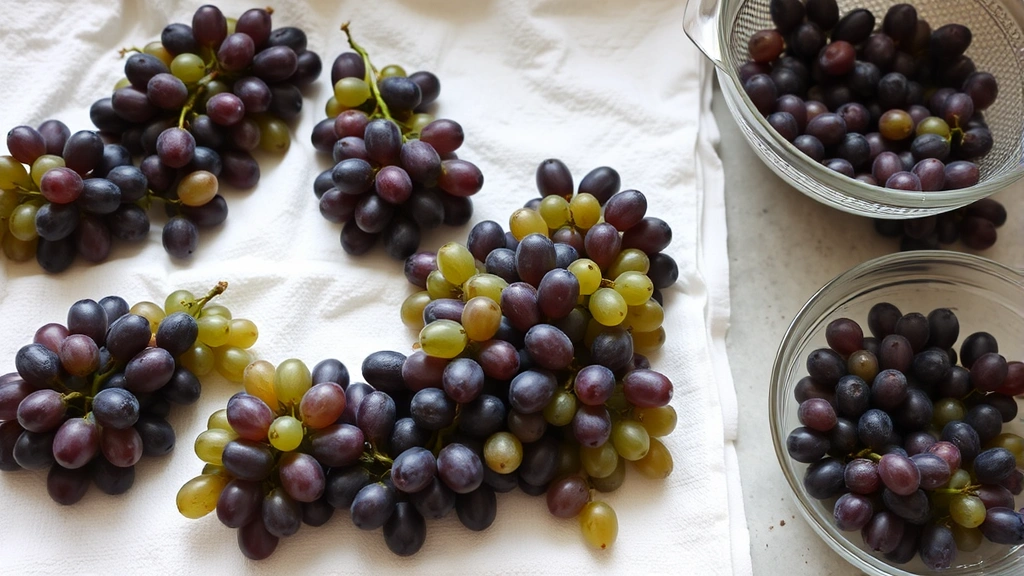
The most straightforward approach is to spread your clean grapes on a clean kitchen towel or paper towels in a single layer. Let them air dry for 10-15 minutes at room temperature. Alternatively, gently pat them dry with a soft cloth or paper towel, using light pressure to avoid bruising. For a quicker dry, you can use a salad spinner—place grapes in the basket, spin gently for just a few seconds, and they’ll be dry within moments. This method is particularly effective and doesn’t require waiting.
Avoid using heat sources like hair dryers or ovens, as these can damage the delicate skin and affect flavor. Similarly, don’t use paper towels that are too rough, as they can cause micro-tears in the skin. The goal is gentle, patient drying that preserves the grape’s integrity.
Storage After Washing
Once your grapes are clean and dry, proper storage ensures they maintain their quality. This is where many people make mistakes—they wash their grapes immediately upon arriving home, then wonder why they’ve turned mushy by mid-week.
The ideal storage method is to keep unwashed grapes in the refrigerator until you’re ready to eat them, then wash only what you’ll consume within a day or two. However, if you prefer to wash them all at once, store the completely dry grapes in an airtight container lined with paper towels. The paper towels absorb any residual moisture that might accumulate. Keep this container in the coldest part of your refrigerator, typically the back of the bottom shelf.
If you’re familiar with storing strawberries properly, you already understand that berries and similar fruits benefit from careful moisture management. Grapes follow similar principles. Never store washed grapes in sealed plastic bags without ventilation, as this traps moisture and encourages mold growth. Instead, use containers that allow minimal air circulation while preventing them from drying out completely.
For longer storage, consider freezing your grapes. Wash and dry them completely, spread them on a baking sheet, freeze for 2-3 hours, then transfer to freezer bags. Frozen grapes are perfect for smoothies, wine-making projects, or eating straight from the freezer as a refreshing treat on hot days.
Pro Tips for Maximum Freshness
Beyond the basic washing and storage methods, several expert tips can elevate your grape game. First, buy grapes with stems intact whenever possible. The stems act as a protective barrier, and grapes with stems tend to last longer in storage. When selecting grapes at the market, look for bunches where the grapes feel firmly attached to the stems—this indicates freshness.
Understand that different grape varieties have different shelf lives. Red and black grapes generally last longer than green grapes, sometimes staying fresh for up to two weeks with proper care. Green grapes might only last 7-10 days. Plan your consumption accordingly and prioritize eating green grapes first if you have a mixed batch.
If you’re concerned about pesticide residues, research which grapes are on the “Dirty Dozen” list—conventional grapes typically rank high due to heavy pesticide use in commercial vineyards. Consider purchasing organic grapes if this is a concern for your household. You can also clean strawberries using similar techniques, as berry washing principles are largely universal.
Keep grapes away from ethylene-producing fruits like bananas, apples, and avocados. Ethylene gas accelerates ripening and decay, so storing grapes separately extends their lifespan significantly. Most refrigerators have a dedicated fruit drawer—use it to your advantage by keeping grapes in their own section.
For serving purposes, wash grapes about 30 minutes before guests arrive. This allows them to dry completely while remaining cold and fresh. Arrange them on a platter with other fruits—consider pairing them with items like ripe watermelon or fresh pineapple for a beautiful, varied presentation.
If you’re using grapes in recipes, wash them right before use to prevent them from becoming waterlogged. For cooked applications like homemade jam or compote, this timing is less critical, but for fresh applications, timing matters.
Frequently Asked Questions
Can I wash grapes with dish soap?
No, you should never use dish soap on grapes or any produce intended for consumption. Dish soap is formulated to cut through grease and isn’t designed for ingestion. Even small residues can cause digestive upset. Stick to plain water, vinegar solutions, or baking soda solutions—all food-safe options that effectively clean without introducing harmful substances.
How long do washed grapes last in the refrigerator?
Properly washed and dried grapes stored in an airtight container typically last 3-5 days in the refrigerator. Unwashed grapes can last up to two weeks, which is why some experts recommend washing only what you’ll eat within a few days. The washing process removes the natural protective bloom that helps preserve grapes, so storage time is reduced.
Should I remove grapes from the stem before washing?
This is a matter of preference. Grapes on the stem are slightly easier to handle and less likely to get bruised during washing. However, removing them from the stem before washing gives you better access to clean each individual grape. If you prefer stems attached for presentation, wash them on the stem. For thorough cleaning, removing them first is marginally more effective.
Are organic grapes easier to clean than conventional ones?
Not necessarily easier, but they may require less aggressive cleaning methods. Organic grapes typically have fewer synthetic pesticide residues, so a simple cold water rinse is often sufficient. Conventional grapes benefit from more thorough methods like the vinegar or baking soda soak to address potential residue buildup. Both types benefit from washing regardless of farming method.
Can I use a produce wash product instead of homemade solutions?
Yes, commercial produce washes are available and can be effective. However, studies from the Family Handyman and similar sources suggest that plain water with proper technique works nearly as well for most situations. If you choose a commercial product, follow the manufacturer’s instructions carefully and rinse thoroughly afterward. Homemade solutions are typically less expensive and equally effective for most households.
What’s the best way to wash grapes for children?
For young children, wash grapes thoroughly using the vinegar solution or baking soda method for maximum safety. After rinsing, consider cutting grapes in half lengthwise to reduce choking hazard, particularly for children under 4. Ensure they’re completely dry before serving. Store washed grapes in the refrigerator and use within 2-3 days for optimal safety and freshness. This extra attention ensures your little ones are getting the cleanest, safest fruit possible.
Do I need to wash grapes if they’re labeled “pre-washed”?
Pre-washed labels don’t necessarily mean the grapes are completely clean or pesticide-free. A quick rinse under cold water is still recommended, particularly if they’ve been sitting in the bag for several days. The pre-wash process at commercial facilities is designed for food safety, but a personal rinse adds an extra layer of assurance and removes any debris that may have accumulated since packaging.

Related Posts

How Long to Boil Lobster Tails: Cooking Guide

How Long to Fly from New York to London? Travel Times
