
How to Be Useful: 5 Practical Tips
How to Be Useful: 5 Practical Tips for Mastering Essential Skills
Being useful isn’t about becoming a jack-of-all-trades or attempting to solve every problem that comes your way. It’s about developing genuine competence in areas that matter—skills that make you more self-reliant, more valuable to others, and genuinely capable when situations demand action. Whether you’re tackling household maintenance, automotive basics, or everyday practical knowledge, the path to usefulness starts with intentional learning and consistent practice.
The difference between someone who shrugs at a broken drain and someone who confidently handles it comes down to one thing: willingness to learn. In this guide, we’ll explore five practical tips that transform you from someone who always needs help into someone others turn to for solutions. These aren’t complicated trade secrets—they’re foundational skills that compound over time and genuinely improve your quality of life.
Master One Household Fix That Saves You Money
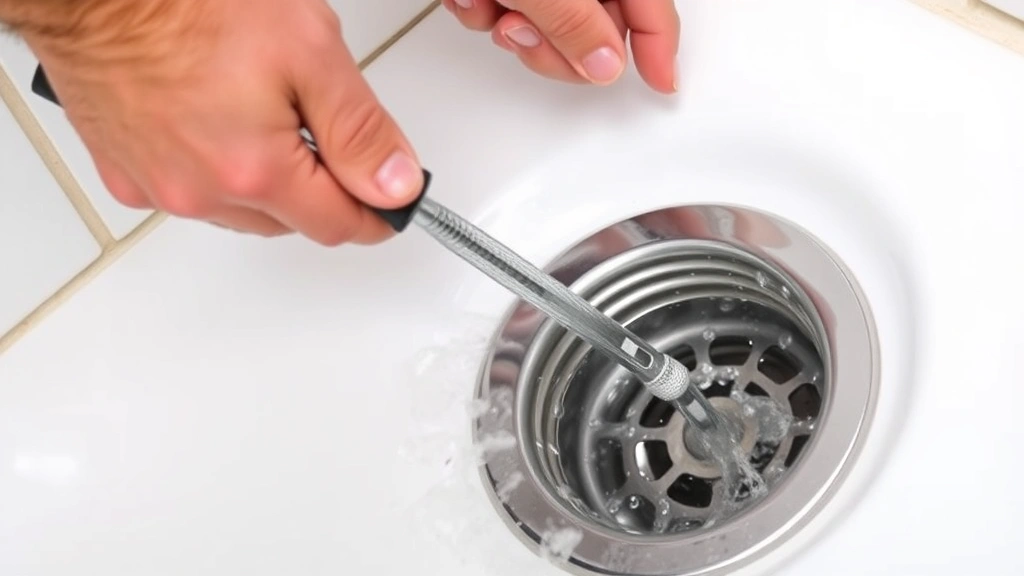
Let’s start with something immediately practical: plumbing problems. A clogged shower drain might seem like a minor inconvenience, but it’s actually the perfect gateway skill into household usefulness. Why? Because it happens frequently, it costs money to fix professionally, and once you understand the mechanics, you’ve gained knowledge that applies to multiple drain scenarios throughout your home.
Learning how to unclog a shower drain teaches you several valuable lessons. First, you discover that most clogs aren’t mysterious—they’re typically hair and soap buildup that responds to basic tools and techniques. Second, you learn the difference between minor blockages you can handle and serious plumbing issues requiring professional help. Third, you save between $150-300 on a service call while gaining confidence for future situations.
The beauty of mastering one household skill is the ripple effect. Once you’ve successfully cleared a drain, you understand water flow, basic plumbing principles, and how to diagnose problems. This knowledge naturally extends to kitchen sinks, bathroom fixtures, and even outdoor drains. You’ve moved from helpless to capable, and that shift in confidence extends to other areas of your life.
Start small, document what you learn, and keep the necessary tools accessible. A simple plunger, drain snake, and basic understanding of your home’s plumbing layout transform you from someone perpetually calling a plumber into someone who handles common issues independently.
Learn Your Vehicle’s Basic Maintenance
Your car is likely one of your most expensive possessions, yet many people treat it like a black box they don’t understand. This creates unnecessary anxiety and expensive repair bills. Becoming useful means understanding at least the fundamentals of vehicle maintenance.
Start with something as straightforward as how to check engine oil. This single skill takes five minutes to learn but provides enormous value. Regular oil checks prevent catastrophic engine damage, extend your vehicle’s life, and cost nothing. You’re not becoming a mechanic—you’re becoming someone who understands their vehicle well enough to catch problems early.
Beyond oil checks, useful car knowledge includes tire pressure monitoring, fluid top-ups, battery terminal cleaning, and understanding your maintenance schedule. These aren’t complicated tasks, but they require intention to learn. Consult your vehicle’s manual, watch reputable tutorials, and actually perform these checks monthly. The investment of thirty minutes per month prevents thousands in repair costs and keeps you safe on the road.
When you can discuss your vehicle’s maintenance intelligently with mechanics, you’re no longer at their mercy. You understand what work is genuinely necessary versus optional upselling. You know when something sounds wrong. You’re useful to yourself and to others who might ask for basic automotive advice.

Develop Precision Technical Skills
Some of the most useful people possess technical skills that seem intimidating to outsiders but are actually learnable. How to solder is an excellent example. Soldering appears complicated—melting metal, precise temperatures, steady hands—but it’s fundamentally a skill that improves with practice and proper instruction.
Why develop soldering skills? Because they open doors to electronics repair, jewelry making, metalwork, and countless household projects. A person who can solder can repair broken jewelry, fix electronics others discard, create custom metalwork, and troubleshoot electrical connections. This isn’t just useful; it’s genuinely impressive and practical.
The path to technical skill mastery follows a consistent pattern: find quality instruction (from This Old House, manufacturer guides, or specialized courses), invest in proper tools, practice on low-stakes projects first, and gradually increase complexity. Technical skills compound—once you understand soldering, you’re positioned to learn related skills like circuit board repair or custom fabrication.
What technical skill aligns with your interests? Perhaps it’s woodworking, electrical work, plumbing connections, or small engine repair. Choose something that genuinely interests you rather than something you think you “should” learn. Your enthusiasm sustains the learning process through the inevitable frustration of early attempts.
Build Everyday Life Competencies
Usefulness extends beyond dramatic repairs. It includes competencies that smooth daily life for you and others. Consider something as fundamental as how to make white rice—not because it’s difficult, but because cooking basic staples represents self-sufficiency and the ability to nourish yourself and others.
Similarly, knowing how to tie a bow with a tie might seem quaint in casual culture, but it’s genuinely useful when you need to look polished for professional events, weddings, or formal occasions. More importantly, it represents the willingness to master small details that most people overlook.
Building everyday competencies includes understanding how to clean a washing machine properly. Most people run their machines for years without deep cleaning, leading to mildew, odors, and reduced effectiveness. Someone who understands appliance maintenance extends equipment lifespan and ensures better results. This knowledge applies to dishwashers, refrigerators, and other household appliances.
Everyday competencies also encompass basic first aid, financial management, meal planning, and organizational systems. These aren’t glamorous, but they represent genuine usefulness. The person who can confidently handle a minor injury, understand their budget, and maintain organized systems is someone others respect and rely upon.

The key to building these competencies is treating them seriously despite their simplicity. Just because something is basic doesn’t mean it deserves casual attention. Master the fundamentals thoroughly, and you’ve built a foundation for everything else.
Create Systems for Consistent Upkeep
Here’s where many people stumble: they learn a skill, use it once, then forget the details when they need it again. Useful people create systems that ensure consistent application of their knowledge. This means documenting procedures, scheduling regular maintenance, and building habits that make useful actions automatic.
Create a home maintenance calendar. Mark when you should check your oil, inspect your drains, clean your appliances, and perform seasonal tasks. Use phone reminders if necessary. The goal isn’t to rely on memory—it’s to build systems that ensure you actually perform these tasks consistently.
Document your procedures. If you’ve learned how to unclog a drain, write down the steps you follow. Include tools needed, approximate time required, and any specific details about your home’s layout. This documentation serves two purposes: it reinforces your learning, and it becomes a reference when you haven’t performed the task in months.
Build habits around your useful skills. If you’ve committed to checking your vehicle’s oil, do it the same day each month—perhaps the first Sunday. If you’re maintaining your washing machine, schedule it quarterly. These habits transform useful knowledge from something you occasionally remember into something you consistently practice.
Finally, share your systems. When you’ve created effective procedures, teach them to family members or friends. Useful people multiply their usefulness by enabling others. You’re not just becoming capable—you’re creating a network of capable people.
According to Family Handyman, the most successful DIY practitioners maintain detailed records of their home’s systems and maintenance history. This documentation becomes invaluable for future repairs and increases your home’s value if you ever sell.
Frequently Asked Questions
What’s the best skill to learn first if I’m starting from zero?
Start with something that addresses an immediate need in your life. If your drains clog frequently, learn drain maintenance. If your car makes unfamiliar noises, learn basic vehicle diagnostics. When you solve a real problem, you’re motivated to continue learning rather than practicing abstract skills.
How long does it take to become genuinely useful at something?
The 10,000-hour rule suggests mastery takes significant time, but genuine usefulness comes much faster. You can become genuinely useful at basic home repairs within 20-40 hours of focused learning and practice. The key is consistent, deliberate practice rather than passive learning.
What if I’m not naturally handy or technical?
Usefulness isn’t about natural talent—it’s about willingness to learn and practice. Many highly useful people started with zero natural ability. They simply committed to learning, accepted early failures as part of the process, and gradually built competence. Your current skill level is irrelevant; your commitment to improvement is everything.
Should I invest in expensive tools immediately?
Start with quality basics rather than premium everything. A mid-range drain snake, basic socket set, and reliable multimeter serve most needs. As you develop skills and discover your specific requirements, upgrade gradually. Expensive tools don’t create competence—practice does.
How do I know when to hire professionals versus handling something myself?
This comes with experience. Generally, if a mistake could cause injury, significant property damage, or require permits, consult professionals. Basic maintenance, minor repairs, and low-risk projects are perfect for DIY learning. When in doubt, research thoroughly or ask experienced people in your network.
Can I become useful if I’m busy with work and family?
Absolutely. Usefulness doesn’t require hours daily. Thirty minutes weekly focused on learning and practicing one skill compounds into genuine competence. The Home Depot DIY guides and similar resources break skills into manageable sections perfect for busy schedules.
What resources do you recommend for learning new skills?
Combine multiple sources: manufacturer instruction manuals (most detailed and accurate), YouTube tutorials from reputable sources, established DIY websites, and hands-on practice with experienced people when possible. Cross-reference information to ensure accuracy, especially for safety-critical tasks.
Becoming useful is fundamentally about taking responsibility for your own capability. It’s refusing to accept helplessness when solutions exist. Start with one skill, master it through consistent practice, and build from there. Within months, you’ll notice the shift—people asking for your advice, situations you handle confidently that previously intimidated you, and genuine satisfaction from solving problems yourself. That’s usefulness in action.

Related Posts

How Long to Boil Lobster Tails: Cooking Guide

How Long to Fly from New York to London? Travel Times
