
How to Unclog a Shower Drain: Expert Tips
How to Unclog a Shower Drain: Expert Tips
There’s nothing quite like the sinking feeling when water starts pooling around your feet during a shower. A clogged drain transforms your relaxing morning routine into a frustrating mess, and let’s be honest—nobody wants to stand in ankle-deep water while shampooing. The good news? Most shower drain clogs are entirely manageable without calling an expensive plumber, and you probably already have the tools you need at home.
Shower drains accumulate debris faster than you’d think. Hair, soap residue, mineral deposits, and skin cells create the perfect storm for blockages. While some clogs require professional intervention, the majority respond beautifully to straightforward DIY solutions. This guide walks you through proven methods to get your drain flowing freely again, from simple mechanical approaches to chemical treatments that actually work.
Whether you’re dealing with a slow drain that’s getting progressively worse or a complete standstill, we’ve got strategies that range from quick fixes to more thorough approaches. Let’s dive in and get that water moving.
Identifying Your Clog Type
Before you grab your tools, understanding what’s actually blocking your drain matters more than you’d think. Different clogs require different approaches, and using the wrong method can sometimes make things worse. Let’s break down what you’re likely dealing with.
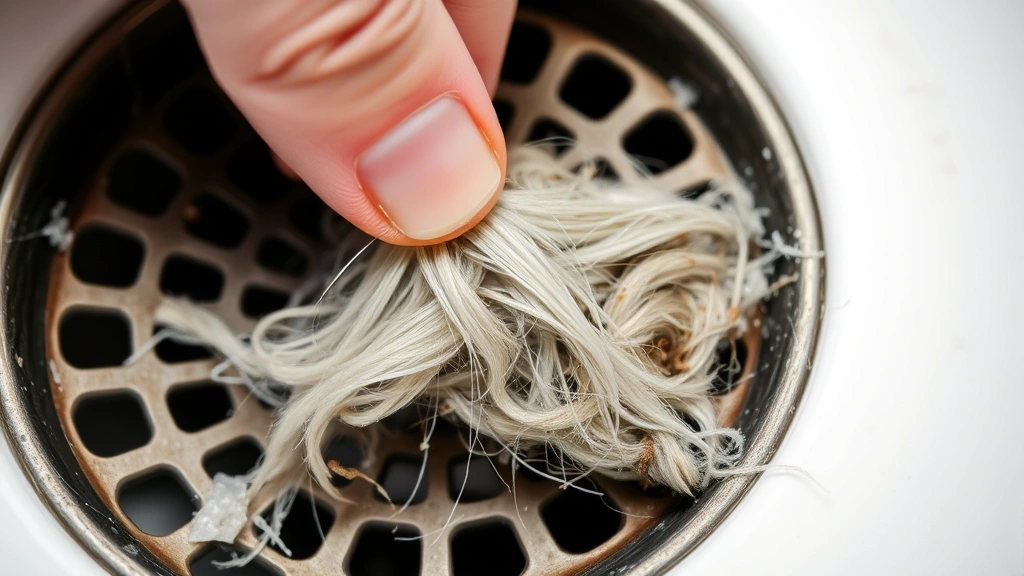
Hair clogs are by far the most common culprit. These typically develop gradually, causing water to drain slowly at first before eventually stopping completely. You’ll notice water pooling around your feet, and the problem usually worsens over time. Hair wraps around the drain cover and combines with soap scum to form stubborn blockages.
Soap buildup creates a different kind of problem. Unlike hair, which you can physically remove, soap residue hardens over time and sticks to pipe walls. This type of clog often accompanies hair clogs, forming a nasty composite barrier. Mineral deposits from hard water can intensify soap buildup, making it increasingly difficult to clear.
Occasionally, you’ll encounter clogs caused by foreign objects—shampoo bottle caps, hair clips, or even toys in family bathrooms. These require different removal techniques than organic debris. If you suspect an object is lodged in your drain, visual inspection through the drain opening can confirm this before you attempt removal.
The severity of your clog also matters. A slow drain that takes several minutes to empty differs significantly from a completely blocked drain where water doesn’t move at all. Slow drains often respond to gentler methods, while complete blockages might require more aggressive intervention.
The Plunger Method
Before reaching for chemicals or complicated tools, try the humble plunger. It’s remarkably effective for many shower drain clogs, and it costs nothing if you already own one. The key is using the right technique and having realistic expectations about what a plunger can accomplish.
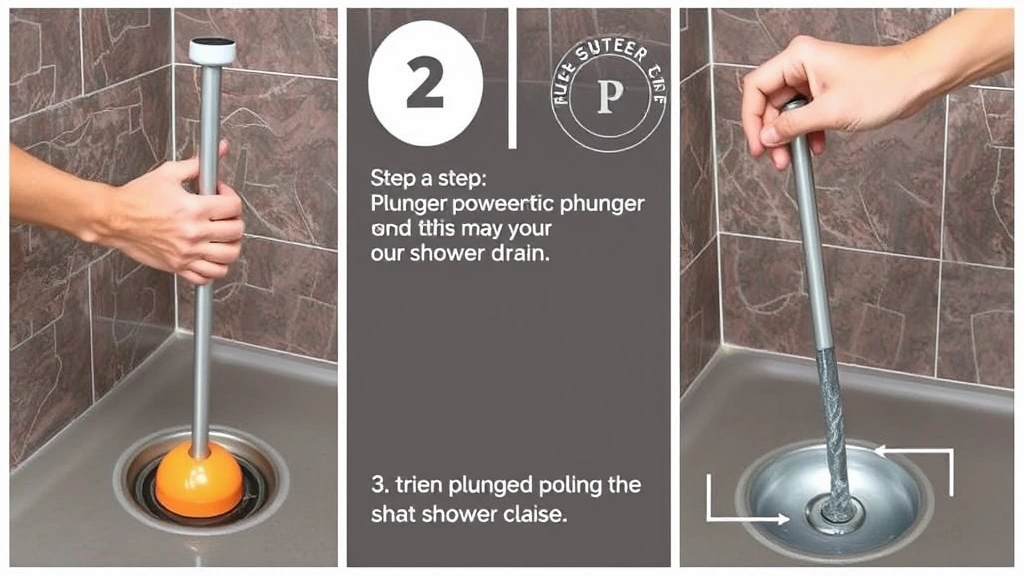
Start by removing the drain cover or strainer. Most shower drains have a removable cover that you can unscrew or pop off. This gives you direct access to the drain opening. If you see hair wrapped around the drain, pull out what you can with your fingers or tweezers—this preliminary step makes plunging far more effective.
Fill your shower basin with a few inches of water. The plunger needs water to create the necessary seal and suction. Position the plunger cup directly over the drain opening, making sure it covers the hole completely. Press down firmly to create a seal, then pump vigorously up and down about fifteen to twenty times. The goal is to create pressure changes that dislodge the blockage.
After plunging, remove the plunger and check if water drains. If it’s still slow, repeat the process two or three more times. Sometimes it takes multiple attempts to break through a stubborn clog. If you’re not seeing improvement after several attempts, it’s time to move on to other methods.
The plunger method works best on clogs located near the drain opening or in the trap immediately below the shower floor. For blockages deeper in the plumbing system, you’ll need different approaches. This is also a great preventative measure—regular plunging can help keep drains flowing smoothly before serious clogs develop.
Using a Drain Snake
When plunging doesn’t work, a drain snake becomes your next best friend. These flexible tools are specifically designed to navigate through pipes and physically break apart or retrieve blockages. They’re inexpensive, reusable, and surprisingly effective for most shower drain clogs.
Drain snakes come in two main varieties: hand-crank models and motorized versions. For shower drains, a basic hand-crank snake works perfectly well. You can find them at any hardware store for under twenty dollars. The snake consists of a long, flexible cable with a handle at one end and a small hook or corkscrew at the working end.
Insert the snake into your drain opening and begin turning the handle while gently pushing the cable forward. The rotating motion helps the snake navigate the bends in your plumbing while the corkscrew end grabs hair and debris. You’ll feel resistance as the snake encounters the clog—keep turning and pushing until you break through.
Once you’ve worked the snake into the clog, you can either pull it back out (which should bring the clog material with it) or work it back and forth to break the blockage into smaller pieces that can flush away. Many clogs yield to persistent snake work, and you’ll often retrieve a satisfying ball of hair and soap residue.
After snaking, run hot water through the drain for several minutes to flush away loosened debris. If you’re still experiencing slow drainage, you might need to repeat the snaking process or combine it with other methods. For more extensive blockages, consider the techniques described in our guide on how to unclog a toilet without a plunger, which covers similar mechanical approaches that apply to shower drains as well.
Baking Soda and Vinegar Solution
This natural approach has earned its reputation through decades of practical use. Baking soda and vinegar create a chemical reaction that can break down soap buildup and loosen debris without harsh toxins. It’s safe for your pipes, your skin, and the environment—a genuine win-win.
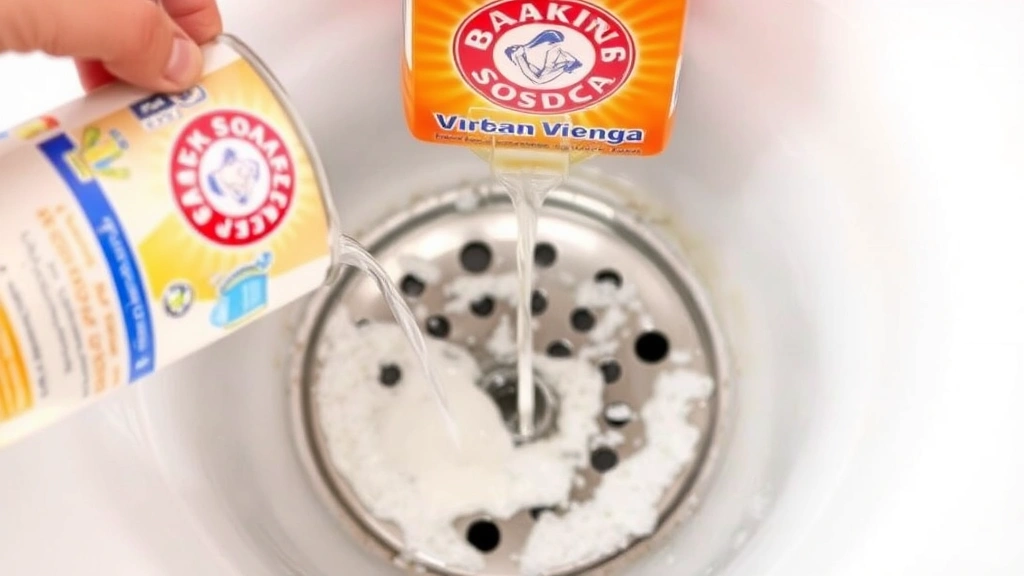
Start by removing any standing water from your shower. If water isn’t draining at all, use a cup to bail it out. Next, pour half a cup of baking soda directly down the drain. Let it sit for a few minutes to coat the pipe walls and settle into the clog.
Follow the baking soda with one cup of white vinegar. You’ll immediately hear fizzing and see bubbling at the drain opening—this is the chemical reaction doing its work. The fizzing action helps break apart soap deposits and dislodge debris. Cover the drain with a plug or wet cloth to keep the reaction contained within the pipe rather than bubbling up and out.
Let this mixture work for thirty minutes to an hour. The longer you let it sit, the more time it has to break down buildup. After the waiting period, remove the cover and pour a kettle of boiling water down the drain. The hot water flushes away the loosened debris and carries the baking soda and vinegar residue deeper into the plumbing system.
Run hot water for another minute or two to ensure everything has flushed through. Check the drainage speed—if it’s significantly improved but not perfect, you can repeat the process. This method works particularly well for soap-related clogs and slow drains. For complete blockages caused primarily by hair, you’ll likely need to combine this with mechanical removal methods.
This natural approach is safe enough to use weekly as a preventative measure. Many people run this combination through their drains monthly to keep them flowing freely and prevent buildup before it becomes problematic. It’s also compatible with all plumbing materials, from modern PVC pipes to older cast iron systems.
Chemical Drain Cleaners
Commercial drain cleaners offer powerful options for stubborn clogs, but they come with important considerations. These products work through aggressive chemical reactions that generate heat and break down organic matter. They’re effective but require careful handling and shouldn’t be your first choice if gentler methods are working.
Two main types of commercial cleaners exist: alkaline and acidic. Alkaline cleaners (like sodium hydroxide) work by breaking down organic material through chemical reaction. Acidic cleaners use sulfuric acid to dissolve blockages. Both work, but they operate through different mechanisms. Always read the label to understand which type you’re using.
If you decide to use a chemical cleaner, follow these safety guidelines religiously. Wear rubber gloves and eye protection—these chemicals can cause serious burns. Ensure excellent ventilation by opening windows and turning on exhaust fans. Never mix different drain cleaners, as this can create dangerous toxic gases. Keep children and pets away from the area during application.
Pour the recommended amount directly down the drain and let it sit for the time specified on the label—usually thirty minutes to an hour. Don’t attempt to plunge or snake while the chemical is active, as this can cause dangerous splashing. After the waiting period, flush with plenty of hot water as directed on the label.
Chemical cleaners work best on soap and grease-related clogs rather than hair blockages. They’re most effective when combined with preliminary mechanical removal of visible debris. If you’ve already tried plunging and snaking without success, a chemical cleaner might be your next step before calling a professional.
Consider that chemical cleaners can damage older pipes, particularly cast iron or galvanized steel systems. If your home is older, check your plumbing material before using these products. For more information on maintaining older plumbing systems, see our article about how to remove rust from cast iron, which addresses corrosion concerns relevant to aging pipes.
Prevention Strategies
The best clog is the one that never forms. Implementing simple prevention strategies dramatically reduces how often you’ll face drain problems. These approaches require minimal effort but deliver significant long-term benefits.
Install a quality drain strainer or hair catcher. These inexpensive devices sit in your drain opening and catch hair before it enters the pipes. They’re available in various styles—some have fine mesh that catches even small debris, while others use larger openings for better water flow. Clean your strainer weekly by simply removing accumulated hair and rinsing it.
Run hot water through your drain for thirty seconds after each shower. This simple habit helps flush away hair and soap residue before they can accumulate. Make it part of your routine—it takes almost no time but prevents many problems before they start.
Use less soap and shampoo. This sounds counterintuitive, but excess lather contributes significantly to soap buildup clogs. You actually need far less product than you probably use. Reducing soap consumption prevents buildup while also saving money and extending product life.
Perform monthly maintenance with the baking soda and vinegar method. Running this natural cleaner through your drains monthly keeps buildup from accumulating and maintains optimal flow. It’s preventative medicine for your plumbing—a small investment of time that prevents major problems.
Consider your water quality. If you have hard water, mineral deposits accumulate faster in your pipes. A water softening system reduces this problem, though it requires initial investment. For more information about water system maintenance, check out our guide on how to flush a water heater, which addresses related water quality issues.
Keep foreign objects away from your drain. This seems obvious, but it’s worth mentioning. Hair clips, bottle caps, and other items should never end up in your drain. Be intentional about what you allow near drain openings, especially in family bathrooms.
When to Call a Professional
Sometimes DIY methods reach their limit, and professional intervention becomes necessary. Knowing when to make that call saves time, money, and frustration. Professional plumbers have equipment and expertise that go beyond typical home remedies.
Call a professional if you’ve tried multiple methods without success. After plunging, snaking, and using natural or chemical cleaners without improvement, you’re likely dealing with a blockage deeper in the plumbing system or a structural issue that requires professional equipment.
If water backs up into other fixtures—like when showering causes your toilet to overflow—you have a main line blockage that definitely requires professional attention. This indicates the problem extends beyond your shower drain into the main sewer line, which is beyond DIY scope.
Persistent clogs that return within days or weeks despite your best efforts suggest an underlying problem. This might be tree roots infiltrating pipes, pipe collapse, or chronic buildup that requires professional cleaning equipment like motorized augers or hydro-jetting.
Strange smells accompanying slow drainage can indicate biofilm buildup or more serious plumbing issues. While sometimes these respond to aggressive cleaning, professional assessment helps identify whether deeper problems exist.
If you’re uncomfortable working with your plumbing or simply prefer professional help, that’s completely valid. Some people find satisfaction in DIY repairs, while others prefer leaving it to experts. Both approaches are legitimate—do what makes sense for your situation and comfort level.
For related plumbing issues, you might also find our articles helpful: how to unclog a toilet covers similar techniques for different fixtures, while how to clean a shower head addresses related shower maintenance that prevents future drain problems.
Frequently Asked Questions
Can I use a plunger on a shower drain?
Absolutely. Plungers work effectively on shower drains, though the technique differs slightly from toilet plunging. You need standing water to create suction, so fill your shower basin with a few inches of water first. The plunger cup should completely cover the drain opening. Pump vigorously fifteen to twenty times, checking if water drains afterward. This method works best on clogs located near the drain opening.
Is baking soda and vinegar safe for all pipes?
Yes, this natural combination is safe for all plumbing materials, including modern PVC, older cast iron, and copper pipes. Unlike commercial drain cleaners, baking soda and vinegar don’t cause corrosion or damage. This makes them ideal for older homes with aging plumbing systems. You can use this method repeatedly without concern for pipe damage.
How long does it take to unclog a shower drain?
This depends on the method and severity of the clog. Plunging takes five to ten minutes. Snaking typically takes ten to twenty minutes. The baking soda and vinegar method requires thirty minutes to an hour of waiting time plus a few minutes of active work. Chemical cleaners need thirty minutes to an hour to work. If DIY methods fail, professional plumbers might need several hours depending on the blockage location and severity.
What’s the difference between a slow drain and a clogged drain?
A slow drain allows water to flow but takes longer than normal—water might take a minute or more to empty completely. A clogged drain either allows no water to pass or only moves water extremely slowly. Slow drains often respond to gentler methods like baking soda and vinegar, while complete clogs might require mechanical removal or professional help.
Can I prevent shower drain clogs completely?
You can’t prevent clogs entirely, but you can dramatically reduce their frequency. Install a drain strainer to catch hair before it enters pipes. Run hot water after each shower. Use less soap and shampoo. Perform monthly maintenance with baking soda and vinegar. These strategies prevent most clogs from forming, though occasional blockages might still occur.
Should I use chemical drain cleaners as a first option?
No. Start with mechanical methods like plunging or snaking, which are safer and often effective. Try the natural baking soda and vinegar approach next. Chemical cleaners should be your last resort before calling a professional. They’re powerful but require careful handling, can damage older pipes, and aren’t necessary for most clogs.
What causes shower drains to clog more than other drains?
Shower drains accumulate more hair and soap residue than other household drains. Unlike kitchen sinks, which handle food debris and grease, shower drains specifically deal with hair, skin cells, and soap scum. This combination creates the perfect environment for blockages. Regular maintenance and preventative measures are particularly important for shower drains.

Related Posts

How Long to Boil Lobster Tails: Cooking Guide

How Long to Fly from New York to London? Travel Times
