
How to Thaw Chicken: Expert Guide
How to Thaw Chicken: Expert Guide to Safe and Efficient Defrosting
There’s nothing quite like the panic of realizing you need chicken for dinner tonight, but it’s still solid as a rock in your freezer. We’ve all been there. The good news? Thawing chicken doesn’t have to be complicated or risky. With the right knowledge, you can safely defrost your poultry in ways that preserve both its quality and your peace of mind.
Whether you’re planning ahead or dealing with last-minute dinner decisions, understanding the best methods for thawing chicken is essential for any home cook. The key lies in knowing which techniques keep your chicken safe to eat while maintaining its texture and flavor. Spoiler alert: the microwave isn’t always your best friend, and patience often pays off.
In this guide, we’ll walk you through every reliable method for thawing chicken, from the gold-standard refrigerator approach to quick fixes when time is tight. We’ll also cover food safety essentials that’ll make you feel confident about what’s on your plate.
The Refrigerator Method: The Gold Standard
If you have time on your side, the refrigerator method is genuinely the best way to thaw chicken. This approach keeps your bird at a safe temperature throughout the entire process, minimizing bacterial growth and maintaining superior texture and taste. It’s the method endorsed by food safety experts and professional chefs alike.
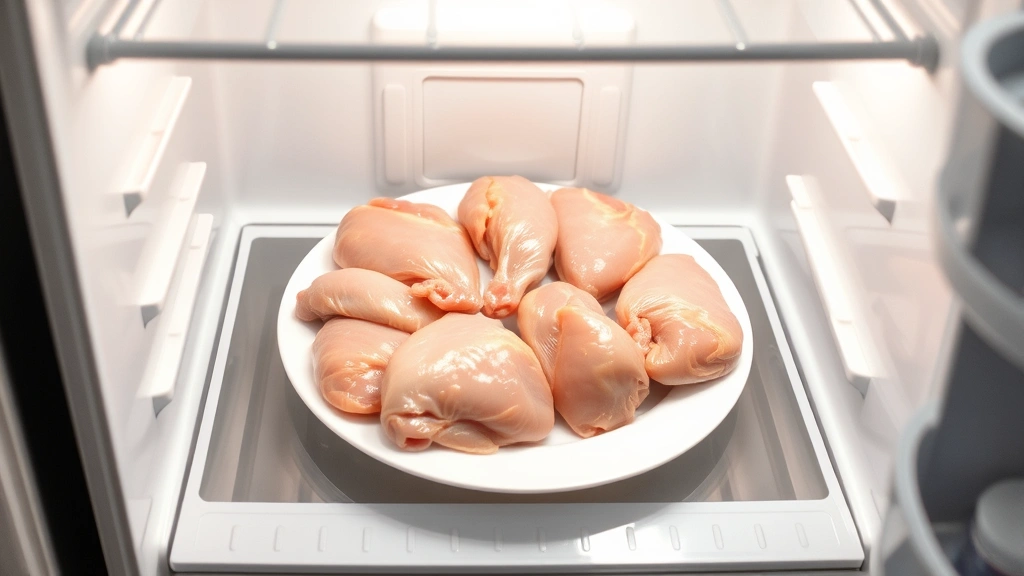
Here’s exactly what to do: Transfer your frozen chicken from the freezer to a plate or shallow dish and place it on the lowest shelf of your refrigerator. The lowest shelf is crucial because it prevents any potential drips from contaminating other foods. Make sure the chicken is in some kind of container—never let it sit directly on the shelf where juices might leak.
The timing depends on the size of your chicken. A package of boneless, skinless chicken breasts typically takes 24 hours. A whole chicken might need 24 to 48 hours. Bone-in pieces usually fall somewhere in between. The general rule: allow about 24 hours per 2.5 pounds of chicken.
Once thawed in the refrigerator, your chicken stays safe to cook for up to two days afterward. This flexibility is one reason why this method is so popular—you’re not locked into cooking immediately. If you need to learn more about this approach, our detailed guide on how to defrost chicken covers additional pro tips and variations.
Cold Water Method: Quick and Reliable
Need chicken ready in a few hours instead of a full day? The cold water method is your answer. It’s faster than refrigerator thawing while still being completely safe when done correctly. This technique typically takes 1 to 2 hours, depending on the size of your chicken pieces.
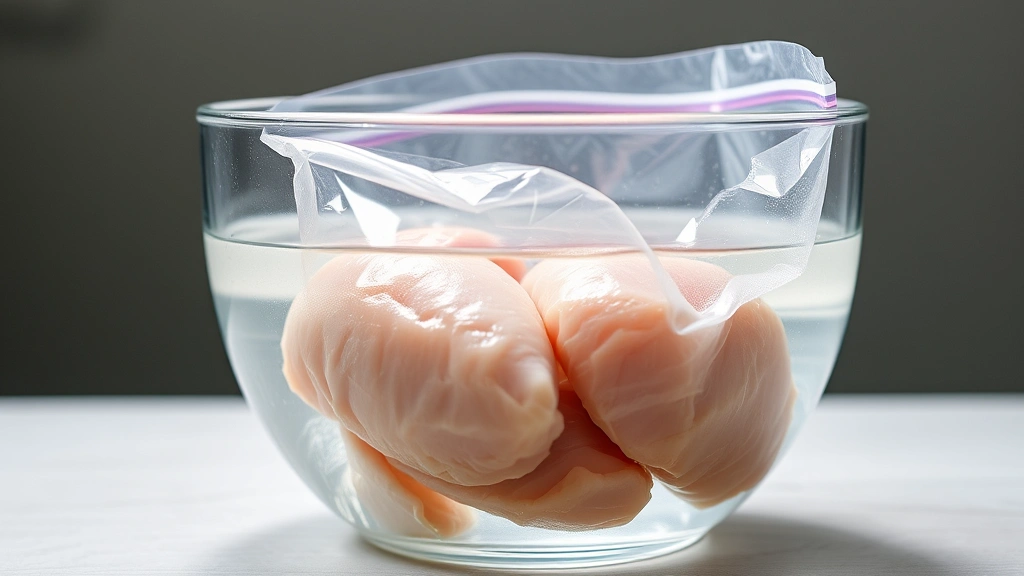
Start by sealing your frozen chicken in a leak-proof plastic bag or freezer bag. This step is non-negotiable—you don’t want raw chicken juice mixing with your thawing water. If your chicken isn’t already in a sealed container, transfer it carefully. Remove as much air as possible from the bag before sealing.
Submerge the sealed bag in a bowl or sink filled with cold tap water. The water should completely cover the chicken. Here’s the critical part: change the water every 30 minutes. This keeps the temperature cold enough to prevent bacterial growth. Each water change helps maintain a consistent cold environment.
For a pound of chicken, expect about 1 hour of thawing time. A whole chicken might need 2 to 3 hours. Once thawed using this method, cook your chicken immediately—don’t let it sit at room temperature. If you’re curious about even faster options, check out our guide on how to defrost chicken fast for additional quick-thaw strategies.
Microwave Thawing: When You’re in a Pinch
The microwave is your emergency option—it works, but it requires attention and comes with some trade-offs. Microwave thawing is the fastest method, taking just 5 to 10 minutes depending on your chicken’s size and your microwave’s power. The downside? You’re more likely to end up with uneven thawing and potentially tougher, drier chicken.
Remove your chicken from its original packaging and place it on a microwave-safe plate. Use the defrost setting on your microwave, which typically runs at 30% power. This lower power level helps thaw the chicken more evenly than full power would.
Check your chicken every minute or two. Rotate it and flip it frequently to encourage even thawing. If parts start cooking while others remain frozen, you’ve got a problem. The cooked sections create a food safety risk, and you’ll end up with an unpleasant texture.
Here’s the catch: cook your chicken immediately after microwave thawing. Don’t let it cool down first. The microwave method can bring some parts of the chicken into the danger zone temperature range, so you need to finish cooking right away to eliminate any bacteria that might have started multiplying.
Food Safety Guidelines You Need to Know
Thawing chicken safely isn’t just about following steps—it’s about understanding the science behind food safety. Bacteria multiply rapidly between 40°F and 140°F, a range known as the danger zone. Your goal when thawing is to keep chicken below 40°F or to move it through higher temperatures quickly.
The refrigerator method wins on safety because it keeps chicken consistently cold. The cold water method works because you’re changing water regularly to maintain cold temperatures. The microwave method is acceptable because you cook immediately afterward, killing any bacteria that might be present.
Never thaw chicken on the counter at room temperature. This is where most food safety risks occur. Bacteria love room temperature, and even though the outside might thaw, the inside stays frozen while surface bacteria multiply unchecked. It’s not worth the risk.
If you accidentally left chicken on the counter for more than 2 hours (or 1 hour if your kitchen is above 90°F), throw it out. Don’t taste it, don’t cook it, just discard it. Bacteria don’t always change the smell, taste, or appearance of food, so you can’t rely on your senses.
Cross-contamination is another critical concern. Raw chicken juice can contaminate other foods and surfaces. Always use separate cutting boards for raw chicken, wash your hands thoroughly after handling, and sanitize any surfaces that touched raw chicken. These practices matter whether you’re thawing or cooking.
Thawing Time Reference Chart
Having a quick reference makes planning meals easier. Here’s what to expect with each method:
Refrigerator Method (40°F):
- Boneless chicken breasts: 12 to 24 hours
- Bone-in chicken pieces: 24 hours
- Whole chicken (under 4 lbs): 24 hours
- Whole chicken (4 to 8 lbs): 24 to 48 hours
- Ground chicken: 24 hours
Cold Water Method (continuous water changes):
- Boneless chicken breasts: 30 to 60 minutes
- Bone-in chicken pieces: 1 to 2 hours
- Whole chicken (under 4 lbs): 2 to 3 hours
- Ground chicken: 30 to 45 minutes
Microwave Method (defrost setting):
- Boneless chicken breasts: 5 to 8 minutes
- Bone-in chicken pieces: 8 to 12 minutes
- Whole chicken: 15 to 30 minutes (varies by microwave wattage)
- Ground chicken: 3 to 5 minutes
Cooking Your Chicken After Thawing
Once your chicken is thawed, you have options for how to prepare it. You might want to boil chicken for soups and salads, or perhaps you’re planning to make shredded chicken for tacos and sandwiches. Regardless of your cooking method, a few principles apply.
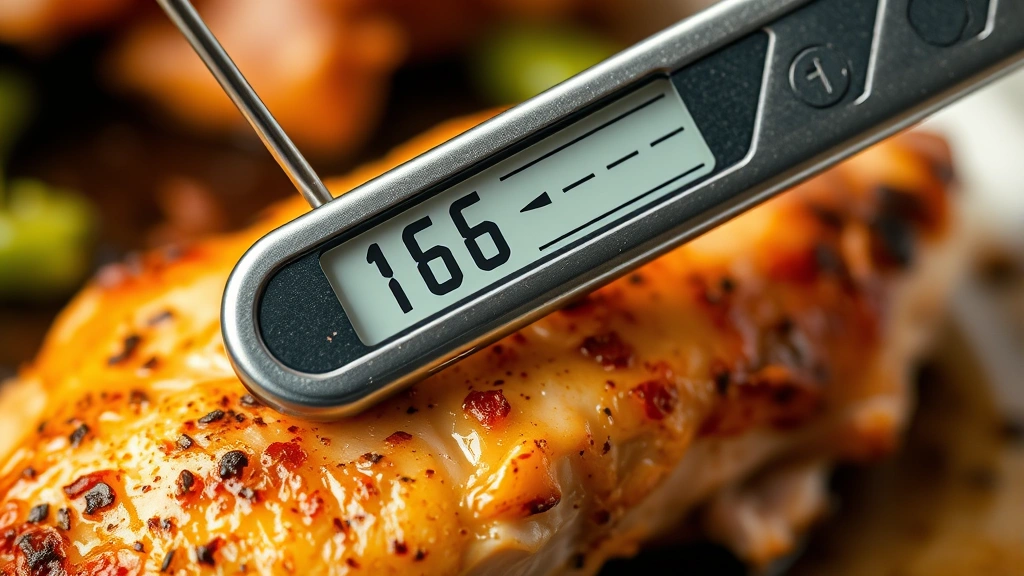
First, use a meat thermometer. Chicken is safely cooked when it reaches 165°F in the thickest part. This temperature kills any bacteria that might be present. Don’t rely on color alone—sometimes chicken looks done before it actually is.
Season your thawed chicken immediately before cooking. Fresh seasonings make a noticeable difference. If you’re using aromatics like garlic, remember to store garlic properly so your fresh ingredients are always ready to go.
Pat your chicken dry before cooking, especially if you’re planning to sauté or bake it. Excess moisture prevents browning and can make your chicken taste steamed rather than properly cooked. Use paper towels and press gently to remove surface moisture.
Don’t refreeze thawed chicken unless you’ve cooked it first. This rule protects you from bacterial growth. If you thawed chicken but your plans changed, cook it first, then you can freeze the cooked chicken for later use.
Common Mistakes to Avoid
Even experienced cooks sometimes make thawing mistakes. Knowing what to avoid helps you keep your chicken safe and delicious.
Mistake #1: Thawing in warm water. Some people think warm water speeds up thawing. It does, but it also accelerates bacterial growth. Stick with cold water only.
Mistake #2: Using the same cutting board for raw and cooked chicken. Bacteria from raw chicken can contaminate your finished dish. Use separate boards or thoroughly sanitize between uses.
Mistake #3: Leaving thawed chicken in the fridge indefinitely. Even though the refrigerator slows bacterial growth, it doesn’t stop it. Cook thawed chicken within 1 to 2 days.
Mistake #4: Assuming color means doneness. Pink chicken is sometimes undercooked, but sometimes it’s just how it looks. Temperature is the only reliable indicator. Invest in a good meat thermometer—it’s one of the best kitchen tools you can own.
Mistake #5: Not accounting for thawing time in meal planning. Nothing’s worse than discovering at 5 PM that your chicken won’t be ready until 8 PM. Plan ahead and use the refrigerator method whenever possible.
For additional expert strategies, check out This Old House’s home guides and Family Handyman’s kitchen resources for comprehensive food safety information. The Home Depot kitchen section also offers equipment recommendations for proper food storage and preparation.
Frequently Asked Questions
Can I thaw chicken in hot water?
No. Hot water encourages bacterial growth and can partially cook the outside of your chicken while the inside remains frozen. Stick with cold water only. If you need speed, use the cold water method with frequent water changes instead.
Is it safe to cook chicken that’s still partially frozen?
Yes, but it takes longer. Cook partially frozen chicken at a lower temperature for an extended time, or cut it into smaller pieces first. Make sure it reaches 165°F throughout. This method isn’t ideal, but it’s safe if done carefully.
How long can thawed chicken stay in the refrigerator?
Refrigerator-thawed chicken stays safe for 1 to 2 days. Cold water-thawed chicken should be cooked immediately. Once cooked, chicken lasts 3 to 4 days in the refrigerator.
Can I refreeze chicken after thawing?
Only if you’ve cooked it first. Raw chicken that’s been thawed shouldn’t be refrozen because bacteria may have started multiplying. However, if you thaw, cook, and then freeze the cooked chicken, that’s perfectly safe.
What’s the best way to thaw a whole chicken?
The refrigerator method is best for whole chickens because it maintains even temperature throughout. Expect 24 to 48 hours depending on size. Place it on the lowest shelf in a container to catch any drips.
Why does microwave-thawed chicken sometimes taste different?
The microwave can partially cook some areas while others thaw, changing texture and flavor. Additionally, uneven thawing sometimes creates dry spots. This is why the cold water method or refrigerator method produce better results when time allows.
Do I need to rinse chicken after thawing?
Modern food safety guidelines actually recommend against rinsing raw chicken. Rinsing spreads bacteria around your sink and countertops. The cooking process eliminates harmful bacteria, so rinsing isn’t necessary and can actually increase cross-contamination risks.

Related Posts

How Long to Boil Lobster Tails: Cooking Guide

How Long to Fly from New York to London? Travel Times
