
Storing Ginger Root: Expert Tips and Tricks
Storing Ginger Root: Expert Tips and Tricks
Ginger root is a versatile kitchen staple that adds warmth and flavor to countless dishes, from stir-fries and curries to teas and baked goods. However, unlike many other produce items, ginger requires specific storage conditions to maintain its potency, freshness, and aromatic qualities. Whether you’ve just purchased a large batch from your local market or grown ginger in your garden, understanding how to store it properly can extend its shelf life from a few weeks to several months.
Many home cooks struggle with ginger root storage, often finding their prized rhizomes shriveled, moldy, or dried out within days. The good news is that with the right approach, you can keep ginger fresh and ready to use whenever your recipes call for it. This comprehensive guide covers every storage method available, from refrigeration and freezing to pantry storage and advanced preservation techniques. By the end, you’ll have the knowledge to choose the best storage solution for your needs and cooking habits.
Choosing Fresh Ginger for Storage
Before you can successfully store ginger, you need to select the right specimens at the market or harvest. Fresh ginger root should feel firm and heavy for its size, with smooth, unblemished skin. Avoid pieces that feel soft, lightweight, or show signs of sprouting or mold. Young ginger, harvested early in the season, has thinner skin and a milder flavor, while mature ginger has thicker skin and a more pungent taste. Both types store well, but mature ginger typically lasts longer due to its thicker protective skin.
When shopping, choose ginger that feels dense and solid when you squeeze it gently. The skin should be thin and papery, not thick and corky. If the ginger has already sprouted small shoots, it’s still usable but will store for a shorter period. Check the entire piece for soft spots, wrinkled areas, or visible mold, as these indicate decay that will spread during storage. Purchase ginger from reputable sources where you can inspect the product before buying, ensuring you start with the highest quality roots possible.
Proper selection is the foundation of successful storage. Investing time in choosing premium ginger means you’ll enjoy better results regardless of which storage method you choose. Similar to how you’d store garlic with careful selection, ginger storage begins at the moment of purchase.
Refrigerator Storage Methods
The refrigerator is the most convenient option for storing ginger if you use it regularly. The cool, consistent temperature slows down the metabolic processes that lead to decay and sprouting. Fresh ginger can last four to six weeks in the refrigerator when stored properly, making this method ideal for most home cooks.
Paper Towel Method: This is the simplest refrigerator storage approach. Wrap your ginger pieces loosely in a paper towel to absorb excess moisture, then place them in a plastic bag or container. The paper towel prevents moisture from accumulating around the ginger, which can promote mold growth. Store in the vegetable crisper drawer where humidity levels are controlled. Check occasionally and replace the paper towel if it becomes damp.
Ziplock Bag Method: Place ginger pieces in a ziplock bag and remove as much air as possible before sealing. Store in the vegetable crisper drawer. This method works well because it protects ginger from the drying effects of circulating air while maintaining adequate moisture levels. The bag acts as a barrier against cross-contamination from other produce.
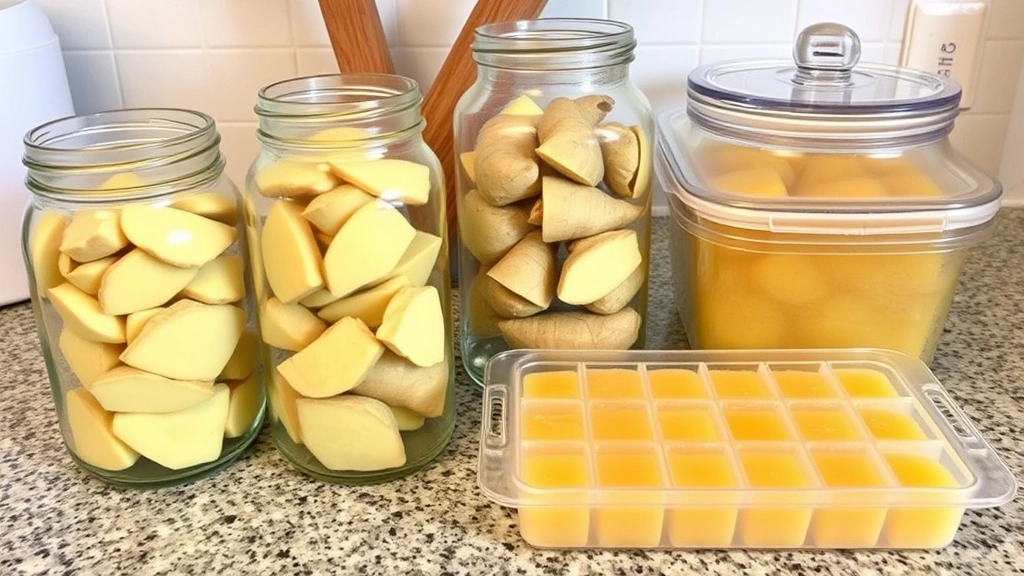
Glass Container Method: Store ginger in an airtight glass container in the refrigerator. Glass doesn’t absorb odors or flavors like plastic can, and it allows you to monitor the ginger’s condition at a glance. Add a paper towel inside to absorb excess moisture. This method is excellent if you want to keep your refrigerator organized and easily identify your stored ginger.
Unpeeled vs. Peeled Storage: Store ginger unpeeled whenever possible, as the skin acts as a protective barrier that extends shelf life. If you’ve already peeled some ginger, store the peeled pieces in a small glass jar covered with water, changing the water every few days. Peeled ginger lasts only one to two weeks using this method.
Freezing Ginger Root
Freezing is an excellent option if you want to extend ginger’s storage life to several months. Frozen ginger works beautifully in cooked dishes, teas, and smoothies, though it becomes softer when thawed and isn’t ideal for dishes where you want crisp texture. The freezing process stops all biological activity, preserving the ginger indefinitely in a properly maintained freezer.
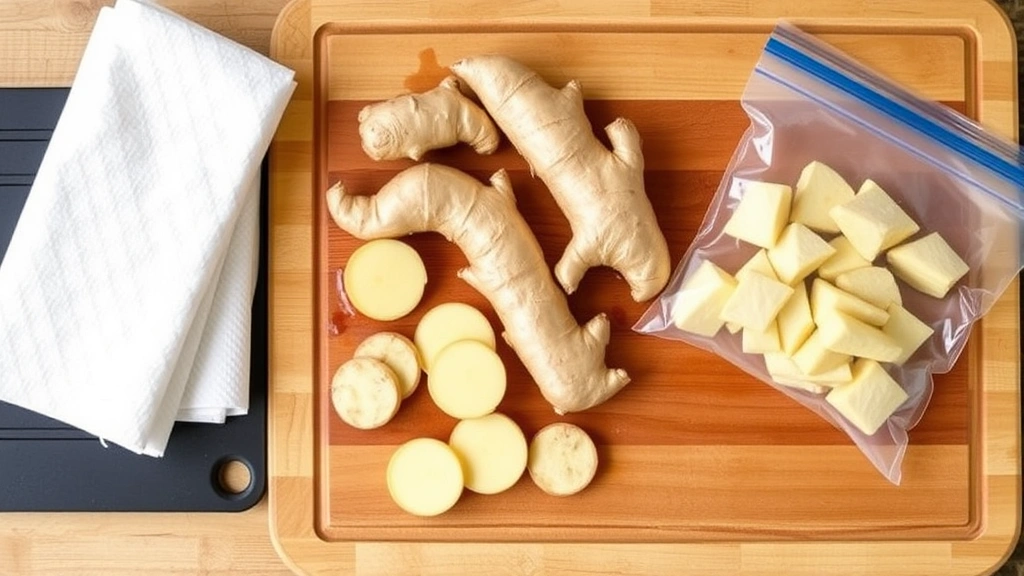
Whole Ginger Freezing: Wash and dry your ginger pieces thoroughly, then place them directly in a freezer bag. Label with the date and freeze. This method is incredibly convenient because you can grate or slice ginger while it’s still frozen, eliminating the need to thaw. The frozen pieces are often easier to peel than fresh ones. Whole frozen ginger lasts six to twelve months in a standard freezer.
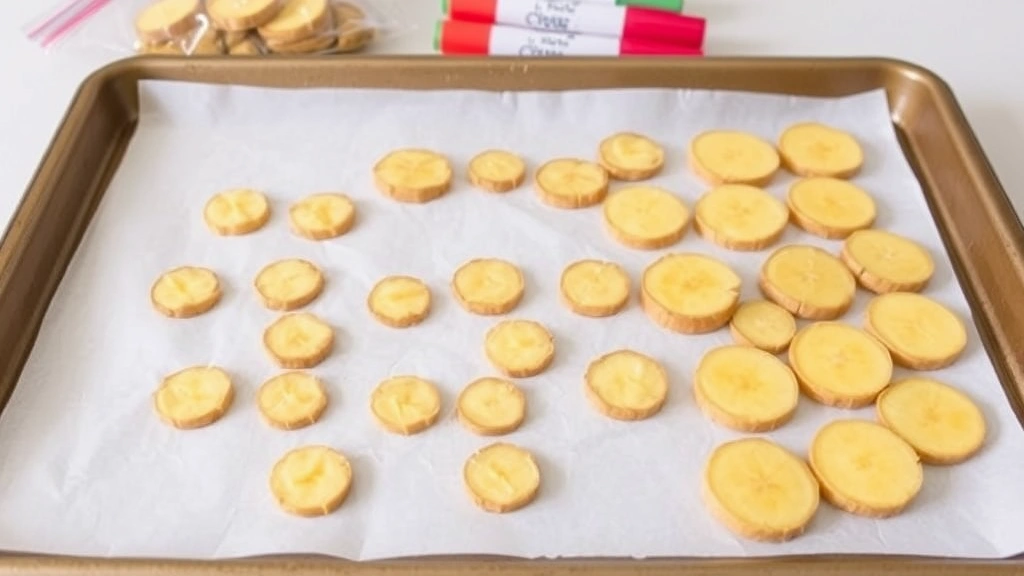
Sliced Ginger Method: Peel and slice ginger into thin rounds or matchsticks, then arrange them on a parchment-lined baking sheet. Freeze for two to three hours until solid, then transfer to a freezer bag. This pre-portioning makes it easy to grab exactly what you need for recipes. The individual pieces prevent clumping, so you can remove small amounts without thawing the entire batch.
Ginger Paste Freezing: Blend peeled ginger with a small amount of water to create a smooth paste. Spoon the paste into ice cube trays and freeze until solid, then pop the cubes into a freezer bag. Each cube typically equals one tablespoon of ginger, making measurements simple for recipes. This method works exceptionally well for ginger tea preparation and Asian cooking.
Ginger in Oil: Finely mince peeled ginger and pack it into a small jar, covering completely with neutral oil like vegetable or coconut oil. Freeze in the jar. This method infuses the oil with ginger flavor while preserving the root. Use the oil and ginger pieces in cooking, or strain and use just the oil for dressing and sautéing.
Pantry and Counter Storage
If you have limited refrigerator space or prefer room-temperature storage, ginger can be kept in a cool, dark pantry for two to three weeks. This method works best for whole, unpeeled ginger pieces with unblemished skin.
Pantry Conditions: Store ginger in a cool, dark place away from direct sunlight and heat sources. A pantry, cupboard, or dark corner works well. Temperature should ideally stay between 50-70°F (10-21°C). Avoid storing ginger near fruits like apples or bananas, which release ethylene gas that accelerates ripening and decay in other produce.
Ventilated Container Storage: Place ginger in a paper bag or breathable container that allows air circulation. This prevents moisture from accumulating while maintaining appropriate humidity levels. Paper bags are superior to plastic for pantry storage because they allow the ginger to breathe.
Soil Storage: For a unique and surprisingly effective method, store ginger pieces in a pot filled with slightly moist soil or sand. Bury the ginger pieces just below the surface, keeping the medium slightly damp but not waterlogged. This mimics the ginger’s natural growing environment and can preserve it for several weeks. Check occasionally for sprouting, which indicates the ginger is still viable.
Long-Term Preservation Techniques
For those who want to store ginger for extended periods or preserve it in forms that enhance specific recipes, several advanced methods are available. These techniques transform fresh ginger into shelf-stable products that maintain flavor and nutritional value.
Dried Ginger: Peel fresh ginger and slice it thinly, then arrange slices on a dehydrator tray or oven rack. Dehydrate at 140°F (60°C) for eight to twelve hours until completely dry and brittle. Store the dried slices in an airtight container away from light and heat. Dried ginger lasts one to two years and works wonderfully in teas, baking, and cooked dishes. You can also grind dried ginger into powder for convenient storage and use.
Pickled Ginger: Slice peeled ginger thinly and pack into sterilized jars. Cover with a mixture of equal parts rice vinegar and water, plus a small amount of salt and sugar. Process the jars according to standard canning procedures for shelf-stable storage, or refrigerate for shorter-term use. Pickled ginger lasts several months in the refrigerator and adds delightful tang to dishes. This method is popular in Asian cuisines and works beautifully as a palate cleanser.
Ginger Syrup: Simmer peeled, sliced ginger with equal parts water and sugar for thirty minutes, then strain. The resulting syrup stores in the refrigerator for several months and can be used in beverages, desserts, and glazes. This concentrated form delivers intense ginger flavor in liquid form, perfect for tea, cocktails, and culinary applications.
Candied Ginger: Peel and slice ginger, then simmer in water until tender. Coat the pieces in sugar and dry them on racks. Candied ginger stores in an airtight container for several months and makes an excellent snack, garnish, or ingredient in baking and confections. The sweet-spicy flavor appeals to many palates.
Recognizing Spoiled Ginger
Knowing when ginger has gone bad prevents wasted ingredients and potential food safety issues. Several clear signs indicate that ginger should be discarded rather than used in cooking.
Visual Indicators: Discard ginger that shows visible mold, which appears as fuzzy growth in white, green, or black colors. Soft spots, wrinkled skin with deep creases, or shriveled appearance indicate dehydration and quality loss. Dark discoloration or slimy patches signal decay and bacterial growth.
Aroma Changes: Fresh ginger has a warm, spicy, slightly sweet aroma. If ginger smells sour, fermented, musty, or unpleasant, it has begun to spoil. Trust your nose—if the smell is off, the ginger is no longer safe to use.
Texture Assessment: Fresh ginger feels firm and solid. If it becomes soft, mushy, or has areas that yield easily to pressure, it’s past its prime. Extremely dried-out ginger that feels like wood may still be usable in some applications, but if it’s also showing other signs of decay, discard it.
Mold Concerns: Never attempt to salvage moldy ginger by cutting away affected areas. Mold spreads throughout the ginger through invisible channels, and mold toxins can contaminate apparently healthy portions. When in doubt, throw it out.
Just as you would assess the quality of other stored produce like when storing strawberries, regular inspection of your ginger ensures you’re using only the best quality ingredients in your cooking.
FAQ
Can you freeze ginger root whole?
Yes, freezing whole ginger root is one of the easiest and most effective storage methods. Simply wash, dry, and place unpeeled ginger pieces directly into a freezer bag. Whole frozen ginger lasts six to twelve months and can be grated or sliced while still frozen. Many cooks prefer this method because it requires no preparation and delivers excellent results.
How long does fresh ginger last in the refrigerator?
Fresh ginger stored properly in the refrigerator typically lasts four to six weeks. Use the paper towel method or ziplock bag storage in the vegetable crisper drawer for best results. Peeled ginger lasts only one to two weeks, even when stored in water. Always check for signs of mold or decay before using refrigerated ginger.
Should ginger be stored in the refrigerator or freezer?
The choice depends on your usage patterns. Use the refrigerator if you use ginger regularly and want to maintain its fresh texture for dishes where appearance matters. Choose the freezer if you use ginger less frequently or primarily in cooked dishes, teas, and smoothies. Freezing extends shelf life significantly while the refrigerator offers better convenience for frequent use.
Can you store ginger in water?
Yes, but only for peeled ginger pieces. Store peeled ginger in a glass jar filled with water, changing the water every few days. This method preserves peeled ginger for one to two weeks. Unpeeled ginger shouldn’t be stored in water, as the skin will become waterlogged and promote mold growth. The water method works well for ginger you’ve already peeled and plan to use soon.
What’s the best way to store ginger long-term?
For long-term storage beyond a few months, freezing whole ginger is the simplest method, lasting six to twelve months. For even longer storage, dry ginger slices, make pickled ginger, or create ginger powder. These preservation methods can extend ginger’s usable life to one to two years or longer. Choose the method that best suits how you plan to use the ginger in your cooking.
Can you store ginger at room temperature?
Yes, ginger can be stored at room temperature in a cool, dark pantry or cupboard for two to three weeks. Keep it in a paper bag or breathable container away from direct sunlight and heat sources. This method works well for whole, unpeeled ginger but won’t extend storage as long as refrigeration or freezing. Room temperature storage is ideal when you plan to use the ginger within a few weeks.
Is it better to peel ginger before storing?
No, it’s better to store ginger unpeeled. The skin acts as a protective barrier that extends shelf life significantly. Peeled ginger deteriorates more quickly and lasts only one to two weeks even with proper storage. Peel ginger just before using it in your recipes. The only exception is if you’re making ginger paste or other processed forms, where peeling before processing is necessary.

Related Posts

Superscript in Google Docs: Expert Tips

Strikethrough in Excel: Easy Steps for Beginners
