
How to Store Fresh Ginger? Expert Tips Inside
How to Store Fresh Ginger: Expert Tips Inside
Fresh ginger is a versatile ingredient that adds warmth, spice, and depth to countless dishes, from stir-fries and curries to teas and desserts. However, many home cooks struggle with keeping ginger fresh and preventing it from shriveling, molding, or losing its potent flavor. The good news is that with the right storage methods, you can extend the shelf life of fresh ginger significantly and always have this aromatic root on hand when you need it.
Whether you’ve just picked up a large piece of ginger from your local market or you’re growing it in your garden, understanding how to store it properly is essential. Different storage methods work better depending on how quickly you plan to use the ginger and how much space you have available. In this comprehensive guide, we’ll walk you through multiple proven techniques that professional chefs and home cooks use to keep ginger fresh, flavorful, and ready to use.
Why Proper Ginger Storage Matters
Fresh ginger root is a living plant material that continues to respire and lose moisture even after harvest. Without proper storage, ginger quickly becomes soft, develops mold, or dries out completely, making it less flavorful and less useful in your kitchen. The key to successful ginger storage is understanding that ginger needs specific conditions: moderate humidity, cool temperatures, and proper air circulation.
Different storage methods preserve ginger for different lengths of time. Unrefrigerated ginger lasts about one to two weeks, while refrigerated ginger can last several weeks. Frozen ginger maintains quality for several months, and dried ginger can last up to a year when stored correctly. By learning these various methods, you can choose the approach that best fits your cooking habits and storage space.
Proper storage also helps you reduce food waste and save money. When ginger is stored correctly, you won’t need to discard pieces that have gone bad before you had a chance to use them. Plus, having fresh ginger readily available encourages you to use it more frequently in your cooking, which means you’ll experience the full range of its health benefits and culinary applications.
Refrigerator Storage Methods
The refrigerator is the best place to store fresh ginger for most home cooks. The cool temperature slows down the respiration process and prevents mold growth, while the controlled environment helps maintain the ginger’s quality. However, the specific method you use within the refrigerator matters significantly.
Paper Towel Method
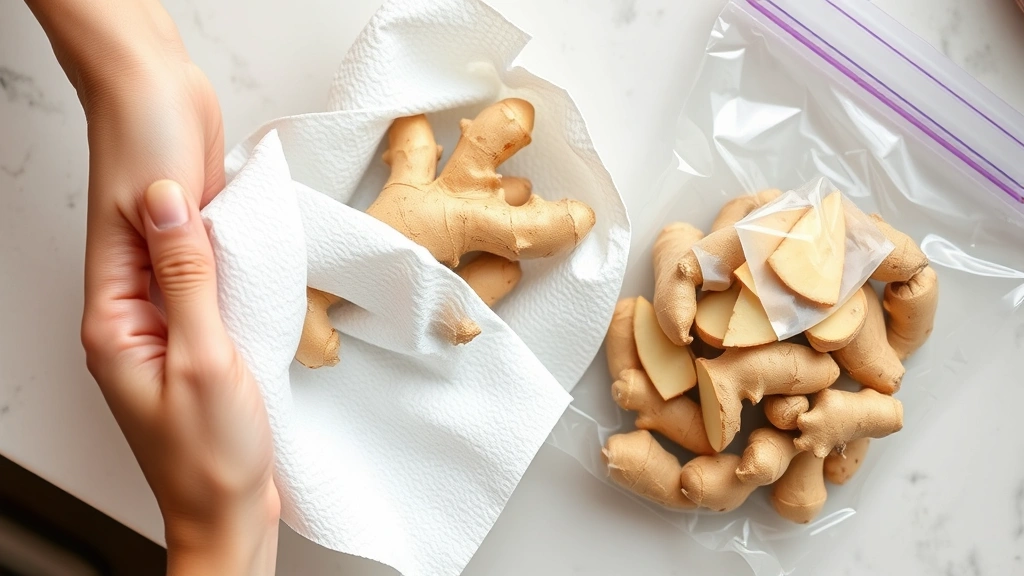
One of the simplest and most effective refrigerator storage methods involves paper towels. Wrap your fresh ginger root loosely in a dry paper towel, then place it in a plastic bag or container. The paper towel absorbs excess moisture that could otherwise promote mold growth, while the plastic bag creates a slightly humid environment that prevents the ginger from drying out completely. This method typically keeps ginger fresh for three to four weeks.
Vegetable Crisper Drawer Storage
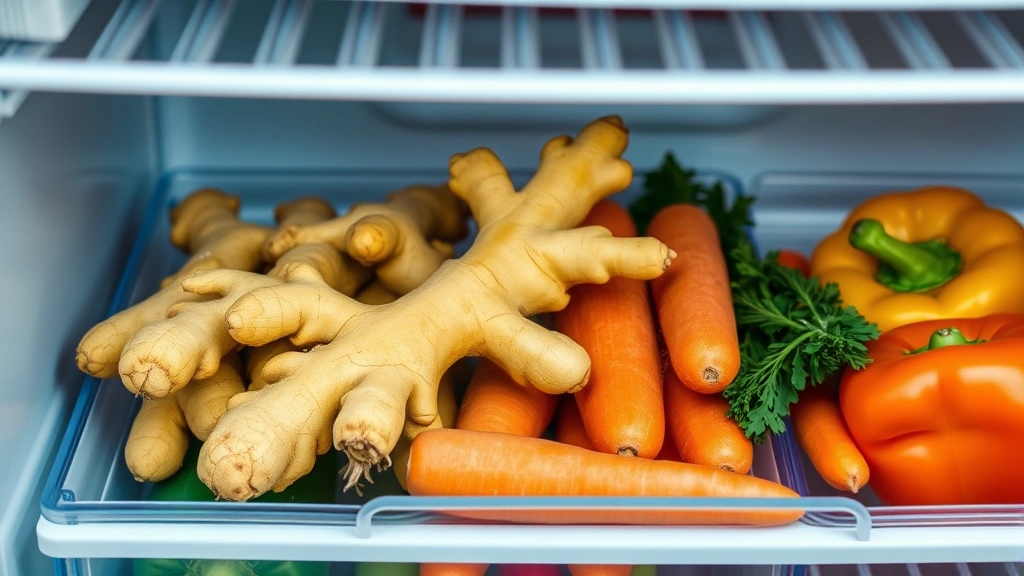
Most refrigerators have a dedicated vegetable crisper drawer designed to maintain optimal humidity levels for produce. Place your unwrapped ginger directly in this drawer, and it will stay fresh for about three weeks. The crisper drawer’s humidity control prevents excessive moisture loss while maintaining air circulation. This method works particularly well if you have limited plastic bag storage or prefer not to use single-use plastics.
Sealed Container Method
For longer storage, place ginger in an airtight container or resealable plastic bag after wrapping it in a paper towel. Remove as much air as possible from the bag before sealing. This method creates a microclimate that slows down moisture loss and prevents the ginger from absorbing odors from other foods in your refrigerator. Stored this way, ginger can last four to six weeks, making it ideal if you don’t use ginger frequently.
When using any refrigerator method, store ginger away from ethylene-producing fruits like apples and avocados, which can accelerate ripening and decay. Also, keep ginger separate from strong-smelling foods, as it can absorb odors and flavors from nearby items.
Freezing Fresh Ginger
Freezing is an excellent option if you want to store ginger for several months. Frozen ginger works particularly well for cooking applications where you’ll be heating the ginger, such as in soups, stir-fries, teas, and baked goods. The freezing process does change the texture slightly, making it softer when thawed, but the flavor remains intact.
Whole Ginger Freezing
The simplest freezing method is to place whole, unpeeled ginger roots in a freezer bag and store them in your freezer. There’s no need to blanch, peel, or prepare the ginger in any way. Simply wash it, pat it dry, place it in a freezer bag, remove excess air, and freeze. Frozen ginger stays fresh for up to three months using this method. When you need to use it, you can grate or slice it while still frozen, which is actually easier than working with fresh ginger because the frozen state makes it firmer and less fibrous.
Sliced and Portioned Freezing
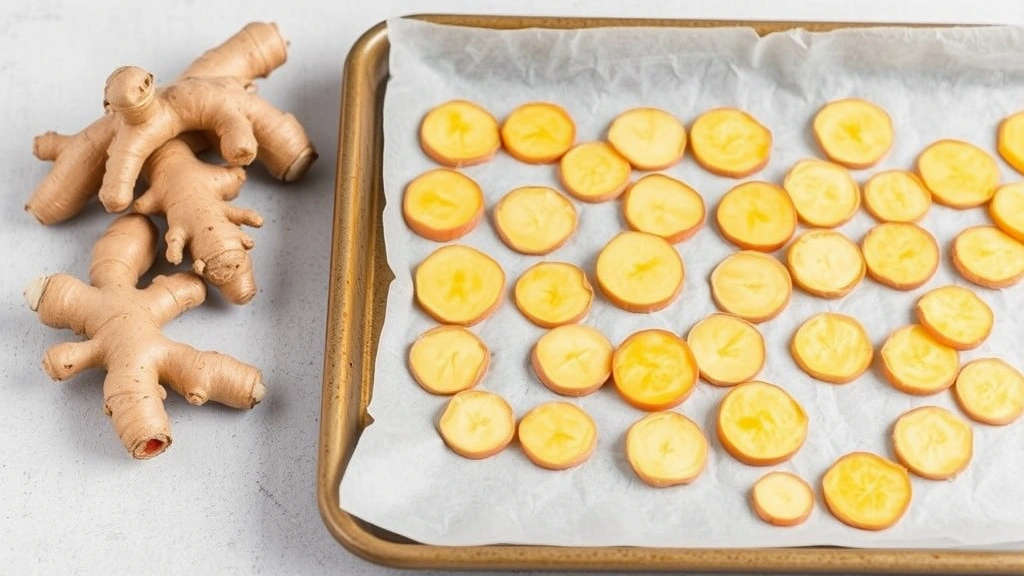
If you prefer to have ginger ready to use without additional preparation, slice or chop it before freezing. Arrange the pieces on a baking sheet lined with parchment paper and freeze for two to three hours until solid. Then transfer the frozen pieces to a freezer bag for storage. This method allows you to grab exactly the amount you need without thawing an entire root. Portioned frozen ginger keeps for three to four months.
Ginger Paste Freezing
For a more convenient option, make ginger paste by blending fresh ginger with a small amount of water or oil until smooth. Spoon the paste into ice cube trays and freeze until solid, then pop the cubes into a freezer bag. Each cube becomes a single serving that you can add directly to curries, soups, and sauces. Ginger paste cubes last up to six months in the freezer, and this method is similar to how you might freeze strawberries in portions for easy use.
Pantry and Room Temperature Storage
While refrigeration is ideal, ginger can be stored at room temperature if you plan to use it within a week or two. This method works best for whole, unpeeled ginger that is firm and unblemished.
Dark and Cool Pantry Storage
Choose a dark, cool spot in your pantry or cupboard away from direct sunlight and heat sources. A temperature between 50-70°F is ideal. Place ginger in a paper bag or cardboard box to allow air circulation while protecting it from light. This method keeps ginger fresh for one to two weeks. The key is ensuring the storage area remains consistently cool and dry, as fluctuating temperatures or humidity can accelerate decay.
Root Cellar or Cool Basement Storage
If you have access to a root cellar, cool basement, or similar space that maintains temperatures around 50-65°F with moderate humidity, ginger stores exceptionally well there. Layer ginger roots in a wooden crate or cardboard box, separating the pieces with newspaper or parchment paper to prevent them from touching. Stored this way, ginger can last two to three months. This traditional storage method is excellent if you purchase ginger in bulk during harvest season.
Sand or Sawdust Bedding Method
For longer room-temperature storage, bury ginger roots in a box of clean sand or untreated sawdust. The bedding material maintains humidity around the ginger while providing insulation from temperature fluctuations. Store this box in a cool location and check periodically for any signs of sprouting or mold. This method, commonly used by gardeners and farmers, can keep ginger fresh for two to four months.
Drying and Preserving Ginger
Dried ginger is a pantry staple that lasts for up to a year and takes up minimal space. While dried ginger has a different flavor profile than fresh ginger (more concentrated and slightly peppery), it’s perfect for teas, baked goods, and spice blends.
Oven Drying Method
Peel fresh ginger and slice it thinly, about 1/8 inch thick. Arrange the slices on a baking sheet lined with parchment paper in a single layer. Set your oven to the lowest temperature setting (usually 150-200°F) and place the baking sheet inside. Prop the oven door open slightly to allow moisture to escape. Drying typically takes four to six hours, depending on thickness and oven temperature. The ginger is ready when it’s completely brittle. Store dried ginger slices in an airtight container away from light and heat.
Dehydrator Method
If you have a food dehydrator, it’s an excellent tool for drying ginger. Peel and slice the ginger thinly, arrange it on dehydrator trays, and set the temperature to 135-150°F. Drying time is usually three to four hours. Dehydrators provide more consistent results than ovens because they maintain precise temperature and humidity levels. The dried ginger will keep in an airtight container for up to one year.
Ginger Powder Creation
Once dried, you can grind ginger into powder using a spice grinder, blender, or mortar and pestle. Ginger powder is convenient for baking and beverages and takes up even less space than whole dried slices. Store ginger powder in an airtight container in a cool, dark cupboard for up to one year. Homemade ginger powder is fresher and more flavorful than store-bought versions.
Signs of Spoilage and When to Discard
Even with proper storage, ginger can eventually spoil. Knowing the signs of bad ginger helps you use it safely and avoid wasting time on compromised ingredients. Check your stored ginger regularly, especially as you approach the end of its expected storage life.
Visual Signs of Spoilage
Discard ginger if you notice mold growth, which appears as fuzzy white, green, or black patches on the surface. Soft spots that feel mushy when pressed also indicate decay. If the ginger has sprouted, it’s still safe to eat, but the sprouts should be removed as they can taste bitter. Severe wrinkles and a shriveled appearance mean the ginger has lost too much moisture and will be tough and fibrous, though still technically edible if you’re willing to use it in cooked applications.
Smell and Taste Indicators
Fresh ginger has a pungent, spicy aroma. If your stored ginger smells sour, fermented, or unpleasant in any way, discard it. Similarly, if the flavor tastes off or has developed an unpleasant aftertaste, it’s best not to use it. Trust your senses—if something seems wrong with the ginger, it probably is.
Texture Changes
Ginger that has been frozen and thawed becomes noticeably softer in texture. This is normal and not a sign of spoilage, but it means frozen-thawed ginger works best in cooked dishes rather than raw applications. If ginger is mushy or slimy, however, it has begun to decay and should be discarded.
Choosing Quality Ginger at Purchase
Proper storage begins with selecting high-quality ginger at the market. The better the condition of your ginger when you bring it home, the longer it will keep using any storage method.
What to Look For
Choose ginger roots that feel firm and heavy for their size, indicating good moisture content. The skin should be relatively thin and smooth without major wrinkles or blemishes. Avoid ginger with soft spots, cuts, or visible mold. Look for pieces with minimal branching if possible, as these are easier to peel and store. Younger ginger, which has thinner skin and a milder flavor, doesn’t store as long as mature ginger but is delicious when used fresh.
Storage Immediately After Purchase
Don’t wait to store your ginger properly. As soon as you arrive home, inspect it for any damage and prepare it for storage using your chosen method. If you’ve purchased pre-packaged ginger, transfer it to a more breathable storage solution, as plastic packaging from the store often traps moisture and promotes mold growth.
Similar to how you might store cucumbers properly or preserve fresh cilantro, ginger requires attention to moisture levels and temperature control. Each produce item has unique needs, but the principles of proper storage remain similar across different vegetables and herbs.
By implementing these storage strategies, you’ll always have fresh ginger available for your cooking needs. Whether you prefer the convenience of frozen ginger cubes, the long-term storage of dried ginger, or the immediate availability of refrigerated ginger, these methods ensure you waste less and enjoy more of this essential culinary ingredient.
FAQ
Can you store ginger in water?
Storing ginger in water is not recommended as a primary method. While submerging ginger in water can prevent it from drying out, it promotes mold growth and can cause the ginger to become soft and mushy. If you do store ginger in water, change the water daily and use it within a few days. However, paper towel and plastic bag methods are far superior for keeping ginger fresh.
How long does fresh ginger last in the refrigerator?
Fresh ginger stored in the refrigerator using proper methods lasts three to six weeks, depending on the specific storage technique. The paper towel and sealed container methods typically provide three to four weeks of freshness, while the vegetable crisper drawer keeps ginger fresh for about three weeks. Storage duration also depends on the initial quality of the ginger and how frequently you open and close the storage container.
Is frozen ginger as good as fresh ginger?
Frozen ginger works excellently in cooked applications like soups, stir-fries, curries, and teas. The flavor remains strong and the spicy notes come through clearly. However, the texture becomes softer after thawing, making frozen ginger less ideal for raw applications where you want a firm, crisp texture. For cooking purposes, frozen ginger is nearly as good as fresh and offers the advantage of longer storage and easier preparation.
Can you regrow ginger from stored pieces?
Yes, you can regrow ginger from stored pieces that have sprouted. If you notice sprouts developing on your stored ginger, you can plant these pieces in soil and grow new ginger plants. However, if you’re storing ginger specifically for culinary use, you’ll want to prevent sprouting by storing it in cool conditions and using it before sprouting occurs. Once sprouting begins, the ginger becomes less suitable for cooking.
What’s the best way to use frozen ginger?
Frozen ginger is best used directly from the freezer without thawing. Grate it while frozen for soups and stir-fries, or chop it for tea and baked goods. The frozen state makes ginger easier to grate because it’s firmer than fresh ginger. You can also thaw frozen ginger before using it if you prefer, though this isn’t necessary for most cooking applications. Add frozen ginger directly to hot liquids, and it will thaw and release its flavor quickly.
How do you store peeled ginger?
Peeled ginger has a shorter shelf life than unpeeled ginger because the exposed surface loses moisture and is more susceptible to mold growth. If you’ve peeled ginger, wrap it tightly in plastic wrap or place it in an airtight container and refrigerate it. Use peeled ginger within one to two weeks. Alternatively, you can freeze peeled ginger using the slice-and-portion method, which keeps it fresh for several months.
Does ginger need to be refrigerated?
Ginger doesn’t absolutely need to be refrigerated if you plan to use it within one to two weeks and store it in a cool, dark place. However, refrigeration significantly extends its shelf life and is recommended if you don’t use ginger frequently. For longer storage beyond two weeks, refrigeration or freezing is essential to prevent mold growth and moisture loss.

Related Posts

Superscript in Google Docs: Expert Tips

Strikethrough in Excel: Easy Steps for Beginners
