
How to Store Cilantro? Chef’s Best Techniques
How to Store Cilantro: Chef’s Best Techniques for Maximum Freshness
Cilantro is one of the most versatile and flavorful herbs in the kitchen, but it’s also notoriously delicate and prone to wilting within days of purchase. Whether you’re a home cook who uses cilantro occasionally or a culinary enthusiast who incorporates it into multiple dishes weekly, knowing how to store cilantro properly can dramatically extend its shelf life and preserve its vibrant flavor and nutritional benefits. Fresh cilantro can last anywhere from a few days to several weeks depending on your storage method, and mastering these techniques will save you money and reduce food waste.
The key to keeping cilantro fresh lies in understanding its unique characteristics. Unlike hardier herbs such as rosemary or thyme, cilantro has tender leaves and stems that are highly sensitive to moisture, temperature fluctuations, and ethylene gas produced by ripening fruits and vegetables. By employing the right storage strategies, you can keep your cilantro crisp, aromatic, and ready to elevate your dishes whenever inspiration strikes.
Why Cilantro Wilts So Quickly
Understanding the science behind cilantro’s rapid deterioration is essential for developing effective storage strategies. Cilantro contains approximately 92% water, making it extremely vulnerable to dehydration. When exposed to air, the moisture in the leaves and stems evaporates rapidly, causing the herb to become limp and lose its distinctive flavor compounds. Additionally, cilantro is sensitive to ethylene gas, a naturally occurring plant hormone that accelerates ripening and deterioration in many produce items.
Temperature plays a crucial role in cilantro’s longevity as well. Temperatures below 50 degrees Fahrenheit can cause chilling injury, leading to discoloration and faster decay. Conversely, warm temperatures accelerate the natural senescence process. The ideal storage temperature for cilantro is between 32 and 41 degrees Fahrenheit, which is why your refrigerator’s crisper drawer is often the best location. Exposure to direct light also degrades chlorophyll and flavor compounds, so dark storage environments are preferable. When you understand these factors, you’ll appreciate why certain storage methods work better than others.
The Water Glass Method: Best for Short-Term Storage
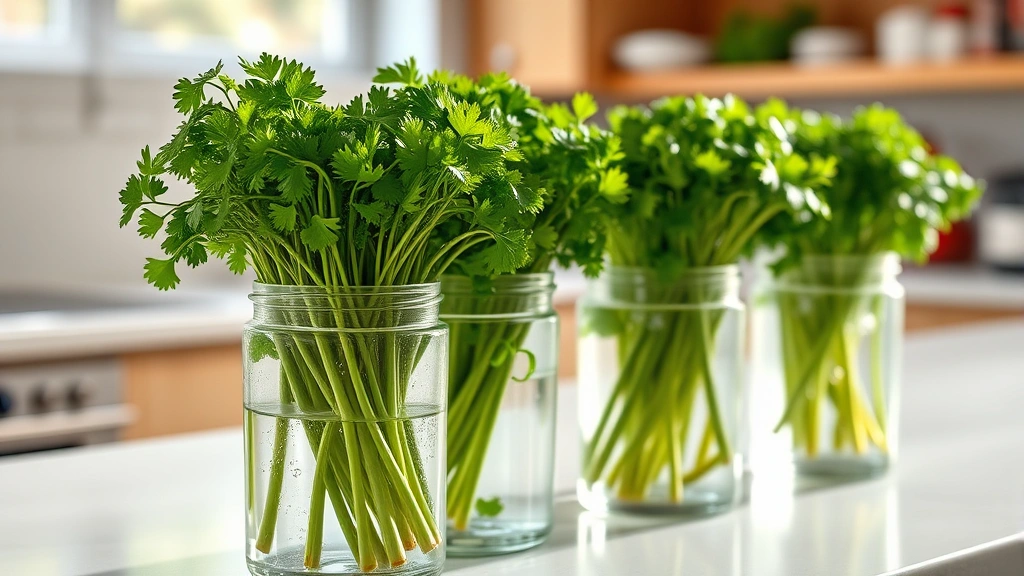
The water glass method is widely considered the most effective technique for keeping cilantro fresh for up to two weeks. This method mimics the way florists keep cut flowers fresh and is based on the principle of continuous hydration. To implement this approach, you’ll need a glass or container that can hold water, fresh cilantro bunches, and optionally, a plastic bag.
Step-by-step instructions:
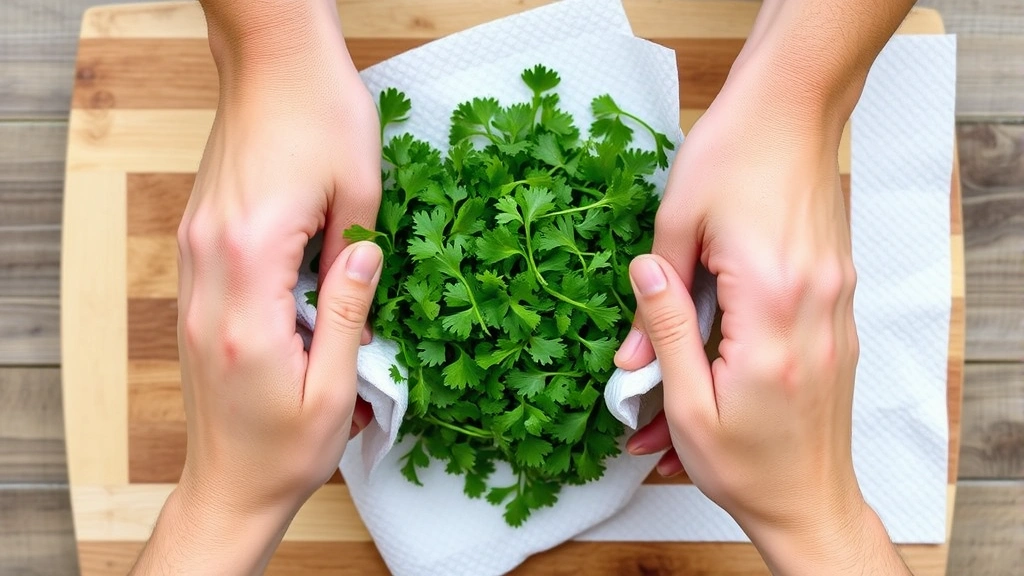
- Rinse your cilantro bunches under cool running water and gently pat them dry with paper towels. Excess moisture on the leaves can promote mold growth.
- Trim approximately half an inch from the bottom of the stems using a sharp knife. This fresh cut allows the stems to absorb water more efficiently.
- Fill a glass or container with about two inches of room-temperature water. Avoid using ice-cold water, as it can shock the delicate herb.
- Place the cilantro bunches into the water, stems-down, similar to how you would arrange cut flowers. The water should cover the lower third to half of the stems.
- Loosely cover the top of the container with a plastic bag or plastic wrap, creating a humidity tent without sealing it completely. This maintains moisture while allowing minimal air circulation.
- Place the container in a cool location away from direct sunlight, preferably in your refrigerator if space permits.
- Change the water every two to three days, or whenever it becomes cloudy or discolored.
This method works exceptionally well because it addresses cilantro’s primary storage challenge: maintaining adequate hydration without promoting rot. The constant access to water keeps the stems turgid and the leaves crisp, while the loose plastic covering reduces moisture loss through transpiration. Many professional chefs and experienced home cooks swear by this technique for maintaining cilantro quality throughout the week.
Paper Towel Wrapping Technique
For those who prefer a more compact storage solution or have limited refrigerator space, the paper towel wrapping method offers an excellent alternative. This technique involves creating a protective microenvironment that balances moisture retention with proper air circulation. The paper towels act as a buffer, absorbing excess moisture while preventing the leaves from drying out completely.
Begin by gently rinsing your cilantro and patting it thoroughly dry with paper towels. Moisture is the enemy of this method, so take time to ensure the leaves are as dry as possible. Lay out a large paper towel and place your cilantro bunch in the center. Roll the paper towel loosely around the cilantro, creating a protective wrap without crushing the delicate leaves. The key is to be gentle but thorough in your wrapping technique.
Place the wrapped cilantro into a plastic bag, preferably a resealable bag that allows you to remove excess air without creating a completely airtight seal. Store this package in your refrigerator’s crisper drawer, where humidity levels are naturally higher. This method typically keeps cilantro fresh for five to seven days, making it ideal for regular weekly grocery shopping routines. The paper towel absorbs any excess moisture that accumulates, preventing the soggy conditions that promote bacterial growth and decay.
Refrigerator Drawer Storage Solutions
Your refrigerator’s crisper drawer is specifically designed to maintain optimal humidity and temperature for produce storage, making it an ideal location for cilantro regardless of which method you choose. However, understanding how to use your crisper drawer effectively requires knowledge of its humidity controls and proper organization.
Most modern refrigerators feature crisper drawers with humidity sliders. For cilantro and other herbs, you’ll want to set the humidity to high, typically indicated by closing the vent or moving the slider toward the “closed” position. This creates a more humid microenvironment that slows water loss from the herb’s leaves and stems. If your crisper drawer doesn’t have humidity controls, simply storing cilantro in a sealed or partially sealed container will achieve similar results.
Organization within the crisper drawer matters significantly. Store cilantro away from ethylene-producing fruits such as apples, bananas, avocados, and tomatoes. These fruits release ethylene gas as they ripen, which accelerates cilantro’s deterioration. Keep cilantro in the coldest part of your crisper drawer, typically at the back or bottom, away from the door where temperature fluctuations are more pronounced. If you’re using the water glass method, ensure the glass is stable and won’t tip over when the drawer opens and closes.
Consider designating a specific section of your crisper drawer exclusively for herbs. This organization strategy makes it easier to locate cilantro quickly, reducing the time your refrigerator door remains open and preventing unnecessary temperature fluctuations. Some home cooks find it helpful to store all fresh herbs together in a dedicated container or compartment, making it easier to monitor their freshness and use them before they spoil.
Freezing Cilantro for Long-Term Preservation
While freezing cilantro changes its texture and makes it unsuitable for garnishing fresh dishes, it’s an excellent method for long-term preservation when you plan to use the herb in cooked dishes, soups, sauces, and smoothies. Frozen cilantro can last six to twelve months when stored properly, providing convenient access to this flavorful herb year-round.
Freezing whole cilantro bunches: The simplest freezing method involves placing unwashed cilantro bunches directly into freezer bags. Remove as much air as possible from the bag, seal it tightly, and label it with the date. When you need cilantro, simply remove the amount you require and return the remainder to the freezer. This method works best for cilantro destined for cooked applications.
Flash freezing individual leaves: For more precise portioning, wash and thoroughly dry your cilantro, then arrange individual leaves on a baking sheet lined with parchment paper. Place the baking sheet in your freezer for two to three hours until the leaves are completely frozen. Transfer the frozen leaves to freezer bags or airtight containers, removing as much air as possible. This method allows you to use exactly the amount of cilantro you need without thawing an entire bunch.
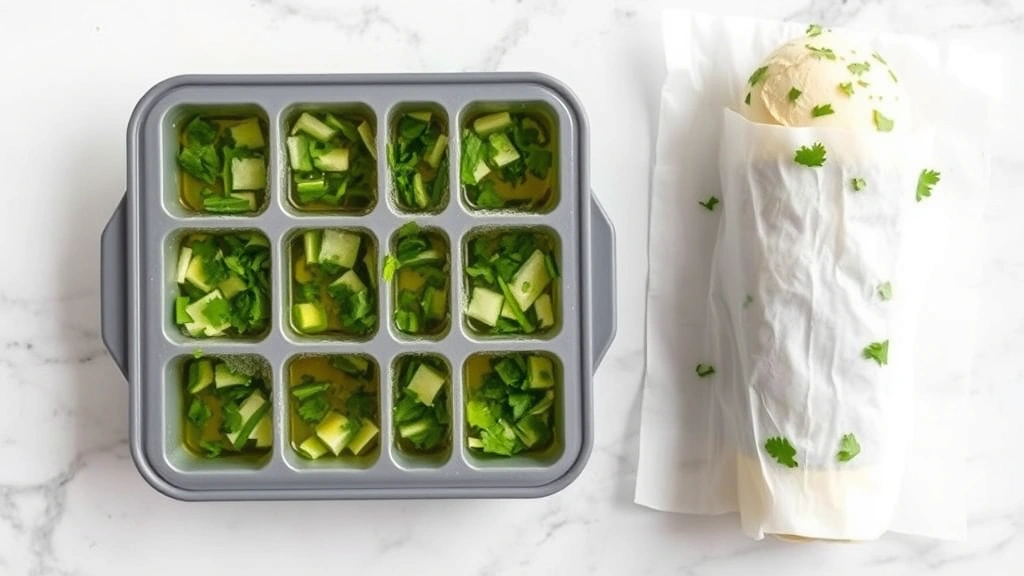
Freezing cilantro in ice cube trays: This method is particularly useful for smoothies and liquid-based dishes. Finely chop fresh cilantro and pack it into ice cube trays, filling each compartment about three-quarters full. Add a small amount of water or olive oil, then freeze until solid. Pop the frozen cilantro cubes into freezer bags for convenient storage. Each cube typically contains about one tablespoon of chopped cilantro, making portion control straightforward.
Drying Cilantro at Home
Drying is another preservation method that works well for cilantro, though dried cilantro has a more concentrated flavor profile and differs significantly from fresh cilantro. Dried cilantro is best used in cooked dishes, curries, and spice blends rather than as a fresh garnish. However, home-dried cilantro offers superior flavor compared to many commercial dried versions because you control the drying process and harvest timing.
Air drying method: Rinse your cilantro bunches and pat them completely dry. Tie them together with twine or rubber bands, creating small bundles. Hang these bundles upside down in a warm, dark, well-ventilated location such as a pantry, closet, or dedicated drying area. Avoid areas with high humidity or direct sunlight, as these conditions degrade the herb’s color and flavor compounds. Depending on temperature and humidity, cilantro typically takes one to two weeks to dry completely. Once fully dried, the leaves should crumble easily between your fingers. Strip the leaves from the stems and store them in airtight containers away from light and heat.
Oven drying method: For faster results, you can dry cilantro in your oven. Preheat your oven to its lowest setting, typically 170 to 200 degrees Fahrenheit. Arrange clean, dry cilantro leaves on a baking sheet lined with parchment paper in a single layer. Place the baking sheet in the oven with the door slightly ajar to allow moisture to escape. Check the leaves every five to ten minutes, as they dry quickly at this temperature. Once completely dry and brittle, remove them from the oven and store them in airtight containers. This method typically takes fifteen to thirty minutes.
Dehydrator method: If you own a food dehydrator, it’s an excellent tool for drying cilantro. Set the dehydrator to 95 to 105 degrees Fahrenheit, arrange cilantro in a single layer on the trays, and allow it to dry for four to six hours. This gentle, controlled drying process preserves more of cilantro’s delicate flavor compounds compared to oven drying.
Creating Cilantro Herb Butter and Pastes
Herb butter and cilantro paste are creative preservation methods that transform fresh cilantro into versatile ingredients you can use throughout the year. These preparations not only extend cilantro’s shelf life but also create convenient flavor-packed bases for countless dishes. When you learn these preparation techniques, you’ll discover new ways to utilize your cilantro harvest.
Cilantro herb butter: Finely chop fresh cilantro and mix it with softened butter at a ratio of approximately three parts butter to one part cilantro. Add minced garlic, lime zest, and a pinch of sea salt for enhanced flavor. Spread this mixture onto plastic wrap or parchment paper, roll it into a log shape, and freeze it. Once frozen, you can slice the log into individual portions and store them in freezer bags. Cilantro herb butter keeps for three to four months in the freezer and melts beautifully over grilled meats, vegetables, and seafood.
Cilantro paste: Blend fresh cilantro with a small amount of neutral oil, lime juice, garlic, and salt to create a vibrant green paste. This paste can be frozen in ice cube trays for convenient portioning or stored in small jars with a layer of oil on top to prevent oxidation. Cilantro paste adds authentic flavor to curries, marinades, and dressings and lasts up to three months in the freezer.
Cilantro chimichurri: Combine cilantro with parsley, garlic, red pepper flakes, vinegar, and olive oil to create a traditional chimichurri sauce. This herbaceous condiment pairs beautifully with grilled meats and vegetables and freezes well for up to four months. Making chimichurri is an excellent way to use large quantities of fresh cilantro when you have an abundance from farmers’ markets or your garden.
Signs Your Cilantro Has Gone Bad
Recognizing when cilantro has deteriorated beyond use is essential for food safety and maintaining the quality of your dishes. Several clear indicators signal that cilantro should be discarded rather than used in your cooking.
Visual signs of deterioration: Yellowing or browning leaves indicate that cilantro is past its prime. The leaves should maintain a vibrant green color throughout storage. Slimy or translucent stems suggest bacterial growth and decay. Wilted, drooping leaves that don’t crisp up when placed in cold water have lost too much moisture to recover. Mold or fuzzy growth on any part of the cilantro requires immediate discarding of the entire bunch, as mold can spread throughout the herb and may produce harmful toxins.
Smell and texture: Fresh cilantro has a distinctive, pleasant aroma. If your cilantro smells musty, sour, or unpleasant, it has begun to ferment or rot and should not be used. The stems should snap crisply when bent; soft, mushy stems indicate advanced deterioration. If the leaves feel slimy or sticky to the touch, bacterial growth has compromised the herb’s safety and quality.
When in doubt, err on the side of caution. Using deteriorated cilantro in your cooking can introduce harmful bacteria and compromise the flavor of your dishes. It’s better to discard questionable cilantro and purchase fresh supplies than to risk foodborne illness or unpleasant flavors in your meals.
FAQ
How long does cilantro last in the refrigerator?
The lifespan of cilantro in your refrigerator depends on your storage method. Using the water glass method can keep cilantro fresh for up to two weeks. Paper towel wrapping typically extends freshness to five to seven days. Simply storing cilantro in a plastic bag in the crisper drawer usually keeps it fresh for three to five days. Proper technique makes a significant difference in longevity.
Can you store cilantro at room temperature?
Storing cilantro at room temperature is not recommended for extended storage, as it will wilt within one to two days. Room temperature accelerates the natural deterioration process and allows ethylene gas to accumulate around the herb. If you must store cilantro at room temperature temporarily, place it in a glass of water away from direct sunlight and use it as quickly as possible.
Is it better to wash cilantro before or after storage?
For most storage methods, it’s best to wash cilantro just before use rather than before storage. Excess moisture from washing promotes mold growth and bacterial development during storage. However, if you’re using the water glass method, a gentle rinse followed by thorough drying is acceptable. Always ensure cilantro is completely dry before storing it in plastic bags or wrapping it with paper towels.
Can you revive wilted cilantro?
Yes, you can often revive wilted cilantro by placing the stems in a glass of ice-cold water for thirty minutes to an hour. The cold water helps restore turgor pressure to the leaves and stems, making them crisp again. However, this revival is temporary, and you should use the cilantro promptly. This technique works best for cilantro that is merely dehydrated rather than truly spoiled.
What’s the best way to store cilantro if you have limited refrigerator space?
If refrigerator space is limited, consider freezing cilantro in ice cube trays with a bit of water or oil. This method takes up minimal space and provides convenient portions for cooking. Alternatively, dry your cilantro using one of the home drying methods described earlier. Dried cilantro occupies very little space and lasts for months when stored in airtight containers.
Does cilantro lose flavor when frozen?
Frozen cilantro does lose some of its delicate, fresh flavor profile, which is why it’s best reserved for cooked dishes rather than fresh applications. However, the herb retains enough flavor to meaningfully contribute to curries, soups, sauces, and other dishes. If preserving cilantro’s bright, fresh flavor is your priority, the water glass refrigeration method is superior to freezing.

Related Posts

Superscript in Google Docs: Expert Tips

Strikethrough in Excel: Easy Steps for Beginners
