
How to Smoke a Cigar: A Beginner’s Guide
How to Smoke a Cigar: A Beginner’s Guide
There’s something undeniably sophisticated about lighting up a quality cigar. Unlike cigarettes, which are meant to be inhaled, cigars are designed for savoring—a ritualistic experience that combines craftsmanship, patience, and genuine appreciation. Whether you’re attending a celebration, unwinding after a long day, or simply curious about this timeless practice, learning how to smoke a cigar properly can transform it from an intimidating prospect into a genuinely enjoyable moment.
The beauty of cigar smoking lies in its deliberate pace. It’s not a habit meant to be rushed; it’s a hobby that encourages you to slow down, engage your senses, and truly be present. This guide will walk you through everything you need to know as a beginner, from selecting your first cigar to mastering the fundamentals of proper technique.
Unlike other smoking methods—whether you’re learning how to roll a joint or exploring culinary smoking like how to smoke a turkey—cigar smoking is an art form with its own distinct culture and etiquette. Let’s dive in.
Choosing Your First Cigar
Before you light anything up, you need to select an appropriate cigar. This decision matters more than most beginners realize. The wrong choice—something too strong or poorly made—can sour your entire introduction to cigar smoking.
Size and Ring Gauge
Cigars come in various shapes and sizes. The length is measured in inches, while the ring gauge (the diameter) is measured in 64ths of an inch. For beginners, aim for moderate sizes: a Corona (5.5 inches by 42 ring gauge) or a Robusto (5 inches by 50 ring gauge) are ideal starting points. These sizes burn at a comfortable pace—typically 30 to 90 minutes—giving you time to enjoy the experience without an overwhelming commitment.
Strength Level
Cigars are classified by strength: mild, medium, and full-bodied. Start with mild to medium options. Mild cigars are typically lighter in color (called claro or candela wrappers) and offer subtle, nuanced flavors. Jumping straight to a full-bodied cigar can result in nicotine overload, dizziness, or nausea—not the introduction you want.
Quality Matters
Purchase from reputable tobacconists or established retailers, not gas stations or convenience stores. Quality cigars are hand-rolled with care, while cheaper alternatives often contain low-grade tobacco and inconsistent construction. A well-made cigar should feel firm but not hard, with no soft spots or cracks in the wrapper.
Essential Tools and Accessories
You don’t need much to smoke a cigar, but the right tools make an enormous difference in your experience.
Cigar Cutter
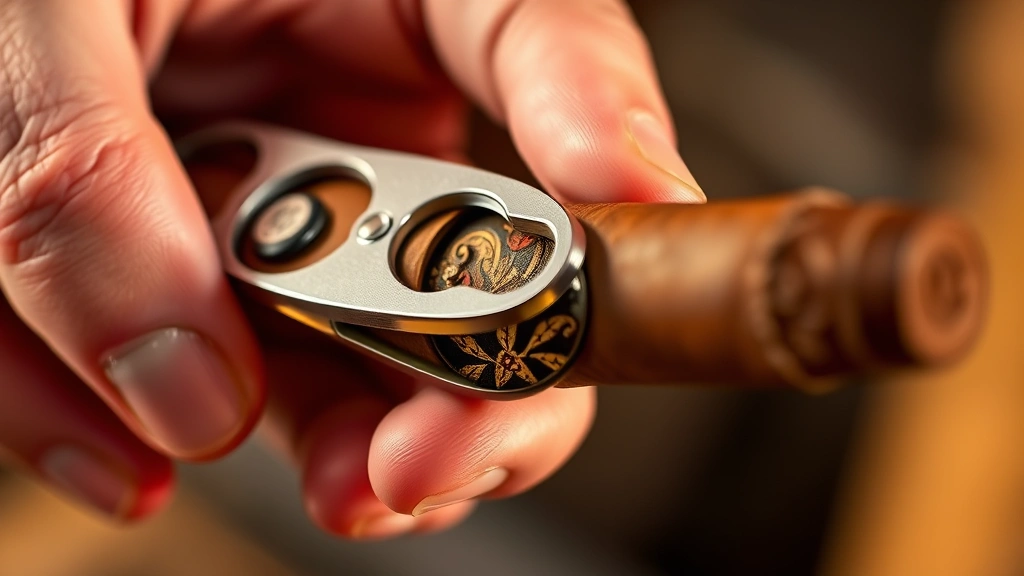
A quality cigar cutter is non-negotiable. There are three main types: guillotine cutters (which slice straight across the cap), punch cutters (which remove a circular plug from the end), and V-cutters (which create a V-shaped notch). For beginners, a guillotine cutter is most forgiving and widely recommended. Avoid using your teeth or a knife—this damages the cigar’s structure.
Lighter
Use a torch lighter or cedar spills, never a regular butane lighter. Regular lighters produce a flame that can char the tobacco and create an unpleasant taste. Torch lighters provide a clean, even heat source. This Old House’s guide to outdoor entertaining offers additional insights into creating proper smoking environments.
Ashtray
A designated ashtray keeps ash contained and shows respect for your surroundings. Many cigar-specific ashtrays have a rest groove, allowing your cigar to rest between puffs without rolling away.
Humidor (Eventually)
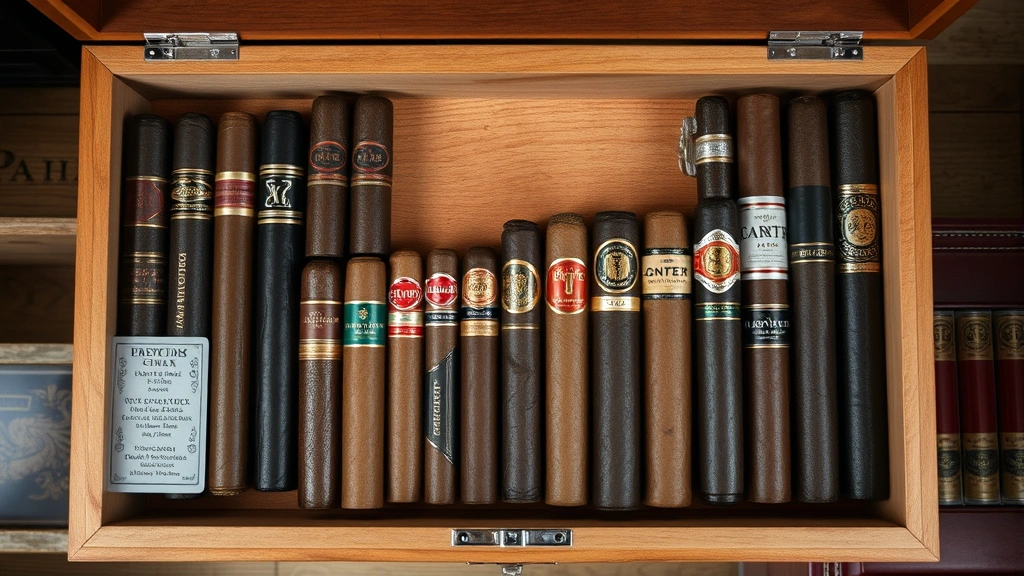
As you develop your hobby, investing in a humidor becomes worthwhile. Cigars are hygroscopic, meaning they absorb and release moisture based on their environment. A humidor maintains ideal humidity (around 65-72%) and temperature (around 70°F), preserving your cigars’ flavor and construction. For now, purchase cigars as needed from a well-maintained shop.
The Cutting Technique
Cutting your cigar properly is the first critical step. A poor cut can lead to an unraveling wrapper or an uneven burn.
Understanding the Cap
The “cap” is the small piece of wrapper leaf that covers the head (the end you’ll smoke from). It’s glued on during rolling to keep the cigar intact. You must remove just enough of the cap to access the tobacco without removing so much that the wrapper unravels.
The Cut
Hold your cigar steady with one hand. With a guillotine cutter, position the cutter so you’re removing approximately 1/16 to 1/8 inch of the cap. Place the cigar in the cutter’s opening, positioning it so the blade will cut straight across. Make one quick, decisive cut. Hesitation or multiple cuts damages the cigar. Remove the cut cap and examine your work—you should see the tobacco inside without the wrapper peeling back.
Testing the Draw
Before lighting, take a gentle, unlit puff to test the draw. The cigar should have slight resistance—not too loose, not too tight. If the draw feels too restrictive, you may have cut too little. If it’s too loose, the cigar may burn unevenly.
The Lighting Process
Lighting a cigar is not like lighting a cigarette. It requires patience and attention to create an even burn.
Toasting the Foot
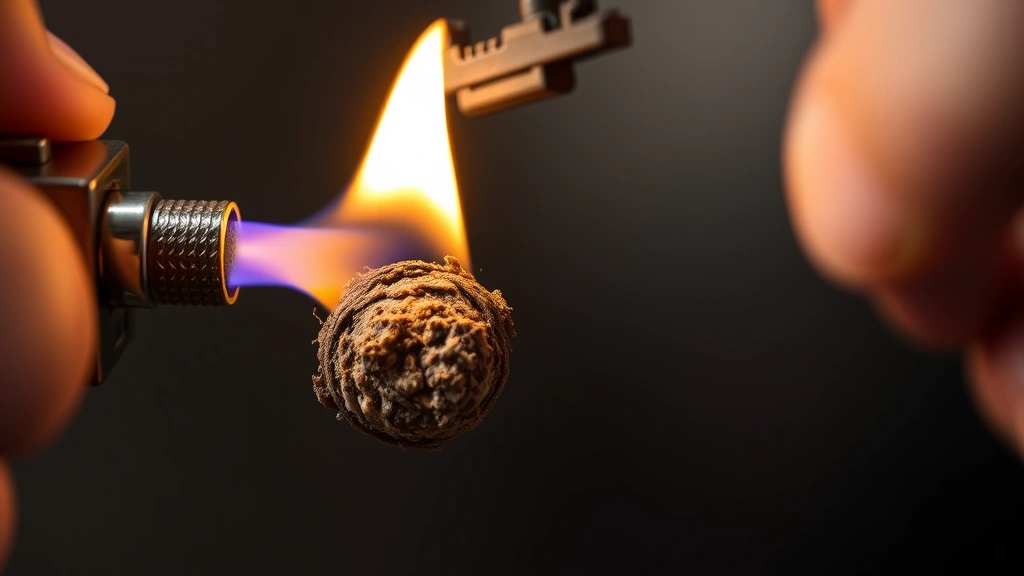
The “foot” is the end you cut. Hold the cigar at a 45-degree angle about an inch above your torch lighter’s flame. This is called toasting. Rotate the cigar slowly, allowing the heat to warm and char the foot evenly. You’ll see the tobacco begin to darken. This step takes 10-15 seconds and is crucial for achieving an even burn. Family Handyman’s home entertaining guides emphasize similar preparation principles.
Initial Puff
Once the foot is toasted, place the cigar in your mouth and take a slow, gentle puff while continuing to apply heat from the lighter. Rotate the cigar as you do this. You’ll see the foot ignite. Continue this for several puffs until the cigar is burning evenly across its entire width. This typically takes 30-45 seconds.
Checking for an Even Burn
Look at the lit end. Ideally, the entire foot should be glowing evenly. If one side is burning faster than the other, you may need to touch up that area with your lighter during the first few minutes. Some unevenness is normal and often corrects itself as you smoke.
Smoking Fundamentals
Now that your cigar is lit, the actual smoking begins—and this is where most beginners go wrong.
Don’t Inhale
This is the golden rule. Unlike cigarettes, you do not inhale cigar smoke into your lungs. Instead, draw the smoke into your mouth, hold it there for a moment to experience the flavor, then exhale through your mouth and nose. This technique is called “retrohaling” when you exhale through your nose, and it’s where much of the flavor complexity comes from. The smoke should never reach your lungs.
Puff Frequency
Take slow, deliberate puffs—roughly one puff every 30-60 seconds. Rapid puffing causes the cigar to burn too hot, creating acrid smoke and harsh flavors. Think of it as meditation with tobacco: each puff should be savored, not rushed.
Flavor Appreciation
Pay attention to what you’re tasting. Different sections of a cigar often have different flavor profiles. The first third might present notes of cedar or spice, the middle might develop sweetness or earthiness, and the final third could introduce entirely new dimensions. This evolving experience is one of the pleasures of cigar smoking.
Pacing and Rhythm
A successful cigar experience depends on establishing the right pace. This isn’t something to rush through, similar to how proper smoking techniques matter in culinary contexts—whether you’re learning how long to smoke ribs or understanding how long to smoke a brisket.
Time Commitment
Plan for 30 minutes to two hours, depending on your cigar’s size. Don’t schedule a cigar break between appointments. Carve out dedicated time when you can relax without pressure.
Environmental Factors
Smoke in a well-ventilated area, preferably outdoors or in a designated smoking space. Wind can affect your cigar’s burn, so seek shelter if conditions are gusty. Cold temperatures slow the burn, while heat accelerates it.
Maintaining the Burn
A properly smoked cigar should burn evenly with a thin, light gray ash. If the burn becomes uneven, you can gently touch up the faster-burning side with your lighter. If the cigar goes out, simply relight it—no harm done. Cigars are forgiving in this way.
Common Beginner Mistakes
Learning from others’ missteps can accelerate your journey to becoming a confident cigar smoker.
Cutting Too Much
Enthusiasm leads many beginners to remove too much of the cap. This causes the wrapper to unravel and compromises the cigar’s structure. Remember: less is more. A conservative cut is always better.
Inhaling the Smoke
Beginners often revert to cigarette-smoking habits and inhale. This results in coughing, nausea, and an unpleasant experience. Remind yourself: mouth only, never lungs.
Smoking Too Fast
Rapid puffing overheats the cigar, creating bitter, harsh smoke that masks the tobacco’s nuanced flavors. Slow down. One puff per minute is a good guideline.
Using the Wrong Lighter
Regular butane lighters impart an unpleasant taste. Invest in a proper torch lighter or use wooden matches and cedar spills. It makes a tangible difference.
Ignoring Storage
Cigars left in dry environments become brittle and crack. Those stored in humid basements develop mold. Proper storage—whether in a humidor or a well-maintained shop’s climate-controlled case—preserves quality.
Storage and Care
How you treat your cigars between smokes affects their quality when you finally light them.
Short-Term Storage
If you’re purchasing one or two cigars to smoke soon, store them in a cool, dry place away from direct sunlight. A cigar tube or cellophane wrapper provides basic protection.
Long-Term Storage
For a growing collection, a humidor is essential. A small desktop humidor (holding 25-50 cigars) is an affordable entry point. Ensure it has a proper hygrometer to monitor humidity and a humidification system (typically cedar or gel-based). Maintain humidity between 65-72% and temperature around 70°F.
Humidity Control
Too much humidity promotes mold; too little causes cigars to dry out and crack. If your humidor’s humidity drifts, adjust by adding or removing moisture from the humidification element. Home Depot’s climate control resources offer insights applicable to hobby storage spaces.
Regular Maintenance
Inspect your cigars periodically for signs of mold (white or green spots) or beetle damage (small holes). Properly stored cigars can age for years, often improving with time as flavors meld and mature.
Frequently Asked Questions
Is it bad to inhale cigar smoke?
Yes. Cigar smoke is thicker and more potent than cigarette smoke. Inhaling it into your lungs can cause coughing, nausea, and nicotine sickness. Cigars are designed to be enjoyed in the mouth only. If you’re accustomed to cigarettes, this transition takes conscious effort, but it’s essential for enjoying cigars properly.
How often should I smoke a cigar?
There’s no set frequency. Some enthusiasts enjoy one weekly; others smoke several per month. Since cigars aren’t meant to be inhaled, the health risks are significantly lower than cigarettes, but moderation is always wise. Treat cigars as occasional indulgences rather than daily habits.
What’s the difference between a cigar and a cigarette?
Cigars are larger, hand-rolled from long-leaf tobacco, and designed for slow smoking and flavor appreciation. Cigarettes are machine-made, contain shorter tobacco pieces, and are meant to be inhaled. Cigars are not intended as nicotine delivery devices but as luxury items for savoring.
Can I relight a cigar if it goes out?
Absolutely. Cigars are very forgiving. If yours goes out, simply relight it using the same technique as the initial lighting. There’s no penalty for relighting. Some enthusiasts even intentionally let their cigars go out between sessions if they want to pause and resume later.
How do I know if a cigar is good quality?
Quality cigars have a firm, consistent feel with no soft spots or cracks. The wrapper should be smooth and evenly colored. Purchase from reputable tobacconists who store their inventory properly. Price is generally a reliable indicator—quality cigars cost more because they use better tobacco and skilled labor. Read reviews from trusted cigar publications before trying new brands.
What should I pair with a cigar?
Cigars pair beautifully with spirits like whiskey, rum, or brandy. Coffee or tea also complements tobacco flavors well. Some prefer cigars with no pairing, simply enjoying them in isolation. Avoid drinking alcohol excessively while smoking—it can intensify nicotine effects unpleasantly.
Are there beginner-friendly cigar brands?
Yes. Brands like Macanudo, Romeo y Julieta, and Davidoff offer mild to medium cigars perfect for beginners. These manufacturers have strong reputations and consistent quality. Your local tobacconist can recommend options based on your taste preferences and budget.
How long should a cigar last?
A Corona (5.5 inches) typically burns for 45 minutes to an hour. A Robusto (5 inches) lasts 30-60 minutes. Larger cigars like Torpedos or Churchill sizes can burn for 90+ minutes. Slower smoking extends the experience; faster puffing shortens it. Plan accordingly based on your available time.
Learning how to smoke a cigar is ultimately about patience, respect for the craft, and genuine appreciation for a centuries-old tradition. Your first cigar might not be perfect, and that’s entirely okay. Each experience teaches you something—about your preferences, proper technique, and what makes a quality smoke. Whether you’re exploring this as an occasional luxury or considering it a developing hobby, approach it with curiosity and an open mind. The community of cigar enthusiasts is welcoming, knowledgeable, and eager to help newcomers discover the joy of this timeless practice. If you’re also interested in other smoking techniques, you might explore how how to clean a bong relates to maintenance of smoking equipment, though cigar care follows entirely different principles. Start with a quality beginner cigar, take your time, and enjoy the journey.
Cigar Aficionado magazine is an excellent resource for ongoing learning, reviews, and cigar culture insights as your hobby develops.

Related Posts

How Long to Boil Lobster Tails: Cooking Guide

How Long to Fly from New York to London? Travel Times
