
How to Size a Bra? Expert Tips Inside
How to Size a Bra: Expert Tips Inside
Finding the perfect bra fit is one of the most important aspects of comfort and confidence in your daily life. Many people wear incorrectly sized bras without even realizing it, which can lead to discomfort, poor support, and clothing fit issues. Whether you’re shopping for your first bra or rediscovering your size after years, understanding how to measure and size a bra properly will transform your undergarment experience. This comprehensive guide walks you through professional fitting techniques that you can use at home or in a store setting.
The process of sizing a bra involves two critical measurements: your band size and your cup size. These measurements work together to create your complete bra size, such as 32B, 36C, or 40D. Getting both measurements right ensures that your bra provides adequate support, comfort, and the right silhouette under your clothing. Let’s explore the detailed methods professionals use to achieve an accurate fit.
Understanding Bra Size Components
Before you begin measuring, it’s essential to understand what each part of a bra size represents. The number in your bra size (like 32, 34, or 36) indicates your band size, which is measured in inches around your ribcage directly under your bust. The letter that follows (A, B, C, D, and beyond) represents your cup size, which is determined by the difference between your bust measurement and your band measurement.
Cup sizes increase proportionally with band size. For example, a D cup on a 34 band is smaller than a D cup on a 38 band because the cup volume adjusts based on the band circumference. This is why sister sizes exist—a 34C has the same cup volume as a 36B or a 32D. Understanding this relationship helps you find alternatives if your preferred size isn’t available. Many people struggle with bra sizing because they don’t realize that moving up or down a band size requires adjusting the cup size accordingly.
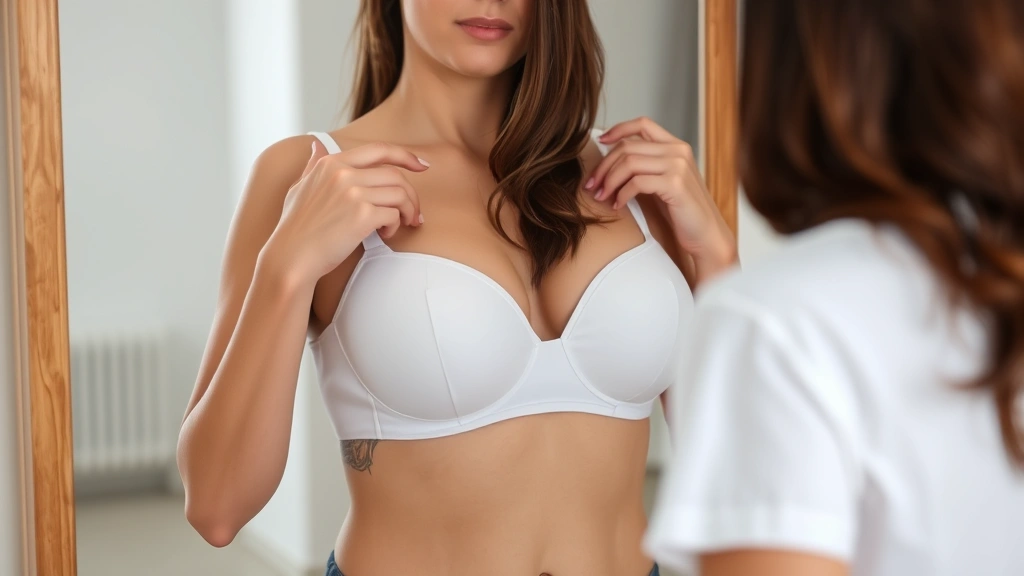
The band of your bra should sit parallel to the ground, level all the way around your torso. The cups should fully contain your breast tissue without spillage or gaps. The center gore—the fabric between the cups—should lie flat against your sternum. These are the hallmarks of a properly fitted bra, and achieving them starts with accurate measurements.
How to Measure Your Band Size
Measuring your band size is the first and most straightforward step in the sizing process. You’ll need a soft measuring tape, preferably one used for sewing or body measurements rather than a rigid measuring tape. Start by removing your shirt and any padding or structured bras that might affect the measurement. Wear an unpadded bra or no bra at all for the most accurate results.
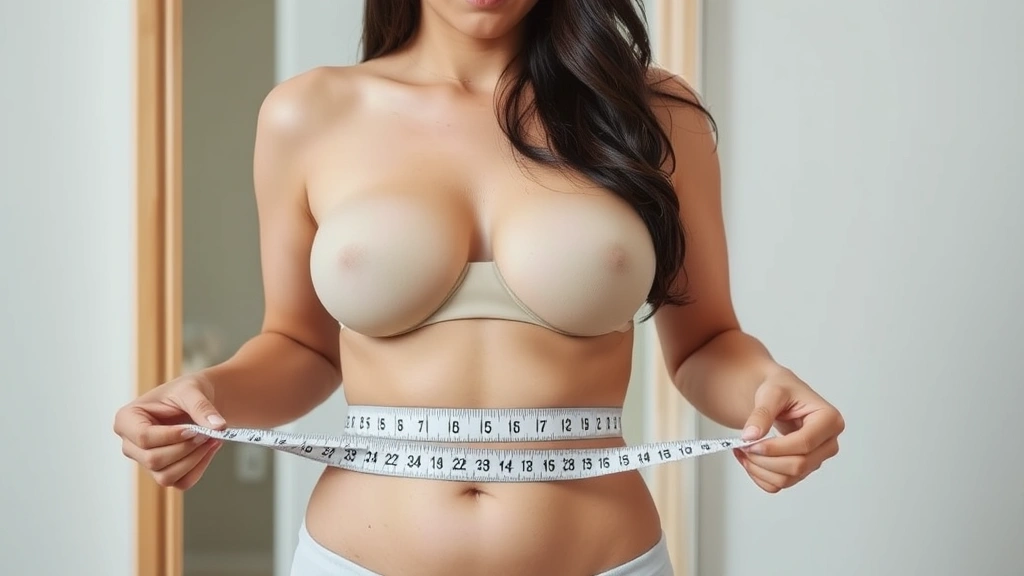
Stand in front of a mirror with your arms relaxed at your sides. Wrap the measuring tape snugly around your ribcage directly under your bust, keeping the tape parallel to the ground. The tape should be firm but not so tight that it compresses your skin or restricts your breathing. Take a reading and round to the nearest whole number. If your measurement is an odd number (like 33 inches), you can either round up to the next even number or consider both the rounded-up size and the size below it when shopping.
For example, if you measure 33 inches under your bust, your band size would typically be 34. However, some brands run tight or loose, so you might find that a 32 band works better for you depending on the manufacturer. Write down this measurement and keep it handy as you move to the next step. This is your underbust measurement, which directly corresponds to your band size.
How to Measure Your Cup Size
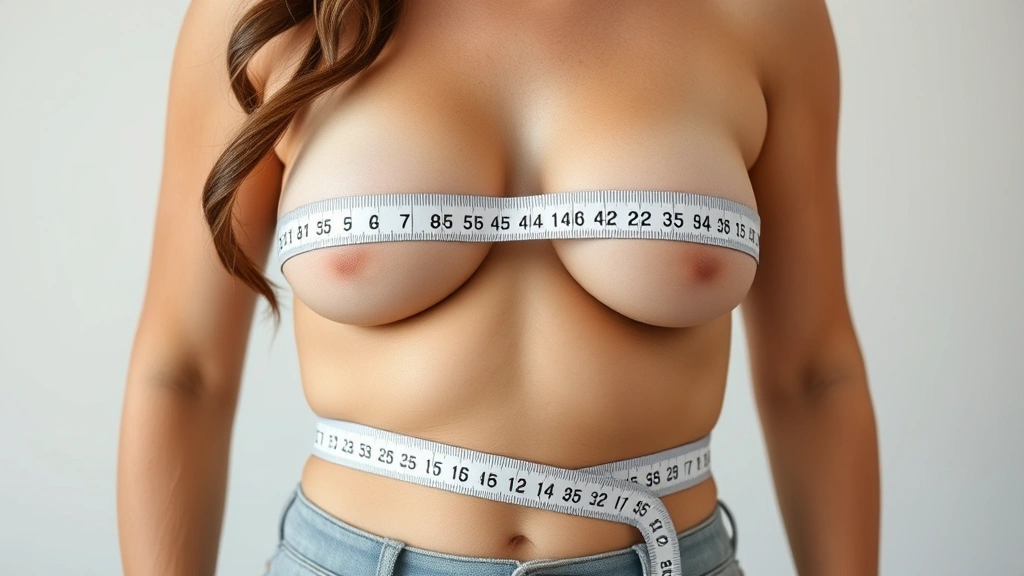
Measuring your cup size requires a second measurement taken across the fullest part of your bust. This is where many people make mistakes, so follow these steps carefully. Keep the measuring tape in place around your ribcage from the previous measurement, and now wrap a second tape measure (or use the same tape) around the fullest part of your bust. This is typically at the level of your nipples when you’re standing upright.
Wrap the tape around your bust with the same firmness you used for the band measurement—snug but not compressing. Make sure the tape is parallel to the ground and passes through the center of your chest. Take a reading and record this number. This measurement is called your bust measurement or overbust measurement. The difference between your overbust measurement and your underbust measurement determines your cup size.
Here’s the cup size conversion chart: each full inch of difference equals one cup size. For instance, a 1-inch difference is an A cup, a 2-inch difference is a B cup, a 3-inch difference is a C cup, a 4-inch difference is a D cup, and so on. If your underbust measures 34 inches and your bust measures 37 inches, the 3-inch difference means you wear a C cup, making your size 34C. If the difference is between sizes (like 2.5 inches), round down to the smaller cup size, as cup sizes typically increase in half-inch increments in some brands.
Many fitting professionals recommend taking this measurement while wearing a bra that fits reasonably well, as it helps you understand where your fullest point actually is. However, if you’re starting from scratch without a well-fitting bra, take the measurement with minimal support to get an accurate baseline.
Calculating Your Final Bra Size
Once you have both your underbust measurement and your bust measurement, calculating your final bra size is simple arithmetic. Your underbust measurement becomes your band size, and the difference between your bust and underbust measurements determines your cup size using the conversion chart mentioned above.
Let’s walk through a complete example: If your underbust measures 36 inches and your bust measures 40 inches, the 4-inch difference means you wear a D cup. Your final size would be 36D. This size should provide you with adequate support and proper coverage. When you shop for this size, you’ll find that different brands fit differently due to variations in manufacturing, so you may need to try multiple brands or styles to find your perfect fit.
If your measurements fall between sizes, you have options. For example, if your underbust is 33 inches and your bust is 36 inches, you could wear either a 32D (rounding the band up) or a 34C (rounding the band down). The choice depends on your preference for how snug you want the band to feel. A tighter band provides more lift and support, while a looser band offers more comfort. Many people prefer to round up the band size if they’re between sizes because bands tend to stretch over time with wear and washing.
Common Sizing Mistakes to Avoid
One of the most frequent errors people make is wearing a band size that’s too large. A loose band doesn’t provide proper support and causes the bra to ride up in the back throughout the day. If your band rides up, you likely need a smaller band size, not a larger cup size. Remember that proper measurements and fitting techniques are the foundation of comfort.
Another common mistake is adding extra inches to your underbust measurement to “give yourself room to breathe.” While comfort is important, the band should sit snugly against your ribcage without compressing your skin. If you can’t fit two fingers under the band when it’s fastened, it’s too tight. If you can fit more than two fingers, it’s too loose. This is the standard comfort test used by professional fitters.
Many people also fail to account for the fact that cup sizes are relative to band sizes. Wearing the same cup size across different band sizes will result in dramatically different cup volumes. Moving from a 36C to a 34C, for example, means you’re actually going down in cup volume because the cup size is proportional to the band. Understanding this relationship prevents the frustration of trying on sizes that don’t fit.
Don’t assume that all brands use the same sizing standards. Vanity sizing is common in the bra industry, meaning that some manufacturers deliberately size their bras larger than standard measurements. This is why trying on multiple brands and styles is crucial. What fits perfectly in one brand may be completely wrong in another, even though they’re labeled with the same size.
Trying On and Testing Your Fit
After you’ve calculated your size, the next step is to try on bras and assess the fit. When trying on a new bra, fasten it on the loosest hook first. As the band stretches over time—typically after about 10 wears and washes—you’ll move to the middle hook, then eventually the tightest hook. A properly fitting band should be snug on the loosest hook, not on the tightest one.
Check that the band sits parallel to the ground all the way around your torso. If it rides up in the back, the band is too loose or the cup is too small. If it digs into your skin, the band is too tight. The straps should sit on your shoulders without slipping, and the center gore should lie flat against your breastbone. If there’s a gap between the gore and your chest, the cups are too large.
Perform the bounce test: gently bounce up and down to ensure your breasts don’t move excessively within the cups. There should be minimal movement. If you experience significant bouncing or jiggling, you need more support, which might mean a smaller cup size or a different style altogether. Some styles provide more support than others, and finding your preferred level of support is part of the fitting process.
Look at how the bra appears under your clothing. Properly fitted bras should create a smooth silhouette without visible spillage, gaps, or bulges. If you see quad-boob (breast tissue spilling out over the top of the cups), you need a larger cup size. If you see wrinkles in the cup fabric, you likely need a smaller cup size.
When to Remeasure Your Size
Your bra size isn’t permanent. Body changes due to weight fluctuation, hormonal changes, pregnancy, aging, and other factors can affect your measurements. Most experts recommend remeasuring your bra size every six months to a year, or whenever you notice that your current bras no longer fit properly.
Significant life events warrant immediate remeasuring. If you’ve gained or lost more than 10 pounds, experienced hormonal changes, or are entering a new life stage, your measurements may have shifted. Similarly, after pregnancy and nursing, many people find that their breast size and shape change permanently, requiring a new size calculation.
Seasonal changes can also affect fit slightly, as some people’s bodies fluctuate with the seasons. If you notice that bras that fit perfectly six months ago are now too tight or too loose, it’s time to remeasure. Keeping track of when you last measured helps you stay on top of any changes and ensures you’re always wearing the correct size for optimal comfort and support.
FAQ
What if my measurements don’t match any standard bra size?
If your measurements fall between standard sizes, you have several options. You can try sister sizes, which have the same cup volume but different band sizes. You can also look for brands that offer half-cup sizes or extended size ranges. Some specialty retailers and online retailers carry a wider variety of sizes than department stores.
Should I measure myself or get professionally fitted?
Both methods are valid. Professional fitters have experience and expertise that can be helpful, especially if you’ve never been properly fitted before. However, you can achieve accurate measurements at home by following the steps outlined in this guide. Many retailers like specialty lingerie stores offer free professional fittings if you prefer expert assistance.
How often should I replace my bras?
Most experts recommend replacing bras every 6 to 12 months with regular wear. The elastic and fabric gradually lose their elasticity and support over time. If you rotate between multiple bras, they’ll last longer than if you wear the same bra repeatedly.
Does water temperature affect bra sizing?
Water temperature doesn’t change your body measurements, but it can affect how fabric behaves. Always wash bras in cool or warm water and avoid hot water, which can damage elastic and cause shrinkage. This helps maintain the fit of your bras over time.
What’s the difference between padded and unpadded bras for sizing?
Padded bras have internal padding that adds volume, while unpadded or lightly lined bras provide minimal extra coverage. Your size remains the same regardless of padding, but padded bras may feel different in terms of how they support and shape your breasts. The band and cup size are determined by your body measurements, not the bra’s construction.
Can I wear the same size in all bra styles?
While your calculated size is a starting point, different styles may fit differently. Balconette bras, full-coverage bras, sports bras, and other styles have different cut and support levels. You might find that you need a slightly different size in certain styles, which is completely normal. Always try on different styles to find what works best for your body.

Related Posts

Superscript in Google Docs: Expert Tips

Strikethrough in Excel: Easy Steps for Beginners
