
How to Shrink Clothes: A Simple Guide
How to Shrink Clothes: A Simple Guide to Getting the Perfect Fit
We’ve all been there—you buy a piece of clothing that fits almost perfectly, but just a smidge too loose. Or maybe you inherited a vintage sweater from a friend that’s absolutely gorgeous but runs a bit large. Rather than relegating these pieces to the back of your closet, why not learn how to shrink clothes to achieve that ideal fit? It’s easier than you might think, and with the right techniques, you can transform oversized garments into wardrobe staples that actually work for your body.
Shrinking clothes isn’t some mysterious textile wizardry reserved for dry cleaners and professional tailors. With a bit of knowledge about fabric types, heat application, and the science behind fabric contraction, you can become a pro at resizing your wardrobe. Whether you’re dealing with cotton basics, wool sweaters, or stretchy synthetics, there’s a method that’ll work for your specific situation.
The key to successful garment shrinking lies in understanding what causes fabrics to contract and how different materials respond to various treatments. Some fabrics practically beg to be shrunk (looking at you, pre-washed denim), while others require a gentler touch. Let’s dive into the practical strategies that’ll help you reclaim those oversized pieces and make them work for you.
Understanding How Fabrics Shrink
Before you toss your oversized shirt into the washing machine on a whim, it helps to understand the science behind fabric shrinkage. Natural fibers like cotton, wool, and linen contain tiny air pockets within their fiber structure. When exposed to heat and moisture, these fibers relax and contract, causing the overall garment to become smaller. Synthetic fibers like polyester behave differently—they’re more resistant to shrinkage because they don’t absorb moisture the same way.
The amount a fabric will shrink depends on several factors: the fiber content, how tightly the fabric was woven or knitted, the garment’s construction, and whether it’s been pre-shrunk by the manufacturer. Most quality clothing today is pre-shrunk to some degree, which means you’ll need more aggressive methods to achieve noticeable results. Understanding your garment’s composition is absolutely crucial—check that care label! It’ll tell you everything you need to know about what your piece can handle.
Temperature is your most powerful tool when shrinking clothes. The hotter the water and the longer the exposure to heat, the more dramatic the shrinkage. However, more heat also means more risk of damaging delicate fabrics. It’s a balancing act between achieving your desired fit and preserving the garment’s integrity.
The Hot Water Method
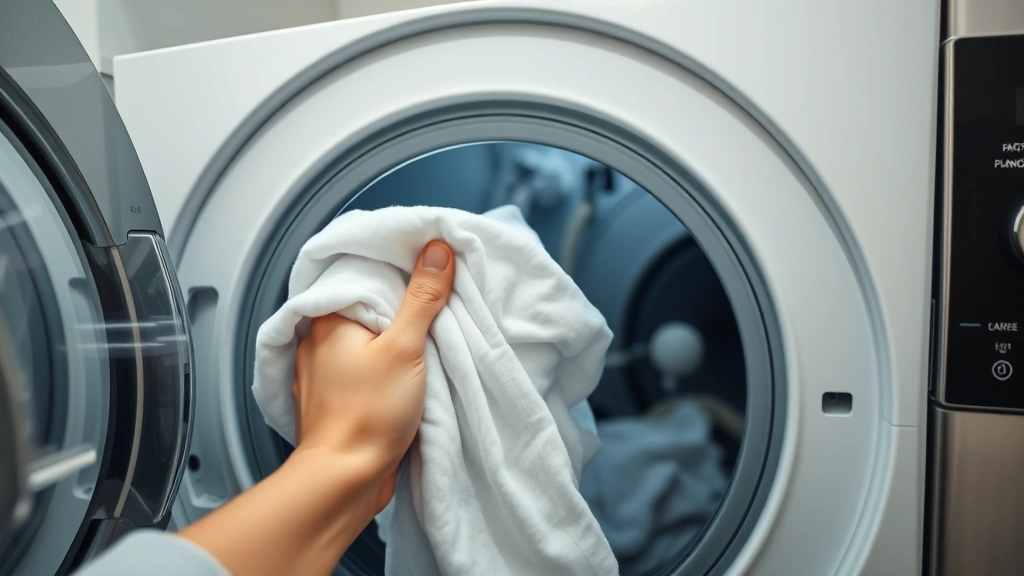
This is the most straightforward approach and works beautifully for cotton items. Start by filling your washing machine with the hottest water your machine offers—many modern machines have a dedicated hot water cycle. If you’re targeting specific garments rather than a full load, you can also hand-wash in a basin of hot water.
Place your garment in the hot water and let it soak for about 20-30 minutes. The heat and moisture will begin relaxing the fibers. After soaking, agitate the garment gently by hand or run a short wash cycle. Avoid using detergent during this initial soak, as it can interfere with the shrinking process. Once you’ve completed the wash cycle, transfer the still-damp garment directly to your dryer on high heat.
The combination of hot water washing followed by high-heat drying creates the perfect storm for shrinkage. You’re essentially doing what manufacturers try to prevent—encouraging maximum fiber contraction. For items like t-shirts or basic cotton tops, you’ll typically see noticeable results after just one cycle. If you need more shrinkage, simply repeat the process.
One pro tip: pull the garment out of the dryer while it’s still slightly damp and try it on. This gives you the chance to stop the process at your desired fit before the fabric dries completely and sets into its new size.
Using Your Dryer for Maximum Shrinkage
If you want aggressive shrinkage without the hassle of pre-soaking, the high-heat dryer method is your answer. After a regular wash cycle in warm or hot water, transfer your garment to the dryer and run it on the highest heat setting available. Most standard dryers reach around 130-150 degrees Fahrenheit on high heat—hot enough to make most natural fibers contract significantly.
Set the timer for a full cycle (usually 45-60 minutes) and let the machine work its magic. The sustained heat, combined with the tumbling action, creates friction that helps fibers relax and contract. This method is particularly effective for cotton and cotton-blend garments, which respond enthusiastically to high-heat drying.
The beauty of the dryer method is its consistency and predictability. You can control the amount of shrinkage by adjusting drying time—shorter cycles mean less shrinkage, while full cycles maximize the effect. This makes it ideal if you’re trying to achieve a specific fit rather than just making something smaller.
If you’re concerned about over-shrinking, remove the garment after 30 minutes, check the fit, and decide whether you need additional drying time. This staged approach gives you more precision than just setting it and forgetting it. Remember, you can always dry it longer, but you can’t un-shrink a garment (well, mostly—we’ll get to that later).
The Boiling Water Technique
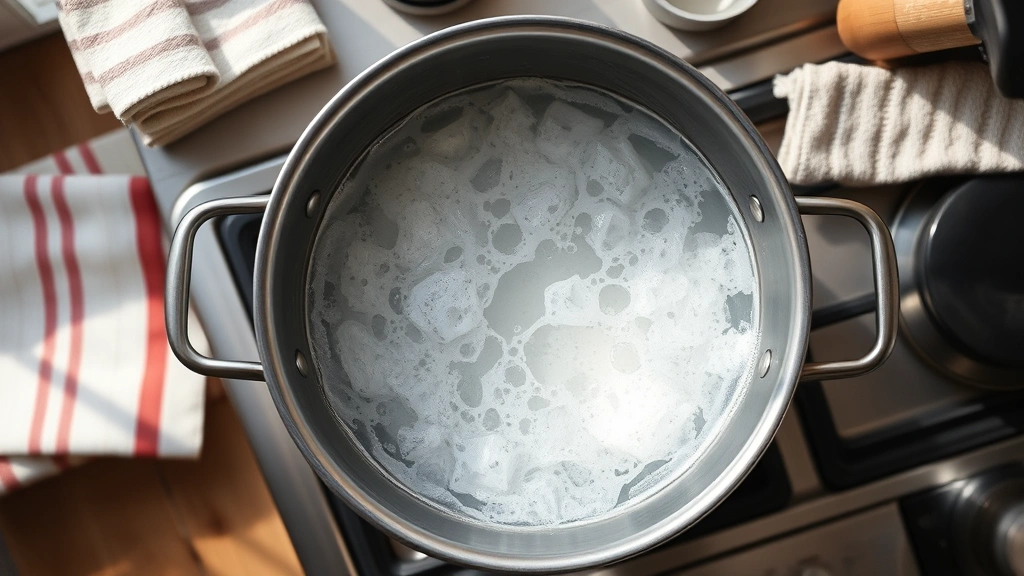
For those serious about shrinkage, the boiling water method delivers dramatic results. This technique is best reserved for sturdy natural fibers like 100% cotton or wool that can handle aggressive treatment. Fill a large pot with water and bring it to a rolling boil. Submerge your garment completely and maintain the boil for 5-15 minutes, depending on how much shrinkage you want.
The boiling water method works so effectively because it exposes fibers to extreme heat and moisture simultaneously, causing maximum contraction. Cotton garments often shrink 2-3 sizes using this technique, so start conservatively. You can always boil longer, but reversing over-shrinkage is nearly impossible.
Safety is paramount here. Use tongs or a slotted spoon to handle the garment—boiling water is dangerous. Never leave the pot unattended, and make sure children and pets stay clear of the area. After boiling, carefully remove the garment and allow it to cool slightly before transferring it to your dryer on high heat to set the shrinkage.
This method works exceptionally well when you’re trying to shrink jeans or other denim pieces. In fact, if you’re specifically interested in denim, our detailed guide on how to shrink jeans covers denim-specific techniques and considerations that’ll give you professional results.
Steam Shrinking for Delicate Items
Not all clothing can handle the aggressive heat of boiling water or high-temperature dryers. Delicate fabrics like silk blends, certain knits, and specialty materials require a gentler approach. Steam shrinking is your answer for these pieces, offering controlled heat that minimizes damage risk while still achieving noticeable shrinkage.
You can use a standard garment steamer or even a steam iron if you’re careful. Hang your garment on a hanger and apply steam liberally across the entire surface, working in sections. The steam penetrates fibers and causes them to relax and contract gradually. This method typically produces more subtle shrinkage than boiling or high-heat drying, but it’s much safer for delicate materials.
After steaming, allow the garment to air dry completely while still hanging. Avoid touching or moving it during the drying process—let gravity and air circulation do the work. The slower drying process helps set the shrinkage more gently than rapid machine drying.
For dress shirts or blouses that need careful treatment, steam shrinking combined with a brief warm wash cycle often produces excellent results without risking damage to seams, buttons, or delicate stitching.
Fabric-Specific Shrinking Strategies
Cotton and Cotton Blends: These are the most cooperative fabrics when it comes to shrinking. Hot water washing followed by high-heat drying works beautifully. Most cotton garments will shrink noticeably after just one cycle. If you need to shrink a cotton shirt specifically, our guide on how to shrink a shirt provides detailed instructions tailored to this common wardrobe staple.
Wool: Wool is incredibly shrink-prone—sometimes frustratingly so, which is why care labels often warn against machine washing. To intentionally shrink wool, use warm (not boiling) water and allow the garment to soak. Wool shrinks best through a combination of heat and agitation, so a gentle wash cycle followed by air drying works well. Avoid high-heat drying, as it can felt the wool and ruin the garment.
Linen: Linen shrinks moderately and responds well to hot water and medium-heat drying. It’s more forgiving than wool but less cooperative than cotton. One hot wash and dry cycle typically produces 5-10% shrinkage, which is usually noticeable without being dramatic.
Synthetic Blends: Polyester and nylon-blend garments resist shrinkage because synthetics don’t absorb moisture like natural fibers. If you have a cotton-polyester blend, you’ll see less shrinkage than 100% cotton. You may need to repeat the hot wash and dry cycle multiple times to achieve your desired fit.
Knits and Sweaters: These require careful handling because aggressive heat can cause stretching or distortion. Soak in warm water, squeeze out excess moisture gently (never wring), and lay flat to dry. The weight of the wet garment as it dries creates gentle, even shrinkage without damaging the knit structure.
Common Mistakes to Avoid
The most common mistake people make is assuming all fabrics shrink the same way. They don’t. Applying the boiling water method to a delicate silk blend is a recipe for disaster. Always check your care label first and match your shrinking method to your fabric type.
Another frequent error is not testing the method on a hidden area first. If you have a garment you absolutely love, try your chosen shrinking method on the inside seam or underarm area before committing the entire piece. This gives you a sense of how dramatically the fabric will respond.
Overdrying is another culprit. People often leave garments in the dryer too long, resulting in excessive shrinkage that makes the piece unwearable. Remember, you’re trying to achieve a specific fit, not turn a shirt into doll clothes. Check periodically and remove the garment as soon as you reach your target size.
Don’t ignore the combination effect. Using hot water AND high-heat drying together creates more shrinkage than either method alone. If you want subtle shrinkage, use hot water but medium-heat drying, or skip the hot water and just use high heat. Combining both methods is for when you want dramatic results.
Finally, avoid shrinking garments with delicate elements like beading, embroidery, or special finishes without considering how heat will affect those elements. Sometimes the shrinking works perfectly, but the embellishments don’t survive the process intact.
Frequently Asked Questions
Can you un-shrink clothes?
Partially, yes. If you’ve only slightly over-shrunk a garment, you can try stretching it back to size while it’s damp. Lay it flat on a towel and gently pull it to the desired dimensions, then allow it to air dry in that position. For severely shrunk items, professional restoration services exist, but they’re expensive and don’t always work perfectly. Prevention through careful temperature control is always better than attempting reversal.
How much will my clothes shrink?
This depends entirely on fabric type and the method you use. Cotton typically shrinks 5-15% with standard hot water and dryer treatment, while wool can shrink 10-25%. Synthetic blends might shrink only 2-5%. If you’re washing shoes, which involves similar principles to garment care, our resource on how to wash shoes in washing machine covers additional shrinking considerations for footwear.
Is it better to shrink before or after tailoring?
Always shrink first. If you have a garment tailored before shrinking it, your perfect fit becomes imperfect once the fabric contracts. Shrink to your target size, verify it’s stable through one additional wash cycle, then take it to the tailor for any final adjustments.
Will shrinking damage my clothes?
Not if you match the method to the fabric type. Hot water and high-heat drying won’t damage cotton, but they’ll absolutely ruin silk or delicate synthetics. Always use the gentlest method appropriate for your fabric. Steam shrinking is generally the safest option for most materials.
Can you shrink clothes in cold water?
No. Cold water doesn’t cause fabric contraction—heat is essential for shrinking. In fact, cold water washing is how you prevent unwanted shrinkage. If you want to shrink clothes, you must use hot or warm water combined with heat.
How do I prevent static after shrinking clothes?
High-heat drying often causes static buildup. If you’re dealing with this issue post-shrinking, our guide on how to remove static from clothes offers practical solutions including dryer sheet alternatives and fabric softener techniques that work beautifully after any heat-based shrinking process.
Can you shrink clothes that are already pre-shrunk?
Pre-shrunk garments are designed to resist shrinkage, but they can still be shrunk using aggressive methods. However, expect less dramatic results than with untreated fabric. You may need to repeat the hot wash and dry cycle multiple times to achieve noticeable shrinkage.
What if I accidentally stain my clothes during the shrinking process?
Accidents happen. If you end up with an unexpected mark or stain while shrinking your garment, don’t panic. Our resource on how to get sharpie out of clothes covers stain removal techniques that can help address various marks, though the specific method depends on the type of stain you’re dealing with.

Related Posts

How Long to Boil Lobster Tails: Cooking Guide

How Long to Fly from New York to London? Travel Times
