
How to Shrink Bunions Naturally: Expert Tips
How to Shrink Bunions Naturally: Expert Tips for Pain Relief and Prevention
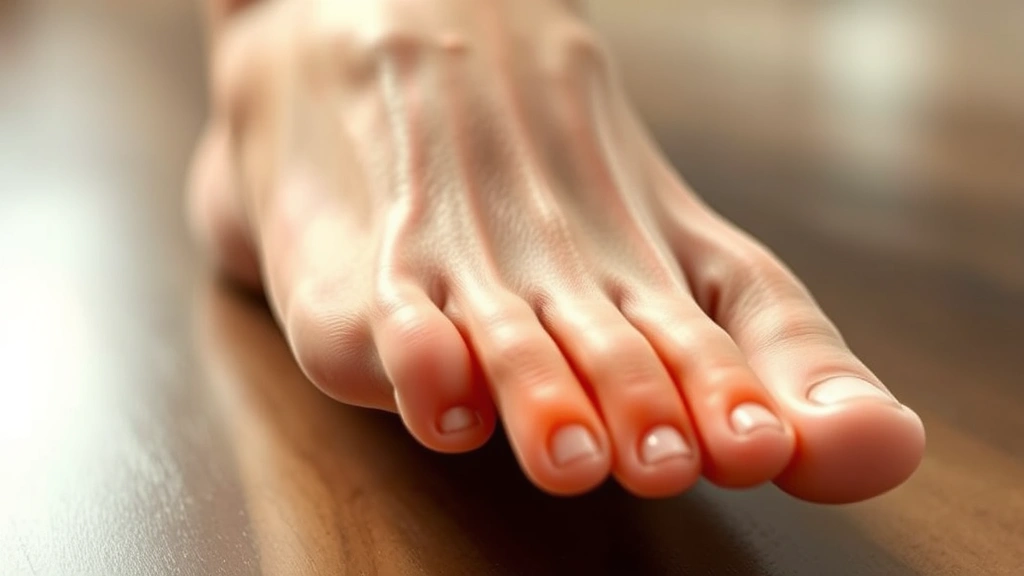
Bunions are one of those foot problems that sneaks up on you. One day you’re admiring your shoes, and the next, you’re wincing every time you slip them on. That bony bump at the base of your big toe isn’t just uncomfortable—it can gradually worsen if left unaddressed. The good news? You don’t automatically need surgery to find relief. There are legitimate natural approaches that can help reduce bunion pain, slow progression, and even minimize the appearance of the bump itself.
Whether you’re dealing with a newly formed bunion or one that’s been bothering you for years, understanding the mechanics behind this common foot condition is the first step toward meaningful improvement. Bunions develop when the big toe joint becomes misaligned, causing the bone to protrude outward. This can result from genetics, tight footwear, inflammatory conditions, or biomechanical issues with how your foot functions. The encouraging part is that natural interventions—when applied consistently—can make a tangible difference in how your feet feel and function.
This guide walks you through evidence-based strategies to manage bunions naturally, from daily exercises and lifestyle adjustments to targeted remedies that actually work. You’ll learn practical techniques you can implement immediately, along with expert insights on when professional help might be necessary.
Understanding Bunions: What’s Really Happening
Before diving into solutions, it helps to understand what a bunion actually is. A bunion isn’t simply a callus or extra bone growth—it’s a structural misalignment of the metatarsophalangeal joint (the joint where your big toe connects to your foot). When this joint becomes unstable, the big toe drifts toward your second toe, and the head of the metatarsal bone protrudes outward, creating that characteristic bump.
The development process is gradual. Initially, you might notice mild discomfort or slight redness. Over time, without intervention, the joint becomes increasingly unstable, the angle widens, and pain intensifies. This is why catching bunions early and implementing natural management strategies can prevent progression and avoid the need for surgical intervention down the line.
Several factors contribute to bunion formation. Genetics play a significant role—if your parents had bunions, you’re more likely to develop them. However, genetics loads the gun; your environment and habits pull the trigger. Tight, narrow shoes accelerate development. Inflammatory conditions like rheumatoid arthritis increase risk. Neuromuscular conditions that affect foot structure also contribute. Understanding your specific risk factors helps you target prevention and management strategies more effectively. Interestingly, similar joint issues can occur elsewhere in your body—if you’re interested in related conditions, you might explore how to dissolve bone spurs naturally, as the underlying inflammation management strategies share common ground.
The Role of Footwear in Bunion Management
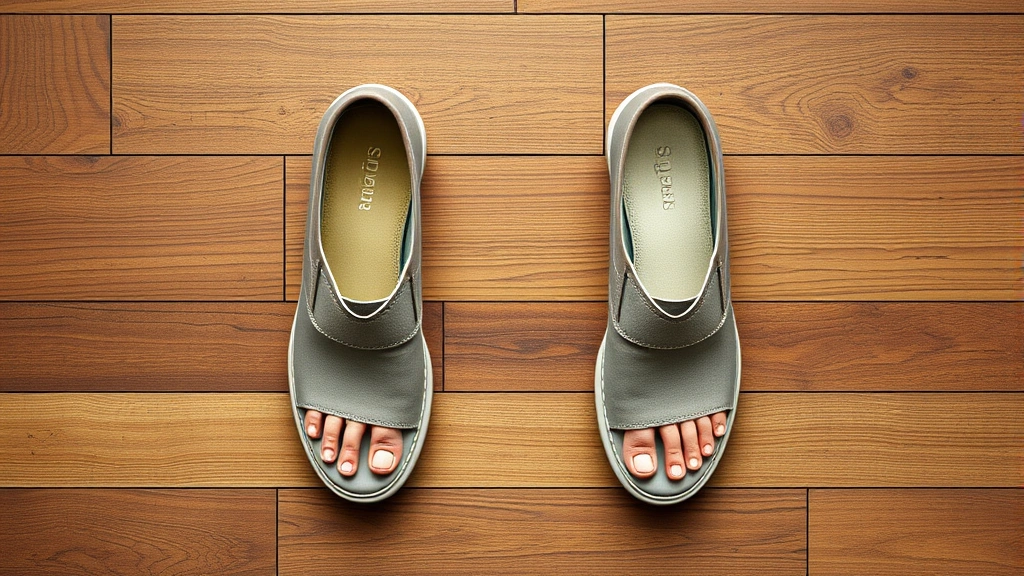
Your shoes are either your bunions’ best friend or worst enemy. This isn’t an exaggeration—footwear choice directly impacts bunion progression and pain levels. Tight, narrow shoes compress the forefoot, increase pressure on the bunion, and accelerate joint misalignment. Conversely, properly fitted shoes with adequate toe box space can significantly reduce symptoms.
When shopping for bunion-friendly shoes, prioritize these features:
- Wide toe box: Look for shoes labeled “wide” or those specifically designed for bunions. The toe box should allow your toes to spread naturally without pressure on the bunion area.
- Soft, flexible materials: Leather and canvas stretch and conform to your foot shape. Rigid materials create pressure points and restrict natural foot movement.
- Low to moderate heel height: High heels shift weight forward onto the ball of your foot, increasing pressure on the bunion joint. Stick to heels under two inches, or opt for flats when possible.
- Cushioned insoles: Additional cushioning reduces impact and distributes pressure more evenly across your foot.
- Proper arch support: This supports your foot’s natural alignment and reduces strain on the bunion joint.
Beyond everyday shoes, consider specialized footwear options. Bunion-specific sandals and slippers keep your feet comfortable at home. Some people benefit from custom orthotics designed to realign the foot and reduce bunion pressure. Retailers specializing in orthopedic footwear often provide fitting services to ensure proper selection.
Effective Exercises and Stretches for Bunion Relief
Movement is medicine when it comes to bunions. Targeted exercises strengthen the muscles supporting your foot arch, improve joint stability, and reduce pain. The key is consistency—these exercises work best when performed daily.
Big Toe Flexor Strengthening: Sit comfortably and place a small resistance band around your big toe. Gently pull your toe back toward your body against the band’s resistance. Hold for five seconds, release, and repeat fifteen times. This strengthens the muscles that help realign your big toe joint.
Towel Scrunches: Place a towel flat on the floor and use your toes to scrunch it toward you. This engages the intrinsic foot muscles and improves overall foot strength. Perform this exercise for two to three minutes daily.
Big Toe Abduction: Sit with your foot flat and attempt to spread your big toe away from your second toe. You can use a resistance band for added challenge. Hold for five seconds, repeat fifteen times. This directly targets the muscle that opposes bunion formation.
Calf Stretches: Tight calves increase pressure on the forefoot. Stand facing a wall, place one foot forward with a bent knee and the other leg extended behind you. Keep your heel flat and lean toward the wall. Hold for thirty seconds, repeat three times on each leg.
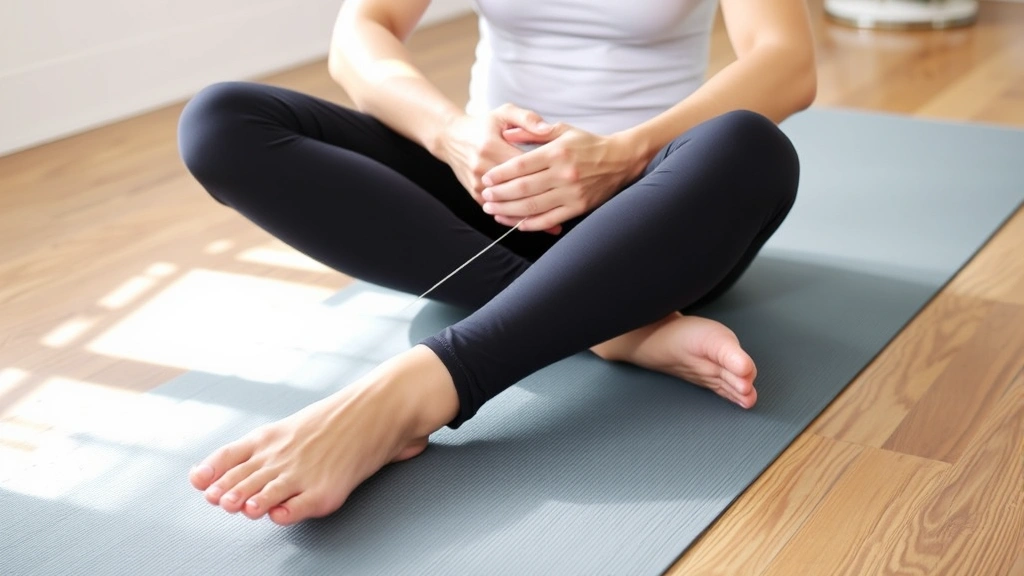
Plantar Fascia Stretching: Sit and place one foot across the opposite knee. Pull your toes back gently toward your shin. Hold for thirty seconds, repeat three times per foot. This stretches the tissue along your foot’s bottom, reducing tension that contributes to bunion pain.
For comprehensive guidance on foot exercises, Family Handyman provides detailed foot stretching techniques that complement bunion-specific routines.
Natural Remedies and Topical Treatments
Several natural remedies address bunion pain and inflammation. While they won’t eliminate the structural misalignment, they provide meaningful relief and support your body’s natural healing processes.
Ice Therapy: Applying ice to your bunion for fifteen to twenty minutes several times daily reduces inflammation and numbs pain. Wrap ice in a thin towel to avoid direct skin contact. This is especially helpful after activities that aggravate your bunion.
Epsom Salt Soaks: Dissolve two cups of Epsom salt in warm water and soak your feet for fifteen to twenty minutes. The magnesium in Epsom salt reduces inflammation and relaxes muscles. Perform this three to four times weekly for optimal results.
Turmeric and Ginger: Both contain powerful anti-inflammatory compounds. You can apply turmeric paste directly to the bunion area (mix turmeric powder with a small amount of coconut oil) or consume turmeric and ginger in teas or supplements. Consistency matters—daily use provides better results than sporadic application.
Apple Cider Vinegar: Some people find relief by soaking a cloth in raw apple cider vinegar and applying it to the bunion for thirty minutes daily. The acidity may help reduce inflammation, though scientific evidence is limited.
Massage and Myofascial Release: Gently massaging the bunion area and surrounding foot muscles improves circulation and reduces tension. Use your thumbs or a massage ball to apply gentle pressure, working for five to ten minutes daily. This pairs well with stretching routines for enhanced benefits.
These remedies work synergistically with structural interventions like proper footwear and exercises. If you’re managing inflammation throughout your body, understanding broader approaches—such as those for addressing inflammatory skin conditions naturally—can provide additional context for anti-inflammatory strategies.
Lifestyle Modifications That Make a Difference
Beyond exercises and remedies, lifestyle adjustments significantly impact bunion management. These modifications address root causes and prevent progression.
Weight Management: Excess body weight increases pressure on your feet, particularly the forefoot where bunions develop. Even modest weight loss reduces this pressure and decreases bunion pain. Combined with proper footwear and exercises, weight management becomes a powerful tool for long-term improvement.
Activity Modification: High-impact activities like running on hard surfaces aggravate bunions. Consider lower-impact alternatives like swimming, cycling, or elliptical training. If you enjoy running, invest in quality running shoes with wide toe boxes and excellent arch support.
Regular Breaks: If your work requires standing or walking for extended periods, take regular breaks to elevate your feet and reduce pressure on the bunion area. Even five minutes of elevation every hour helps.
Posture and Gait Awareness: How you walk affects foot stress distribution. Ideally, you should land on your heel and roll through your foot naturally. Some people compensate for bunion pain by altering their gait, which creates additional problems. Consider working with a physical therapist to optimize your walking pattern.
Stress Management: Chronic stress increases inflammation throughout your body, including in your feet. Practices like yoga, meditation, and deep breathing reduce systemic inflammation and support natural healing. These practices also improve body awareness, helping you notice and address foot issues earlier.
Hydration and Nutrition: Proper hydration supports joint health and reduces inflammation. Anti-inflammatory foods—fatty fish rich in omega-3s, leafy greens, berries, and nuts—provide nutritional support for healing. Conversely, processed foods and excess sugar increase inflammation and slow recovery.
Prevention Strategies for Long-Term Foot Health
If you don’t currently have bunions but have a family history, prevention is significantly easier than management. These strategies reduce your risk substantially.
Footwear Habits from Youth: If you have children, prioritize proper-fitting shoes with adequate toe box space. Avoid tight or restrictive footwear during developmental years when foot structures are still forming. This foundation prevents many foot problems, including bunions.
Regular Foot Inspections: Check your feet monthly for early signs of bunion development—mild redness, slight swelling, or minor discomfort at the big toe joint. Early detection allows for preventive interventions before progression occurs.
Proactive Exercise Routines: Even without existing bunions, performing toe-strengthening and stretching exercises maintains foot stability and prevents misalignment. These exercises take just ten minutes daily and provide lifelong benefits.
Professional Assessments: A podiatrist or physical therapist can assess your foot structure and identify risk factors. If you have biomechanical issues, custom orthotics prevent bunion development before it starts.
Inflammatory Condition Management: If you have rheumatoid arthritis or other inflammatory conditions, effective management reduces bunion risk. Work with your healthcare provider to keep inflammation controlled systemically. Similarly, understanding how to manage other inflammatory responses—like exploring methods for addressing lower back tension—helps you develop comprehensive inflammation management strategies.
When considering comprehensive wellness approaches, remember that foot health connects to overall body function. Poor foot alignment affects your knees, hips, and back. Conversely, maintaining proper alignment throughout your body reduces compensatory stress on your feet.
Frequently Asked Questions
Can bunions truly shrink naturally, or do they always require surgery?
Bunions cannot completely reverse or shrink in the sense of reducing the bone prominence itself. However, natural interventions effectively reduce pain, slow progression, and prevent worsening. Many people manage bunions successfully for years without surgery through consistent application of these strategies. Surgery becomes necessary primarily when pain severely limits function despite conservative treatment.
How long does it take to see improvement with natural bunion treatment?
Most people notice pain reduction within two to four weeks of consistent exercise and footwear changes. Structural improvements and reduced swelling take longer—typically six to twelve weeks of dedicated effort. The key is consistency. Sporadic efforts produce minimal results, while daily practice compounds benefits over time.
Are bunion splints and night braces effective?
Bunion splints provide temporary comfort and may slow progression when worn consistently, particularly at night. However, their effectiveness varies significantly between individuals. Some people find them invaluable; others notice minimal benefit. They work best as part of a comprehensive approach that includes exercises, proper footwear, and lifestyle modifications.
Can diet specifically help bunion pain?
Diet doesn’t directly treat bunions, but anti-inflammatory eating patterns reduce overall inflammation and support healing. Foods rich in omega-3 fatty acids, antioxidants, and polyphenols—like fatty fish, berries, leafy greens, and olive oil—create an internal environment conducive to healing. Conversely, processed foods and excess sugar increase inflammation and slow recovery.
Should I see a doctor about my bunions?
Absolutely. A healthcare provider can confirm bunion diagnosis, assess severity, identify underlying causes, and rule out other conditions causing foot pain. Even if you prefer natural management, professional guidance ensures you’re addressing the problem appropriately. Red flags warranting immediate medical attention include severe pain, signs of infection, inability to walk normally, or lack of improvement after three months of consistent natural treatment.
Can children develop bunions, and what should parents do?
Children can develop bunions, though they’re more common in adults. If you notice bunion signs in your child, prioritize proper-fitting footwear immediately and consult a pediatric podiatrist. Early intervention during childhood often prevents progression that would require treatment later.
Is there a connection between bunions and other foot problems?
Yes. Bunions often occur alongside other foot issues like hammertoes, plantar fasciitis, and metatarsalgia. The underlying biomechanical problems contributing to bunions frequently affect multiple foot structures. Addressing root causes through exercises and footwear improvements often improves all related conditions simultaneously.
For additional authoritative information on foot care and bunion management, This Old House reviews orthopedic shoe options and Home Depot provides footwear guides that help you make informed choices. Additionally, Mayo Clinic offers comprehensive bunion information from a medical perspective.

Related Posts

How Long to Boil Lobster Tails: Cooking Guide

How Long to Fly from New York to London? Travel Times
