
How to Shave Your Pubes Safely? Expert Tips
How to Shave Your Pubes Safely: Expert Tips for Comfort and Care
Pubic hair grooming is a personal choice that many people make for comfort, hygiene, or aesthetic reasons. Whether you’re trimming, shaping, or completely removing pubic hair, safety should always be your top priority. The genital area is sensitive and prone to irritation, ingrown hairs, and cuts if proper techniques aren’t followed. This comprehensive guide walks you through everything you need to know about safe pubic hair removal, from choosing the right tools to aftercare practices that prevent complications.
The key to successful and safe pubic hair grooming lies in preparation, using appropriate equipment, and following proven techniques. Many people rush through this process or use unsuitable tools, leading to painful razor burn, ingrown hairs, or cuts. By understanding the anatomy of the area, selecting quality grooming tools, and implementing proper hygiene practices, you can achieve your desired results without discomfort or skin damage. We’ve consulted dermatological best practices and grooming experts to bring you reliable, step-by-step instructions.
Preparation and Safety Fundamentals
Before you begin any pubic hair removal, proper preparation is essential for safety and comfort. Start by trimming longer hair with electric clippers or scissors if your hair is particularly thick or long. This prevents clogging your razor and reduces the risk of painful tugging. Set aside at least 15-20 minutes for the entire process—rushing increases injury risk significantly.
Cleanse the area thoroughly with warm water and mild soap. This removes bacteria, dead skin cells, and oils that could cause infection if you accidentally nick yourself. Allow your skin to soften for 5-10 minutes in warm water; this opens pores and makes hair easier to remove. Many people find that shaving after a warm shower is ideal. Pat the area dry gently with a clean towel, leaving slight moisture for the next step.
Apply a quality shaving cream, gel, or lubricant designed for sensitive areas. Standard shaving foam often contains irritants unsuitable for genital skin. Look for products specifically formulated for intimate grooming or use natural alternatives like coconut oil or aloe vera gel. The lubricant creates a protective barrier between your skin and blade while softening hair further. Never attempt to shave dry skin in this delicate area.
Ensure your workspace is clean, well-lit, and private. Good lighting helps you see exactly what you’re doing and avoid accidental cuts. A clean environment reduces infection risk. Have first-aid supplies nearby, including styptic powder or a clean cloth for any minor bleeding. Consider using a handheld mirror to improve visibility and control.
Choosing the Right Tools and Equipment
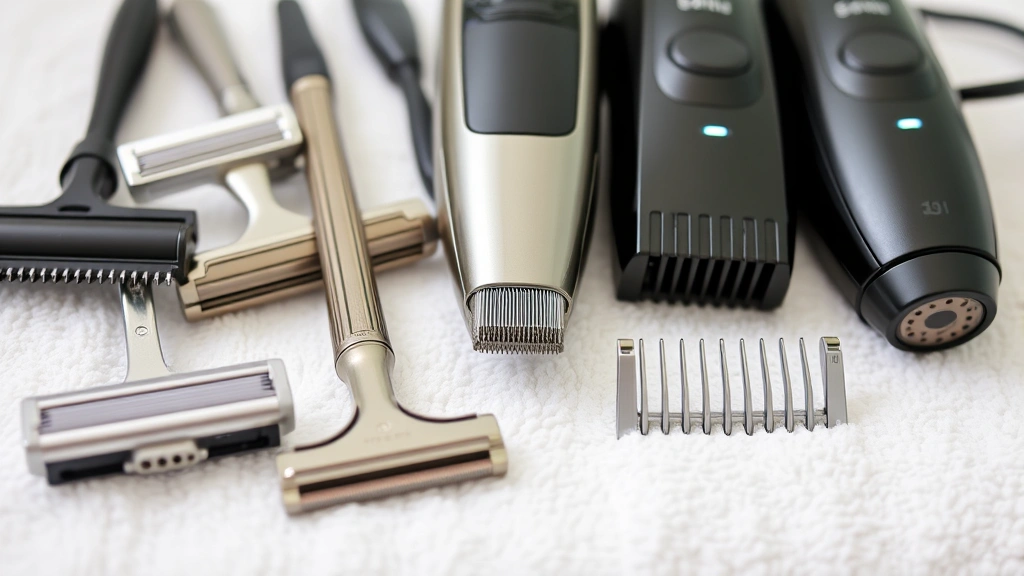
Selecting appropriate tools is crucial for safe pubic hair removal. Your options include safety razors, electric shavers, trimmers, and depilatory creams. Each has advantages and drawbacks depending on your skin sensitivity and desired results.
Safety Razors and Cartridge Razors: Multi-blade cartridge razors designed for body grooming are generally safer than straight razors for pubic areas. They have protective guards that reduce cut risk. However, they can cause ingrown hairs because they cut hair below skin level. Replace blades frequently—dull blades require more pressure and cause irritation. For pubic grooming, change your blade after 2-3 uses. Never use old, dull, or rusty blades.
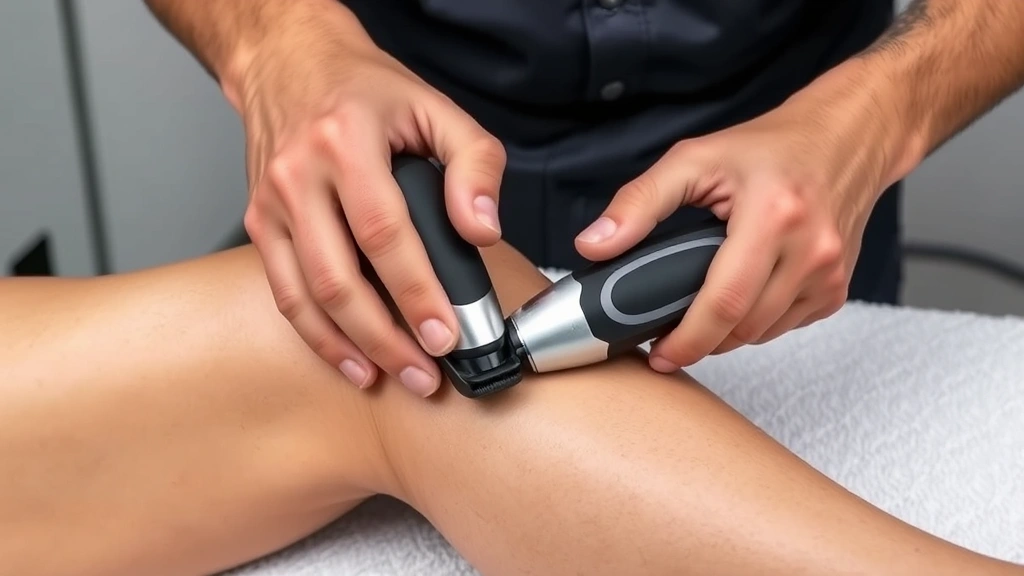
Electric Shavers and Trimmers: Rotary or foil electric shavers designed for intimate areas provide excellent safety since the blade never touches skin directly. They’re ideal if you have sensitive skin or a history of razor burn. Electric trimmers with adjustable guards let you control hair length precisely. These tools work best on dry skin and produce less irritation than wet shaving. They also reduce ingrown hair risk by cutting hair at skin level rather than below it.
Depilatory Creams: Chemical hair removal products dissolve hair at skin level, preventing ingrown hairs. However, genital skin is extremely sensitive, and many depilatories cause allergic reactions or chemical burns in this area. If you choose this method, always perform a patch test on inner thigh skin 24 hours before applying to pubic areas. Look for products specifically labeled safe for intimate use.
Waxing and Professional Services: Professional waxing removes hair from the root, providing longer-lasting results (3-6 weeks). However, it causes temporary redness and carries infection risk if not performed in sterile conditions. If you choose professional services, ensure the facility maintains high hygiene standards and uses single-use applicators.
Invest in quality tools rather than cheap alternatives. Inexpensive razors have poorly designed guards and dull blades that cause more harm than good. A good electric trimmer or quality safety razor costs more initially but prevents painful complications that cost far more.
Step-by-Step Shaving Technique
Follow these precise steps to minimize injury risk and achieve clean results. This process works for both men and women, though anatomical differences may require slight adjustments.
- Trim excess length: Use electric clippers or scissors to trim hair to ¼ inch length. This prevents razor clogging and reduces tugging sensation. Work slowly and carefully, especially around sensitive areas.
- Cleanse thoroughly: Wash the area with warm water and mild soap. This removes bacteria and prepares skin for shaving. Pat dry gently.
- Soften hair: Soak in warm water for 5-10 minutes or apply a warm, damp cloth for 2-3 minutes. This opens pores and softens hair, making removal easier and less irritating.
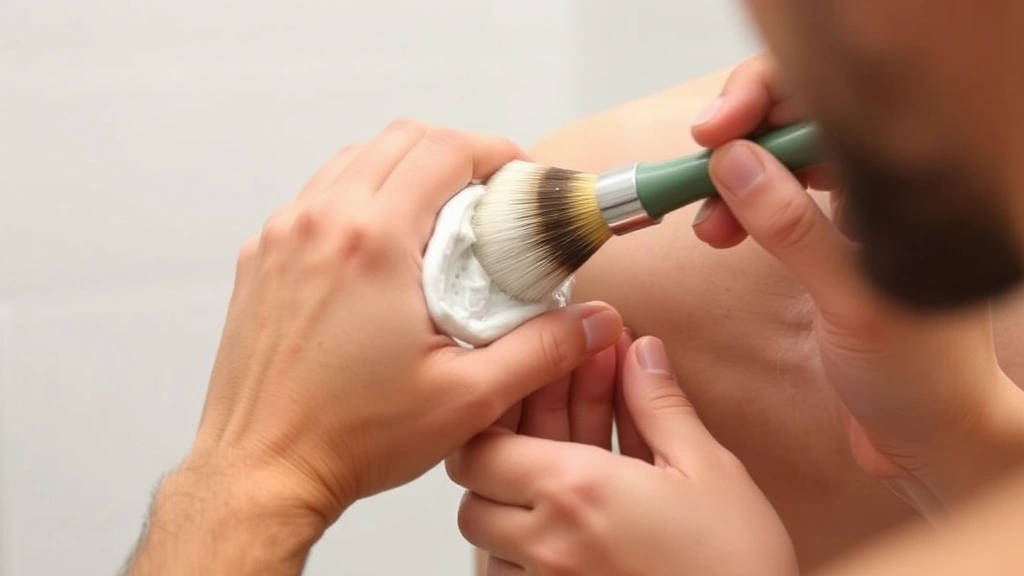
- Apply lubricant: Spread shaving cream, gel, or oil generously over the area. Ensure complete coverage. Reapply as needed during shaving to maintain lubrication.
- Shave with light pressure: Hold skin taut with one hand while shaving with the other. Use short, gentle strokes in the direction of hair growth. Never shave against the grain in this sensitive area, as it increases ingrown hair risk and irritation. Let the razor do the work—excessive pressure causes cuts and irritation.
- Work systematically: Divide the area into sections and shave each thoroughly. Rinse the blade frequently under warm water to remove hair and cream buildup.
- Check your work: Use a mirror to ensure you haven’t missed spots. Feel gently with your hand to identify remaining stubble. Shave over missed areas using the same gentle technique.
- Rinse thoroughly: Rinse the entire area with cool water to close pores and remove all shaving cream. Pat dry gently with a clean towel.
The entire process typically takes 10-15 minutes with practice. Never rush or apply excessive pressure. If you experience pain or see bleeding, stop immediately and apply pressure with a clean cloth.
Trimming vs. Complete Removal Methods
You have several options depending on your preferences and skin sensitivity. Understanding the differences helps you choose the safest approach for your situation.
Trimming: Using electric clippers or scissors to shorten hair without removing it completely is the safest option. This eliminates the discomfort of longer hair while minimizing skin irritation and ingrown hair risk. Trimming works well for people with sensitive skin or those who prefer a natural appearance. Use guards on electric clippers to maintain consistent length. This method requires maintenance every 2-3 weeks but causes minimal complications.
Shaving: Razors remove hair at or just below skin level, creating smoothness that lasts 1-3 days. This method requires more frequent maintenance and carries higher ingrown hair and irritation risk, especially for people with curly hair. If you choose shaving, use the techniques described above and prioritize aftercare to prevent complications.
Waxing: Professional or at-home waxing removes hair from the root, providing 3-6 weeks of smoothness. However, it’s painful, causes temporary redness, and risks infection if not performed properly. The genital area is particularly sensitive to waxing. If you choose this method, see a licensed professional rather than attempting it at home. This Old House and similar resources offer general grooming guidance, though professional aestheticians should handle intimate waxing.
Depilatory Creams: Chemical depilatories dissolve hair at skin level, lasting 3-7 days. The main risk is chemical irritation or allergic reactions. Always patch test first and use only products labeled safe for intimate areas. Never leave the product on longer than directed.
Laser Hair Removal: Professional laser treatments permanently reduce hair growth over multiple sessions. This is expensive but eliminates ongoing maintenance. It works best on dark hair and lighter skin. Side effects can include temporary redness and irritation. Consult a dermatologist to determine if you’re a good candidate.
Aftercare and Preventing Irritation
Proper aftercare is just as important as the shaving process itself. What you do in the hours and days following grooming determines whether you experience complications or smooth, healthy skin.
Immediate Aftercare (First Hour): After rinsing, apply a soothing aftercare product specifically designed for intimate grooming. Look for products containing aloe vera, witch hazel, or chamomile, which reduce inflammation and soothe irritation. Avoid alcohol-based products that dry skin excessively. If you have minor cuts, apply styptic powder or a clean cloth with gentle pressure until bleeding stops. Don’t use regular band-aids on this sensitive area.
Moisturizing: Apply a fragrance-free moisturizer within 10 minutes of shaving while skin is still slightly damp. This locks in moisture and prevents irritation. Use products designed for sensitive skin or intimate areas. Avoid heavy creams that trap bacteria. Reapply moisturizer daily for the next few days.
Clothing Choices: Wear loose, breathable clothing for at least 24 hours after shaving. Tight underwear or pants trap moisture and bacteria, increasing infection risk and irritation. Cotton underwear is preferable to synthetic materials. Avoid activities that cause excessive sweating for 24 hours.
Hygiene Practices: Keep the area clean but avoid harsh scrubbing for at least 48 hours. Wash gently with mild soap and water. Avoid swimming pools, hot tubs, and saunas for 24 hours after shaving, as chlorine and heat can irritate freshly shaved skin. Don’t use douches or feminine washes, which disrupt natural pH balance and increase infection risk.
Sexual Activity: Avoid sexual activity for at least 24 hours after shaving. Friction and bodily fluids can irritate freshly shaved skin and increase infection risk. Use condoms when you resume activity to reduce irritation from friction.
Preventing Ingrown Hairs: Ingrown hairs are the most common complication of pubic hair removal. Prevent them by shaving in the direction of hair growth, using sharp blades, and moisturizing regularly. Gently exfoliate the area 2-3 days after shaving using a soft washcloth or gentle exfoliating product to remove dead skin cells that trap hair. Don’t over-exfoliate, as this causes irritation. If ingrown hairs develop, resist the urge to pick at them. Instead, apply warm compresses and use products containing salicylic acid to help hair escape.
Common Mistakes to Avoid
Understanding common errors helps you prevent painful complications. Many people make these mistakes without realizing the consequences.
Using Dull Blades: Dull razors require excessive pressure and cause cuts, irritation, and ingrown hairs. Replace blades after 2-3 uses in the pubic area. If your blade feels rough or pulls hair rather than cutting cleanly, replace it immediately. Sharp blades require minimal pressure and create clean cuts.
Shaving Against the Grain: While shaving against hair growth direction provides closer results elsewhere on the body, it causes severe irritation and ingrown hairs in the pubic area. Always shave in the direction of hair growth, even if results are less smooth. The health of your skin is more important than temporary smoothness.
Skipping Lubrication: Never shave without proper lubrication. Dry shaving causes cuts, irritation, and razor burn. Use quality shaving cream, gel, or oil designed for sensitive skin. Reapply as needed during shaving to maintain protection.
Rushing the Process: Taking time prevents accidents and complications. Rushing causes cuts, missed spots requiring re-shaving, and excessive pressure that irritates skin. Set aside adequate time and work slowly and deliberately.
Using Inappropriate Products: Regular body shaving products often contain irritants unsuitable for genital skin. Use products specifically formulated for intimate grooming or natural alternatives. Avoid products with alcohol, fragrance, or other harsh ingredients.
Neglecting Aftercare: Many people shave properly but fail to follow up with appropriate aftercare, leading to irritation and ingrown hairs. Moisturize immediately after shaving and maintain moisturizing for several days. Apply soothing products designed for post-shave care.
Not Cleaning Tools: Bacteria on razors cause infections in cuts or abraded skin. Rinse your blade under warm water before and during shaving. Store razors in a clean, dry location. Replace blades regularly. Never share razors with others.
Like maintaining your home’s cleanliness—similar to how to clean a coffee maker thoroughly—proper grooming requires attention to detail and regular maintenance.
When to Seek Professional Help
Certain situations warrant professional assistance. Don’t hesitate to consult a dermatologist or licensed aesthetician if you experience complications or have concerns.
Severe Irritation or Allergic Reactions: If you develop severe redness, swelling, blistering, or signs of allergic reaction, contact a dermatologist immediately. These symptoms may indicate infection or severe irritation requiring medical treatment. Don’t attempt home remedies for serious reactions.
Infected Cuts or Follicles: Signs of infection include increased redness, warmth, pus, or pain lasting more than a few days. Infected ingrown hairs that don’t improve with home treatment need professional evaluation. A dermatologist can safely remove ingrown hairs and prescribe antibiotics if necessary.
Persistent Ingrown Hair Problems: If you consistently develop painful ingrown hairs despite proper technique, professional hair removal methods like laser treatment may be better options. A dermatologist can recommend alternatives suited to your hair type and skin.
Desire for Permanent Results: If you’re tired of regular maintenance, consult a dermatologist about laser hair removal or electrolysis. These permanent or semi-permanent solutions eliminate ongoing grooming needs, though they require multiple sessions and professional expertise.
Uncertain About Your Skin Type: If you have sensitive skin, eczema, psoriasis, or other skin conditions, consult a dermatologist before attempting pubic hair removal. They can recommend safe methods and products suitable for your specific condition. Your primary care doctor can provide referrals if needed.
Professional Grooming Services: Licensed aestheticians and barbers trained in intimate grooming can perform safe hair removal using professional-grade equipment and techniques. This eliminates DIY risk, though it costs more than home grooming. For your first experience or if you have concerns, professional services provide peace of mind.
For general health and wellness information, Family Handyman and similar resources discuss personal care topics, though intimate grooming questions are best directed to healthcare providers.
FAQ
How often should I shave my pubic hair?
This depends on your hair growth rate and desired appearance. Most people shave every 2-3 days if they want smoothness, or weekly if they prefer slight stubble. Some prefer trimming every 2-3 weeks rather than shaving. Listen to your skin—if you experience irritation, extend the time between shaving sessions.
What’s the best shaving cream for pubic hair?
Products specifically designed for intimate grooming are ideal. Look for those containing aloe vera, chamomile, or glycerin. Natural alternatives like coconut oil or shea butter work well for many people. Avoid products with alcohol, fragrance, or harsh chemicals. Do a patch test first if you have sensitive skin.
Can I use depilatory cream on my pubic area?
Only if the product is specifically labeled safe for intimate use. Standard body depilatories often cause chemical burns or allergic reactions on genital skin. Always perform a patch test on inner thigh skin 24 hours before applying to pubic areas. If any irritation occurs, don’t use the product.
How do I prevent ingrown hairs?
Shave in the direction of hair growth rather than against it. Use sharp blades and avoid excessive pressure. Exfoliate gently 2-3 days after shaving to remove dead skin. Moisturize daily. If ingrown hairs develop, apply warm compresses and use products with salicylic acid. Avoid picking at them.
Is it normal to have razor burn after shaving?
Minor redness is common but shouldn’t be severe. Significant razor burn indicates improper technique, dull blades, or inadequate lubrication. Apply soothing aftercare products and avoid irritants. If razor burn persists or worsens, consult a dermatologist. Prevent future incidents by using sharp blades, proper lubrication, and light pressure.
What should I do if I cut myself while shaving?
Stop immediately and apply gentle pressure with a clean cloth for 2-3 minutes. Minor cuts usually stop bleeding quickly. Apply styptic powder if available. Keep the area clean and dry. Avoid tight clothing and sexual activity for 24 hours. If bleeding doesn’t stop or the cut is deep, seek medical attention.
Can men and women use the same shaving techniques?
Generally yes, though anatomy differs. The basic principles of using sharp blades, proper lubrication, shaving with hair growth direction, and following aftercare apply to everyone. Women may need to adjust technique around the labia, while men should be careful around the scrotum. Both areas require the same care and caution.
Is electric trimming safer than shaving?
Electric trimmers are often safer because the blade never touches skin directly, reducing cut risk. They also reduce ingrown hair risk by cutting hair at skin level rather than below it. If you have sensitive skin or experience frequent complications with razors, electric trimmers are an excellent alternative.
How long does it take hair to grow back after shaving?
Shaved hair typically grows back within 1-3 days as stubble becomes visible. Complete regrowth to pre-shave length takes 2-4 weeks depending on your hair growth rate. If you want longer-lasting smoothness, consider waxing (3-6 weeks) or professional laser treatment (semi-permanent results).
Should I exfoliate before or after shaving?
Gentle exfoliation 1-2 days before shaving helps remove dead skin and soften hair, improving shaving results. Avoid exfoliating immediately before shaving, as this irritates skin and increases irritation risk during shaving. After shaving, wait 2-3 days before exfoliating to allow skin to recover. Gentle exfoliation after this recovery period helps prevent ingrown hairs.

Related Posts

Superscript in Google Docs: Expert Tips

Strikethrough in Excel: Easy Steps for Beginners
