
How to Remove Nail Glue: Expert Tips
How to Remove Nail Glue: Expert Tips for Perfect Results
Nail glue mishaps happen to the best of us. Whether you’ve accidentally bonded your fingers together, gotten adhesive on your skin, or simply need to remove artificial nails, knowing the right removal techniques can save you time, money, and frustration. Unlike regular nail polish, nail glue requires a strategic approach—one wrong move and you could damage your natural nails or irritate your skin.
The good news? Removing nail glue doesn’t require a trip to the salon or expensive professional treatments. With the right knowledge and materials, you can safely dissolve, soften, and remove nail glue at home. This comprehensive guide walks you through proven methods, expert tricks, and preventative strategies that will have your nails looking pristine again.
Let’s dive into the most effective ways to tackle this sticky situation and restore your nails to their natural, beautiful state.
Understanding Nail Glue Composition
Before you start removing nail glue, it helps to understand what you’re dealing with. Most nail glues are cyanoacrylate-based adhesives—the same compound used in super glue. These adhesives bond instantly when exposed to moisture, which is why they’re so effective for attaching artificial nails. The moisture from your nail bed and surrounding skin triggers the polymerization process, creating an incredibly strong bond.
This scientific reality shapes your removal strategy. Since moisture activates the glue, certain solvents and techniques are more effective than others. Understanding this chemistry helps you choose the right removal method for your specific situation, whether you’re dealing with nail glue stuck on skin or bonded artificial nails.
Different nail glue brands may have slightly different formulations, but they all share similar vulnerabilities. Some are designed to dissolve faster than others, and some contain additives that make them more flexible. Reading the product label often reveals dissolution recommendations—information that proves invaluable when you’re stuck.
Method 1: Acetone Soaking Technique
Acetone remains the most reliable method for removing nail glue, and it’s the same substance used in gel nail polish removal. This solvent breaks down the cyanoacrylate bonds, allowing the glue to soften and eventually flake away. Here’s the step-by-step process:
What You’ll Need:
- Pure acetone (100% concentration works best)
- Small bowl or glass container
- Warm water
- Nail file or buffer
- Cuticle pusher or wooden stick
- Moisturizing cream or nail oil
- Paper towels
The Process:
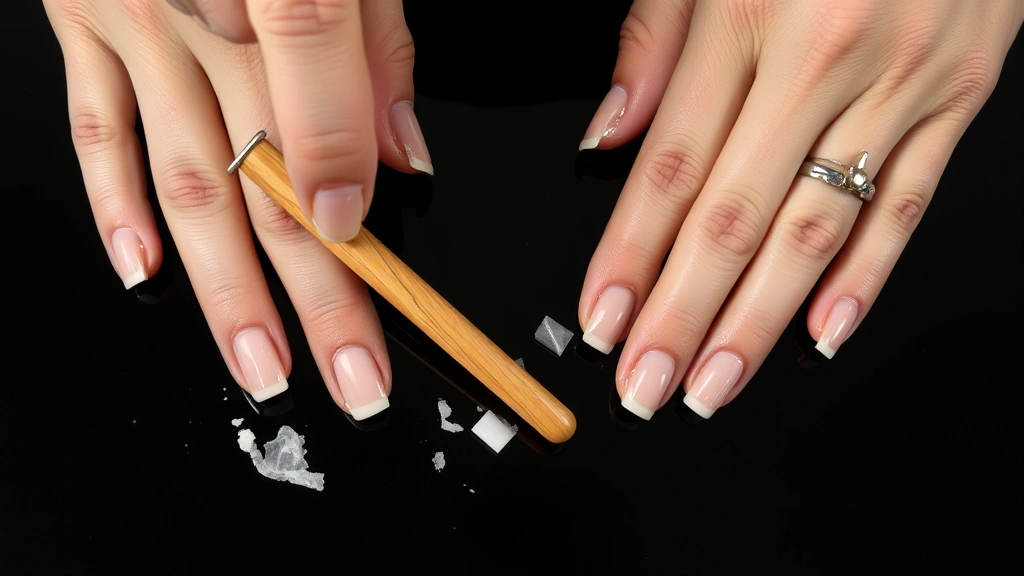
- File the surface: Gently file the top layer of glue to break the seal. This increases acetone penetration and speeds up the removal process. Use light pressure to avoid damaging your natural nails underneath.
- Prepare your soak: Pour acetone into a small bowl, filling it deep enough to submerge your nails. If pure acetone is unavailable, use acetone-based nail polish remover (though it’s less effective due to added ingredients).
- Soak strategically: Place your fingertips in the acetone for 15-20 minutes. You should notice the glue beginning to soften and bubble. Resist the urge to scrub aggressively—patience is your ally here.
- Gently lift and peel: After soaking, use a cuticle pusher to gently lift the edges of the glue. As it loosens, carefully peel it away. If resistance occurs, soak for another 5-10 minutes rather than forcing removal.
- Repeat if necessary: For stubborn applications, repeat the soaking and lifting process 2-3 times until all glue is removed.
- Moisturize thoroughly: Acetone is extremely drying. After removal, wash your hands, apply cuticle oil, and use a rich hand cream to restore moisture.
Pro Tips: Acetone works faster on warm days and when your skin is warm. Consider soaking your hands in warm water first to increase absorption. Additionally, wrapping your fingers in plastic wrap or using cotton pads saturated with acetone can create a more concentrated treatment environment.
Method 2: Oil-Based Removal
If acetone isn’t available or you prefer a gentler approach, oil-based removal offers an effective alternative. This method works because oils penetrate and dissolve the adhesive without the harshness of chemical solvents. It’s particularly useful when you need to remove nail products safely without excessive drying.
Best Oils for Removal:
- Coconut oil (antimicrobial and nourishing)
- Olive oil (readily available and effective)
- Cuticle oil (specifically formulated for nails)
- Jojoba oil (lightweight and penetrating)
- Vitamin E oil (healing properties)
The Application Method:
- Warm the oil: Heat your chosen oil slightly (not hot—warm to the touch). Warmth increases penetration and effectiveness.
- Apply generously: Massage the warm oil directly onto the glued area, working it into the seams between the artificial nail and natural nail bed.
- Let it sit: Allow 30-45 minutes for the oil to penetrate and soften the adhesive. You can wrap your fingers in plastic wrap to intensify the treatment.
- Massage gently: Using circular motions, gently massage the glued area. The combination of oil and massage helps separate the bond.
- Peel carefully: As the glue softens, carefully peel away the artificial nail and remaining adhesive. Work slowly—forcing removal can damage your natural nails.
- Clean and condition: Wash your hands thoroughly with soap and water to remove excess oil, then apply your regular moisturizer.
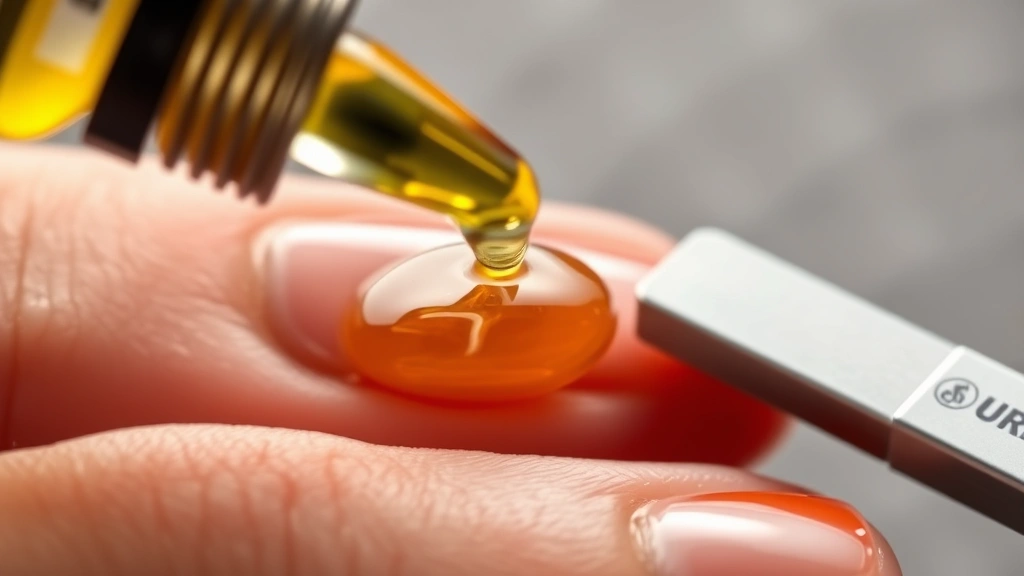
Why Oil Works: Oils are lipophilic, meaning they dissolve in fatty substances. Since cyanoacrylate adhesives contain lipid-based polymers, oils effectively break down the bond. This method is slower than acetone but gentler on sensitive skin and nail beds.
Method 3: Warm Water and Patience
Sometimes the simplest approach yields surprising results. Warm water alone can gradually soften and dissolve nail glue, though this method requires more time and patience than chemical solutions.
The Technique:
- File gently: Lightly score the glue surface with a nail file to increase water absorption.
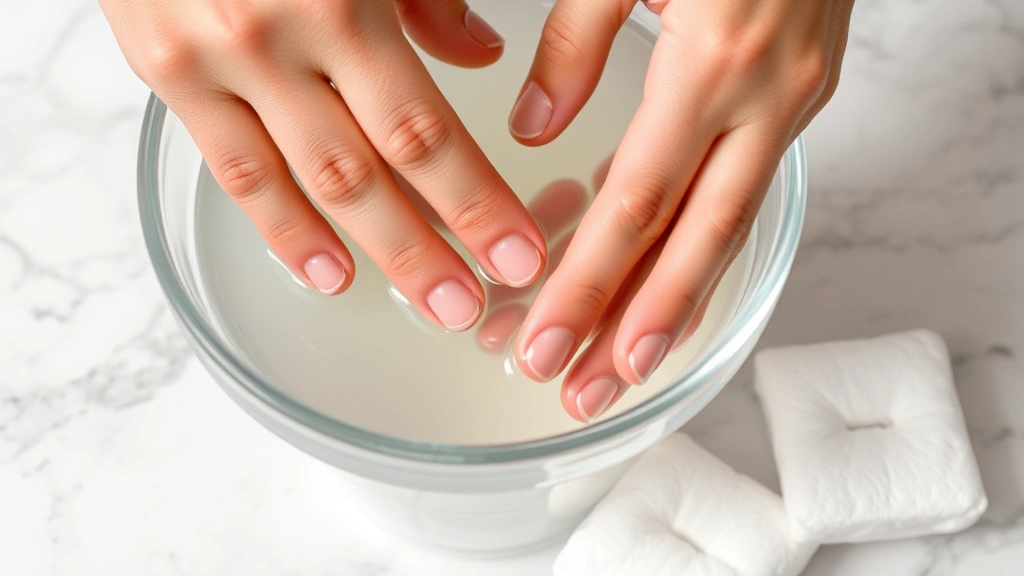
- Soak in warm water: Fill a bowl with comfortably warm (not hot) water. Submerge your nails for 20-30 minutes. You can add a few drops of dish soap to enhance the effect.
- Add moisture: Periodically remove your hands and apply a moisturizing cream, then return to the water. This cycle helps soften the glue more effectively.
- Repeat soaking: Continue 20-30 minute soaking sessions, allowing 10-15 minute breaks between sessions. Most glue will soften within 2-4 hours using this method.
- Lift gradually: As the glue softens, gently peel it away with a cuticle pusher. Avoid forcing—if resistance persists, soak longer.
When to Use This Method: This approach works best for light glue applications or when you have time to spare. It’s ideal for sensitive skin or when you want to avoid chemical exposure. It’s also perfect for children’s nails or when removing glue from delicate areas.
Removing Glue from Skin
Accidentally bonding your fingers together is a common nail glue mishap. The good news is that skin cells naturally shed, and nail glue doesn’t create a permanent bond on skin the way it does on nails. However, you can accelerate the process significantly. For comprehensive guidance, check out our detailed guide on getting nail glue off skin.
Immediate Response:
- Stay calm: Panic leads to aggressive pulling, which can irritate skin. The glue will come off.
- Don’t force separation: Pulling hard can tear skin or cause injury. Instead, work to dissolve the bond.
- Apply acetone immediately: Soak the bonded area in acetone for 5-10 minutes. This usually dissolves the bond enough for gentle separation.
Removal Process for Skin:
- Soak in acetone: Submerge bonded fingers in pure acetone for 5-15 minutes, depending on glue application thickness.
- Gently wiggle: Once acetone has penetrated, gently wiggle and flex your fingers. The glue should separate gradually.
- Use warm soapy water: Once separated, wash with warm soapy water to remove residual adhesive.
- Apply moisturizer: Acetone dries skin significantly, so follow up with a rich hand cream or healing balm.
If Acetone Isn’t Available: Submerge bonded fingers in warm water with dish soap for 15-30 minutes. While slower than acetone, this method eventually softens the glue enough for separation. Alternatively, apply cuticle oil or any cooking oil to the bonded area and gently work it in—the oil will gradually penetrate and weaken the bond.
Professional Tools and Products
Beyond basic household items, several specialized products can make nail glue removal easier and more effective. These tools are worth considering if you regularly work with artificial nails.
Specialized Removers:
- Nail glue removers: Products specifically formulated to dissolve cyanoacrylate adhesives work faster than generic acetone. Brands like Nail Glue Remover or similar products contain enhanced solvents designed for this purpose.
- Acetone pens: Portable acetone applicators allow precise application without soaking your entire hand. These are perfect for spot removal.
- Cuticle softeners: Pre-treatment with specialized cuticle softeners can prepare nails for easier glue removal.
Professional-Grade Tools:
- Nail drill: A rotary tool with gentle bits can carefully remove glue layers without damaging natural nails. This requires skill and should be used cautiously.
- Professional nail file sets: High-quality files designed for artificial nails work more effectively than standard files for breaking the glue seal.
- Gel removal wraps: While designed for gel polish, these wraps can be adapted for nail glue removal by filling them with acetone.
When selecting commercial products, look for those specifically labeled for cyanoacrylate or super glue removal. These formulations are optimized for this adhesive type and work significantly faster than generic alternatives. Always read product instructions and test on a small area first.
Prevention Strategies
The best nail glue removal is the one you never have to do. Implementing smart application and handling practices can prevent most problematic situations.
Application Best Practices:
- Use the right amount: Apply only a tiny drop of glue to each nail. Most people use too much, creating excessive overflow that bonds to skin.
- Press and hold correctly: Press nails together for exactly 10-15 seconds—not longer. Excessive pressure forces glue onto surrounding skin.
- Wipe excess immediately: Use a damp cloth to wipe away glue overflow before it dries. This prevents accidental bonding.
- Protect your skin: Apply a thin layer of petroleum jelly around your cuticles before gluing nails. This creates a barrier that prevents glue adhesion to skin.
Storage and Handling:
- Store properly: Keep nail glue in a cool, dry place with the cap tightly sealed. Exposure to moisture causes premature polymerization.
- Check expiration: Old glue becomes unpredictable and harder to control. Replace bottles every 6-12 months.
- Use nail glue specifically: Don’t substitute with super glue or other cyanoacrylate products. Nail-specific formulations are optimized for this application.
Nail Health Maintenance:
- Take breaks: Limit continuous artificial nail use to 2-3 weeks at a time. Give your natural nails recovery periods.
- Moisturize regularly: Daily cuticle oil and hand cream keep nails flexible and less prone to damage during removal.
- Avoid harsh chemicals: Wear gloves when cleaning or doing dishes. Chemicals weaken nails and make them more susceptible to damage.
Frequently Asked Questions
How long does it take to remove nail glue?
Removal time varies by method. Acetone soaking typically takes 15-30 minutes for noticeable softening, though complete removal may require 45-60 minutes or multiple sessions. Oil-based removal takes 30-45 minutes of soaking plus gentle massage. Warm water removal is the slowest, often requiring 2-4 hours of cumulative soaking time. Patience significantly impacts success—rushing the process risks damaging your natural nails.
Can I remove nail glue without acetone?
Absolutely. While acetone is the fastest method, oil-based removal and warm water soaking both work effectively without chemicals. Coconut oil, olive oil, and cuticle oil are all viable alternatives. These methods take longer but are gentler and ideal if you have sensitive skin or prefer avoiding harsh chemicals. The warm water method, though slowest, requires only household items.
Is nail glue removal painful?
Proper removal shouldn’t be painful. If you experience pain, you’re likely using too much force. Stop immediately and return to soaking—the glue needs more time to soften. Pain indicates potential nail damage, so prioritize patience over speed. If bonded to skin causes pain during separation, soak longer in acetone or warm water before attempting to pull apart.
Will removing nail glue damage my natural nails?
When done correctly, nail glue removal doesn’t damage natural nails. However, aggressive removal or forcing separation can cause peeling, thinning, or breakage. The key is patience and gentle technique. Always soak adequately before attempting removal, and use a cuticle pusher rather than fingernails to lift glue. Your natural nails should feel smooth and intact after proper removal.
What should I do if my nails are damaged after glue removal?
Damaged nails need recovery time and extra care. Apply cuticle oil daily, keep nails moisturized, and avoid harsh chemicals. Consider taking a break from artificial nails for 2-4 weeks to allow your natural nails to grow and strengthen. Biotin supplements and protein-rich foods support healthy nail growth. If damage is severe (deep peeling or discoloration), consult a dermatologist.
Can I use regular nail polish remover instead of pure acetone?
Regular nail polish remover contains acetone mixed with other ingredients like water and fragrance, making it less effective for nail glue removal. While it can work, it’s slower and requires longer soaking times. For best results, use 100% pure acetone from hardware stores or beauty supply shops. If only regular remover is available, it will eventually work but expect extended removal times.
How do I prevent nail glue from bonding to my skin?
Prevention is straightforward: apply petroleum jelly or cuticle oil around your cuticles before gluing nails. This creates a protective barrier that prevents glue adhesion. Additionally, use minimal glue (a tiny drop is sufficient), press nails together for only 10-15 seconds, and immediately wipe away any overflow with a damp cloth. These practices prevent most accidental bonding incidents.
Is it safe to use nail glue remover products on sensitive skin?
Commercial nail glue removers vary in strength and safety. Always read product labels and test on a small area first. If you have sensitive skin, oil-based removal or warm water methods are safer alternatives. These gentler approaches take longer but won’t irritate delicate skin. If you must use chemical removers, apply a protective barrier of petroleum jelly around the removal area to shield sensitive skin.

Related Posts

How Long to Boil Lobster Tails: Cooking Guide

How Long to Fly from New York to London? Travel Times
