
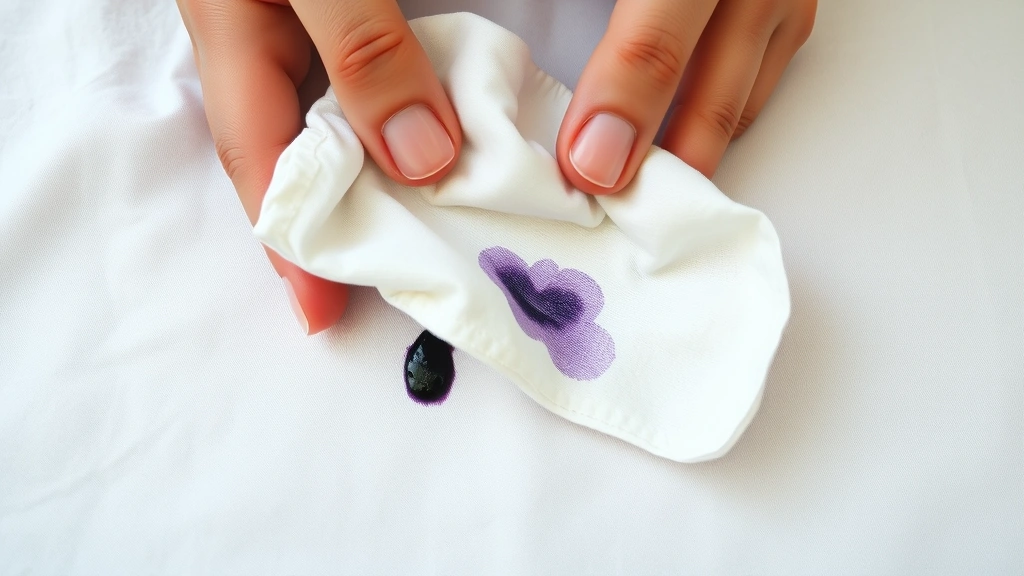
How to Remove Ink from Clothes: Expert Tips
How to Remove Ink from Clothes: Expert Tips and Proven Methods
Ink stains are one of those frustrating wardrobe disasters that catch everyone off guard. Whether it’s a leaky pen in your shirt pocket, a Sharpie mishap, or an accidental encounter with a marker, ink has an uncanny ability to ruin your favorite garment in seconds. The good news? Most ink stains are actually removable if you act quickly and know the right techniques.
The key to successful ink removal lies in understanding the type of ink you’re dealing with and treating it before the stain sets permanently into the fabric fibers. Different inks require different approaches—ballpoint pen ink behaves differently than permanent markers, which require entirely different treatment than fountain pen ink. With the right knowledge and a few common household items, you can tackle even the most stubborn ink stains and restore your clothes to their original condition.
This comprehensive guide walks you through everything you need to know about removing ink from clothes, from immediate action steps to advanced techniques for set-in stains. We’ll cover specific ink types, materials you’ll need, and foolproof methods that actually work.
Immediate Action: First Steps After an Ink Stain
The first few minutes after an ink stain happens are absolutely critical. Your immediate response determines whether you’ll be left with a permanent mark or a completely removed blemish. Here’s what you should do the moment you notice ink on your clothing:
Don’t panic and don’t wash yet. This is the most important rule. Throwing the garment directly into the washing machine is the worst thing you can do—heat and agitation will set the stain permanently into the fabric. Instead, take a breath and follow these immediate steps.
First, blot the stain gently with a clean, dry cloth or paper towel. Press down on the area without rubbing, as rubbing spreads the ink further into the fibers. If the stain is still wet, you’re removing excess ink before it fully penetrates the material. Work from the outside edges of the stain toward the center to prevent it from spreading outward.
Next, assess what you’re working with. Is the stain still wet or has it already dried? Is it a ballpoint pen, marker, or something else? The answers to these questions will guide your treatment strategy. Fresh, wet stains are significantly easier to remove than dried ones, so time is genuinely of the essence here.
Resist the urge to rub the stain with your fingers or use a damp cloth immediately. This common instinct actually works against you by pushing the ink deeper into the fabric structure. Instead, prepare to apply a treatment solution that will break down the ink chemically rather than trying to force it out physically.
Understanding Different Ink Types
Not all inks are created equal, and this matters tremendously when removing them from clothing. Each ink type has different chemical compositions, which means each responds to different treatment methods. Understanding what you’re dealing with helps you choose the most effective removal strategy.
Ballpoint pen ink is oil-based and relatively easy to remove compared to permanent markers. When you’re learning how to get pen ink out of clothes, you’ll find that ballpoint ink typically responds well to alcohol-based solutions and common household products. The oil base means it won’t bond as strongly to synthetic fibers, giving you a reasonable window to treat it successfully.
Permanent markers, particularly brands like Sharpie, are an entirely different beast. Removing Sharpie from clothes requires more aggressive treatment because permanent marker ink is specifically formulated to resist removal. The dye molecules are designed to bond strongly to surfaces, which is precisely why they’re called permanent markers. These stains need specialized solvents and more patience.
Fountain pen ink varies widely depending on the specific formulation, but it’s often water-based and can respond to different treatments than ballpoint pens. Some fountain pen inks are dye-based and will behave similarly to permanent markers, while others are more water-soluble and easier to remove.
Gel pens occupy a middle ground—they’re often water-based but contain pigments that can still set into fabric. Felt-tip markers fall somewhere between ballpoint and permanent markers in terms of removal difficulty. Understanding these distinctions helps you avoid wasting time on ineffective methods.
Proven Ink Removal Methods
Now that you understand the different ink types, let’s explore the specific removal methods that actually work. These techniques range from gentle approaches for delicate fabrics to more aggressive solutions for stubborn stains.
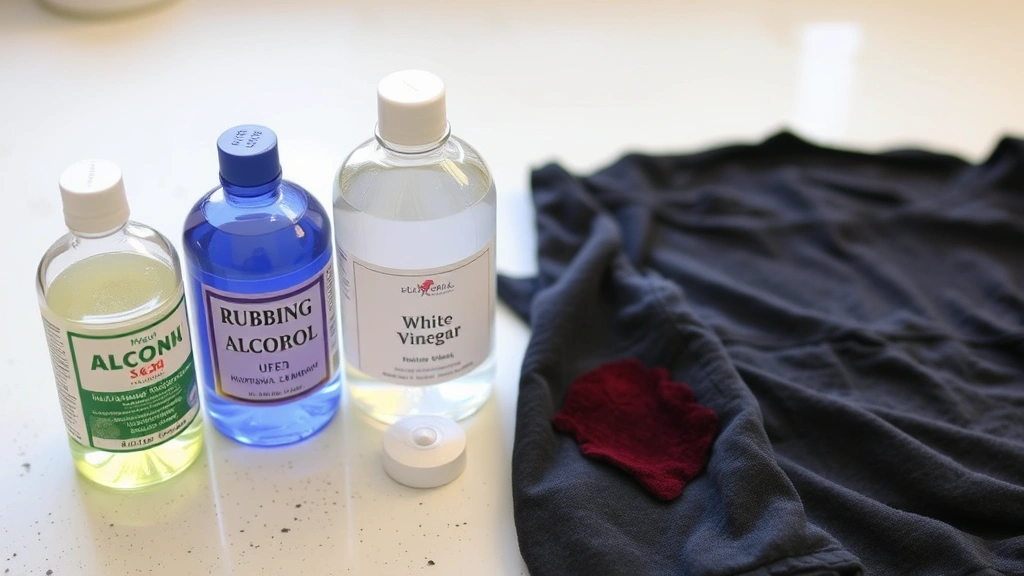
Rubbing alcohol method is one of the most reliable approaches for ballpoint pen ink and many other ink types. Rubbing alcohol (isopropyl alcohol) contains solvents that break down oil-based inks effectively. Here’s how to use it:
- Place the stained garment on a clean, white cloth or paper towels
- Dampen a cloth with rubbing alcohol and dab the stain gently
- Work from the outside edges toward the center
- Switch to a clean section of cloth frequently to avoid redepositing ink
- Continue until the stain stops transferring to the cloth
- Rinse the area with cool water
- Launder normally
Hairspray treatment works surprisingly well for certain ink types because many hairsprays contain alcohol. This is an old-school remedy that deserves its reputation. Spray the stain lightly with hairspray (alcohol-based varieties work best), let it sit for a minute, then blot with a clean cloth. Repeat as needed until the stain fades. This method works particularly well for ballpoint ink and is worth trying before moving to stronger solutions.
Vinegar and baking soda paste offers a gentler alternative for delicate fabrics or when you want to avoid harsh chemicals. Mix white vinegar with baking soda to create a paste, apply it to the stain, let it sit for 15-30 minutes, then gently rub and rinse. While this method is less aggressive than alcohol, it can still be effective for fresh stains on certain fabric types.
For more stubborn stains, acetone (nail polish remover) is a powerful option, though it requires caution. Acetone is a strong solvent that works on many permanent markers and set-in ink stains. Test it on an inconspicuous area first, as acetone can damage some fabrics. Apply a small amount to the stain with a cloth, let it sit briefly, then blot repeatedly. This method is best reserved for natural fibers like cotton and should be avoided on synthetic materials unless absolutely necessary.
Milk soaking method sounds unusual but has genuine merit for certain ink types. The enzymes and fats in milk can help break down ink molecules. Soak the stained area in milk for several hours or overnight, then gently rub the stain under running water. This gentler approach works best for fresh stains and is safe for all fabric types.
Lemon juice and salt combination creates a mild abrasive paste that can work on some ink stains. Mix fresh lemon juice with salt to form a paste, apply to the stain, and let it sit in sunlight if possible. The citric acid and mild abrasive action can help lift ink from fabric fibers. This method is particularly useful for dried stains that have been sitting for a while.
Specialized stain removers designed specifically for ink are worth considering for stubborn cases. Products like Fels-Naptha soap or commercial ink stain removers contain ingredients formulated to tackle these specific challenges. Follow the product instructions carefully and test on hidden areas first.
Fabric-Specific Considerations
The fabric your garment is made from significantly impacts which removal method will work best and how aggressively you can treat the stain. Different materials respond differently to various solvents and techniques.
Cotton and natural fibers are generally the most forgiving when it comes to ink stain removal. These fabrics can tolerate stronger solvents and more vigorous treatment without damage. Cotton’s robust fiber structure means you can use rubbing alcohol, acetone, and other powerful solutions without worrying too much about fabric degradation. This makes cotton clothing easier to restore when ink accidents happen.
Delicate fabrics like silk, satin, and lace require a gentler touch. These materials can be damaged by harsh solvents, so stick with milder approaches like milk soaking, vinegar and baking soda paste, or diluted alcohol solutions. Always test any treatment on a hidden seam or corner first to ensure it won’t damage the fabric. When dealing with delicate materials, patience and gentle methods beat aggressive approaches every time.
Synthetic fabrics like polyester and nylon fall somewhere in the middle. They’re more resistant than delicate fabrics but can be damaged by acetone and other strong solvents. Rubbing alcohol usually works well on synthetics, and it’s generally safer than acetone. Avoid prolonged soaking in harsh chemicals, as this can weaken synthetic fibers or cause discoloration.
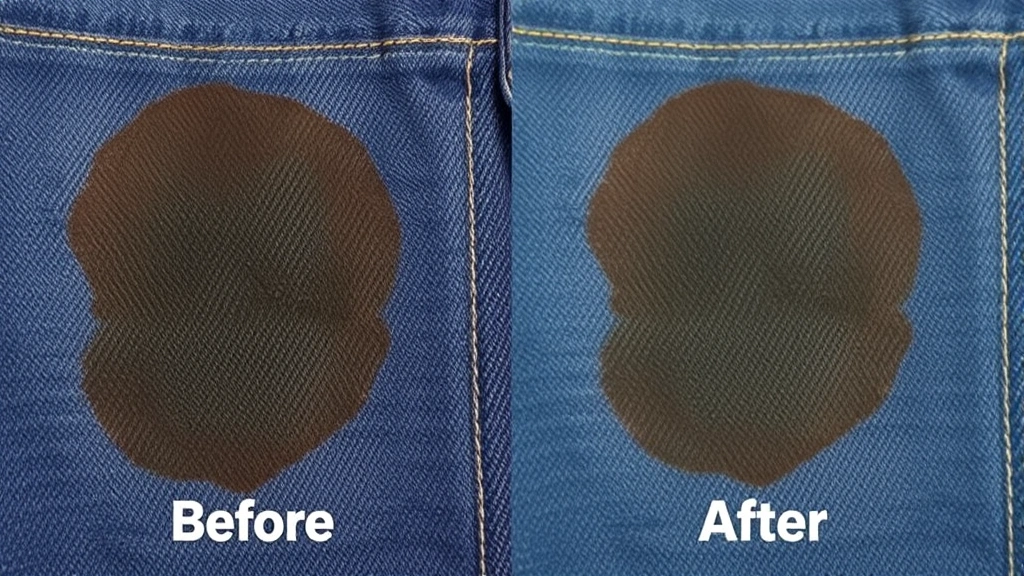
Denim and heavy cotton can handle the strongest treatment methods. These robust fabrics are ideal candidates for acetone or intensive rubbing alcohol treatment. The thick weave and durable fibers mean you can be more aggressive in your approach without fear of damage.
Regardless of fabric type, always rinse thoroughly after treatment to remove any residual solvent or treatment solution. Leftover chemicals can damage fibers over time or cause discoloration. After rinsing, air-dry the garment completely before washing to ensure the stain is truly gone before heat sets it permanently.
Prevention Strategies
While knowing how to remove ink stains is valuable, preventing them in the first place is even better. A few simple precautions can save you from dealing with these frustrating accidents.
Pocket management is your first line of defense. Always check your pockets before putting on clothes, and avoid carrying pens loose in shirt or pants pockets. Use a dedicated pen holder or keep writing instruments in bags where they’re less likely to leak onto your clothing. If you must carry pens in pockets, ensure they have secure caps and consider using pens with retractable tips.
Marker safety deserves special attention if you work with permanent markers regularly. Store markers with caps on and upright to prevent leaking. If you use markers frequently, consider wearing an apron or work clothes specifically designated for that purpose. Keep markers away from areas where you eat or relax in your good clothes.
Fabric protection products can provide an additional layer of defense. Scotchgard and similar fabric protectants create a barrier that can help repel some stains, including ink. Treat your favorite garments with fabric protectant to give yourself extra protection against accidental spills.
Laundry habits matter more than you might think. Checking pockets before washing and drying is essential—a pen that leaks in the washing machine can ruin an entire load of clothes. Similarly, don’t dry clothes if you suspect a stain might be present, as dryer heat will set the stain permanently. Air-dry suspicious garments until you’re certain the stain is completely gone.
These prevention strategies won’t eliminate ink stains entirely—accidents happen to everyone—but they can significantly reduce the frequency of these frustrating incidents. Combined with knowledge of effective removal methods, prevention helps you maintain your wardrobe in excellent condition.
Frequently Asked Questions
What’s the fastest way to remove fresh ink from clothes?
For fresh ink stains, blot immediately with a clean cloth, then treat with rubbing alcohol. Dampen a cloth with alcohol and dab the stain repeatedly, switching to clean sections of cloth frequently. This method typically removes fresh ballpoint ink within 5-10 minutes. For permanent marker ink, you may need to repeat the process or use acetone for better results.
Can I use hot water to remove ink stains?
No—avoid hot water when treating ink stains. Heat causes ink to set more deeply into fabric fibers, making the stain permanent. Always use cool or lukewarm water for rinsing after treatment. Save the hot water for the final wash cycle only after you’ve confirmed the stain is completely gone.
Will vinegar and baking soda work on all ink types?
Vinegar and baking soda is a gentler method that works reasonably well on fresh ballpoint pen ink and some other ink types, but it’s less effective on permanent markers. For stubborn permanent marker stains, stronger solvents like rubbing alcohol or acetone typically work better. The vinegar and baking soda approach is ideal when you want to avoid harsh chemicals or when treating delicate fabrics.
How long can I wait before treating an ink stain?
The sooner you treat an ink stain, the better your chances of complete removal. Fresh stains are significantly easier to remove than dried ones. However, you’re not completely out of luck if you notice a stain hours or even days later. Dried stains respond well to stronger solvents like acetone and may require longer soaking times, but removal is still possible in most cases.
Is it safe to use acetone on all fabrics?
No—acetone is a strong solvent that can damage some fabrics. It works well on natural fibers like cotton but can harm synthetics and delicate materials. Always test acetone on a hidden area first. If the fabric color doesn’t change or the fibers don’t weaken, it’s generally safe to use. Avoid acetone entirely on silk, satin, and other delicate fabrics unless you’re willing to risk potential damage.
What should I do if the ink stain spreads while I’m treating it?
If you notice the stain spreading, stop the current treatment immediately and switch methods. Spreading usually indicates that you’re using too much liquid or rubbing too vigorously. Place the garment on fresh, dry paper towels and use a lighter touch. Blot rather than rub, and use less liquid on your treatment cloth. Sometimes switching to a different solvent or method helps contain the stain better.
Can I remove ink that’s been through the dryer?
Ink that’s been heat-set in the dryer is significantly more difficult to remove but not impossible. The heat causes ink molecules to bond more permanently to fabric fibers, requiring more aggressive treatment. Try soaking the area in acetone for 15-30 minutes, then gently rubbing and rinsing. You may need to repeat this process several times. Patience and persistence are essential for heat-set stains.
Are there commercial products specifically for ink stain removal?
Yes, several commercial stain removers are formulated specifically for ink. Products like Ink Away, Zout, and specialized fabric markers removal products contain solvents designed to break down ink molecules. These products can be effective, particularly for stubborn stains. Always follow the product instructions and test on hidden areas first. While commercial products are convenient, household methods often work just as well at a fraction of the cost.
How do I prevent ink stains when I carry pens regularly?
Use a dedicated pen case or holder rather than carrying pens loose in pockets. Choose pens with secure, reliable caps and check them regularly for leaks. If you notice a pen starting to leak, remove it from your clothing immediately. Consider keeping pens in bags or using clip-style pens that attach to pockets securely without being stored inside them. These simple precautions dramatically reduce accidental ink stains.
What’s the difference between removing ballpoint and permanent marker ink?
Ballpoint ink is oil-based and typically responds well to rubbing alcohol and mild solvents. Permanent marker ink is specifically formulated to resist removal and requires stronger solvents like acetone. Permanent marker stains often need longer treatment times and may require multiple applications. If initial treatment with alcohol doesn’t work, permanent marker stains usually respond better to acetone or specialized commercial removers.
Similar stain removal principles apply to other fabric mishaps too. If you’re dealing with nail polish on clothes, many of the same acetone-based methods work effectively. Understanding how different substances interact with fabric helps you tackle various stains confidently. Additionally, knowing how to handle other common stains like grease marks builds your overall stain-removal expertise. Even seemingly unrelated issues like static electricity can affect fabric condition, so comprehensive garment care knowledge is valuable. If stain removal accidentally affects garment fit, you might explore options like intentionally shrinking clothes to restore proper sizing.
Final thoughts on ink stain removal: Most ink stains are completely removable if you act quickly and use the appropriate method for the specific ink type and fabric involved. The key is understanding that different situations require different approaches—what works brilliantly for ballpoint pen ink might not touch permanent marker stains, and what’s safe for cotton might damage silk. Keep rubbing alcohol and hairspray on hand for quick treatment of fresh stains, and don’t hesitate to try gentler methods first on delicate fabrics. Remember that patience and persistence matter more than aggressive scrubbing. With these techniques and a bit of know-how, you can confidently handle ink stains and keep your favorite clothes looking their best.
For additional guidance on fabric care and stain removal, consult resources like This Old House’s home maintenance guides, Family Handyman’s stain removal articles, or Home Depot’s fabric care recommendations. The American Cleaning Institute also provides evidence-based stain removal information backed by scientific research.

Related Posts

How Long to Boil Lobster Tails: Cooking Guide

How Long to Fly from New York to London? Travel Times
