
Regulate Your Nervous System: Expert Tips Inside
How to Regulate Your Nervous System: Expert Tips Inside
Your nervous system is your body’s communication network, constantly sending signals that affect how you feel, think, and respond to stress. When it becomes dysregulated, you may experience anxiety, irritability, difficulty sleeping, or physical tension that interferes with daily life. Learning how to regulate your nervous system is one of the most valuable skills you can develop for your mental and physical well-being.
The good news is that nervous system regulation isn’t complicated or expensive. It requires understanding how your autonomic nervous system works and practicing evidence-based techniques that anyone can implement at home. Whether you’re dealing with work stress, personal challenges, or simply want to improve your overall resilience, this guide provides practical, actionable strategies backed by neuroscience and wellness research.

Understanding Your Nervous System
Your nervous system has two primary branches: the sympathetic nervous system (your “fight or flight” response) and the parasympathetic nervous system (your “rest and digest” response). Most people living in modern society spend too much time in sympathetic activation, which keeps the body in a constant state of alert. This chronic stress response leads to exhaustion, weakened immunity, and mental health challenges.
The sympathetic nervous system served our ancestors well when facing immediate physical threats. However, today’s stressors—work deadlines, financial worries, social media overwhelm—trigger the same physiological response without requiring physical action. This creates a mismatch between our nervous system’s reaction and what our body actually needs.
Understanding this difference is crucial because it means you can consciously shift your nervous system state. By activating your parasympathetic nervous system, you activate the body’s natural healing and restoration processes. This is where practical regulation techniques become powerful tools for managing stress and improving quality of life.
The nervous system operates largely outside your conscious awareness, but you can influence it through intentional practices. Your breath, body movements, sensory input, and thought patterns all send signals to your brain about whether you’re safe or in danger. Mastering these signals allows you to regulate your state even during challenging situations.

The Role of the Vagus Nerve
The vagus nerve is the longest cranial nerve in your body, running from your brain down through your chest to your gut. It’s the primary pathway of your parasympathetic nervous system and acts like a “brake pedal” for stress responses. Stimulating your vagus nerve activates relaxation and healing responses throughout your body.
When your vagus nerve is functioning well, you experience what’s called “vagal tone”—the ability to quickly shift from stress to calm. People with high vagal tone recover faster from stressful situations and maintain better emotional regulation. You can improve your vagal tone through specific practices that send safety signals to your brain.
One of the most accessible ways to stimulate your vagus nerve is through vocalization. Humming, chanting, or singing engages the vagus nerve directly because these muscles are innervated by it. Even gentle humming for a few minutes can lower your heart rate and blood pressure. This explains why many cultures incorporate chanting and singing into healing and spiritual practices.
Cold exposure also activates the vagus nerve, which is why cold water immersion has become popular in wellness circles. However, you don’t need extreme measures—simply splashing cold water on your face triggers the “dive response,” which activates parasympathetic activation and slows your heart rate. This is a powerful technique you can use anywhere, anytime.
Breathing Techniques for Nervous System Regulation
Your breath is the most direct connection you have to your nervous system. Unlike heart rate or digestion, you can consciously control your breathing, making it a powerful tool for nervous system regulation. Different breathing patterns activate different nervous system states, so learning specific techniques gives you immediate control over how you feel.
Box Breathing is one of the most effective and simple techniques. Inhale for a count of four, hold for four, exhale for four, and hold for four. This balanced pattern signals safety to your nervous system. Practice this for 2-3 minutes whenever you feel stressed, and you’ll notice a significant shift in your mental state.
Extended Exhale Breathing is even more powerful for activating the parasympathetic nervous system. Inhale for a count of four, then exhale for a count of six or eight. The longer exhale directly activates the vagus nerve and tells your body that you’re safe. This technique is particularly helpful before sleep or during anxiety episodes.
4-7-8 Breathing, popularized by Dr. Andrew Weil, involves inhaling for four counts, holding for seven, and exhaling for eight. The extended hold and exhale create a calming effect that can help with insomnia, anxiety, and emotional overwhelm. Many people find this technique so effective that they use it multiple times daily.
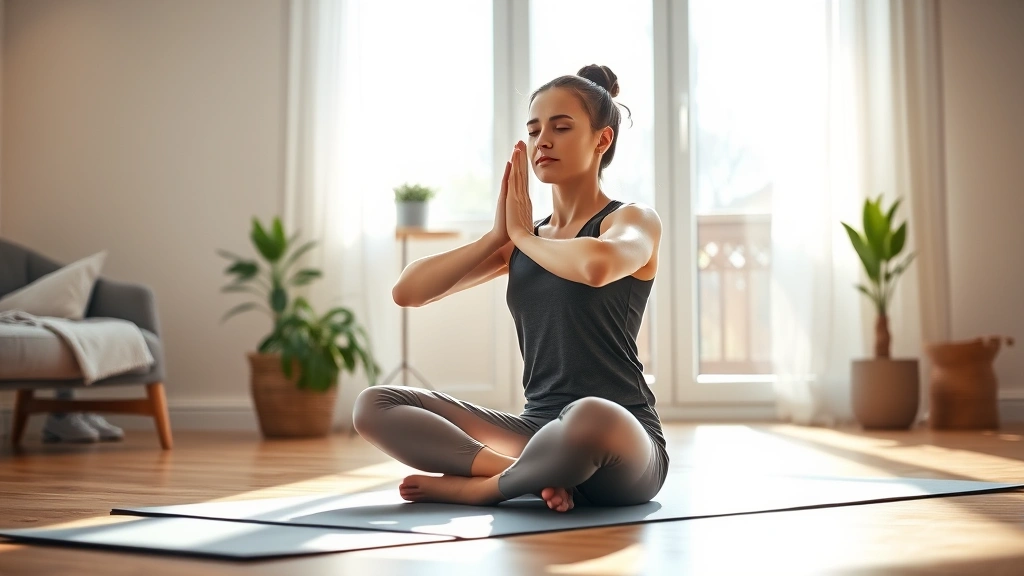
Alternate Nostril Breathing (Nadi Shodhana in yoga) balances the left and right hemispheres of your brain. Close your right nostril and inhale through the left, then close the left and exhale through the right. Alternate sides for 5-10 minutes. This ancient technique has been validated by modern neuroscience as effective for stress reduction and mental clarity.
The key to breathing techniques is consistency and practice. When you’re in acute stress, your nervous system won’t easily shift to a calm state. But if you practice these techniques daily during calm moments, your nervous system becomes more responsive when you need it most. Think of it like building a muscle—regular practice creates lasting change.
Movement and Exercise Strategies
Physical movement is one of the most underutilized tools for nervous system regulation. When your sympathetic nervous system activates (stress response), your body prepares for fight or flight—but modern stressors don’t require physical action. Exercise completes this cycle by allowing your body to discharge the stress hormones and return to baseline.
Gentle Movement Practices like yoga, tai chi, and qigong are specifically designed to regulate the nervous system. These practices combine intentional movement with breath awareness, creating a powerful combination for parasympathetic activation. Even 15-20 minutes of gentle yoga can significantly reduce cortisol levels and promote relaxation.
Walking in Nature provides multiple nervous system benefits simultaneously. The rhythmic movement of walking activates the parasympathetic system, while natural environments reduce stress hormones and promote mental clarity. If possible, walk barefoot on grass or soil—grounding (direct contact with earth) has additional calming effects that enhance nervous system regulation.
High-Intensity Exercise can also regulate the nervous system, but in a different way. Vigorous exercise allows your body to fully activate and then discharge the stress response. However, timing matters—intense exercise close to bedtime can be stimulating rather than calming. Do high-intensity workouts earlier in the day for best results.
Progressive Muscle Relaxation combines movement with awareness. Systematically tense and release each muscle group from toes to head. This practice teaches your body the difference between tension and relaxation while activating parasympathetic responses. It’s particularly helpful for people who hold stress in their muscles.
Dancing is an often-overlooked nervous system regulation tool. The combination of rhythmic movement, music, and self-expression activates multiple calming pathways simultaneously. You don’t need to be a good dancer—the benefits come from the movement itself, not performance quality.
Nutrition and Lifestyle Factors
What you eat directly affects your nervous system’s ability to regulate itself. Certain nutrients support parasympathetic function, while others can trigger stress responses. Understanding these connections allows you to use nutrition as a tool for nervous system health.
Magnesium is crucial for nervous system regulation. This mineral calms the nervous system and helps muscles relax. Foods rich in magnesium include leafy greens, nuts, seeds, and legumes. Many people find magnesium supplementation helpful, though food sources are preferred when possible.
Omega-3 Fatty Acids support brain health and reduce inflammation throughout the nervous system. Fatty fish like salmon, as well as flaxseeds, chia seeds, and walnuts, are excellent sources. Adequate omega-3 intake has been linked to lower anxiety and improved emotional regulation.
Limit Caffeine and Alcohol if nervous system regulation is a priority. While a morning coffee won’t derail your progress, excessive caffeine keeps your nervous system in a stimulated state. Alcohol might feel relaxing initially, but it disrupts sleep and prevents deep nervous system healing. Reducing both substances often leads to noticeable improvements in anxiety and sleep quality.
Sleep Quality is foundational for nervous system regulation. During sleep, your nervous system recalibrates and stress hormones decrease. Poor sleep perpetuates a dysregulated nervous system. Prioritize 7-9 hours nightly, maintain consistent sleep schedules, and create dark, cool sleeping environments to support nervous system healing.
Hydration affects nervous system function more than most people realize. Dehydration triggers stress responses and impairs cognitive function. Drinking adequate water throughout the day supports all nervous system functions and reduces anxiety symptoms.
Creating a Calming Environment
Your sensory environment constantly sends signals to your nervous system. By intentionally creating calming spaces, you reduce the amount of effort required to maintain nervous system regulation throughout your day.
Lighting significantly impacts your nervous system. Bright, blue-spectrum light (like from screens) activates alertness, while warm, dim lighting promotes relaxation. Reduce screen time before bed, use blue light filters on devices, and incorporate warm lighting in your living spaces. Natural sunlight exposure in the morning helps regulate your circadian rhythm, which in turn regulates your nervous system.
Sound Environment matters more than you might think. Constant noise, harsh sounds, and high-frequency noises keep your nervous system in a state of alert. Create quiet spaces when possible. If silence isn’t available, use white noise, nature sounds, or gentle music to mask jarring sounds. Many people find binaural beats and specifically designed nervous system music helpful for relaxation.
Temperature Regulation affects your comfort and parasympathetic activation. Warm environments tend to be more relaxing, which is why warm baths and saunas are traditional calming practices. However, personal preference matters—some people find cool environments more calming. Experiment to discover what works best for your nervous system.
Scent and Aromatherapy bypass your conscious mind and directly affect your nervous system. Lavender, chamomile, and bergamot scents have been scientifically shown to promote relaxation. Keep these scents in your bedroom, workspace, or use them during meditation practices. Essential oil diffusers or simply opening a bottle near your face can provide quick nervous system support.
Decluttering and Organization reduce cognitive load, allowing your nervous system to relax. Visual clutter triggers low-level stress responses. Organizing your physical space, even in small ways, sends a message of safety and control to your nervous system.
Daily Practices and Routines
Consistency matters more than intensity when it comes to nervous system regulation. Building daily practices creates lasting changes in how your nervous system responds to stress. Start with one or two practices and gradually build a comprehensive routine.
Morning Routine for Nervous System Activation: Begin your day with intentional nervous system regulation. Spend 5-10 minutes doing gentle stretching or yoga, practice a breathing technique, and set a positive intention for the day. This primes your nervous system to handle stress more effectively throughout the day. Avoid checking email or social media immediately—these can trigger stress responses before you’ve even begun your day.
Midday Reset Practices: Around midday, take a 5-minute break to reset your nervous system. Step outside if possible, practice box breathing, or do some gentle movement. This prevents stress from accumulating throughout the afternoon and maintains your capacity to regulate yourself.
Evening Wind-Down Routine: Starting 1-2 hours before bed, begin calming your nervous system for sleep. Dim lighting, warm herbal tea (chamomile or passionflower), gentle stretching, and meditation prepare your nervous system for rest. Avoid stimulating activities, work, and intense conversations during this time.
Meditation and Mindfulness: Regular meditation practice is one of the most powerful tools for nervous system regulation. You don’t need to sit in silence for hours—even 10 minutes daily of focused attention on your breath creates measurable changes in stress resilience. Mindfulness practice teaches you to observe stressful thoughts without being controlled by them, reducing their impact on your nervous system.
Journaling for Emotional Processing: Writing about your thoughts and feelings helps your nervous system process stress and emotions. Spend 10-15 minutes daily writing without judgment or editing. This practice helps identify patterns in what triggers your stress response and allows your nervous system to complete the stress cycle.
Social Connection: Positive social interaction is one of the most powerful nervous system regulators. Regular time with loved ones, even brief conversations, activate your parasympathetic nervous system through what’s called “co-regulation.” Prioritize meaningful connections as part of your nervous system health practice.
Digital Boundaries: Constant connectivity keeps your nervous system in a state of alert. Establish specific times when you’re unavailable to emails, messages, and notifications. Most nervous system dysregulation in modern life stems from information overload and constant connectivity. Creating boundaries around technology is as important as any active practice.
A comprehensive nervous system regulation practice might look like this: 10 minutes of gentle yoga or stretching in the morning, box breathing during lunch, a 20-minute walk in nature after work, 10 minutes of meditation before bed, and consistent sleep schedule. This takes roughly 50 minutes daily but creates profound improvements in stress resilience and overall well-being.
Remember that nervous system regulation is personal. What works powerfully for one person might not resonate for another. Experiment with different techniques, pay attention to what actually makes you feel calmer and more grounded, and build your practice around those tools. The FixWiseHub Blog offers many practical guides for creating healthier daily routines and habits that support overall wellness.
FAQ
How long does it take to regulate your nervous system?
You can experience immediate effects from breathing techniques and movement within minutes. However, lasting changes in your nervous system’s baseline reactivity take consistent practice over weeks and months. Most people notice significant improvements in stress resilience within 4-6 weeks of daily practice. The nervous system is plastic and can change, but it requires repeated experiences to reprogram old patterns.
Can you regulate your nervous system while stressed?
Yes, but it’s more difficult. During acute stress, your nervous system is in survival mode, making it harder to shift states. This is why daily practice during calm moments is so important—it trains your nervous system to be more responsive when you need it most. During acute stress, simpler techniques like extended exhale breathing or cold water on your face work better than complex practices.
Is nervous system regulation the same as relaxation?
Not exactly. Relaxation is a state, while nervous system regulation is the ability to shift between states as needed. You want both activation (for focus, action, and productivity) and relaxation (for recovery and healing). Regulation means having flexibility in your nervous system response, not being calm all the time. Athletes, for example, need strong nervous system regulation to activate when competing and calm when recovering.
What’s the difference between sympathetic and parasympathetic nervous system?
The sympathetic nervous system is your accelerator (fight or flight), increasing heart rate, blood pressure, and alertness. The parasympathetic nervous system is your brake (rest and digest), slowing heart rate, lowering blood pressure, and promoting digestion and healing. Both are necessary—the problem occurs when you spend too much time in sympathetic activation without adequate parasympathetic recovery.
Can supplements help regulate your nervous system?
Certain supplements support nervous system function, particularly magnesium, omega-3 fatty acids, and adaptogens like ashwagandha and rhodiola. However, supplements work best as additions to lifestyle practices, not replacements. Breathing, movement, sleep, and social connection create the foundation, with supplements providing additional support. Always consult healthcare providers before starting new supplements, especially if you take medications.
How do you know if your nervous system is dysregulated?
Signs of nervous system dysregulation include persistent anxiety, irritability, difficulty sleeping, digestive issues, muscle tension, racing thoughts, panic attacks, or feeling constantly “on edge.” You might also experience difficulty concentrating, emotional overwhelm, or physical symptoms without clear medical cause. If you notice these patterns, nervous system regulation practices can help significantly. However, severe symptoms warrant consultation with healthcare professionals.

Related Posts

Superscript in Google Docs: Expert Tips

Strikethrough in Excel: Easy Steps for Beginners
