
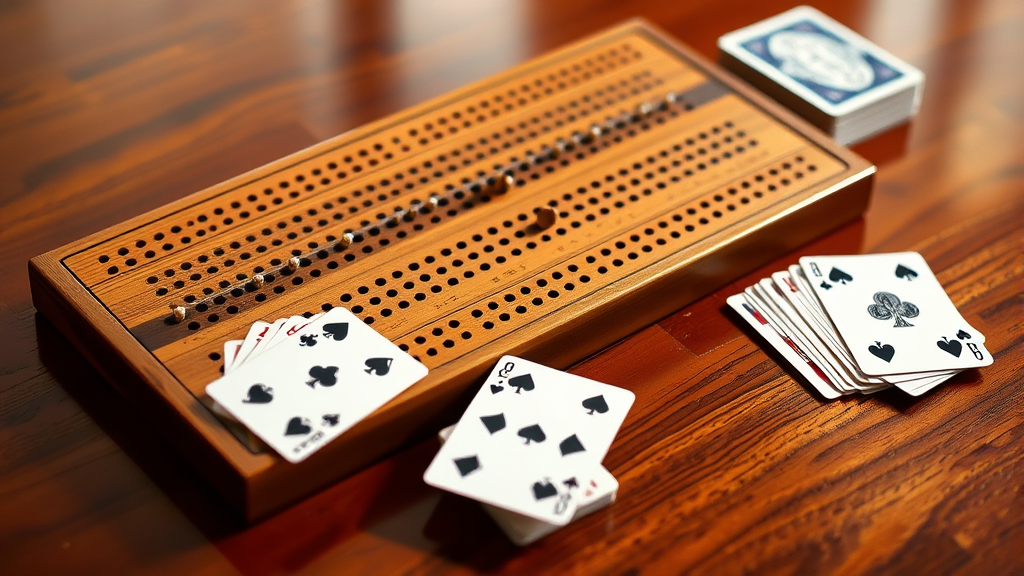
Master Cribbage: Tips to Win Every Game and Impress Friends
Cribbage stands as one of the most beloved card games in history, combining strategy, skill, and a touch of luck in ways that have captivated players for over four centuries. Whether you’re gathering around the kitchen table with family or competing in local tournaments, mastering this classic game will elevate your card-playing reputation and provide countless hours of entertainment.
Learning how to play cribbage effectively requires understanding its unique scoring system, strategic thinking, and proper card management. This comprehensive guide will transform you from a novice into a formidable opponent, giving you the tools and knowledge needed to dominate every game while impressing friends and family with your newfound expertise.
Understanding Cribbage Basics
Cribbage is typically played between two players using a standard 52-card deck and a distinctive wooden scoring board with holes called a cribbage board. The objective is to be the first player to score 121 points through various card combinations and strategic play. Unlike other card games such as how to play spades, cribbage features a unique pegging system that tracks scores throughout the game.
The game consists of multiple hands, each containing two main phases: the play phase and the show phase. During each hand, players receive six cards initially, then discard two cards to create the “crib” – an extra hand that alternates between players. This crib element adds a crucial strategic layer that separates cribbage from simpler card games.
Card values in cribbage differ from their face values in some contexts. Aces are always worth one point, face cards (jacks, queens, kings) are worth ten points each, and numbered cards retain their pip values. Understanding these values is fundamental to calculating combinations and making strategic decisions throughout the game.

Game Setup and Equipment
Setting up a cribbage game requires minimal equipment but proper preparation ensures smooth gameplay. You’ll need a standard deck of cards, a cribbage board, and two pegs for each player. The cribbage board features 120 holes arranged in tracks, with an additional winning hole at the end. Some boards include a game hole and skunk lines at the 90-point mark.
Before dealing, determine who goes first through a cut of the deck – the player with the lower card becomes the first dealer. The dealer shuffles the cards thoroughly and deals six cards to each player, one at a time. After examining their hands, both players select two cards to place face-down in the crib, creating a four-card bonus hand for the dealer.
The non-dealer then cuts the remaining deck, and the dealer turns over the top card of the bottom portion. This card, called the “starter” or “cut card,” plays a crucial role in scoring during the show phase. If the starter is a jack, the dealer immediately scores two points for “his heels.”
Mastering the Scoring System
Cribbage scoring revolves around specific card combinations that occur during play and in hand evaluation. The most fundamental combinations include pairs (two cards of the same rank worth 2 points), runs (consecutive cards worth one point per card), and combinations totaling fifteen (worth 2 points each). Advanced players learn to quickly identify multiple scoring opportunities within single hands.
During the play phase, players alternately place cards while announcing the running total. Points are scored for reaching exactly fifteen or thirty-one, creating pairs, extending runs, or playing the last card. The mathematical precision required is similar to skills needed when learning how to multiply fractions – accuracy and quick calculation are essential.
The show phase involves each player counting their hand plus the starter card for scoring combinations. The non-dealer counts first, followed by the dealer counting their hand and then the crib. Common scoring patterns include “double runs” (run plus a pair), “fifteen-twos,” and “flushes” (all cards of the same suit). Understanding these patterns enables rapid hand evaluation and strategic card selection.
Advanced Winning Strategies
Successful cribbage players develop strategic thinking that extends beyond basic card combinations. Card retention strategy involves keeping cards that work well together while discarding cards that benefit your opponent’s crib minimally. When you’re the dealer, prioritize keeping cards that could create high-scoring combinations with potential crib cards.
Defensive play becomes crucial when your opponent nears victory. Leading with cards that limit your opponent’s scoring opportunities, such as playing a 5 when they’re likely holding face cards, can prevent dangerous combinations. Similarly, avoiding giving up pairs or easy fifteen combinations requires careful attention to previously played cards and remaining possibilities.
Pegging strategy during the play phase can significantly impact game outcomes. Experienced players use techniques like “pegging for position,” where they sacrifice immediate points to set up better scoring opportunities on subsequent plays. Understanding when to play defensively versus aggressively based on the current score situation separates good players from great ones.

Essential Card Combinations
Mastering cribbage requires memorizing key card combinations and their point values. High-scoring hands often contain multiple fifteen combinations, such as holding 7-8 with 5-5 in your hand and a face card as the starter, creating four fifteen-twos for eight points plus the pair for two more. Recognition of these patterns becomes automatic with practice.
The perfect cribbage hand scores 29 points and consists of 5-5-5-J with the fourth 5 as the starter, where the jack matches the starter’s suit. This creates multiple fifteens, three pairs, and a “nobs” (jack of the same suit as starter). While extremely rare, understanding this combination helps players recognize maximum potential in similar holdings.
Crib management requires different strategic considerations than hand play. Since the crib belongs to the dealer, non-dealers should discard cards that minimize crib potential while dealers should consider which discards might enhance their crib. Knowledge of average crib values helps inform these critical decisions throughout the game.
Common Mistakes to Avoid
New cribbage players frequently make counting errors that cost valuable points. Missed scoring combinations, particularly complex fifteen patterns or overlooked runs, can accumulate significant point deficits over multiple hands. Developing systematic counting methods, similar to the precision required when learning how to find the range in mathematics, prevents these costly oversights.
Poor crib strategy represents another common pitfall. Non-dealers who consistently give away high-value cards to their opponent’s crib effectively play at a significant disadvantage. Learning which cards combine well and which are “safe” discards requires experience and knowledge of common scoring combinations.
Inadequate attention to score position leads to tactical errors late in games. Players who fail to recognize when their opponent approaches victory may miss opportunities to play defensively or fail to take necessary risks when trailing significantly. Maintaining awareness of both players’ positions throughout the game enables better strategic decisions.
Tournament Play and Etiquette
Tournament cribbage follows standardized rules established by organizations like the American Cribbage Congress and requires adherence to proper etiquette and procedures. Players must announce scores clearly, allow opponents to verify counts, and maintain appropriate pace of play. Understanding these expectations prepares players for competitive environments beyond casual home games.
Official tournament play typically uses best-of-three or best-of-five formats, with specific time limits and scoring procedures. Players must be familiar with rules regarding misdeals, scoring disputes, and proper board usage. The history and rules of cribbage have evolved over centuries to create the standardized format used in modern competition.
Developing proper cribbage etiquette enhances the game experience for all participants. This includes maintaining consistent dealing procedures, allowing opponents adequate time for counting, and handling disputes respectfully. Good sportsmanship and adherence to traditional customs preserve the game’s rich heritage while fostering positive playing environments.
Mental preparation for tournament play involves practicing under time pressure and developing consistent routines for hand evaluation and card selection. Many successful tournament players develop personal systems for rapid calculation and decision-making that maintain accuracy under competitive stress. Regular practice against strong opponents helps refine these skills and build confidence for tournament competition.
Frequently Asked Questions
How long does a typical cribbage game last?
A standard cribbage game to 121 points typically takes 15-30 minutes depending on player experience and pace. Tournament games with time limits usually complete within 30 minutes, while casual games among beginners may extend longer due to deliberate counting and decision-making.
What happens if I forget to count points during play?
In casual play, missed points during the play phase are generally lost unless immediately noticed. Tournament rules strictly enforce that unclaimed points cannot be retroactively scored after the next card is played. Developing consistent counting habits prevents these costly oversights.
Can I look at my discarded cards in the crib?
No, once cards are placed in the crib, they cannot be examined until the show phase when the dealer counts the crib. Players must remember their discards when making subsequent playing decisions, adding a memory element to the strategic considerations.
What is the difference between regular cribbage and tournament cribbage?
Tournament cribbage follows standardized rules with specific time limits, formal scoring procedures, and strict etiquette requirements. Casual games often allow more relaxed timing and may include house rules, while tournament play adheres to official regulations from governing bodies like the American Cribbage Congress.
How do I improve my cribbage calculation speed?
Practice counting combinations systematically by always counting in the same order: fifteens first, then pairs, runs, and flushes. Regular play against experienced opponents and using online cribbage trainers help develop pattern recognition and automatic calculation skills essential for competitive play.
What should I do when my opponent reaches 100 points?
When your opponent approaches victory, shift to defensive play by avoiding giving up easy points and consider taking calculated risks if you’re trailing significantly. Pay extra attention to potential skunking situations and adjust your strategy based on the point differential and remaining opportunities.
Is there an optimal strategy for crib selection?
Crib selection depends on whether you’re the dealer or non-dealer. Dealers should keep cards that work well together while considering what might help their crib. Non-dealers should prioritize keeping good scoring combinations while discarding cards that are least likely to help their opponent’s crib, such as kings and aces which rarely combine well with other cards.

Related Posts

How Long to Boil Lobster Tails: Cooking Guide

How Long to Fly from New York to London? Travel Times
