
Learn Canasta Rules: Beginner’s Guide to Play
Learn Canasta Rules: Beginner’s Guide to Play
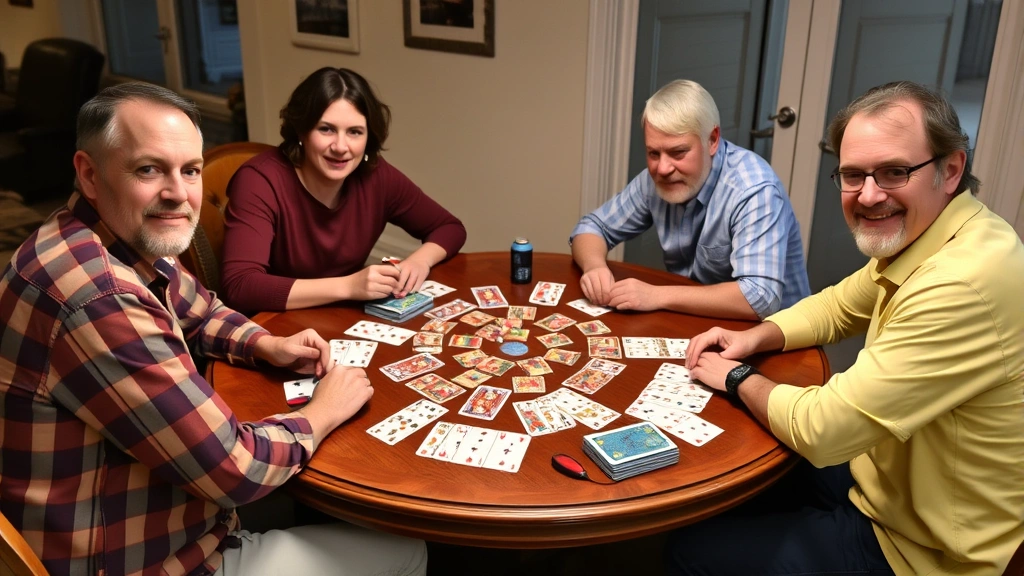
Canasta is a classic rummy-style card game that combines strategy, memory, and quick decision-making into an engaging pastime perfect for family game nights or casual gatherings with friends. If you’re looking to master this beloved game, understanding the fundamental rules and gameplay mechanics is essential. Whether you’re a complete beginner or someone who wants to refresh their knowledge, this comprehensive guide will walk you through everything you need to know to start playing canasta confidently.
The beauty of canasta lies in its balance between simplicity and strategic depth. While the basic rules are straightforward enough for newcomers to grasp within minutes, the game offers enough complexity to keep experienced players engaged. In this guide, we’ll break down the setup, card values, melding requirements, scoring, and special rules that make canasta such a captivating game.
What Is Canasta?
Canasta, which means “basket” in Spanish, is a card game that originated in Uruguay in the 1930s and quickly spread throughout South America and beyond. The game is played with multiple decks of cards and typically involves two to six players, though the most popular version uses four players divided into two partnerships. The primary objective is to form melds—sets of cards of the same rank or sequences of consecutive cards—and accumulate points by creating canastas, which are melds of seven or more cards.
What makes canasta distinctive from other rummy games is the emphasis on creating large melds and the use of wild cards, which significantly impact strategy. The game rewards players who can combine their cards effectively while also penalizing those who fail to go out before opponents complete their hands. If you enjoy how to play bocce ball and other strategic games, you’ll likely appreciate the tactical elements present in canasta.
Game Setup and Deck Requirements
To play canasta, you’ll need the proper setup and equipment. The standard game uses two complete decks of 52 playing cards plus four jokers per deck, totaling 108 cards. Some variations use three or more decks depending on the number of players and house rules being followed.
Setting up the game involves these essential steps:
- Shuffle all decks together thoroughly to ensure random card distribution
- Designate a dealer who will distribute cards to all players
- Have each player draw a card to determine seating arrangements and partnerships; highest card chooses seats
- Place the deck in the center of the table as the stock pile
- Turn over the top card to begin the discard pile next to the stock
Each player receives 15 cards in the initial hand when playing with four players. The dealer distributes cards one at a time, going clockwise around the table. If the first card turned over for the discard pile is a red three, a black three, or a joker, it must be replaced with another card from the stock. Understanding proper how to play canasta setup ensures fair gameplay from the start.
Card Values and Point System
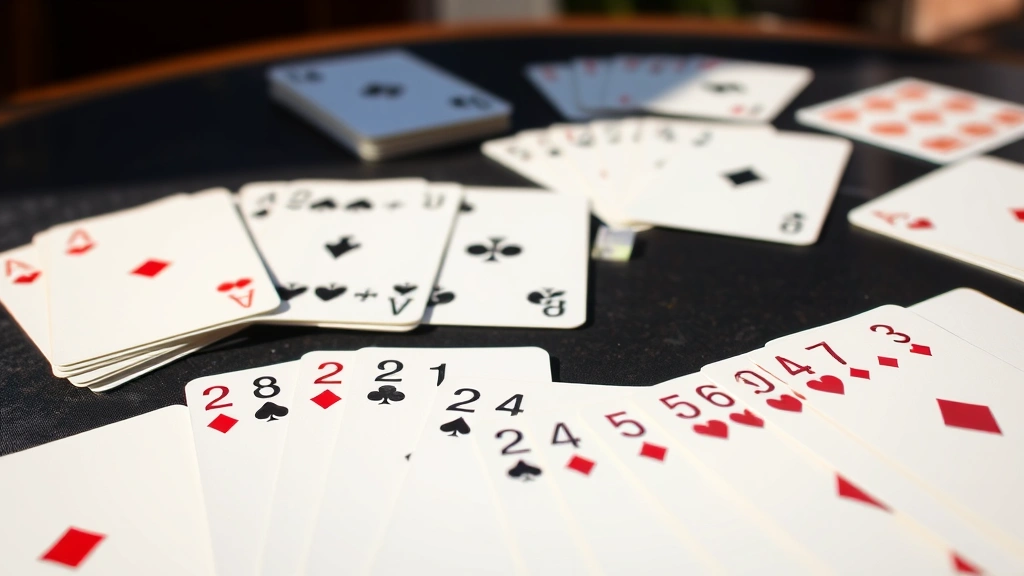
Every card in canasta carries specific point values that determine scoring. Understanding these values is crucial for calculating your final score and making strategic decisions during play.
Card point values break down as follows:
- Jokers: 50 points each
- Twos and Aces: 20 points each
- Eights through Kings: 10 points each
- Fours through Sevens: 5 points each
- Threes: Special cards with varying rules (red threes are bonus cards; black threes cannot be melded)
Wild cards—including all twos and jokers—can represent any rank you need when forming melds. This flexibility makes them invaluable for completing sets and sequences. Red threes are bonus cards that award extra points if melded but carry penalty points if left in your hand at the end of a round. Black threes are defensive cards that block opponents from taking the discard pile.
The point system extends beyond individual card values. Bonuses are awarded for completing canastas (seven-card melds), and additional bonuses apply if your partnership goes out first. These scoring elements create opportunities for strategic play and dramatic point swings.
Understanding Melds and Combinations
Melds form the foundation of canasta strategy. A meld is a combination of three or more cards of the same rank or a sequence of consecutive cards in the same suit. Your goal is to lay down melds on the table during your turn, and subsequent plays can add to existing melds.
Valid meld combinations include:
- Three or more cards of identical rank (such as three Sixes or four Kings)
- Sequences of three or more consecutive cards in the same suit (such as 4-5-6 of hearts)
- Combinations with wild cards substituting for missing ranks in sequences or sets
A canasta is a meld of seven or more cards. Natural canastas contain no wild cards and earn a 500-point bonus. Mixed canastas include one or more wild cards and earn a 300-point bonus. Building canastas requires patience and careful planning, but they represent the highest-value melds and significantly boost your score.
Black threes serve a defensive purpose—they cannot be melded by regular players but can be melded when going out. These cards block the discard pile, preventing opponents from picking it up. Red threes, conversely, are bonus cards that provide 100 points each if your partnership has melded cards but carry a 100-point penalty if they remain in your hand when the round ends.
Gameplay Mechanics and Turn Structure
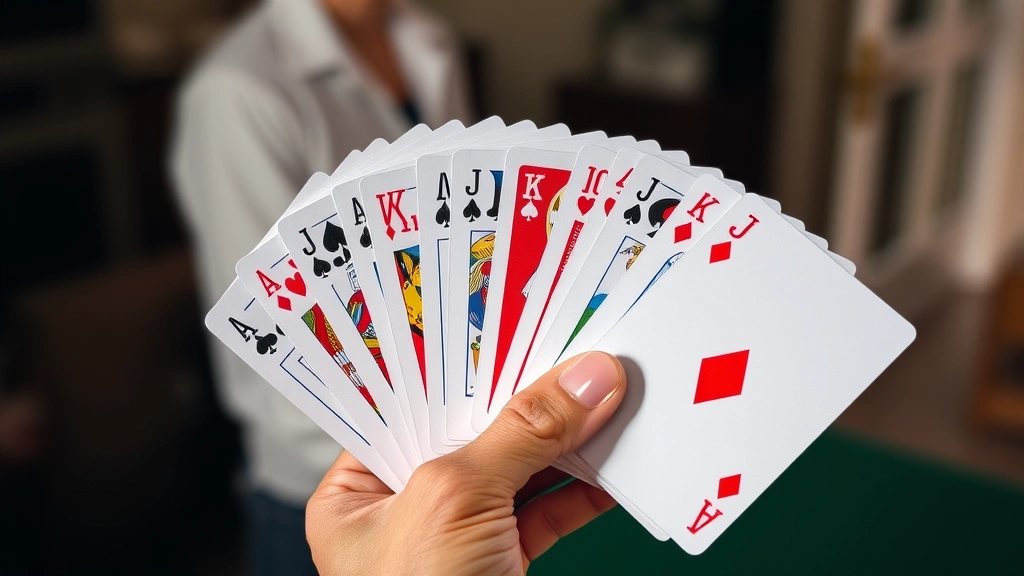
Understanding turn structure is essential for playing canasta correctly. Each turn follows a specific sequence that all players must observe.
A typical turn consists of three phases:
- Draw Phase: Draw either the top card from the stock pile or the entire discard pile if you can use the top card immediately in a meld
- Meld Phase: Lay down new melds or add cards to existing melds on the table
- Discard Phase: Play one card face-up on the discard pile to end your turn
Taking the discard pile requires meeting specific conditions. You must have a pair of cards matching the top card in your hand, or you must be able to meld the top card immediately with a natural pair. Once you take the discard pile, you pick up all cards in it and add them to your hand, giving you access to many more cards for potential melds.
The discard pile becomes “frozen” when a wild card or black three is played on top. A frozen pile can only be taken by a player holding a natural pair (two cards of the same rank, not wild cards) that matches the top card. This rule adds strategic depth, as players must decide when to freeze the pile to block opponents.
Partnership communication is vital in four-player canasta. While explicit discussion of card holdings is prohibited, players may indicate whether they can play on a partner’s melds through established signals or announcements. This teamwork element distinguishes partnership canasta from individual play variants.
Advanced Strategies for Winning
Once you understand basic rules, strategic thinking separates casual players from competitive ones. Successful canasta players balance offensive and defensive play while managing their hand composition.
Key strategic principles include:
- Manage your hand composition: Keep cards that work together and discard cards that don’t contribute to potential melds
- Control the discard pile: Freeze the pile when opponents have strong hands and can use it against you
- Build canastas strategically: Prioritize natural canastas when possible for their 500-point bonus
- Watch opponent patterns: Notice which cards opponents discard to infer their hand composition and strategy
- Time your “going out”: Don’t rush to complete the round; wait until you can maximize bonus points
- Protect red threes: Ensure your partnership melds quickly to secure red three bonuses rather than penalties
Partnership play requires additional considerations. Coordinate with your partner regarding which suits and ranks you’re pursuing. If your partner is building a meld in a particular suit, avoid discarding cards in that suit unless absolutely necessary. Understanding your partner’s playing style and tendencies allows for intuitive collaboration without explicit communication.
Defensive play is equally important. Discard cards that are difficult for opponents to use. Keep black threes for strategic moments when you want to block the discard pile. Monitor your opponents’ melds and try to prevent them from completing high-value canastas by controlling which cards are available.
Scoring and Going Out
Scoring in canasta can seem complex initially, but it follows logical principles once you understand the components. The player or partnership that goes out (plays all cards from their hand) ends the round and scores all points from melds, canastas, bonuses, and opponent penalties.
Scoring components include:
- Meld points: Sum of all point values in melds laid on the table
- Canasta bonuses: 500 points for natural canastas; 300 points for mixed canastas
- Going out bonus: 100 points for the player or partnership that goes out
- Red three bonuses: 100 points each for red threes in melds
- Unmelded card penalties: Points from cards remaining in opponents’ hands are deducted from their score
To go out, you must meld all cards in your hand, including your final discard. Some variants require the melding player to announce “going out” before the final turn. If you go out with a concealed hand (without melding cards until you go out), you earn bonus points. Your partnership must have melded at least one canasta before anyone can go out.
Games typically continue until one partnership reaches a target score, often 5,000 points. Multiple rounds are played with deals rotating clockwise. Final scores are calculated after each round, and cumulative totals determine the ultimate winner. This extended play structure makes canasta suitable for lengthy game sessions and tournaments.
For more details on how to play canasta and other recreational activities, visit our comprehensive guides section where we cover numerous games and hobbies.
External resources like This Old House and Family Handyman focus on home improvement, but many board game retailers like Master of Games provide official canasta rules and tournament information. The Pagat Card Games Archive offers authoritative rules documentation, and Bicycle Playing Cards publishes official game rules for numerous card games including canasta variants.
Frequently Asked Questions
What is the minimum number of points needed to make the initial meld?
The minimum point requirement for your partnership’s first meld increases as the game progresses. Initially, melds must total at least 50 points. If your partnership reaches 3,000 points, the requirement increases to 90 points. Above 5,000 points, initial melds must total 120 points. This rule ensures that players can’t go out immediately with low-value cards.
Can you play canasta with two players?
Yes, two-player canasta exists and uses modified rules. Each player receives 15 cards instead of 11, and both players draw two cards per turn instead of one. The basic gameplay remains similar, but partnership dynamics are eliminated. Two-player canasta moves faster and suits intimate game sessions.
What happens if the stock pile runs out of cards?
If the stock pile is depleted and a player cannot or chooses not to take the discard pile, that player draws from the discard pile instead. If the discard pile is also empty, the round ends immediately. Any player with cards remaining in their hand scores negative points equal to their unmelded cards’ values.
Are there variations of canasta rules?
Numerous canasta variations exist worldwide. Hand canasta, samba, bolivia, and Brazilian canasta each introduce unique rules and card combinations. Some variations allow seven-card hands instead of 15, while others modify wild card usage. Learning standard canasta first provides an excellent foundation for exploring these variations.
How do you handle discarding when you have only wild cards left?
Wild cards can be discarded like any other card, but doing so is risky since opponents may use them in melds. Strategic players typically save wild cards for completing melds rather than discarding them. If forced to discard wild cards, consider whether blocking the discard pile is worth the risk.
What is a “concealed hand” in canasta?
A concealed hand occurs when a player melds all their cards in a single turn without having previously melded any cards. This accomplishment earns a 100-point bonus in addition to regular scoring. Achieving a concealed hand requires careful planning and fortunate card draws, making it a celebrated moment in gameplay.

Related Posts

Superscript in Google Docs: Expert Tips

Strikethrough in Excel: Easy Steps for Beginners
