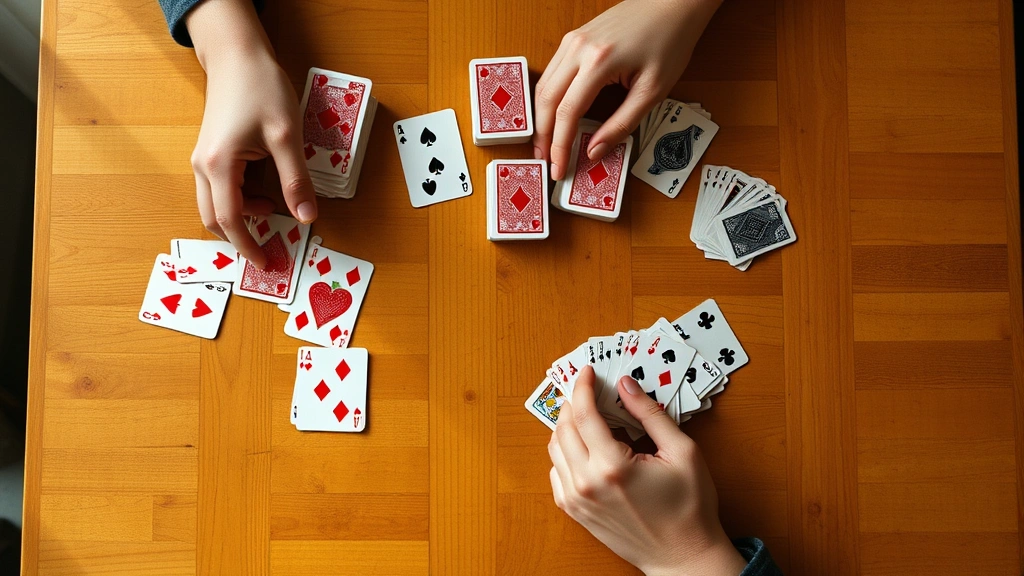
Can You Master Canasta? Expert Tips to Win
Can You Master Canasta? Expert Tips to Win
Canasta is a captivating card game that blends strategy, skill, and a dash of luck. Whether you’re hosting game night with friends or looking to sharpen your competitive edge, mastering canasta can elevate your entertainment experience and boost your winning potential. This timeless rummy-style game has entertained millions since its invention in Uruguay in 1939, and it remains popular in social circles and competitive tournaments worldwide.
Learning how to play canasta might seem daunting at first, but with proper guidance and practice, you’ll soon find yourself making strategic melds, managing your hand effectively, and outsmarting opponents. The game rewards patience, observation, and tactical thinking. In this comprehensive guide, we’ll walk you through everything you need to know—from basic rules to advanced winning strategies that will transform you from a casual player into a formidable competitor at the card table.
Canasta Game Basics and Setup
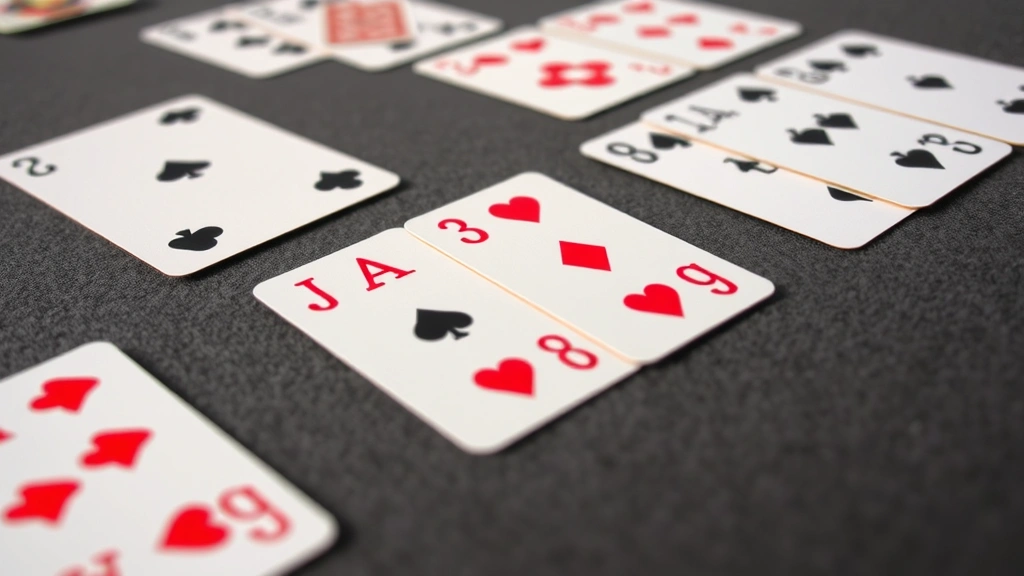
Before diving into gameplay, you need to understand the fundamental structure of canasta. The game uses two standard decks of 52 cards plus four jokers per deck, totaling 108 cards. Players typically play in partnerships of two, though variations exist for three, four, or five players. The primary objective is to form melds—combinations of cards of the same rank—and accumulate points while blocking your opponents from doing the same.
Setting up the game is straightforward. Shuffle all cards thoroughly and deal eleven cards to each player, one at a time. Place the remaining deck face-down in the center as the stock pile. Flip the top card next to the stock to start the discard pile. If that card is a wild card (joker or deuce), flip additional cards until you reveal a natural card. This initial setup ensures fairness and prevents any single player from having an unfair advantage.
Understanding partnerships is crucial in canasta. Partners sit opposite each other and work together to achieve the highest combined score. Communication and strategic coordination between partners can significantly impact your success. If you’re looking to expand your game night repertoire, you might also enjoy learning how to play bocce ball, another excellent partner-based recreational game.
Understanding Card Values and Melds
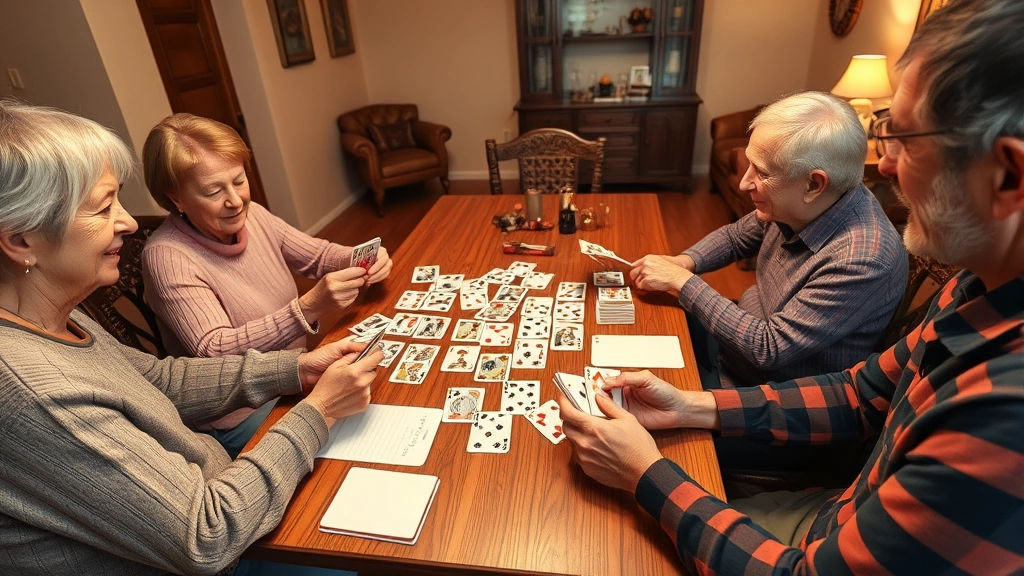
In canasta, cards hold specific values that determine your scoring potential. Number cards (3-9) are worth their face value. Tens, jacks, queens, and kings are worth ten points each. Aces can be worth either one or eleven points depending on how you use them in your meld. Red threes (hearts and diamonds) are special scoring cards worth 100 points each. Black threes (clubs and spades) have restricted uses and are worth five points.
Jokers and deuces function as wild cards, capable of representing any rank to complete melds. However, wild cards must be fewer than natural cards in any meld. This rule prevents players from creating entirely artificial combinations. Understanding when to deploy wild cards strategically—versus saving them for critical moments—separates novice players from seasoned competitors.
A valid meld consists of at least three cards of the same rank, with natural cards comprising the majority. For example, you can meld three eights, four eights with one wild card, or seven eights with two wild cards. Once a meld is laid on the table, you or your partner can add matching cards to it during future turns. A canasta is a special meld containing seven or more cards of the same rank, earning bonus points and significant strategic advantages.
Turn Structure and Drawing Rules
Each turn follows a specific sequence that maintains game flow and fairness. The player to the dealer’s left goes first, then play proceeds clockwise. On your turn, you must draw one card from either the stock pile or the discard pile. Drawing from the discard pile requires meeting specific conditions: you must be able to use the top card immediately in a meld, and you must take the entire discard pile into your hand.
After drawing, you may lay down melds if you haven’t already melded this hand. Your initial meld must meet a minimum point requirement: 15 points if your team hasn’t melded yet, 20 points if you’ve melded previously, or 25 points if your team is trailing by 3,000 or more points. This escalating requirement adds strategic depth and prevents early domination by one team.
After melding or choosing not to meld, you must discard one card face-up onto the discard pile. This card becomes available for the next player. Discarding strategically—choosing cards that won’t help opponents—is as important as the melds you create. Freezing the discard pile by discarding a black three prevents the next player from drawing from the pile, forcing them to draw from the stock instead.
Scoring System Explained
Canasta employs a complex but rewarding scoring system that encourages aggressive play and partnership collaboration. After all players have exhausted their hands (or cannot continue), you calculate points. Add up all cards in your melds, including cards added by partners. Red threes contribute 100 points each if your team has melded; if you have them but haven’t melded, they count as negative 100 points each.
Canastas—melds of seven or more cards—earn bonus points. A natural canasta (all natural cards) is worth 500 bonus points. A mixed canasta (containing wild cards) is worth 300 bonus points. Going out (eliminating all cards from your hand) earns a 100-point bonus. Going out concealed (laying down all cards in one turn without previous melds) earns 200 bonus points. These bonuses can swing the game dramatically in the final rounds.
Subtract points for cards remaining in your hand. Number cards are worth their face value, face cards are worth ten points, aces are worth either one or eleven points, and wild cards are worth fifteen points. The team with the highest score at the end of the hand wins those points. Games typically continue until one team reaches 5,000 points, though variations exist for shorter or longer games.
Strategic Tips for Winning
Winning at canasta requires more than understanding rules—it demands strategic thinking and adaptability. Manage your hand composition carefully. Keep cards that work together, holding onto pairs and triples that can form melds. Avoid holding too many high-value cards without meld potential, as they’ll cost you points if you’re stuck with them.
Control the discard pile strategically. Experienced players use discard pile management to their advantage. If the pile grows large, it becomes valuable real estate. Conversely, if you hold cards that match the top discard, you can draw the entire pile into your hand, gaining options and denying opponents access. Freeze the pile with black threes when it benefits you, but never freeze it carelessly.
Pay close attention to what cards opponents have discarded and melded. This information reveals their hand composition and strategic direction. If an opponent discards all their sevens early, they’re unlikely to hold sevens. If a partner repeatedly discards specific ranks, they’re signaling weakness in those areas. Experienced FixWiseHub guides to various games emphasize observation as a cornerstone skill.
Balance offensive and defensive play. Sometimes preventing opponents from melding is more valuable than rushing to complete your own melds. If opponents need one more card to go out and earn bonuses, blocking that card from the discard pile protects your team’s score. Conversely, when you have significant melds available, capitalize on them before opponents can build their own strategies.
Communicate with your partner through legal means. While direct conversation about specific cards violates rules in tournament play, your meld choices and discard patterns communicate intentions. Experienced partners develop intuitive understanding of each other’s strategies through consistent play.
Common Mistakes to Avoid
Even skilled players occasionally make costly errors that undermine their winning potential. Avoid melding too early with insufficient point value. Meeting minimum meld requirements is important, but melding prematurely telegraphs your hand’s composition and limits your flexibility. Sometimes holding back one more turn allows you to meet requirements with a stronger meld that provides better strategic positioning.
Don’t freeze the discard pile without purpose. Black threes are valuable defensive tools, but discarding them thoughtlessly wastes their potential. Freeze the pile only when it genuinely benefits your team—either by preventing opponents from drawing a valuable pile or when you’re confident you’ll benefit from the next draw sequence.
Resist the urge to pick up large discard piles indiscriminately. Just because you can take the pile doesn’t mean you should. Large piles often contain cards your opponents deliberately discarded because they don’t fit their strategy. Evaluate whether the pile’s contents genuinely strengthen your hand or merely dilute it with useless cards.
Never neglect red threes. These special cards are worth 100 points each but only if your team has melded. Players sometimes ignore red threes, leaving them in their hands at game’s end, converting them to negative points. Prioritize getting red threes into melds or safely into completed canastas.
Avoid playing predictably. Opponents quickly learn your patterns if you consistently discard the same ranks or meld in identical sequences. Vary your strategy, change your discard priorities, and keep opponents guessing about your hand’s composition. Unpredictability creates defensive opportunities.
Advanced Techniques for Experienced Players
Once you’ve mastered basic canasta strategy, advanced techniques separate elite players from the competition. Develop hand reading skills. Expert players track every card played and discarded, mentally reconstructing opponents’ likely holdings. By remembering which cards have left the game, you can deduce what remains in stock and in opponents’ hands, making your decisions more informed.
Master the art of the false signal. Experienced players intentionally discard cards that appear to indicate weakness in a suit while actually holding strength. This misdirection causes opponents to make poor decisions based on false assumptions. For instance, discarding a seven early might suggest you don’t have seven-heavy melds when actually you’re holding several sevens in reserve.
Optimize wild card deployment. Advanced players understand that wild cards’ true value lies in their flexibility. Rather than using them immediately, holding wild cards provides options for future turns. However, you must balance this against the risk of being caught with wild cards when the hand ends. Tournament-level play involves calculating probabilities of completing hands with and without wild cards.
Exploit partnership advantages. In partnership canasta, your partner’s melds create opportunities for your hand. If your partner has melded sevens, adding your sevens to that meld requires only one card from your hand. Coordinate with your partner to build melds that both players can contribute to, multiplying your combined scoring potential.
Understand game state dynamics. The optimal strategy changes based on current scores, cards remaining in the deck, and hands’ remaining size. When trailing significantly, aggressive play and high-risk moves become necessary. When leading, defensive positioning and conservative play protect your advantage. Adapting strategy to game state separates masters from casual players.
For those interested in expanding their strategic game knowledge, consider exploring how to make a paper airplane for entertaining breaks between game sessions, or dive deeper into our complete canasta guide for additional nuanced strategies.
Frequently Asked Questions
What’s the difference between canasta and rummy?
While both are rummy-style games involving melds, canasta uses larger decks, requires larger melds (minimum three cards), and employs more complex scoring systems. Canasta emphasizes partnership play and accumulating high scores, while traditional rummy focuses on being the first to eliminate your hand.
Can you play canasta with fewer than four players?
Yes, canasta adapts to different player counts. Three-player canasta eliminates one player’s partnership, making it competitive. Two-player canasta uses a modified deck and adjusted rules. Five-player variants exist where one player sits out each hand. However, four-player partnership canasta remains the standard format.
What happens if you pick up the discard pile incorrectly?
In casual play, you typically correct the error and follow proper procedure. In tournament play, penalties may apply. Always verify you can meld the top discard card before committing to picking up the entire pile. If you’re unsure, draw from the stock instead.
How many red threes can you have?
You can have any number of red threes, but each counts as 100 points only if your team has melded. Red threes not in melds count as negative 100 points each at hand’s end. Strategic players work to meld red threes as quickly as possible to secure their point value.
Is there a time limit for deciding which card to discard?
In casual play, no formal time limit exists, though players appreciate reasonable decision-making pace. Tournament play typically enforces time limits (often 30-60 seconds per turn) to maintain game flow. Experienced players develop faster decision-making skills through practice.
What’s the best strategy for going out?
Going out requires laying down all remaining cards in valid melds. The 100-point bonus for going out is substantial, but only attempt it when confident in your melds’ validity. Going out concealed (all cards in one turn) earns 200 points but requires holding a nearly complete hand. Generally, secure the standard 100-point bonus rather than risking invalid melds.

Related Posts

Program a Key Fob? Expert Tips & Guide
Prevent Razor Bumps: Expert Tips for Smooth Shaving