
How to Measure Girth: Accurate Method Explained
How to Measure Girth: Accurate Method Explained
Whether you’re shopping for fitted clothing, ordering custom garments online, or simply curious about your body measurements, knowing how to measure girth accurately can save you from the frustration of ill-fitting purchases and awkward returns. Girth measurements are fundamental to getting the right fit across various clothing categories, from shirts and jackets to specialized garments. Yet surprisingly, many people approach this task haphazardly, leading to inconsistent results and sizing confusion.
The beauty of mastering girth measurement lies in its simplicity. With just a flexible measuring tape and a few minutes, you can obtain precise measurements that will serve as your personal sizing reference. This guide walks you through the process with clarity and precision, ensuring you understand not just the “how,” but the “why” behind each step.
Unlike other body measurements such as how to measure bust or how to measure waist, girth measurements can vary slightly depending on the specific body part being measured. Understanding the nuances helps you achieve consistency and reliability in your measurements.
What Is Girth and Why It Matters
Girth refers to the circumference or distance around a specific body part or object. In the context of body measurements, it’s the measurement taken horizontally around a particular area—think of it as wrapping a measuring tape completely around something and recording the total distance. This differs from length measurements, which run from point A to point B in a straight line.
Understanding girth is crucial for multiple reasons. First, it determines how clothing fits around your body. A shirt with the correct girth measurement will feel comfortable and flattering, while one that’s too tight restricts movement and looks unflattering, and one that’s too loose appears sloppy and shapeless. Second, girth measurements are essential for health tracking and fitness progress. Many people monitor changes in girth as they work toward fitness goals. Third, for specialized items like how to measure ring size or custom-fitted equipment, accurate girth measurements ensure proper function and comfort.
The relationship between girth and fit extends beyond casual wear. Professional tailors, costume designers, and athletic equipment manufacturers all rely on precise girth measurements to create garments and gear that perform as intended. When you take time to measure your girth accurately, you’re investing in better shopping decisions and long-term satisfaction with your purchases.
Essential Tools for Measuring
Before you begin measuring, gather the right equipment. Quality tools make the process easier and more accurate, reducing the likelihood of errors that could lead to poor-fitting garments.
Flexible Measuring Tape: This is your primary tool. A soft, flexible measuring tape (often made of plastic or cloth) is essential because it conforms to the body’s contours. Unlike rigid rulers or metal tapes, a flexible measuring tape wraps smoothly around curves without gaps or distortions. Look for one with clear markings in both inches and centimeters for versatility.
Mirror: A full-length mirror helps you see exactly where you’re placing the tape and ensures it’s positioned correctly. You can also use a mirror to verify that the tape is level and parallel to the ground, which is crucial for consistency.
Proper Clothing: Wear fitted clothing or nothing at all (depending on comfort level and the measurement location). Thick sweaters or baggy clothing will skew your measurements. Many people prefer to measure while wearing minimal clothing to ensure accuracy. If you’re measuring for clothing purchases, wear undergarments similar to what you’ll wear with the final garment.
Notepad or Notes App: Write down your measurements immediately after taking them. Memory is unreliable, and documenting results prevents confusion if you need to remeasure later.
Second Person (Optional but Helpful): While you can measure yourself, having someone else assist ensures the tape is positioned correctly and remains level throughout the measurement. This is particularly helpful for back measurements or hard-to-reach areas.
Step-by-Step Measurement Guide
Now that you’re equipped with the right tools, let’s walk through the actual measurement process. This method ensures consistency and accuracy every time you measure.
Preparation Steps
Start by standing in front of your mirror in a relaxed, natural posture. Avoid holding your breath or tensing your muscles, as this artificially inflates measurements. Stand with your feet shoulder-width apart and your arms at your sides. This neutral stance provides a baseline that you can replicate on future measurement dates.
If you’re measuring someone else, have them stand in this same relaxed position. Consistency in posture between measurements is more important than achieving a “perfect” stance—the goal is reproducibility.
Positioning the Measuring Tape
Hold the measuring tape loosely around the body part you’re measuring. The tape should be snug enough that it doesn’t slip, but not so tight that it compresses the skin or muscle. A common mistake is pulling the tape too firmly, which reduces the measurement and doesn’t reflect how clothing will actually fit.
Think of the tape like a piece of string that would naturally fall around the body part. It should follow the body’s natural contours without being forced. If you’re measuring your chest, the tape should sit horizontally across the fullest part. If measuring your thigh, it should wrap around the thickest section.
Reading the Measurement
Once the tape is positioned correctly, locate where the tape overlaps itself. Read the number where the end of the tape meets the beginning. Record this number, making sure you’re reading from the same measurement system (inches or centimeters) consistently. If the measurement falls between two numbers, round to the nearest half-inch or half-centimeter.
For maximum accuracy, take the measurement three times and average the results. Small variations are normal, but averaging gives you a more reliable figure that accounts for minor positioning differences.
Common Girth Measurements Explained
Different body parts require slightly different measurement techniques. Understanding these variations ensures you’re measuring correctly for specific purposes.
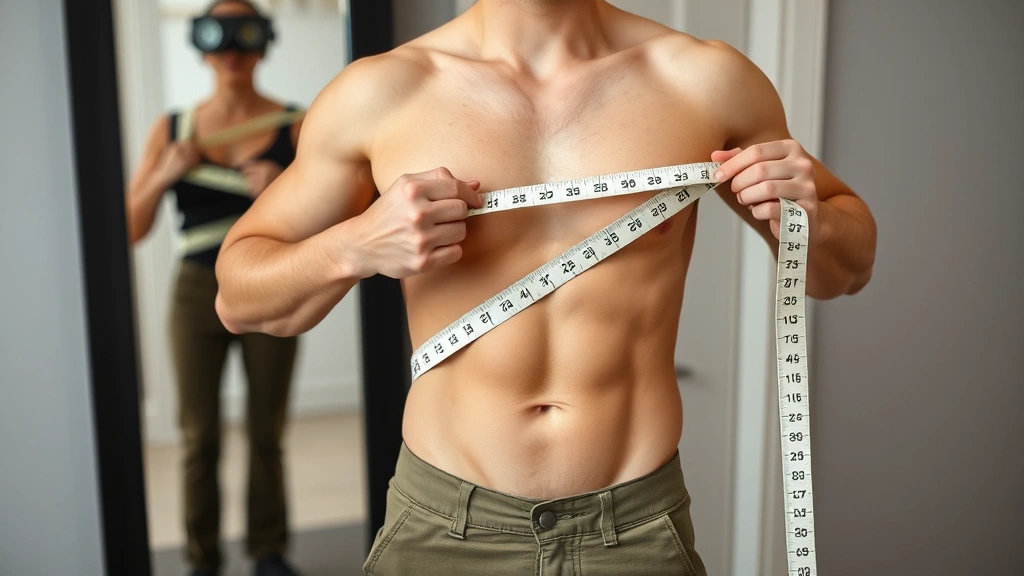
Chest/Bust Girth: This is measured around the fullest part of your chest or bust. Stand with your arms relaxed at your sides, and wrap the tape horizontally around your body at the level of your nipples (or the fullest part of the bust for women). Keep the tape parallel to the ground. This measurement is crucial for shirt, jacket, and sweater sizing. If you need additional context, our guide on how to measure bust provides detailed information specific to bust measurements.
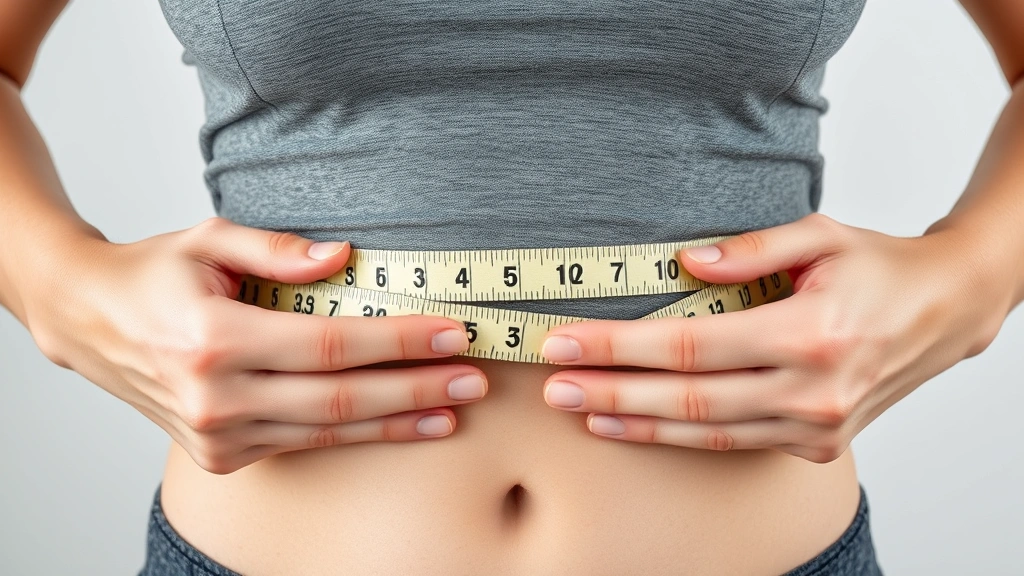
Waist Girth: Locate your natural waistline—typically where your body bends when you lean to the side. Wrap the tape horizontally around this area, keeping it snug but not compressing your stomach. Many people measure their waist with the tape too high or too low, so take a moment to identify your true waistline. For comprehensive guidance, check out our article on how to measure waist for additional techniques and tips.
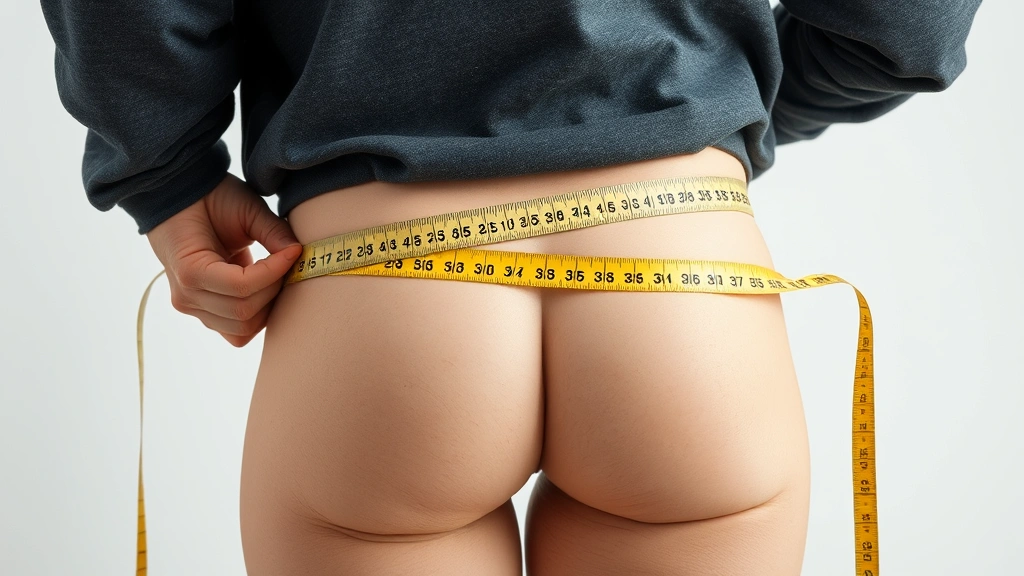
Hip Girth: Stand with your feet together and measure around the fullest part of your hips and buttocks. This is typically about 7-9 inches below your waist, though this varies by body type. The tape should remain parallel to the ground. Our detailed resource on how to measure hips offers more specific information for this measurement.
Thigh Girth: Measure around the fullest part of your thigh, typically a few inches below the hip. Keep your leg relaxed and the tape horizontal. This measurement is important for pants fit, especially for athletic or tailored styles.
Arm/Bicep Girth: Measure around the fullest part of your upper arm while your arm is relaxed at your side. This matters for sleeve fit and is particularly important for athletic wear or custom tailoring.
Calf Girth: Measure around the fullest part of your calf muscle. This is helpful for boot sizing and athletic gear fitting.
Tips for Accurate Measurements
Achieving consistent, accurate measurements requires attention to detail and a systematic approach. These tips will help you get reliable results every time.
Measure at the Same Time of Day: Body measurements can fluctuate throughout the day due to water retention, meals, and exercise. For consistency, measure yourself at the same time each day, preferably in the morning before eating or exercising. This minimizes variables that could skew your results.
Wear Consistent Clothing: If you’re measuring yourself regularly to track progress, wear similar clothing each time. Thick fabrics add bulk that affects measurements, so stick with fitted basics when measuring. Better yet, measure in minimal clothing for maximum accuracy.
Keep the Tape Level: This is one of the most common mistakes. A tape that tilts up or down on one side will give you inaccurate results. Use your mirror to verify that the tape is parallel to the ground at all points around the body part.
Don’t Compress the Skin: The tape should be snug enough to stay in place but loose enough that you could slide a finger underneath. Pulling too tightly artificially reduces your measurement and doesn’t reflect actual fit.
Measure Multiple Times: Take at least two measurements of each body part, ideally three. If they vary significantly (more than a quarter-inch), investigate why. Differences might indicate improper tape positioning. Average your results for a final figure.
Use the Same Measuring Tape: Different tapes can have slight variations in their markings or material stretch. For tracking progress over time, use the same tape consistently. If you must switch tapes, remeasure everything with the new one to establish a new baseline.
Consider Body Composition Changes: Remember that girth measurements reflect both muscle and fat. If you’re exercising and building muscle, your girth might increase even if you’re losing fat. For fitness tracking, combine girth measurements with other metrics like how clothes fit or body composition analysis.
Recording and Using Your Measurements
Taking measurements is only half the battle; using them effectively is where the real value lies. Here’s how to maximize the benefit of your newly acquired measurements.
Create a Personal Measurement Chart: Write down all your measurements in one place. Include the date, time of day, and any relevant notes (such as “post-workout” or “after eating”). This creates a reference document you can consult when shopping or tracking progress. Many people find it helpful to photograph this chart or store it digitally for easy access while shopping.
Compare with Size Charts: When shopping online, always consult the retailer’s size chart before purchasing. Compare your measurements with their guidelines rather than relying on standard sizing, which varies significantly between brands. Different manufacturers have different standards, so what’s a medium in one brand might be a large in another.
Share with Tailors and Designers: If you work with a tailor or custom designer, provide them with your accurate measurements. This ensures they create garments that fit your body perfectly rather than relying on visual assessment alone. For specialized work like how to increase girth size permanently through fitness or body composition changes, keeping historical measurement data helps track progress over months or years.
Track Fitness Progress: If you’re working toward fitness goals, measure yourself monthly and compare results. Many people find that girth measurements provide more meaningful feedback than scale weight, especially if they’re building muscle. A stable or decreasing waist girth combined with stable or increasing chest girth might indicate positive body composition changes even if weight remains constant.
Adjust Measurements for Different Purposes: Understand that measurements for different purposes might vary slightly. For example, when measuring for clothing, you might want a slightly looser fit in the chest, while for tight athletic wear, you’d measure more snugly. Adjust your expectations based on the intended use of the garment.
For additional context on related measurements, understanding how to how to measure inseam complements your girth measurements for complete sizing information. A well-fitting garment requires both circumference and length measurements working in harmony.
Frequently Asked Questions
Should I measure over clothing or bare skin?
For the most accurate measurements, measure directly on bare skin or very thin, fitted clothing. Thick fabrics add bulk that distorts your true measurements. However, if you’re measuring for a specific garment that will be worn over certain clothing (like measuring for a coat to wear over sweaters), you might add a small amount to account for layers. For standard body measurements, bare skin is always most accurate.
How often should I measure myself?
This depends on your purpose. If you’re tracking fitness progress, measuring monthly provides enough time to see meaningful changes without obsessing over daily fluctuations. For shopping purposes, measure whenever you suspect your size has changed significantly—perhaps after major weight changes or seasonal variations. For one-time clothing purchases, a single accurate measurement is sufficient.
What if my measurements don’t match standard sizes?
Many people have measurements that don’t align perfectly with standard sizing charts. This is completely normal. Use your actual measurements when shopping online, and don’t assume you know your size based on previous purchases. If you consistently fall between sizes, consider your lifestyle—if you prefer a more relaxed fit, size up; if you prefer fitted clothing, size down. Custom tailoring is also an excellent option for those whose measurements don’t align with standard sizing.
Can girth measurements change significantly?
Yes, girth measurements can change for several reasons: weight gain or loss, muscle gain or loss, hormonal fluctuations, and water retention. This is why consistency in measurement timing and conditions is important. Significant changes might warrant new measurements, but minor fluctuations (a quarter-inch or less) are normal and expected.
Is there a difference between girth and circumference?
In practical terms, these words are used interchangeably when discussing body measurements. Both refer to the distance around a body part. Technically, circumference is the mathematical term for the distance around a circle, while girth is the practical measurement of that distance around a body part. For your purposes, they mean the same thing.
Why do my measurements vary each time I measure?
Small variations (quarter-inch or less) are normal and due to factors like tape positioning, muscle tension, and hydration levels. If you’re seeing larger variations, check your technique: ensure the tape is level, not pulled too tightly, and positioned at the same location each time. Measuring multiple times and averaging your results minimizes these variations.
Should I measure while standing or sitting?
For consistency, always measure in the same position. Standing is the standard for most body measurements because it’s how clothing will fit when you’re wearing it. The exception is when measuring for specific purposes like sports equipment or medical assessments, where you’d follow the specific guidelines for those situations.
How do I measure girth for someone else?
Have the person stand in a relaxed, neutral position with their arms at their sides (or positioned as appropriate for the measurement). Position the tape around the specified body part, ensuring it’s level and snug without compressing skin. It’s often easier to have the person help guide the tape to the correct position while you read the measurement. Take multiple measurements for accuracy, just as you would when measuring yourself.

Related Posts

How Long to Boil Lobster Tails: Cooking Guide

How Long to Fly from New York to London? Travel Times
