
Make Ramen Eggs at Home: Chef-Approved Recipe
Make Ramen Eggs at Home: Chef-Approved Recipe
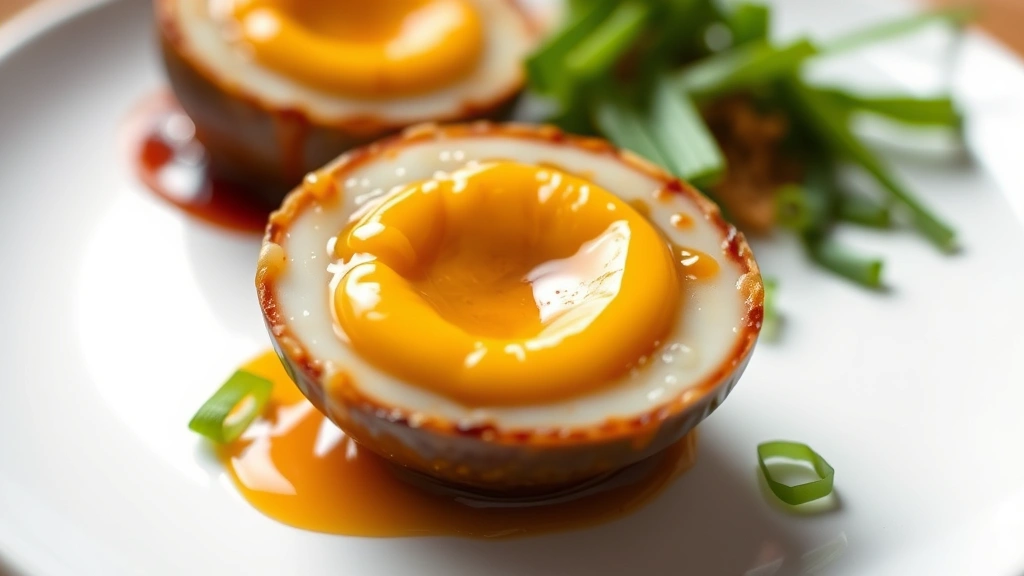
Ramen eggs, known as ajitsuke tamago in Japanese cuisine, are a culinary staple that transforms a simple boiled egg into a restaurant-quality delicacy. These perfectly marinated eggs feature a jammy, custard-like yolk and a savory exterior that makes them the ideal topping for ramen bowls, rice dishes, and Asian-inspired meals. Learning how to make ramen eggs at home is easier than you might think, and once you master this technique, you’ll never settle for plain eggs again.
The beauty of homemade ramen eggs lies in their versatility and the impressive results they deliver with minimal effort. Whether you’re preparing a complete ramen bowl or simply looking to elevate your breakfast game, these eggs offer restaurant authenticity without the restaurant price tag. The key to success involves understanding proper timing, temperature control, and marinade balance—elements we’ll explore in comprehensive detail throughout this guide.
What Are Ramen Eggs?
Ramen eggs represent a Japanese culinary technique that combines soft-boiling with marinating to create an egg with a distinctive appearance and flavor profile. The characteristic dark brown exterior contrasts beautifully with the creamy, partially set yolk inside, making these eggs visually striking as well as delicious. Unlike hard-boiled eggs, ramen eggs maintain a soft, almost runny center that adds richness to broths and complements noodles perfectly.
The preparation method distinguishes ramen eggs from other boiled egg preparations. Rather than cooking eggs until completely set, you aim for a precise doneness that leaves the yolk jammy and the whites fully cooked. This requires careful timing and immediate ice bath treatment to halt the cooking process at exactly the right moment. The marinade then infuses the eggs with umami-rich flavors over several hours or overnight.
These eggs work wonderfully in various dishes beyond traditional ramen bowls. Consider adding them to onigiri rice balls for added protein, or serving them alongside pickled red onions as part of a Japanese-inspired charcuterie board. Their versatility extends to breakfast applications, where they pair beautifully with toast, rice, or grain bowls.
Essential Ingredients and Equipment
Creating perfect ramen eggs requires only a handful of quality ingredients and basic kitchen equipment. The ingredient list is straightforward, but each component plays an important role in developing the final flavor profile. Understanding these elements helps you make informed adjustments based on personal preferences and dietary needs.
Core Ingredients:
- Large eggs (room temperature for even cooking)
- Soy sauce (preferably low-sodium to control salt levels)
- Mirin (sweet rice wine that adds subtle sweetness and shine)
- Rice vinegar (optional but recommended for brightness)
- Water (filtered or distilled for cleaner flavor)
- Garlic cloves (minced or sliced for aromatic depth)
- Fresh ginger (thin slices for warm spice notes)
- Green onions (for garnish and subtle onion flavor in marinade)
- Red chili peppers or sriracha (optional for heat)
Equipment Needed:
- Medium saucepan with lid for boiling eggs
- Large bowl filled with ice water for shocking eggs
- Measuring cups and spoons for precise ingredient ratios
- Small saucepan for heating marinade components
- Shallow container or mason jar for marinating eggs
- Slotted spoon for safely handling eggs
- Timer for accuracy during cooking
Investing in quality soy sauce significantly impacts your final result. This Old House may focus on home construction, but the principles of using quality ingredients apply universally to any DIY project, including cooking. Look for naturally fermented soy sauce rather than chemically produced versions, as the depth of flavor proves worth the modest premium.
Step-by-Step Cooking Instructions
Mastering the timing and technique for cooking ramen eggs ensures consistent, restaurant-quality results every single time. Follow these detailed steps carefully, paying particular attention to temperature management and timing precision.
Step 1: Prepare Your Setup
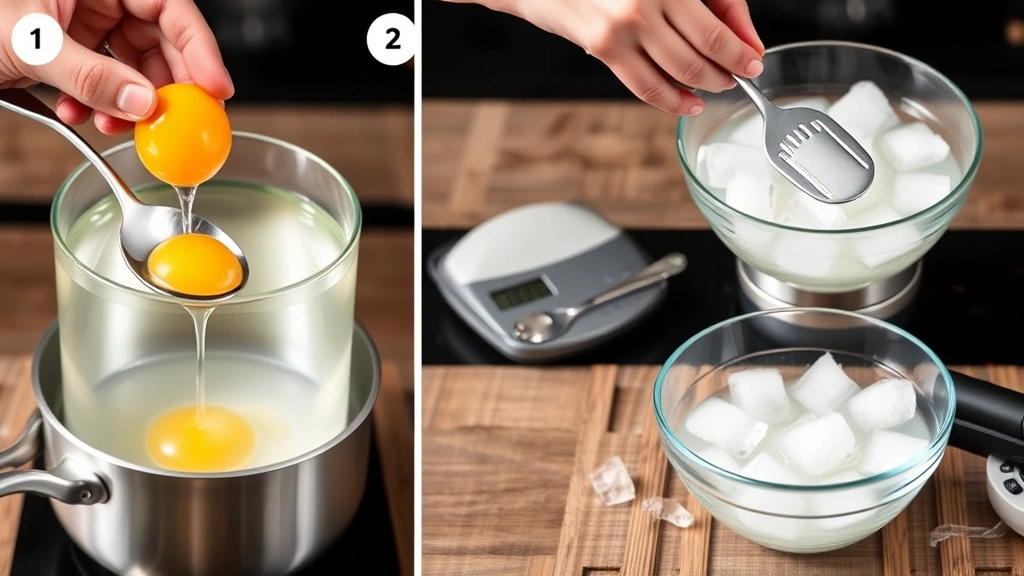
Before beginning, fill a large bowl with ice water and place it near your cooking station. This ice bath is crucial for stopping the cooking process immediately when your eggs reach the perfect doneness. Remove eggs from the refrigerator and allow them to sit at room temperature for approximately 10 minutes. Room temperature eggs cook more evenly and peel more easily than cold eggs straight from the refrigerator.
Step 2: Boil Water
Fill a medium saucepan with enough water to cover eggs by approximately one inch. Bring water to a rolling boil over high heat. The amount of water matters because it influences cooking temperature stability. Too little water causes temperature to drop significantly when you add eggs, resulting in uneven cooking.
Step 3: Add Eggs Carefully
Once water reaches a vigorous boil, gently lower eggs into the pot using a spoon. Lower them carefully to prevent cracking from thermal shock. Maintain the boil after adding eggs—this ensures consistent cooking and proper white firmness. Start your timer immediately.
Step 4: Cook for Precise Timing
The exact cooking time depends on your desired yolk consistency. For jammy ramen eggs with a runny center, cook for exactly 6 to 7 minutes. At 6 minutes, the yolk remains quite runny and custardy. At 7 minutes, the yolk firms slightly while maintaining a soft, creamy center. Most chefs prefer the 6.5-minute mark as the sweet spot. If you prefer firmer yolks, extend to 8 minutes, though this moves away from traditional ramen egg texture.
Step 5: Ice Bath Treatment
When your timer sounds, immediately transfer eggs to the ice bath using a slotted spoon. The ice bath stops cooking instantly and prevents the gray-green ring from forming around the yolk. Leave eggs in the ice bath for at least 5 minutes, or until they’re completely cool to the touch. This cooling step is non-negotiable for achieving the perfect texture.
Step 6: Prepare the Marinade
While eggs cool, prepare your marinade. Combine ¼ cup soy sauce, 2 tablespoons mirin, 1 tablespoon rice vinegar, and ½ cup water in a small saucepan. Add 2 minced garlic cloves, 3-4 thin ginger slices, and 1 green onion cut into 2-inch pieces. Heat over medium heat just until steaming, then remove from heat and allow to cool to room temperature.
Step 7: Peel Eggs Gently
Once eggs are completely cool, gently crack and peel them under cool running water. The water helps separate the membrane from the white, making peeling easier. Work slowly and carefully to avoid damaging the delicate whites. If you experience difficulty peeling, the eggs may have been too fresh—older eggs (1-2 weeks old) peel more easily than very fresh eggs.
Step 8: Marinate
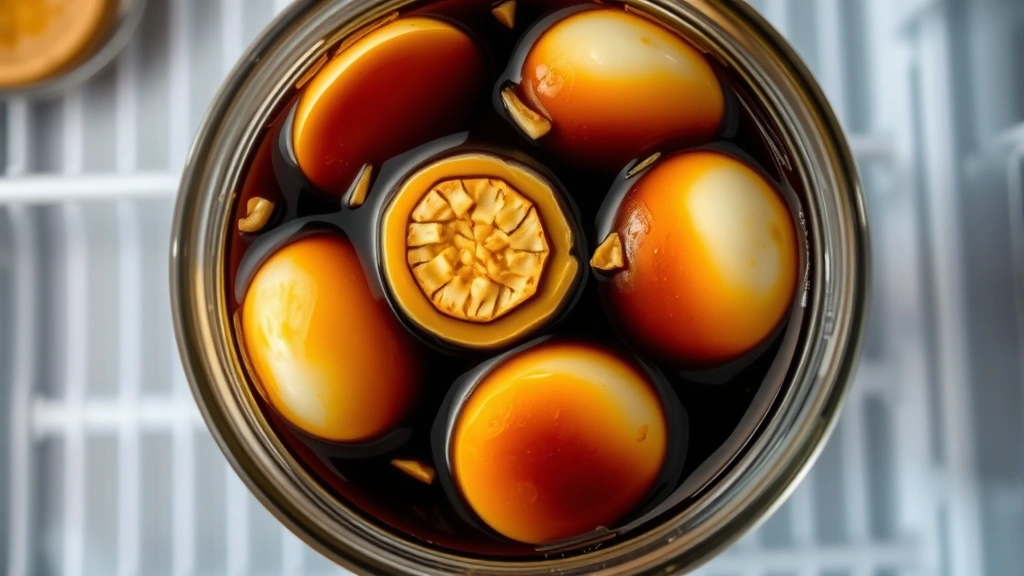
Place peeled eggs in a shallow container or mason jar and pour cooled marinade over them, ensuring complete submersion. If eggs float, place a small plate or parchment paper on top to keep them submerged. Cover and refrigerate for minimum 6 hours, though overnight marinating produces deeper flavor. The eggs will develop increasingly dark exterior coloring as marinating time extends.
Marinade Variations and Flavor Options
While the classic soy-mirin marinade creates authentic ramen eggs, experimenting with variations allows you to customize flavors to your preferences. Each variation maintains the essential technique while introducing new taste dimensions.
Classic Soy Marinade
The traditional marinade combines equal parts soy sauce and mirin with a touch of rice vinegar. This balanced blend creates the signature umami-forward flavor that complements ramen broths beautifully. The mirin adds subtle sweetness that prevents the marinade from becoming too salty.
Spicy Korean-Inspired Variation
Replace 1 tablespoon of soy sauce with gochujang (Korean red chili paste) and add ½ teaspoon sesame oil. Include 1 dried red chili pepper and 1 teaspoon gochugaru (Korean red chili flakes) for increasing heat levels. This variation pairs wonderfully with spicy ramen or Asian grain bowls.
Garlic-Forward Version
Increase garlic to 4-5 cloves and add 2 teaspoons minced garlic directly to the marinade rather than just slices. Include ½ teaspoon garlic powder for concentrated flavor. This version suits garlic lovers and works exceptionally well in fried rice applications.
Miso-Enhanced Marinade
Dissolve 1 tablespoon white miso paste into the marinade base before heating. The miso adds complexity and deeper umami notes. This variation works particularly well with miso-based ramen broths.
Citrus-Bright Option
Add 1 tablespoon fresh yuzu juice or lime juice to your marinade base. Include thin strips of yuzu or lemon zest. This brighter variation complements lighter ramen broths and summer applications.
Sesame Oil Upgrade
Finish any marinade by drizzling ½ teaspoon toasted sesame oil over the eggs just before serving. The nutty aroma and flavor elevate the entire dish. Never add sesame oil to the marinade before cooking, as heat diminishes its delicate flavor.
Storage and Make-Ahead Tips
One of the greatest advantages of homemade ramen eggs is their make-ahead convenience. Proper storage techniques ensure your eggs maintain optimal texture and flavor throughout the week.
Refrigerator Storage
Store marinated eggs in an airtight container submerged in their marinade. They maintain excellent quality for 3-4 days in the refrigerator. After 4 days, the whites begin absorbing too much salt from the marinade, becoming slightly rubbery. The marinade itself remains usable for up to 1 week and can be reused for subsequent egg batches, though you may need to add fresh garlic and ginger for optimal flavor.
Extended Storage Strategies
If you want eggs lasting longer than 4 days, consider removing them from the marinade after 2-3 days and storing them separately in an airtight container. Store the marinade separately and recombine just before serving. This prevents over-marination while extending storage life to 5-6 days.
Freezing Considerations
While technically possible, freezing ramen eggs results in texture changes that most people find undesirable. The egg whites become slightly rubbery after thawing. However, if you must freeze them, do so in their marinade within an airtight freezer container for up to 1 month. Thaw in the refrigerator overnight before consuming.
Make-Ahead Workflow
For busy schedules, prepare eggs on Sunday evening for use throughout the week. Cook and marinate eggs in batches, allowing you to have fresh eggs available for multiple applications. You might prepare a classic batch alongside a spicy variation, giving you options depending on meal plans. Visit our FixWiseHub Blog for additional meal prep strategies and cooking techniques that maximize efficiency.
Traveling with Marinated Eggs
Marinated eggs pack beautifully for lunch containers or travel. Place eggs in a small glass container with minimal marinade, keeping them separate from other foods. They maintain quality for approximately 4 hours at room temperature or 8 hours in a cooler with ice packs.
Troubleshooting Common Issues
Even experienced cooks encounter occasional challenges when making ramen eggs. Understanding common problems and their solutions helps you consistently achieve perfect results.
Overcooked Yolks (Completely Set)
If your yolks are completely solid, you exceeded the cooking time. Reduce your cooking time by 30-60 seconds on your next attempt. Remember that carryover cooking continues for a brief moment even in the ice bath, so timing slightly shorter ensures the jammy center you desire. A timer proves essential for consistency.
Undercooked Whites (Too Runny)
If egg whites remain translucent or runny, increase cooking time by 30-60 seconds. Ensure your water reaches a rolling boil before adding eggs, as starting in water that’s not quite boiling extends actual cooking time unpredictably. Also verify that your eggs are truly at room temperature before cooking, as cold eggs require longer cooking times.
Difficult Peeling
Very fresh eggs peel with difficulty because the membrane adheres strongly to the whites. Store eggs for 1-2 weeks before cooking for easier peeling. Additionally, older eggs have slightly more air space between the shell and membrane. Peeling under cool running water and working slowly helps separate the membrane gently from the whites.
Cracked Shells During Cooking
Cracks typically result from thermal shock—moving eggs from cold refrigerator directly into boiling water. Always allow eggs to sit at room temperature for 10 minutes before cooking. Additionally, lower eggs gently into boiling water rather than dropping them, as this reduces thermal stress.
Uneven Color Distribution
If eggs display blotchy marinade coloring, ensure they remain fully submerged throughout marinating. Use a small plate or parchment paper to keep them underwater. Rotate eggs halfway through marinating for more even color distribution.
Marinade Too Salty
If your finished eggs taste overly salty, reduce soy sauce in future batches or increase water content. You can also dilute existing marinade by adding more water and returning eggs for 2-3 hours to rebalance flavors.
Yolk Creaminess Issues
If yolks solidify too quickly or don’t achieve the desired custard-like texture, your cooking time may be too long. Alternatively, your eggs may be larger than expected. Large eggs may require 30 seconds less cooking time than standard large eggs. Invest in a reliable kitchen scale and measure egg sizes if consistency proves problematic.
FAQ
Can I use brown eggs instead of white eggs?
Yes, brown eggs work perfectly for ramen eggs. Shell color doesn’t affect cooking time or final texture. The difference between brown and white eggs relates only to the hen breed and shell pigmentation, not nutritional content or cooking properties. Choose whichever you prefer or have available.
How long can I keep ramen eggs in the refrigerator?
Properly stored marinated eggs maintain quality for 3-4 days in the refrigerator when fully submerged in their marinade. After 4 days, the whites begin absorbing excessive salt, affecting texture and taste. For extended storage, remove eggs from marinade after 2-3 days and store separately for an additional 2-3 days.
Can I make ramen eggs without mirin?
While mirin adds traditional sweetness and shine, you can substitute it with honey or sugar if unavailable. Use ½ tablespoon honey or ¼ teaspoon sugar per tablespoon of mirin called for in recipes. The flavor profile shifts slightly, becoming less refined, but the eggs remain delicious.
What’s the best way to serve ramen eggs?
Slice eggs in half lengthwise to display the beautiful yolk when serving with ramen bowls. Place halves directly in the hot broth just before eating. For rice bowls or other applications, serve whole or sliced depending on presentation preferences. Marinated eggs can be served cold as appetizers or incorporated into various dishes. For sauce inspiration, explore techniques like making gravy from drippings to understand how building flavor layers enhances dishes.
Can I reuse the marinade?
Yes, marinade can be reused for 1-2 additional batches of eggs. After removing eggs, strain marinade through a fine mesh strainer to remove solids. Refrigerate in an airtight container. Before using again, add fresh garlic, ginger, and green onions to refresh flavors, as these components lose potency over time.
Do ramen eggs need to be served hot or can they be cold?
Ramen eggs are versatile regarding temperature. Serve them hot by placing into hot ramen broth just before eating, which warms the eggs slightly. They’re equally delicious served cold directly from the refrigerator as part of cold ramen, rice bowls, or standalone appetizers. Temperature choice depends on your dish and personal preference.
What’s the difference between ramen eggs and soft-boiled eggs?
While both feature soft, runny yolks, ramen eggs are marinated in seasoned liquid, whereas soft-boiled eggs are simply boiled and served plain. The marinating process infuses ramen eggs with savory, umami-rich flavors that soft-boiled eggs lack. Additionally, ramen eggs are typically cooked slightly longer (6-7 minutes) than classic soft-boiled eggs (4-5 minutes), creating a firmer white while maintaining yolk creaminess.

Related Posts

Superscript in Google Docs: Expert Tips

Strikethrough in Excel: Easy Steps for Beginners
