
How to Know Your Ring Size: Expert Guide
How to Know Your Ring Size: Expert Guide
Getting the perfect ring fit is surprisingly more nuanced than most people realize. Whether you’re shopping for an engagement ring, a statement piece, or a simple band, knowing your exact ring size is the foundation of finding jewelry that feels as good as it looks. Too tight, and you’re dealing with circulation issues and discomfort. Too loose, and you’re constantly adjusting or risking losing a cherished piece. The good news? Determining your ring size doesn’t require a trip to a jewelry store or expensive professional sizing.
This guide walks you through everything you need to know about finding your perfect fit. We’ll cover multiple methods—from DIY measurements to professional options—so you can choose the approach that works best for your situation. Plus, we’ll address common sizing questions and help you understand why ring sizing matters more than you might think.
Why Ring Size Matters More Than You Think
Your ring size isn’t just a number—it’s the difference between jewelry that enhances your life and jewelry that becomes a source of frustration. When a ring fits properly, it sits comfortably at the base of your finger with just enough give to slide off with minimal effort. It shouldn’t leave marks, restrict blood flow, or feel like it might slip away unexpectedly.
Beyond comfort, proper sizing affects the longevity of your jewelry. A ring that’s too tight can cause metal fatigue and stress on the band, potentially leading to cracks or breaks over time. A ring that’s too loose gets twisted and turned constantly, which can damage gemstones or decorative elements. Additionally, if you’re investing in quality jewelry—whether it’s a diamond engagement ring or a precious metal band—you want it to fit perfectly so you’ll actually wear it.
Temperature also plays a surprising role in ring fit. Your fingers naturally swell slightly during warmer months and shrink in cold weather. Many people find they need different sizes depending on the season. This is why measuring your ring size at home at different times of year can provide valuable insight into your true sizing needs.
Five Reliable Methods to Determine Your Ring Size
You have multiple options for finding your ring size, each with distinct advantages. Let’s explore the most accurate and practical methods available to you.
Method 1: The String or Dental Floss Technique
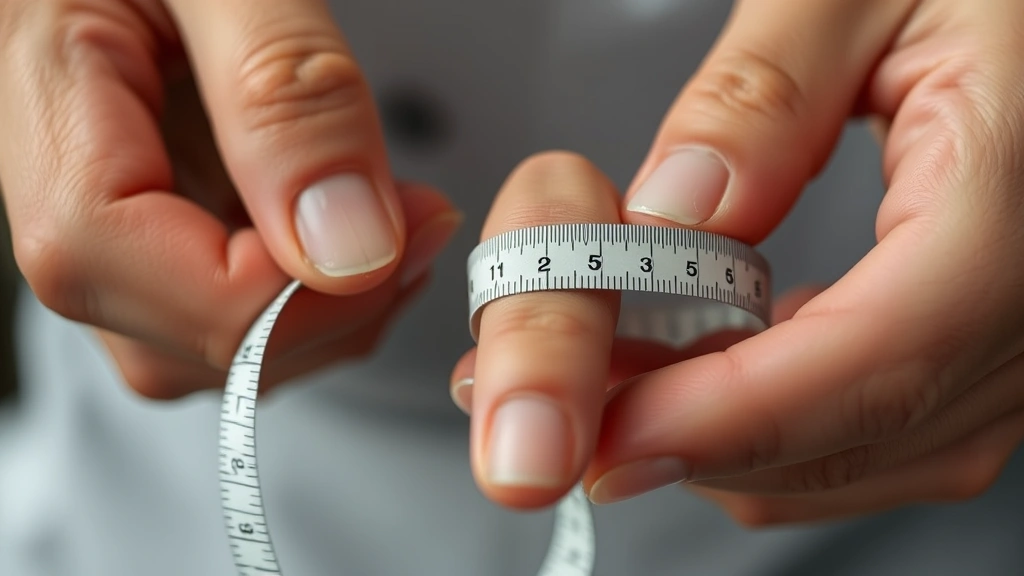
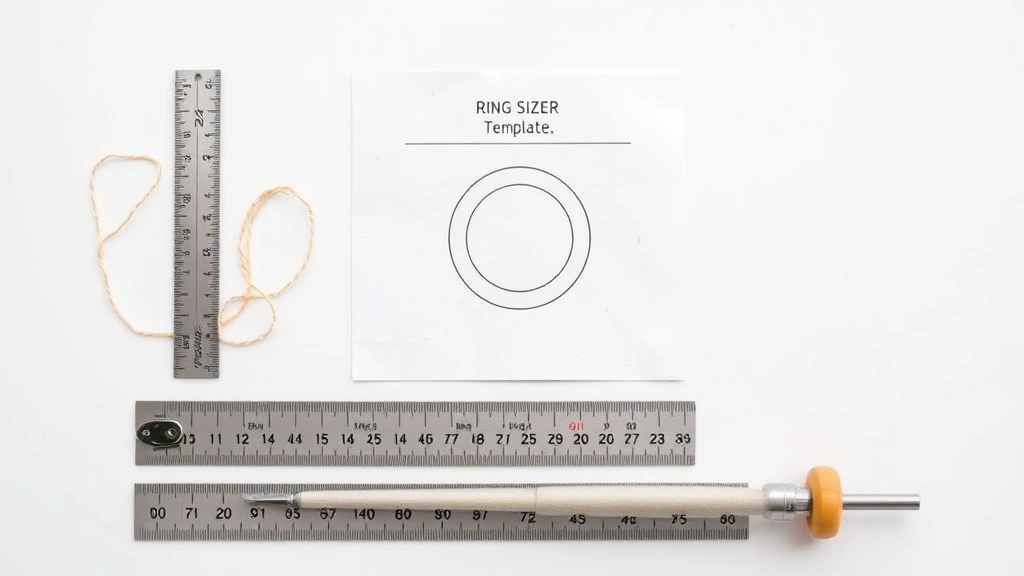
This is the most accessible DIY method and requires nothing more than string, dental floss, or a thin strip of paper. Wrap it around the base of your finger—the widest part where you want the ring to sit. Make sure it’s snug but not tight; you should be able to slip a fingernail underneath. Mark where the string overlaps, then measure that length against a ruler. Divide the measurement by 3.14 (pi) to get your ring size diameter, then compare it to a ring size chart. This method works surprisingly well and costs nothing.
Method 2: Using an Existing Ring That Fits
If you already own a ring that fits perfectly on the finger you’re sizing, you can measure it directly. Place the ring on a ruler and measure the inner diameter in millimeters. Compare this measurement to a ring size conversion chart. This is often the most accurate method because you’re working with an actual, perfectly-fitting ring rather than an estimate.
Method 3: The Printable Ring Sizer
Many jewelry retailers and websites offer free printable ring sizers. You print the template, cut it out, and wrap it around your finger until it fits snugly. The template indicates your size directly. Make sure your printer isn’t set to scale the document—print at 100% to ensure accuracy. This method is reliable and takes just minutes.
Method 4: Visiting a Jeweler
Professional jewelers have sizing tools called ring mandrels—tapered metal rods with size markings. A jeweler can slip different sizes onto the rod until one fits your finger perfectly. This is the gold standard for accuracy and typically costs nothing if you’re purchasing from that jeweler. Even if you’re not buying, many jewelers will size you for a small fee.
Method 5: Online Sizing Tools and Apps
Several jewelry companies now offer digital ring sizing through their websites or mobile apps. These tools use your phone’s camera to measure your finger against a reference object. While convenient, these are generally less accurate than physical methods, but they can give you a reasonable starting point.
The DIY Approach: Measuring at Home
Let’s dive deeper into how to measure ring size using the most reliable at-home methods. The beauty of DIY sizing is that you can test multiple methods and average your results for maximum accuracy.
Step-by-Step String Method
- Gather your materials: You’ll need string, dental floss, or a thin strip of paper, a ruler or measuring tape, and a pen.
- Choose the right finger: Measure the finger where you intend to wear the ring. Ring sizes can vary between fingers on the same hand.
- Wrap carefully: Wrap the string around the base of your finger where the ring will sit. This is typically just above your knuckle. The fit should be snug but comfortable—not cutting off circulation.
- Mark the overlap: Use a pen to mark where the string overlaps itself.
- Measure the length: Lay the string flat on a ruler and measure from the start to your mark in millimeters.
- Calculate the size: Divide your measurement by 3.14. This gives you the diameter. Use a ring size conversion chart to find your size.
- Verify your result: Repeat the process 2-3 times to ensure consistency. If your measurements vary, average them.
Pro tip: Measure multiple times throughout the day. Your fingers are slightly smaller in the morning and swell as the day progresses. If you measure in the evening after activity, you’ll get a slightly larger size, which is often safer than sizing too small.
The Existing Ring Method
This approach eliminates the mathematical guesswork entirely. If you own a ring that fits the intended finger perfectly:
- Place the ring flat: Set it on a ruler or measuring tape with the inner edge aligned to the zero mark.
- Measure the diameter: Measure across the widest inner point of the ring in millimeters.
- Check the conversion chart: Most jewelry websites provide free conversion charts that translate millimeter measurements into standard ring sizes.
- Account for thickness: Wider bands may need to be sized slightly larger for comfort. If your existing ring is significantly thicker or thinner than the ring you’re purchasing, you may want to adjust by a half size.
When using this method, ensure the existing ring actually fits well. If it’s slightly loose or tight, your measurement will be off. The ring should slide on easily but require a slight amount of resistance to remove.
Professional Sizing Options
Sometimes the best investment is a few minutes with a professional. Here’s what you should know about professional sizing options.
Jewelry Store Sizing
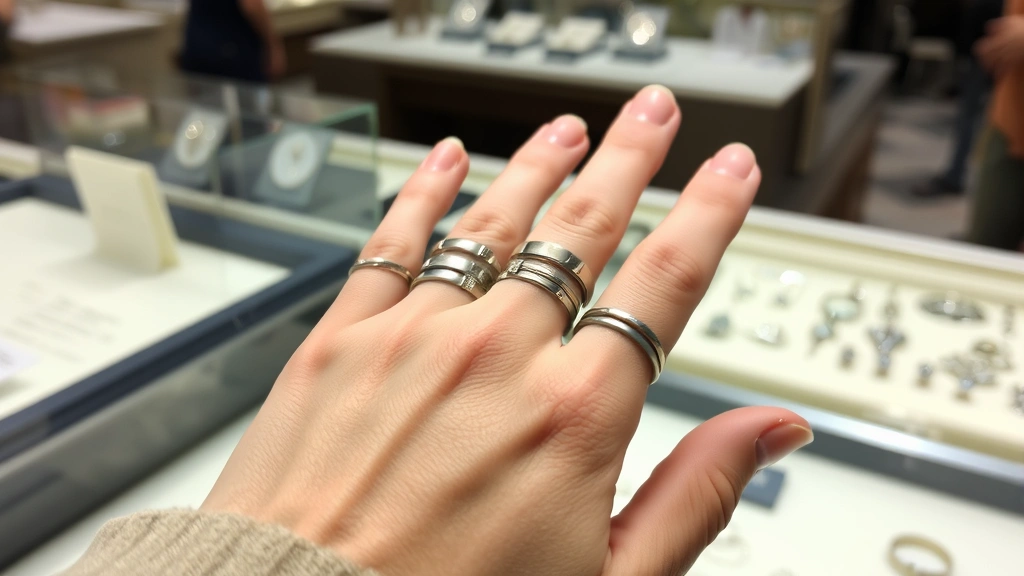
Most jewelry stores will size your finger for free, especially if you’re considering a purchase. The process takes about five minutes. A jeweler will use a ring mandrel—a tapered cone with size markings—to find your exact size. They may try multiple sizes on your finger to account for comfort preferences and the thickness of different bands.
Online Retailers
Major online jewelry retailers like Blue Nile, James Allen, and others often provide free sizing kits. They’ll mail you a set of plastic rings in different sizes that you can try at home. You determine which size fits best and return the kit. This method is convenient and surprisingly accurate since you’re testing actual ring sizes.
Bridal Boutiques
If you’re shopping for an engagement or wedding ring, bridal boutiques typically offer comprehensive sizing services. Some even provide sizing adjustments after purchase to ensure a perfect fit as your life circumstances change.
Important Sizing Considerations
Knowing your basic ring size is just the beginning. Several factors can influence what size actually works best for you.
Seasonal Variations
Your finger size genuinely changes with the seasons. In summer, when you’re warm and active, your fingers swell slightly due to increased blood flow and heat-induced expansion. In winter, they contract. The difference can be as much as a half size. If you’re purchasing a ring in winter, you might want to go a half size larger to ensure it fits comfortably in summer.
Band Width Considerations
Wider bands require larger sizes than thinner bands for the same level of comfort. A wide band that’s too tight can restrict circulation and cause discomfort. As a general rule, if you’re moving from a thin band to a wider one, consider sizing up a half size. Conversely, switching from a wide band to a thin one might mean sizing down a half size.
Metal Type and Stretch
Different metals behave differently. Gold and platinum are more rigid, while some alloys have slight flexibility. Additionally, over time, rings can stretch slightly—especially thinner bands or those with intricate designs. When determining how to find your ring size, consider that a ring you’ll wear daily might need to be slightly tighter than one you wear occasionally.
Knuckle Size vs. Base Size
Your knuckle might be significantly larger than the base of your finger. If this is the case, you have a few options: size for the knuckle (the ring will be loose at the base), size for the base (the ring will be tight over the knuckle), or look into adjustable rings or rings with design elements that accommodate size variations. Most people compromise by sizing halfway between these two measurements.
Age and Life Changes
Weight fluctuations, pregnancy, arthritis, and aging all affect ring size. If you’re planning to wear a ring for decades, you might want to size slightly larger to accommodate potential swelling. Conversely, if you’re purchasing a ring during a significant life change, consider whether your size might shift in the coming years.
Understanding International Ring Size Standards
Ring sizes vary significantly by country, which matters if you’re ordering from international retailers or inheriting vintage jewelry.
Common Sizing Systems
US/Canada: Sizes range from 0-13, often with half and quarter sizes. This is the most common system if you’re shopping in North America.
UK/Australia/Ireland: Uses letters (A-Z, then AA-ZZ). UK size A is approximately US size 1.5.
European/Swiss: Uses a metric system based on the ring’s inner circumference in millimeters. This system is highly accurate and increasingly used internationally.
Japan: Similar to the US system but with different size ranges and increments.
When shopping internationally, always convert your size using a reliable conversion chart. Many jewelers provide these charts on their websites, and they’re consistent across retailers. If you’re ever uncertain, err on the side of a slightly larger size—most jewelers can resize rings down more easily than up.
When evaluating gemstones or precious metals, understanding how to tell if a diamond is real becomes important alongside proper sizing. Similarly, if you’re investing in quality jewelry, how to clean sterling silver and other metals ensures your properly-fitted ring remains beautiful for years.
Frequently Asked Questions
Can ring size change over time?
Yes, absolutely. Weight gain or loss, pregnancy, age-related swelling, and medical conditions like arthritis can all change your ring size. It’s not uncommon for someone’s size to shift a half size or even a full size over several years. This is why many jewelers offer free or low-cost resizing services for rings purchased from them.
What’s the average ring size?
The average women’s ring size in the US is between 6-7, while the average men’s size is between 9-10. However, this varies significantly based on geography, age, and population demographics. Never assume someone’s size based on these averages.
Is it better to size up or down if I’m between sizes?
Generally, it’s safer to size up slightly. A ring that’s slightly loose can be worn comfortably and adjusted with sizing beads or inserts if needed. A ring that’s too tight can cause discomfort and potential circulation issues. However, if you’re concerned about a ring slipping off, consult with a jeweler about sizing options.
How do I measure my ring size if my fingers are swollen?
Wait until the swelling subsides before measuring. If you have chronic swelling due to a medical condition, measure during the time of day when swelling is minimal. Many people with arthritis or other conditions that cause swelling find that early morning measurements are most accurate.
Can I resize a ring after purchasing it?
Most rings can be resized, though some styles are easier than others. Simple bands resize easily and cost between $20-60. Rings with intricate designs, gemstones, or certain materials (like titanium or tungsten) are more difficult or impossible to resize. Always ask about resizing options before purchasing, especially for expensive pieces.
What if my ring size is unusual or very small/large?
Don’t worry—ring sizes range from approximately 0-13+ in the US system, accommodating virtually everyone. If you have an unusual size, let jewelers know when shopping. Many offer custom sizing or can special order pieces in your size. Online retailers often have better selections for unusual sizes than brick-and-mortar stores.
How accurate are online ring sizers?
Online ring sizers using phone cameras are convenient but generally less accurate than physical methods. They typically have a margin of error of ±0.5 sizes. If you use an online tool, verify the result with another method before making a purchase. The string method or visiting a jeweler provides more reliable results.
Should I measure both hands?
Yes, if you plan to wear rings on multiple fingers. Ring size can vary between fingers on the same hand—your middle finger is typically larger than your ring finger, for example. Measure each finger where you intend to wear a ring to ensure proper fit.
What if my ring keeps slipping off?
If a ring is too loose, you have several options: professional resizing (usually $20-60), sizing beads or inserts (temporary and removable), or ring adjusters that sit inside the band. If the ring is valuable or has sentimental importance, professional resizing is worth the investment. For costume jewelry or temporary situations, sizing inserts work well.
How often should I have my rings professionally cleaned and checked?
Once or twice yearly is ideal for rings you wear frequently. Professional jewelers can check for loose stones, worn prongs, and other issues during cleaning. This preventive maintenance extends the life of your jewelry significantly. Between professional cleanings, you can maintain your jewelry with gentle at-home care appropriate to the metal and stones.
Is there a difference between ring size and ring fit?
Yes. Ring size is the numerical measurement, while ring fit encompasses comfort, security, and how the ring sits on your finger. A ring can be the correct size numerically but uncomfortable due to band width, design, or personal preference. This is why trying on rings—or using sizing kits that provide actual ring samples—is valuable.

Related Posts

How Long to Boil Lobster Tails: Cooking Guide

How Long to Fly from New York to London? Travel Times
