

Toenail Fungus: Signs It’s Finally Dying
Toenail Fungus: Signs It’s Finally Dying
Toenail fungus infections are notoriously stubborn, often taking months or even years to fully resolve. If you’ve been treating a fungal infection, you’re probably eager to know whether your treatment is actually working. The good news is that there are clear, observable signs that indicate your toenail fungus is dying and healing is underway. Understanding these signs helps you stay motivated during the long recovery process and confirms that your chosen treatment approach is effective.
Recognizing the early indicators of a dying fungal infection is crucial for maintaining consistent treatment and avoiding the temptation to stop prematurely. Many people abandon their treatment regimen too early, thinking nothing is happening, only to experience a relapse. This comprehensive guide will walk you through the specific signs that prove your toenail fungus is responding to treatment and heading toward complete elimination.

Understanding Toenail Fungus Basics
Toenail fungus, medically known as onychomycosis, occurs when fungi penetrate the nail bed and establish an infection beneath the nail plate. This happens gradually, starting at the edge or tip of the nail and working its way deeper over time. The fungus feeds on keratin, the protein that makes up your nails, causing discoloration, thickening, and brittleness.
The infection doesn’t simply disappear on its own because fungi thrive in the warm, moist environment your feet provide. Your immune system struggles to reach the fungus beneath the hard nail plate, which is why topical treatments alone often fail. Understanding this biology helps explain why treatment takes so long and why patience is essential during recovery.
When you begin treating fungal infections, whether through professional medical guidance or over-the-counter remedies, the fungus doesn’t die immediately. Instead, it gradually loses its ability to spread and reproduce. As the infection weakens, your body’s natural defenses and your chosen treatment work together to eliminate it completely.
Clear Signs Your Fungus Is Dying
Discoloration Improvement is often the first visible sign that your treatment is working. Infected nails typically display yellow, brown, or white streaks or patches. As the fungus dies, these discolored areas begin to fade or become less prominent. The nail may still appear discolored initially, but the intensity of the color diminishes noticeably. This happens because dead fungal matter is less concentrated, and healthy nail tissue is beginning to regenerate beneath the infection.
The color change isn’t always uniform across the entire nail. You might notice that the healthy portion of your nail—the part that has grown since treatment began—appears clearer and more normal in color. This creates a visible line of demarcation between the old infected nail and the new healthy growth.
Reduced Thickness and Brittleness indicates significant progress. Infected nails become thick and crumbly because the fungus damages the nail structure. As your treatment works, you’ll notice that the nail becomes less thick and crumbly. This is a major indicator because it shows the fungal damage is being reversed. The nail will start to feel more flexible and less prone to breaking or crumbling when you trim it.
Clearing From the Base is perhaps the most reliable sign of complete recovery. New nail growth emerges from the nail matrix at the base of your nail. Since this new growth hasn’t been exposed to the fungal infection, it grows in healthy and uninfected. Over time, this clear nail gradually pushes the infected portion forward, eventually off your toe. This process can take 6-12 months depending on how much of the nail was infected and how fast your nails grow.
Reduced Nail Debris under the nail bed is another positive indicator. When you trim or file your nails, infected nails produce crumbly, powdery debris. As the fungus dies, this debris production decreases significantly. You’ll notice less buildup under the nail and when you do trim, the nail cuts more cleanly rather than crumbling apart.
Decreased Itching and Odor suggest the infection is subsiding. Many people experience itching or mild discomfort around infected nails, and some infections produce an unpleasant odor. As the fungus dies, these symptoms diminish. The area may feel less irritated, and any odor associated with the infection fades away.
Softer, More Pliable Nails indicate healing. Fungal infections make nails brittle and hard. Healthy nails are naturally somewhat flexible. As treatment progresses, you’ll notice your nails becoming more pliable and less likely to crack or split during normal activities.
Timeline for Fungal Recovery
Understanding the typical recovery timeline helps you maintain realistic expectations and stay committed to treatment. Weeks 1-4 of treatment usually show minimal visible changes. This is when the fungus is most resistant, and you might question whether your treatment is working. However, internal changes are occurring—the fungus is beginning to weaken, even if you can’t see it yet. This is the critical period where many people abandon treatment prematurely.
Weeks 5-12 often bring the first noticeable improvements. You might see slight color changes or notice that the nail feels less thick. These early signs are encouraging and indicate your treatment is effective. Continue your regimen exactly as prescribed during this phase.
Months 4-6 typically show more pronounced improvements. The color improvement becomes more obvious, and the clear nail growth from the base becomes increasingly visible. You’ll likely see a distinct line separating the healthy new growth from the infected portion. This visual progress is highly motivating and confirms that patience is paying off.
Months 7-12 show continued advancement as more healthy nail grows out. The infected portion gradually moves forward and eventually grows off your toe. By this point, most people can clearly see that recovery is well underway.
Beyond 12 months, most fungal infections are completely resolved or nearly resolved. The nail continues to grow out, and eventually, the last traces of the infection disappear. Some severe infections may take 18-24 months for complete resolution.
What Healthy Nail Growth Looks Like
Healthy nail growth appears as clear, smooth nail tissue with a uniform pale pink color. When you’re treating fungal infections, this is exactly what you want to see emerging from the nail base. The new growth starts as a thin line of clear nail and gradually widens as more healthy nail grows out.
Normal nails have a smooth surface without pitting, ridges, or discoloration. They’re flexible enough to bend slightly without breaking but firm enough to protect your toe. Healthy nails grow at a relatively consistent rate, typically about 3-4 millimeters per month for toenails.
When comparing your recovering nail to your other toes, the contrast becomes obvious. Healthy nails on uninfected toes provide a clear reference point. The infected nail will still look different, but the new growth should match the appearance of your healthy nails. This comparison helps you objectively assess your progress.
Common Treatment Methods and Their Results
Topical Antifungal Creams and Lacquers work best for mild infections affecting less than 50% of the nail. Products containing tolnaftate, terbinafine, or amorolfine penetrate the nail and kill surface fungus. You’ll typically see improvement within 3-4 months with consistent daily application. Results appear first as color improvement and reduced thickness.
Oral Antifungal Medications prescribed by healthcare providers are more effective for moderate to severe infections. Terbinafine and itraconazole work systemically, reaching the fungus through your bloodstream. These medications typically show results within 6-8 weeks, with complete resolution in 3-6 months. Oral medications are more likely to produce the clear nail growth from the base that indicates successful treatment.
Laser Treatments use focused light to destroy fungal cells. Results vary widely depending on the laser type and infection severity. Some people see improvement after 2-3 treatments, while others require more sessions. Laser therapy often works best when combined with topical treatments. You can learn more about researching treatment options effectively to understand which approach suits your situation.
Natural Remedies like tea tree oil, vinegar soaks, and essential oils show mixed results. These are gentler but slower-acting than prescription options. If you choose natural treatments, expect results to take longer—typically 6-12 months for noticeable improvement.
Mistakes That Slow Down Healing
Stopping Treatment Too Early is the most common reason people don’t see complete recovery. Even when you see significant improvement, the fungus may not be completely eliminated. Stopping prematurely allows remaining fungal spores to re-establish the infection. Continue treatment for the full recommended duration, even after visible improvement appears.
Inconsistent Application of topical treatments dramatically reduces effectiveness. Fungal treatments only work where they’re applied. Missing doses or skipping days allows the fungus to persist in untreated areas. Set phone reminders to ensure consistent daily treatment application.
Ignoring Environmental Factors that promote fungal growth undermines treatment efforts. Fungi thrive in warm, moist environments. If you continue exposing your feet to these conditions while treating, you’re working against your own recovery. Keep feet dry, wear breathable shoes, and avoid walking barefoot in public areas.
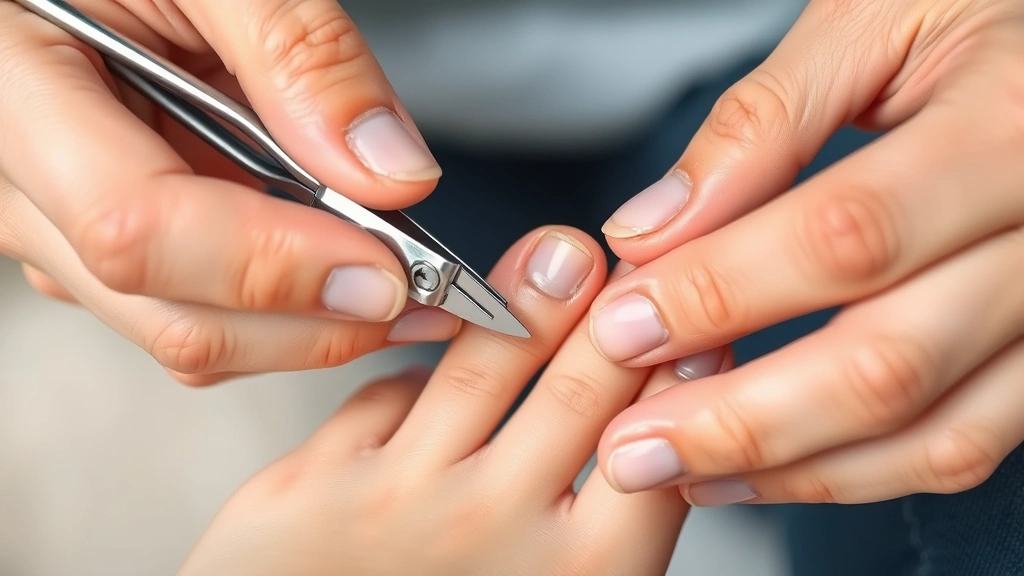
Poor Nail Hygiene during treatment can spread infection or slow healing. Use separate nail clippers for infected and healthy nails to prevent cross-contamination. Trim nails straight across and keep them short to reduce the area where fungus can hide.
Wearing Tight or Non-Breathable Shoes creates the perfect environment for fungi to thrive. During treatment, prioritize breathable footwear that allows air circulation. This is especially important during warm months when feet naturally sweat more.
Maintaining Progress and Preventing Recurrence
Once you’ve successfully treated toenail fungus, prevention becomes crucial because recurrence is common. Keep Feet Dry by thoroughly drying between toes after bathing or swimming. Any moisture trapped between toes or under nails provides an ideal environment for fungal regrowth. Dry feet completely before putting on shoes.
Wear Protective Footwear in public areas like pools, locker rooms, communal showers, and nail salons. Fungi spread through direct contact with contaminated surfaces. Waterproof sandals or shower shoes significantly reduce your risk of reinfection.
Maintain Nail Hygiene through regular trimming and cleaning. Keep nails short and filed smooth. Clean under nails regularly with a nail brush. Disinfect nail tools regularly with alcohol or bleach solution.
Choose Reputable Nail Salons that maintain proper sterilization protocols. Poor sanitation in nail salons is a common source of fungal infections. If you continue visiting salons after treatment, ensure they follow proper disinfection procedures for all tools.
Boost Your Immune System by maintaining healthy habits. A strong immune system is your body’s best defense against fungal infections. Get adequate sleep, exercise regularly, manage stress, and eat a balanced diet rich in nutrients. Consider consulting healthcare providers about immune-supporting supplements if you’re prone to recurring infections.
Monitor Your Nails Regularly for any signs of recurrence. Early detection makes treatment much more effective. If you notice discoloration, thickening, or debris under a nail, begin treatment immediately rather than waiting to see if it resolves on its own.
Treat Athlete’s Foot Promptly because this fungal infection can spread to toenails. If you develop itchy, cracked skin between your toes or on the soles of your feet, treat it immediately with antifungal cream. This prevents the infection from progressing to your nails.
FAQ
How long does it take to see improvement in toenail fungus?
Most people begin seeing noticeable improvement within 4-8 weeks of consistent treatment, though some see changes as early as 2-3 weeks. Complete resolution typically takes 3-12 months depending on treatment method and infection severity. Oral medications generally show faster results than topical treatments.
Can toenail fungus die completely?
Yes, toenail fungus can be completely eliminated with proper treatment and prevention. However, reinfection is possible if you’re exposed to the fungus again or if environmental conditions favor fungal growth. Complete healing requires both effective treatment and lifestyle changes to prevent recurrence.
What does a dying toenail fungus look like?
A dying fungal infection shows reduced discoloration, decreased thickness, less crumbly texture, and clear nail growth from the base. The infected portion gradually moves forward as healthy nail grows out. The transition line between infected and healthy nail becomes increasingly obvious.
Should I continue treatment if I see improvement?
Yes, absolutely. Continue treatment for the full recommended duration even after seeing improvement. Stopping early is the leading cause of reinfection. The fungus may not be completely eliminated even though visible signs of improvement appear.
Is it normal for toenail fungus to itch while dying?
Some itching can occur during treatment, but it should decrease over time as the infection dies. If itching worsens or becomes severe, consult a healthcare provider to rule out secondary infections or allergic reactions to treatment products.
Can I wear nail polish while treating fungal infections?
Regular nail polish can trap moisture and worsen fungal infections. If you use topical treatments, polish may interfere with medication absorption. Most healthcare providers recommend avoiding polish during treatment. If you must wear polish, use medicated nail lacquer designed for fungal treatment instead.
What if my toenail fungus isn’t improving after 8 weeks?
If you see no improvement after 8 weeks of consistent treatment, consult a healthcare provider. You may need a different treatment approach, a stronger medication, or professional evaluation to confirm it’s actually fungal infection. Sometimes nail discoloration has other causes requiring different treatment.
Can I prevent toenail fungus from coming back?
Yes, you can significantly reduce recurrence risk through preventive measures including keeping feet dry, wearing protective footwear in public areas, maintaining good nail hygiene, and promptly treating any foot fungal infections. However, some people are more prone to fungal infections due to genetics or immune factors.

Related Posts

Superscript in Google Docs: Expert Tips

Strikethrough in Excel: Easy Steps for Beginners
