
Are Your Eggs Fresh? Expert Tips to Check Quality
Are Your Eggs Fresh? Expert Tips to Check Quality
Eggs are a staple in most kitchens, whether you’re whipping up a quick breakfast, baking a cake, or preparing a hearty dinner. But nothing is worse than cracking open an egg only to discover it’s gone bad. Knowing how to check if eggs are still good can save you from spoiled meals and potential food poisoning. This comprehensive guide will walk you through multiple methods to determine egg freshness, from simple water tests to examining the shell and contents.
Whether you’re a home chef or just someone who wants to reduce food waste, understanding egg quality is essential. Eggs can last longer than many people think when stored properly, but they do eventually decline in quality. We’ll explore the science behind egg aging, practical testing methods, and storage tips to keep your eggs fresh longer. By the end of this guide, you’ll be confident in assessing whether those eggs in your refrigerator are still safe to eat.
Understanding Egg Freshness and Storage
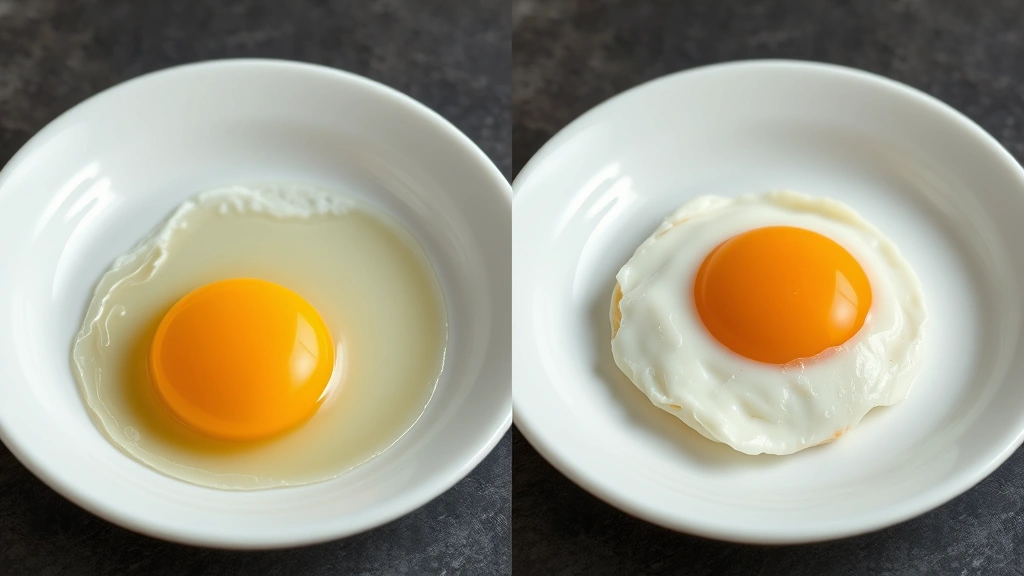
Eggs are living products that naturally deteriorate over time. Inside the shell, there’s an air cell that grows larger as the egg ages and moisture escapes through the porous shell. The white (albumen) gradually becomes thinner and more watery, while the yolk may flatten and lose its firm structure. Understanding this natural aging process is crucial for determining whether an egg is still suitable for cooking.
The freshness of an egg depends on several factors: how it was handled, storage temperature, humidity levels, and whether the shell has been washed or compromised. Eggs stored in optimal conditions—at temperatures between 33°F and 40°F with moderate humidity—can remain fresh for three to four weeks after purchase. However, once you take them out of the refrigerator, the clock starts ticking faster. Knowing how to maintain proper kitchen conditions can help extend the life of many perishables, including eggs.
Commercially graded eggs come with a pack date stamped on the carton, typically shown as a Julian date (001-365). This tells you when the eggs were graded and packed. The USDA recommends using eggs within three to four weeks of the pack date for best quality, though they may remain safe longer if properly refrigerated. Most cartons also display a “sell-by” or “expiration” date for retailer reference.
The Water Test Method
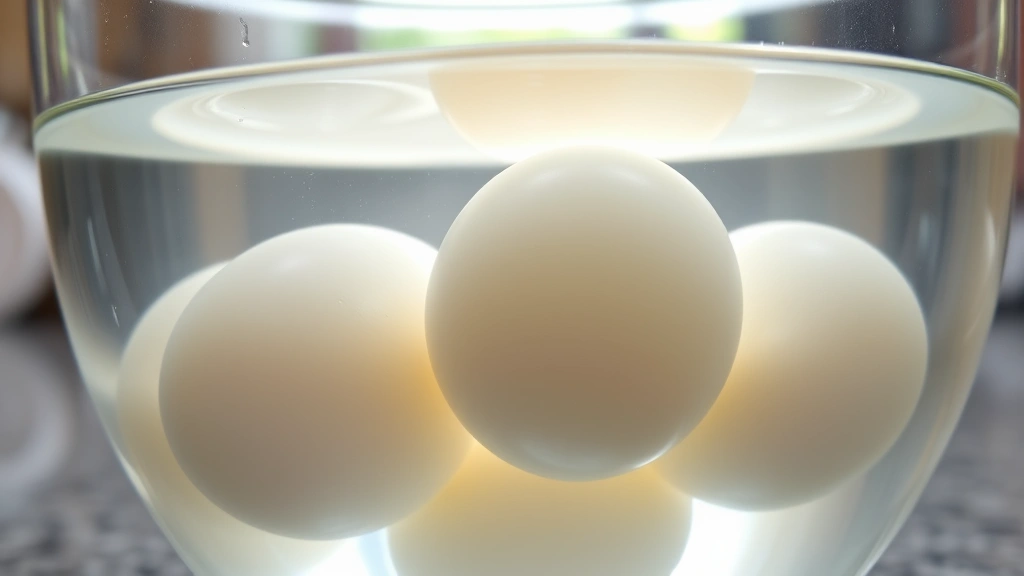
One of the most reliable and simple ways to check if eggs are still good is the water displacement test. This method works because as eggs age, the air cell inside grows larger, making the egg more buoyant. Here’s how to perform this test:
- Fill a bowl with cold water—use enough water to completely submerge the egg you’re testing
- Gently place the egg in the water—handle it carefully to avoid cracking the shell
- Observe the egg’s behavior—the results will tell you about freshness
Interpreting the water test results is straightforward:
- Fresh eggs sink and lay flat on the bottom—the air cell is small, so the egg is denser than water
- Older eggs stand upright or tilt slightly—the air cell has grown larger, making them less dense
- Very old eggs float to the surface—the air cell is large enough to make the egg buoyant
If an egg floats, it doesn’t necessarily mean it’s inedible, but it indicates advanced age. Floating eggs should be used only for baking or cooking thoroughly, not for poaching or frying where you want a runny yolk. This simple test is one of the most practical methods for how to know if eggs are still good, and you probably have everything you need in your kitchen right now.
Visual Inspection Techniques
Before even cracking an egg open, you can learn a lot by examining the shell itself. A careful visual inspection can reveal several clues about egg quality and safety.
Shell Condition: Fresh eggs have clean, intact shells without cracks, dents, or discoloration. The shell should feel slightly rough to the touch due to a natural protective coating called the cuticle. If the shell is smooth and shiny, it may have been washed, which removes this protective layer and reduces shelf life. Avoid eggs with cracks, as bacteria can enter through breaks in the shell.
Shell Color and Appearance: The color of the shell (brown or white) doesn’t indicate freshness—it’s determined by the chicken breed. However, you should look for consistent coloring without unusual stains or discoloration. A clean, uniform appearance suggests proper handling and storage.
Size and Shape Consistency: Eggs should be roughly uniform in size and shape. Oddly shaped or unusually small eggs might indicate problems during formation. While they’re typically still safe to eat, they may not cook as predictably.
Once you crack the egg, visual cues become even more important. A fresh egg has a thick, clear white (albumen) that holds the yolk up high and centered. The yolk should be bright yellow or orange and firm. As eggs age, the white becomes thin and watery, spreading out easily across the pan, and the yolk may appear flat or off-color. If you notice any discoloration, spots, or unusual appearance, discard the egg immediately.
The Candling Method
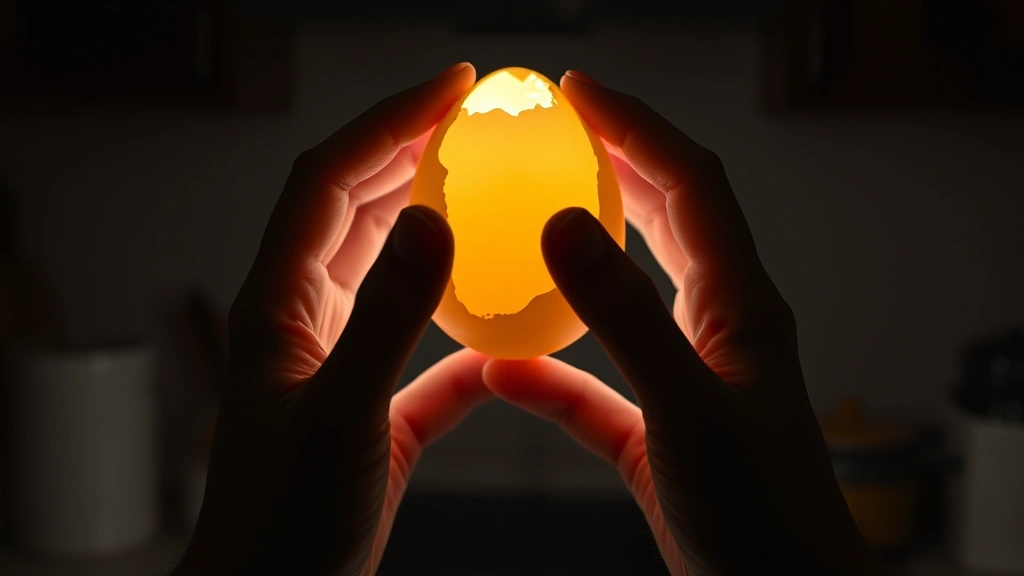
Candling is a traditional method used by farmers and commercial egg producers to assess egg quality without breaking the shell. While it requires a bright light source, it’s a non-destructive way to evaluate freshness.
How to Candle an Egg: Hold the egg up to a bright light source—a flashlight, lamp, or even sunlight works well. Look through the egg at the light. A fresh egg will appear mostly opaque with a small air cell at the wide end (typically about the size of a dime). As the egg ages, the air cell grows larger and more visible.
When candling, you’re looking for:
- A small, well-defined air cell (fresh egg)
- A larger air cell taking up about a quarter of the egg (older but still usable)
- A very large air cell or visible movement inside (very old, use for baking only)
- Dark spots or blood spots (usually safe but aesthetically undesirable)
- A completely dark appearance or visible cracks (discard)
Candling also reveals blood spots—small red or brown spots in the white or yolk. These result from a blood vessel rupturing during egg formation and are harmless, though some people prefer to remove them before cooking. They don’t affect whether an egg is fresh or safe to eat.
Smell and Taste Tests
If you’ve cracked an egg open and want to verify its safety before cooking, your senses can provide valuable information. However, smell and taste tests should only be used as a final verification, not your primary method of checking freshness.
The Smell Test: A fresh egg has a mild, neutral smell. If you detect any sulfurous, rotten, or off odor, the egg has gone bad and should be discarded immediately. This smell indicates bacterial growth and spoilage. Don’t cook or taste an egg that smells bad—trust your nose and throw it away. This is one of the most reliable indicators of whether an egg is still good.
The Taste Test: This should be a last resort, only after visual and olfactory inspection. A fresh egg tastes mild and slightly sweet. If you taste anything bitter, sour, or off-flavor, spit it out and discard the rest of the egg. Never swallow a questionable egg. Food poisoning from bad eggs can cause severe illness, so when in doubt, throw it out.
It’s worth noting that understanding food safety in your kitchen extends beyond just eggs. Proper handling and assessment of all ingredients is essential for healthy cooking and meal preparation.
Shelf Life and Expiration Dates
Understanding egg dating systems helps you manage your inventory and reduce waste. The USDA provides clear guidelines for egg shelf life that can guide your purchasing and usage decisions.
Pack Date vs. Expiration Date: The pack date (Julian date on the side of the carton) indicates when eggs were graded, washed, and packed. The expiration or “sell-by” date (typically printed on the end of the carton) is usually 30 days after the pack date. However, this doesn’t mean eggs are bad after this date—it’s when retailers should remove them from shelves.
USDA Guidelines: According to the USDA, eggs are safe to use for three to four weeks after purchase if properly refrigerated. Some sources suggest eggs can remain safe for up to five weeks after packing, though quality declines over time. Raw eggs in the shell last longer than beaten or separated eggs.
Storage Timeline:
- Fresh eggs (0-2 weeks): Best for all uses including frying, poaching, and baking
- Older eggs (2-4 weeks): Still good for cooking and baking but may not fry or poach as attractively
- Questionable eggs (4+ weeks): Use the water test or other methods before deciding
- Hard-boiled eggs: Keep refrigerated and use within one week
Remember that these timelines assume proper refrigeration at 35-40°F. Eggs left at room temperature deteriorate much faster. If eggs have been sitting out for more than two hours, they should be discarded.
Proper Egg Storage Guidelines
Maximizing egg freshness starts with proper storage. Where and how you keep your eggs significantly impacts how long they remain safe and high quality.
Refrigerator Placement: Store eggs in the main body of the refrigerator, not the door. The door experiences temperature fluctuations every time you open it, which accelerates aging. The main shelf maintains a more consistent, cool temperature ideal for egg preservation. Keep the temperature at 35-40°F for optimal freshness.
Keep Eggs in Their Carton: The cardboard carton protects eggs from absorbing odors and flavors from other foods in your refrigerator. It also helps prevent moisture loss and keeps eggs secure. Never transfer eggs to a door basket or loose container if you want to maintain maximum freshness.
Avoid Washing Eggs at Home: If you purchase farm-fresh unwashed eggs, resist the urge to wash them before storage. The natural cuticle protects the egg from moisture loss and bacterial entry. Wash eggs only right before cooking if they’re visibly dirty. Commercial eggs have already been washed.
Separate Old and New Eggs: If you purchase eggs regularly, keep older eggs toward the front and newer ones toward the back. This ensures you use older eggs first and reduces the chance of accidentally using expired eggs. Like managing household maintenance projects, organization prevents problems down the line.
Freezing Eggs: If you have excess eggs nearing expiration, you can freeze them to extend their life for up to four months. To freeze, crack eggs into a container, beat gently to combine, and freeze in ice cube trays or freezer bags. Thaw in the refrigerator before use. You can also freeze just yolks or just whites separately.
FAQ
How long do eggs last in the refrigerator?
Eggs typically last three to four weeks in the refrigerator when stored properly at 35-40°F. The pack date on the carton indicates when they were graded and packed. While USDA guidelines suggest using eggs within this timeframe for best quality, they may remain safe longer. Always use the water test or visual inspection if you’re unsure about an egg’s freshness.
Can you eat eggs after the expiration date?
The expiration date on egg cartons is a “sell-by” date for retailers, not necessarily when eggs become unsafe. Eggs can often be used for one to three weeks after this date if properly refrigerated. However, older eggs are best used for baking or thoroughly cooked dishes rather than frying or poaching. Always test eggs using the water test or visual inspection before use.
What does it mean if an egg floats in water?
If an egg floats in water, it indicates an older egg with a larger air cell. A floating egg isn’t necessarily bad, but it’s past peak freshness. You can still use it for baking or cooking thoroughly, but it’s not ideal for frying, poaching, or other dishes where appearance matters. If the egg sinks but stands upright, it’s still usable but should be used soon.
Is it safe to eat an egg with a blood spot?
Yes, eggs with blood spots are safe to eat. Blood spots occur when a blood vessel ruptures during egg formation and are harmless. They’re more common in brown eggs and don’t affect freshness or safety. Many people simply remove the blood spot with a spoon before cooking if they prefer not to see it.
Can you get salmonella from old eggs?
Salmonella contamination is not primarily a function of egg age—it’s related to how the egg was handled and stored. However, older eggs with larger air cells and thinner shells may be more susceptible to bacterial infiltration if they’ve been improperly stored or handled. Proper refrigeration and avoiding cracked eggs significantly reduces salmonella risk regardless of age.
What’s the difference between brown and white eggs?
The shell color is determined solely by the chicken breed and has no bearing on freshness, nutritional content, or quality. Brown eggs and white eggs age at the same rate and should be evaluated using the same freshness tests. Choose based on personal preference and availability rather than assuming one is fresher or better than the other.
How can you tell if an egg is fertilized?
A fertilized egg appears identical to an unfertilized egg from the outside. Candling reveals a small blood ring or spot inside a fertilized egg, while an unfertilized egg shows no such marking. In commercial settings, all eggs are unfertilized. Fertilized eggs are only found in eggs from backyard chickens or farms that keep roosters.
Should you store eggs in the refrigerator door?
No, you should store eggs in the main body of the refrigerator, not the door. The door experiences temperature fluctuations whenever you open the refrigerator, which accelerates egg aging and increases the risk of contamination. The main shelf maintains a more consistent temperature ideal for preserving egg freshness.

Related Posts

Superscript in Google Docs: Expert Tips

Strikethrough in Excel: Easy Steps for Beginners
