
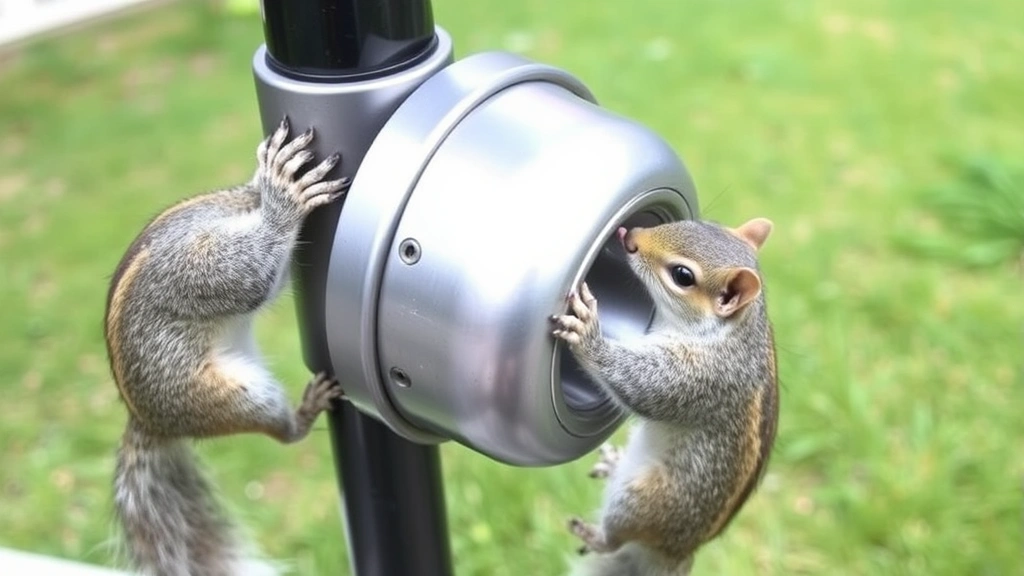
Keep Squirrels Out of Feeders: Expert Tips
Keep Squirrels Out of Bird Feeders: Expert Tips & Proven Strategies
Squirrels are intelligent, acrobatic, and determined creatures with an insatiable appetite for bird seed. If you’ve invested in quality bird feeders and premium seed, only to watch squirrels raid them within days, you’re not alone. Homeowners across the country struggle with this common outdoor challenge. The good news? There are numerous effective strategies to protect your bird feeders from these furry intruders while maintaining a welcoming environment for your feathered friends.
Understanding squirrel behavior is the first step toward success. Squirrels don’t attack bird feeders out of malice—they’re simply following their natural instinct to gather and store food for winter. A single squirrel can consume up to a pound of food per week, making your bird feeder an irresistible target. The key to solving this problem is combining multiple deterrent methods and understanding which approaches work best for your specific situation.
Understanding Squirrel Behavior and Motivation
Before implementing any squirrel-exclusion strategy, it’s essential to understand what makes these creatures such formidable opponents. Squirrels possess remarkable problem-solving abilities, excellent memory, and incredible agility. They can jump up to 8 feet horizontally and 10 feet vertically, making most feeders vulnerable if not properly protected. Additionally, squirrels can chew through nearly any material, including plastic, wood, and soft metals, so your defense strategy must account for their destructive capabilities.
Squirrels are most active during early morning and late afternoon hours, which is also when many birds prefer to feed. This temporal overlap creates direct competition at your feeders. Understanding this pattern helps you time your observation and maintenance efforts more effectively. Squirrels also have an excellent sense of smell and can detect food from considerable distances, so even well-hidden feeders may eventually be discovered.
The territorial nature of squirrels means that once one discovers your feeders, it will return repeatedly and may even recruit other squirrels to the location. This is why early intervention is crucial—it’s far easier to prevent squirrels from establishing a feeding pattern than to break an existing habit. For additional insights on food storage and preservation, check out our guide on how to keep bananas fresh, which applies similar principles to protecting food sources.
Physical Barriers and Feeder Placement
The most effective long-term solution for squirrel control involves strategic placement combined with physical barriers. Start by evaluating your current feeder location. Squirrels can launch themselves from trees, fences, decks, and even roof edges. Position feeders at least 10-12 feet away from any jumping-off point, including tree branches, fence posts, and building structures. This distance exceeds most squirrels’ jumping capability and forces them to approach on the ground, where they move more slowly and predictably.
Height is another critical factor. Mount feeders 5-6 feet above ground level, which is high enough to deter ground-based access while remaining accessible to most bird species. However, height alone isn’t sufficient—you must also create a “squirrel-free zone” beneath and around the feeder. Install a baffle, which is a cylindrical or dome-shaped barrier that prevents squirrels from climbing up poles or jumping down onto feeders from above.
Baffles come in several styles. Cylindrical baffles slide over the pole supporting your feeder and typically measure 12-24 inches in length. Dome baffles mount directly above the feeder, preventing squirrels from accessing it from above. For the most comprehensive protection, combine both types. When selecting baffles, ensure they’re made from rigid materials like metal or hard plastic—flexible baffles that squirrels can bend or manipulate offer minimal protection.
Examine your FixWiseHub Blog for additional outdoor maintenance strategies that complement bird feeder protection. Another consideration is the type of pole your feeder uses. Metal poles are preferable to wood because squirrels can gnaw through wooden poles. Smooth metal poles also make it more difficult for squirrels to gain traction while climbing.
Squirrel-Proof Feeder Designs
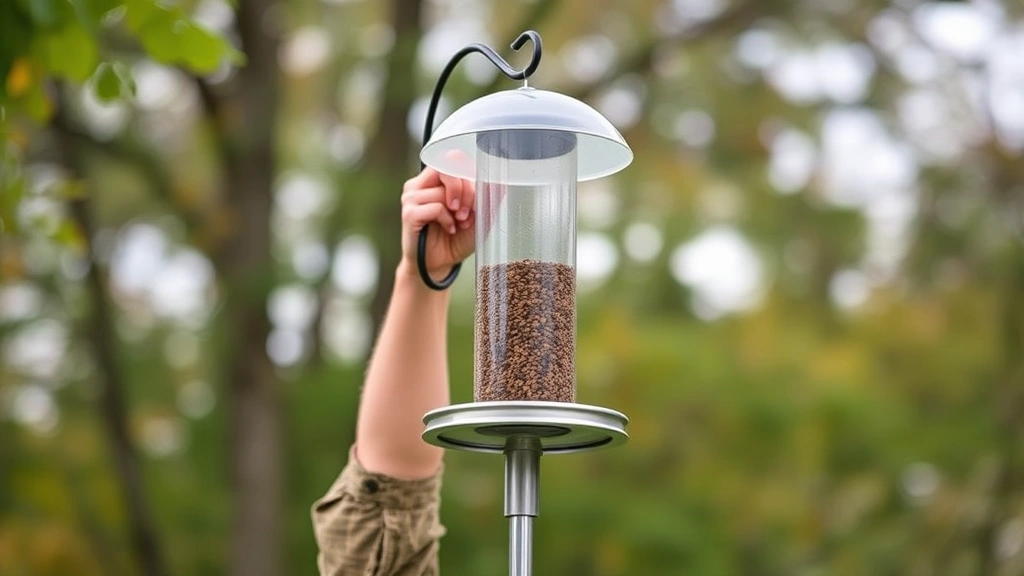
Modern squirrel-proof feeders employ sophisticated mechanisms to exclude squirrels while remaining accessible to birds. Understanding how these feeders work helps you select the best option for your situation. The most common design uses weight-activated closing mechanisms. When a squirrel (typically weighing more than 1.5 pounds) lands on the feeder, perches automatically close, blocking access to seed ports. Smaller birds can still feed because they weigh less and don’t trigger the mechanism.
Spinning feeders represent another innovative approach. When a squirrel lands on these feeders, a gentle spinning motion is activated, throwing the squirrel off without causing injury. This method works well because squirrels quickly learn to avoid the spinning sensation and seek food elsewhere. These feeders operate via battery power or solar charging and can be adjusted to accommodate different bird species while maintaining squirrel exclusion.
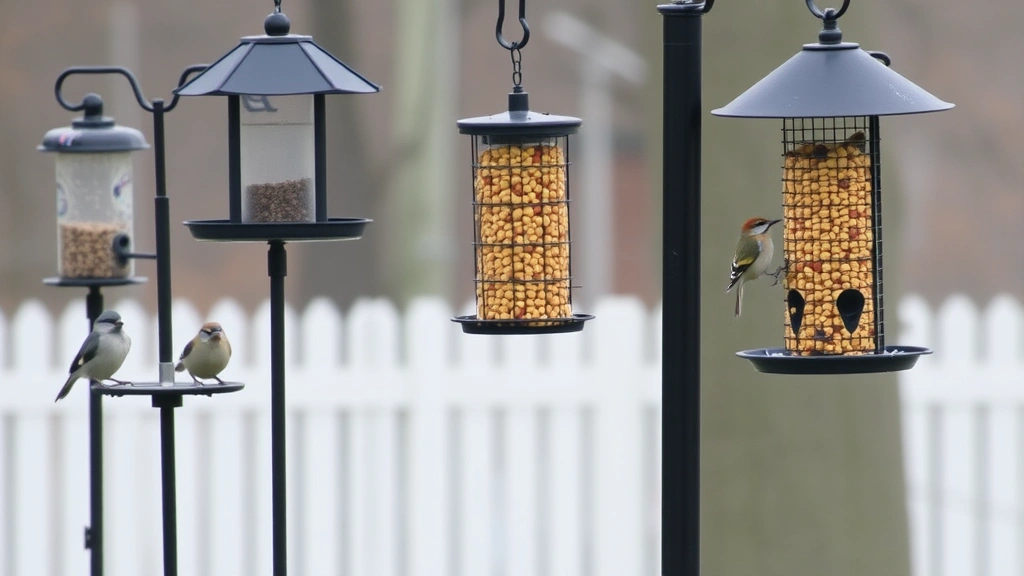
Caged feeders create a physical barrier through small-opening designs. The cage openings are sized to allow small birds like finches and chickadees to access seed while preventing larger squirrels from entering. These feeders work particularly well for specific bird species but may not accommodate larger desirable birds like cardinals or jays. Consider your local bird population when selecting this style.
Upside-down suet feeders present another effective option. Many bird species can cling to these feeders while feeding, but squirrels struggle with the inverted orientation. This design naturally deters squirrels while providing excellent access for woodpeckers, nuthatches, and similar acrobatic species. Combining multiple feeder types creates diversity in your bird feeding setup and makes it harder for squirrels to exploit any single solution.
Deterrents and Repellents
Beyond physical barriers and specialized feeders, various deterrents can discourage squirrel visits. Capsaicin-based repellents, derived from hot peppers, irritate squirrels’ sensitive noses without harming them or affecting birds. These repellents can be applied directly to seed or to feeder surfaces. The advantage of capsaicin is that birds are largely unaffected because they lack the taste receptors that respond to capsaicin compounds. Reapply these products after rain and according to manufacturer instructions for optimal effectiveness.
Predator decoys, including hawk and owl statues, can discourage squirrels from approaching feeders. However, squirrels are intelligent enough to learn that stationary decoys pose no actual threat. For maximum effectiveness, move these decoys regularly and combine them with other deterrent methods. Some homeowners report success with motion-activated sprinklers, which startle squirrels without causing harm. These devices detect movement and release a brief water spray, creating an unpleasant surprise that conditions squirrels to avoid the area.
Aluminum flashing and PVC pipe can be wrapped around poles to prevent climbing. These materials are too smooth for squirrels to grip effectively. Install flashing or PVC sleeves at least 4-5 feet up the pole, extending it to cover the area below any branches or jumping points. This method works particularly well in combination with baffles for comprehensive protection.
Certain seed types naturally deter squirrels while attracting desired birds. Safflower seed, nyjer seed, and white proso millet are less appealing to squirrels than black oil sunflower seed. By switching to these alternatives, you reduce the feeder’s attractiveness to squirrels while still providing nutritious food for birds. This approach requires experimentation to identify which seeds your local bird population prefers.
Alternative Food Solutions
Sometimes the most effective strategy involves giving squirrels their own food source. By providing dedicated squirrel feeders stocked with inexpensive seed or nuts, you redirect their attention away from bird feeders. Position squirrel feeders away from bird feeders and fill them with corn, peanuts, or sunflower seed—foods squirrels find irresistible. This approach doesn’t eliminate squirrels but channels their foraging activity to designated areas.
Squirrel feeders come in various designs, including spinning feeders that offer entertainment value while dispensing food, and simple platform feeders that hold bulk quantities. Some homeowners create elaborate obstacle courses with multiple feeders, allowing squirrels to work for their food while remaining occupied and away from bird feeders. This strategy works best when the squirrel feeders are positioned 20-30 feet away from bird feeders.
Consider the seasonal nature of squirrel activity when planning alternative food strategies. During fall and early winter, squirrels are most motivated to gather food for storage, making this period critical for implementing multiple deterrent methods simultaneously. As winter progresses, squirrels increasingly rely on stored caches, reducing pressure on feeders. By spring, squirrels have other food sources available, and feeder raids typically decrease.
Corn is particularly effective as an alternative food source. Squirrels have a strong preference for corn over most bird seeds, and providing a dedicated corn feeder can significantly reduce pressure on bird feeders. For insights on food management, review our guide on how to keep apple slices from turning brown, which demonstrates similar preservation principles applicable to outdoor food storage.
Maintenance and Monitoring
Successful squirrel exclusion requires ongoing maintenance and vigilant monitoring. Inspect baffles, feeders, and poles regularly for damage or wear. Squirrels may eventually gnaw through certain materials or find creative ways around barriers. By checking your setup weekly, you can identify and address problems before squirrels fully exploit them.
Keep the area beneath feeders clear of accumulated seed and debris. Squirrels will continue visiting areas where food accumulates on the ground, even if they can’t access the feeder directly. Sweep or rake the ground below feeders regularly, and consider placing a tray beneath feeders to catch spilled seed. This tray should extend far enough to prevent squirrels from accessing seeds dropped outside its perimeter.
Monitor weather conditions and their impact on your deterrent systems. Heavy rain can wash away capsaicin repellents, requiring reapplication. Wind can affect spinning feeders or motion-activated sprinklers. Seasonal changes, including temperature fluctuations and snow accumulation, may alter squirrel behavior and feeder accessibility. Adjust your strategies accordingly to maintain effectiveness year-round.
Document which methods work best for your specific situation. Every property is unique, with different squirrel populations, bird species, and environmental factors. Keep notes on what you’ve tried, what worked, and what didn’t. This information proves invaluable for fine-tuning your approach and helps you make informed decisions about future investments in squirrel-exclusion equipment.
Consult resources like This Old House for comprehensive outdoor project guidance and Family Handyman for DIY installation techniques. These authoritative sources provide detailed instructions for feeder installation and barrier construction. Additionally, check with your local home improvement retailers for product availability and expert recommendations specific to your region.
If problems persist despite implementing multiple strategies, contact a wildlife control professional. Some situations may require humane trapping and relocation or professional assessment of your property’s unique challenges. However, most homeowners find success by combining several methods and maintaining consistent effort throughout the year.
FAQ
Can I use poison or lethal control methods to eliminate squirrels?
Lethal control methods are generally not recommended and may be illegal in your area. Most jurisdictions have regulations protecting squirrels, and humane exclusion methods are both legal and more effective long-term. Poison also poses risks to non-target animals and the environment. Focus on exclusion and deterrence instead.
What’s the best type of bird seed for keeping squirrels away?
Safflower seed, nyjer seed, and white proso millet are less appealing to squirrels than black oil sunflower seed. Many birds still prefer these alternatives, though preferences vary by species. Experiment with different seed types to find the best combination for your local bird population.
How often should I clean my bird feeders?
Clean feeders at least every two weeks, or more frequently in wet weather. Dirty feeders can harbor mold and bacteria harmful to birds. Regular cleaning also removes seed debris that might attract squirrels to the ground beneath feeders.
Will removing nearby trees and branches solve squirrel problems?
While removing jumping-off points helps, it’s often impractical and undesirable for property aesthetics and wildlife habitat. Instead, maintain distance between tree branches and feeders (10-12 feet minimum) and use baffles to protect feeders regardless of nearby vegetation.
Are electronic squirrel deterrents effective?
Motion-activated sprinklers and spinning feeders show varying effectiveness depending on squirrel population density and individual squirrel intelligence. These devices work best as part of a comprehensive strategy combining multiple methods rather than as standalone solutions.
Can I relocate squirrels that raid my feeders?
Check local regulations before attempting relocation, as it may be illegal in your area. Additionally, relocated squirrels often don’t survive in unfamiliar territory, and relocation can spread diseases to wild populations. Exclusion methods are more humane and effective.
For additional food storage insights, explore our article on how to store strawberries and how to freeze tomatoes, which demonstrate similar protective principles. For comprehensive outdoor maintenance guidance, visit our how to clean a coffee maker guide for general maintenance best practices applicable to all home systems.

Related Posts

Superscript in Google Docs: Expert Tips

Strikethrough in Excel: Easy Steps for Beginners
