
Keep Bananas Fresh? Expert Tips Inside!
How to Keep Bananas Fresh: Expert Tips for Longer-Lasting Fruit
Bananas are one of the most popular fruits in American households, yet keeping them fresh remains a common frustration. Whether you’re dealing with a bunch that ripens too quickly or fruit that spoils before you can enjoy it, understanding proper banana storage is essential for reducing food waste and saving money. This comprehensive guide reveals expert strategies used by grocers, nutritionists, and home organization specialists to extend banana freshness by days or even weeks.
The challenge with bananas lies in their natural ripening process, which accelerates rapidly once the fruit reaches peak maturity. Unlike many fruits, bananas continue to ripen after harvest, releasing ethylene gas that speeds deterioration. By implementing the storage techniques outlined below, you’ll gain control over this process and enjoy perfectly ripened bananas exactly when you want them.
Understanding Banana Ripening Science
Before implementing storage strategies, it’s helpful to understand why bananas ripen so quickly. Bananas produce ethylene gas naturally as part of their maturation process. This hormone triggers color changes, softens the peel, and converts starches into sugars. When multiple bananas are stored together, they concentrate ethylene gas around each other, dramatically accelerating the ripening timeline.
The ripening stages progress predictably: green bananas contain high starch content and low sugar, making them ideal for cooking. Yellow bananas with green tips represent peak ripeness for most eating purposes. Fully yellow bananas offer maximum sweetness. Brown-spotted bananas are overripe but perfect for smoothies, baking, or home improvement projects that require food waste reduction. Understanding these stages helps you time your consumption and storage accordingly.
Temperature dramatically affects ripening speed. Warmer environments accelerate ethylene production and ripening, while cooler temperatures slow the process significantly. This principle forms the foundation of most banana preservation techniques used by professional kitchens and food service establishments.
Separating Bananas for Extended Freshness
The single most effective technique for extending banana freshness is separating individual bananas from the bunch. When bananas remain clustered together, their concentrated ethylene gas creates a ripening acceleration zone. By separating them, you reduce ethylene concentration around each fruit and slow maturation considerably.
Here’s the proper separation technique:
- Gently peel back the outer bananas from the bunch one at a time
- Twist and separate each banana with a slight downward angle to avoid bruising the crown
- Handle bananas by the sides rather than squeezing the fruit itself
- Store separated bananas in different locations if possible to further reduce ethylene exposure
- Keep the crown (top cluster area) intact rather than removing it completely
This simple step alone can extend banana freshness by 3-5 days compared to keeping them bunched. Professional produce managers at grocery stores employ this technique because it works reliably across different banana varieties and storage conditions.
Wrapping Individual Stems
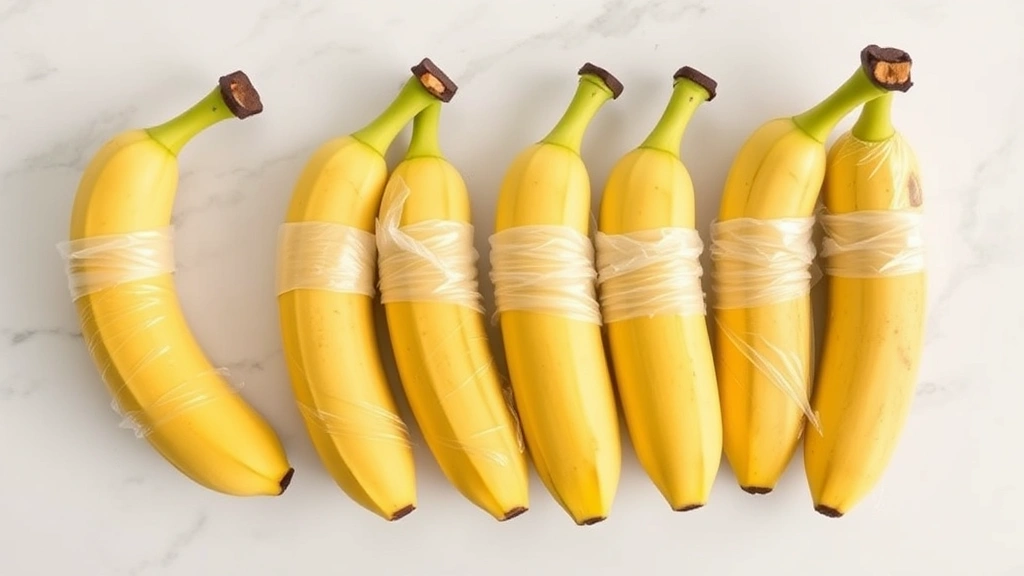
Once you’ve separated your bananas, wrapping the stem area prevents additional ethylene gas from being released through this concentrated point. The stem is where bananas produce and release much of their ripening hormone, making it a critical focus area for preservation efforts.
Materials needed:
- Plastic wrap or aluminum foil
- Parchment paper
- Plastic produce bags
- Beeswax wraps for eco-conscious storage
The wrapping process is straightforward: tear off a small section of plastic wrap approximately 4-6 inches long, then wrap it tightly around just the stem and crown area of each banana. Press the wrap firmly but gently to create a seal without crushing the fruit. This barrier reduces ethylene gas escape and can extend freshness by an additional 2-3 days beyond separation alone.
For even better results, combine stem wrapping with separation and refrigeration. This multi-layered approach addresses ripening from multiple angles and represents the gold standard for banana preservation.
Optimal Storage Locations
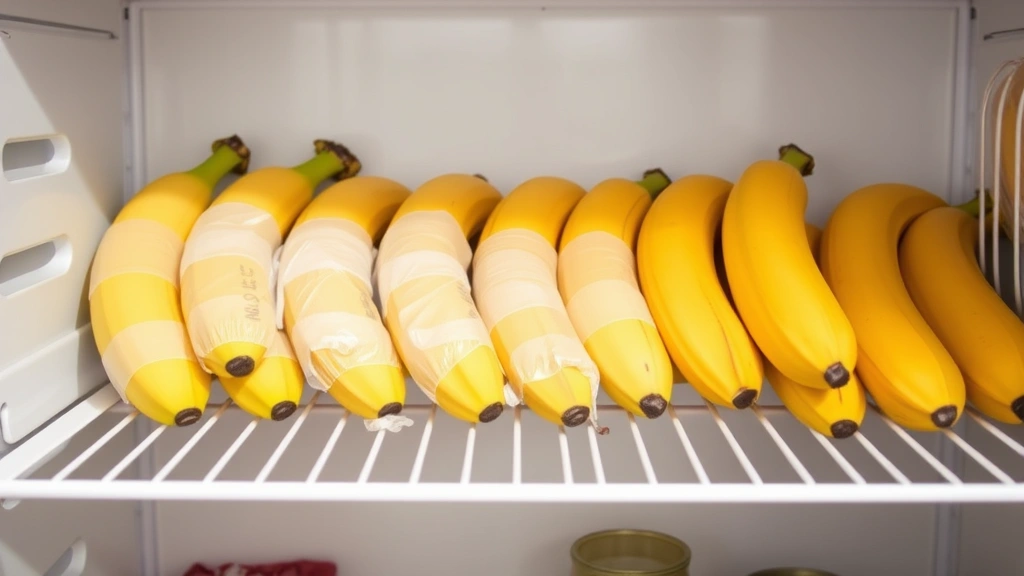
Where you store bananas matters as much as how you store them. Different locations in your kitchen create distinct temperature and humidity conditions that either accelerate or slow ripening.
Best storage locations:
- Pantry shelf away from direct sunlight: Cool, dark areas maintain consistent temperatures and minimize light exposure that can trigger ripening
- Countertop away from heat sources: Avoid areas near stoves, ovens, or sunny windows where temperatures fluctuate
- Back of the kitchen: Locations farther from appliances tend to maintain cooler, more stable temperatures
- Produce drawer (not for all situations): Useful only if drawer maintains proper humidity without trapping excessive moisture
Locations to avoid:
- Direct sunlight from windows
- Near ripening fruits like apples or avocados
- Above or next to appliances that generate heat
- Closed paper bags without ventilation
- Sealed containers that trap ethylene gas
Temperature consistency matters more than absolute temperature. Bananas stored in a cool pantry at 60-65°F will stay fresh longer than those in warmer kitchens, even if you implement other preservation techniques. If your kitchen runs warm, installing better ventilation or improving kitchen air circulation can help create more favorable storage conditions.
Refrigeration Techniques
Refrigeration deserves special attention because it’s often misunderstood. Many people avoid refrigerating bananas because the peels turn brown, but this is actually a cosmetic change that doesn’t affect the fruit inside. The cold temperature dramatically slows ripening of the flesh, keeping bananas edible for 1-2 weeks longer than room temperature storage.
Proper refrigeration method:
- Wait until bananas reach your desired ripeness level before refrigerating
- Separate and wrap stems as described above
- Place wrapped bananas in the crisper drawer or on a refrigerator shelf
- Maintain refrigerator temperature between 35-40°F
- Check bananas every 2-3 days for your preferred consumption timing
The brown peel that develops in refrigeration is caused by cold temperatures breaking down chlorophyll in the skin while ripening continues slowly inside. The fruit quality remains excellent even as the peel darkens. This is why you’ll see professionally stored bananas in grocery stores with browned refrigerated peels—the technique is standard in food service.
Refrigeration works best for bananas that are already yellow or showing slight brown spotting. If you refrigerate green bananas, they may never fully ripen even after removal from cold storage. Timing is essential for optimal results with this method.
Freezing Bananas for Long-Term Use
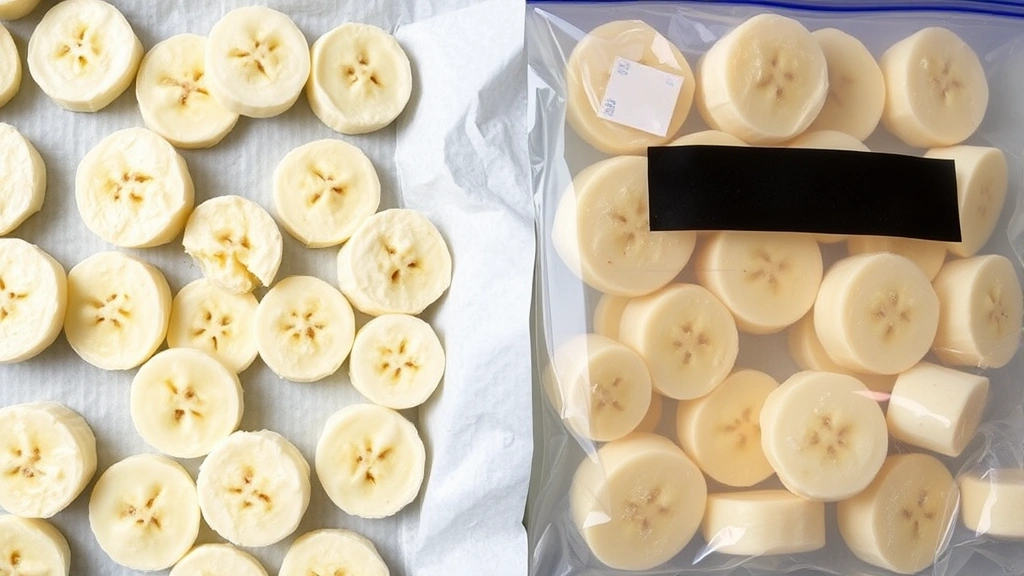
When you have bananas approaching overripeness and can’t consume them immediately, freezing extends their usability by months. Frozen bananas work excellently for smoothies, baking, nice cream, and frozen treats, though they’re unsuitable for fresh eating once thawed.
Freezing process:
- Peel bananas when they reach full yellow ripeness with slight brown spots
- Slice into 1-2 inch rounds or keep whole, depending on intended use
- Arrange pieces on a parchment-lined baking sheet in a single layer
- Freeze for 2-3 hours until solid
- Transfer frozen pieces to freezer bags, removing as much air as possible
- Label with date and store for up to 3 months
Pre-freezing on a baking sheet prevents banana pieces from clumping together in the freezer bag, making it easier to portion later. This technique is particularly useful if you regularly make smoothies in your kitchen or enjoy baking banana bread.
Frozen bananas are excellent for reducing food waste. Rather than discarding overripe bananas, freeze them and use them throughout the month for various recipes. This approach saves money and ensures you always have bananas available for cooking and baking needs.
Preventing Browning and Decay
Beyond ripening, bananas can develop brown spots from bruising, mold from excess moisture, or premature decay from improper handling. Several strategies prevent these issues and maintain banana quality longer.
Preventing bruising:
- Handle bananas by supporting the sides rather than grasping from the top
- Store separately from heavier fruits that might crush them
- Avoid placing bananas in the bottom of shopping bags where weight accumulates
- Use banana hangers or hooks that suspend the bunch rather than resting it on hard surfaces
Preventing mold and moisture damage:
- Ensure storage areas have adequate air circulation
- Avoid storing bananas in sealed containers or plastic bags without ventilation holes
- Keep bananas away from water sources and humid areas like near sinks
- Wipe down bananas if they get wet, as moisture accelerates mold growth
Preventing premature decay:
- Separate any bananas showing signs of mold or excessive bruising from the rest
- Inspect bananas every 2-3 days for early decay signs
- Remove bananas from storage if you notice unusual soft spots or discoloration
- Store bananas away from other ethylene-producing fruits like apples, avocados, and tomatoes
If a banana develops a small brown spot or minor bruise, it’s still perfectly fine to eat. Only remove bananas from storage if they show extensive mold, severe bruising affecting a large area, or an off odor indicating fermentation.
Ripening Bananas Faster When Needed
Sometimes you need bananas to ripen quickly for immediate consumption or baking. Understanding how to accelerate ripening gives you flexibility in meal planning and cooking.
Methods to speed ripening:
- Paper bag storage: Place bananas in a closed paper bag to concentrate ethylene gas and accelerate ripening by 1-2 days
- Warm location: Move bananas to the warmest room in your house, as higher temperatures increase ethylene production
- Near other fruits: Store bananas next to apples or avocados, which produce high ethylene levels that speed banana maturation
- Oven method: For baking-ready bananas, place in a 300°F oven for 15-20 minutes to break down starches quickly
- Rice or flour burial: Bury bananas in a container of uncooked rice or flour, which traps ethylene gas and speeds ripening
The paper bag method is most practical for home use and typically produces results within 24-48 hours. Check bananas frequently when using acceleration methods, as ripening can progress rapidly once initiated.
FAQ
Q: Can I store bananas in the refrigerator with other produce?
A: Yes, but keep them separate from ethylene-sensitive vegetables like leafy greens and broccoli. Bananas are fine with most fruits and vegetables. Avoid storing them directly touching other produce to prevent moisture transfer and mold growth.
Q: Why do banana peels brown in the refrigerator?
A: Cold temperatures break down chlorophyll in the peel while the fruit continues ripening slowly inside. The brown peel is cosmetic only—the fruit quality remains excellent. This is normal and doesn’t indicate spoilage.
Q: How long do bananas last with proper storage?
A: With separation, stem wrapping, and cool storage, most bananas stay fresh 7-10 days. Refrigerated bananas can last 2-3 weeks. Frozen bananas remain usable for up to 3 months.
Q: Are brown-spotted bananas safe to eat?
A: Absolutely. Brown spots indicate peak ripeness with maximum sugar content. These bananas are ideal for eating fresh or baking. Only discard bananas showing mold, excessive softness, or fermentation odors.
Q: Can I store bananas in plastic bags?
A: Avoid completely sealed plastic bags, as they trap ethylene gas and accelerate ripening. Perforated produce bags or loosely closed bags work fine. Plastic wrap around just the stem is beneficial for ethylene reduction.
Q: What’s the best banana variety for long storage?
A: Plantains and cooking bananas last longer than dessert varieties. Among eating bananas, slightly firmer varieties like Cavendish bananas store better than softer types. Purchase bananas at your preferred ripeness stage when possible.
Q: Should I wash bananas before storage?
A: Only wash bananas immediately before eating. Pre-washing introduces moisture that can accelerate mold growth. If bananas get wet during storage, dry them thoroughly before returning to storage.
Q: Can I store bananas with the crown removed?
A: Removing the crown exposes the fruit and allows faster ethylene gas release and oxidation. Keep the crown intact for maximum storage life. Only remove the crown immediately before eating or processing bananas.
Mastering banana storage transforms your kitchen management and reduces food waste significantly. By implementing these expert techniques, you’ll enjoy perfectly ripened bananas throughout the week and make the most of your grocery purchases. Whether you’re maintaining your home or simply managing your kitchen more efficiently, controlling banana ripeness adds convenience to your daily routine. For additional home management tips and kitchen organization strategies, visit our comprehensive home improvement guides.

Related Posts

Superscript in Google Docs: Expert Tips

Strikethrough in Excel: Easy Steps for Beginners
