
Eliminate Hair Static: Expert Tips & Tricks
Eliminate Hair Static: Expert Tips & Tricks
Hair static is one of the most frustrating beauty problems you can encounter. Whether you’re dealing with flyaways, frizz, or hair that stands straight up, static electricity wreaks havoc on your appearance and confidence. The problem becomes especially pronounced during winter months when indoor heating reduces humidity, or in dry climates where moisture is naturally scarce. Understanding the science behind static electricity and learning proven elimination techniques will help you maintain smooth, manageable hair year-round.
Static occurs when your hair lacks moisture and electrons build up on the hair shaft, causing strands to repel each other. This creates that undesirable fluffy appearance and makes styling nearly impossible. The good news is that eliminating hair static doesn’t require expensive salon treatments or complicated procedures. With the right knowledge and simple household items, you can control static effectively and keep your hair looking polished and professional.
Understanding Hair Static: The Science Behind the Problem
Hair static fundamentally stems from an imbalance of electrical charges on your hair strands. When your hair becomes dry, it loses the moisture layer that normally conducts electrical charge away from the hair shaft. This causes electrons to accumulate, creating a negative charge that makes individual strands repel each other—much like two magnets with the same pole facing each other. The drier your hair and environment, the more pronounced this effect becomes.
The structure of your hair plays a crucial role in static susceptibility. Hair with a smooth cuticle layer resists static more effectively than damaged or porous hair. When your hair’s cuticle is raised or damaged, it absorbs moisture unevenly and creates more friction during styling, both of which increase static electricity. This is why people with curly, textured, or previously damaged hair often struggle more with static than those with naturally straight, healthy hair.
Temperature variations also contribute to static problems. Moving between heated indoor spaces and cold outdoor air causes rapid moisture loss from your hair. Your hair expands in heat and contracts in cold, which can raise the cuticle layer and trap moisture-depleting air inside. This cycle of expansion and contraction weakens your hair’s ability to maintain proper hydration levels, making static increasingly problematic.
Understanding these mechanisms helps you choose the most effective static elimination strategies. Rather than fighting the symptoms, you can address the root causes by maintaining proper moisture balance, protecting your hair’s cuticle layer, and controlling your environment. When you explore home improvement and maintenance solutions, the same principle applies—solving the underlying problem prevents recurring issues.
Humidity and Environmental Factors
Environmental humidity is perhaps the single most important factor in controlling hair static. Ideal humidity levels for hair health range between 45-55 percent. When humidity drops below 30 percent, your hair becomes extremely prone to static electricity. During winter months, indoor heating can reduce humidity to dangerously low levels, creating perfect conditions for static problems.
You can easily monitor humidity levels in your home using an inexpensive hygrometer, available at most hardware stores or online retailers. If your home’s humidity consistently falls below 40 percent, investing in a humidifier becomes worthwhile. Running a humidifier in your bedroom while sleeping and in your bathroom while showering helps restore moisture to the air, which your hair absorbs naturally. This simple environmental adjustment often eliminates static problems without requiring any hair product changes.
Room temperature also affects static severity. Heated indoor spaces during winter create the perfect storm for static—low humidity combined with temperature extremes. If possible, avoid using heat settings above 72 degrees Fahrenheit during dry months. Using ceiling fans on low settings helps distribute moisture more evenly throughout your home and prevents dead zones of extremely dry air.
Air conditioning in summer presents similar challenges. While summer air is typically more humid outdoors, air conditioning removes moisture from indoor environments. If you spend most of your time in heavily air-conditioned spaces, your hair experiences the same dehydration problems as winter heating. Maintaining consistent humidity levels year-round, regardless of season, is essential for static prevention.
Pre-Shower Preparation Methods
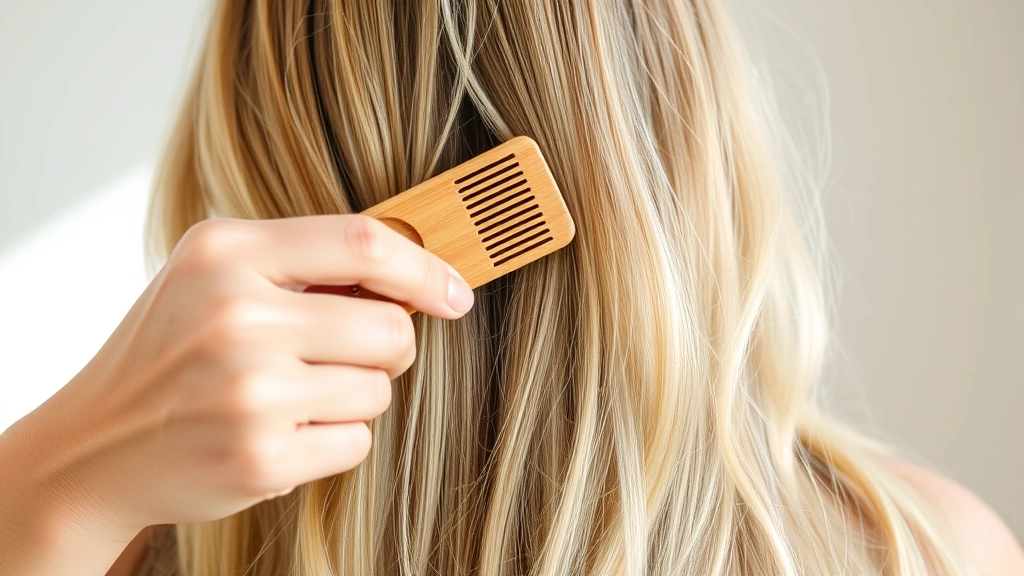
Your shower routine has tremendous impact on your hair’s static susceptibility. Begin by brushing your hair gently before shampooing. Use a natural bristle brush or a wide-tooth comb to detangle your hair and distribute natural oils from your scalp throughout the hair shaft. This pre-shower brushing removes loose hairs and prepares your hair to absorb moisture more effectively during washing.
Water temperature significantly affects how your hair absorbs and retains moisture. Start your shower with warm water to open your hair’s cuticle layer, allowing shampoo and conditioner to penetrate deeply. However, finish your final rinse with cool water. This cool rinse closes your hair’s cuticle layer, sealing in moisture and creating a smooth surface that resists static electricity. The temperature contrast might feel shocking initially, but this final cool rinse is one of the most effective static prevention techniques available.
Choose sulfate-free shampoos and conditioners specifically formulated for dry or static-prone hair. Sulfates strip natural oils from your hair, increasing dryness and static susceptibility. Look for products containing moisturizing ingredients like argan oil, coconut oil, keratin, or glycerin. These ingredients help your hair retain moisture and reduce friction between strands.
Apply conditioner generously to the lower two-thirds of your hair, avoiding your scalp. Leave the conditioner on for at least three to five minutes to allow deep penetration. For extremely static-prone hair, consider using a deep conditioning treatment two to three times weekly instead of regular conditioner. These intensive treatments contain higher concentrations of moisturizing ingredients and provide superior static prevention compared to standard conditioners.
After rinsing, gently squeeze excess water from your hair without wringing or twisting. Rough handling when hair is wet increases friction and can damage your cuticle layer, both of which worsen static. Pat your hair dry with a microfiber towel or cotton t-shirt rather than a regular terry cloth towel. Microfiber and cotton create less friction than terrycloth, reducing static generation during the drying process.
Hair Product Solutions and Treatments
Anti-static hair serums and oils provide immediate and effective static reduction. These products work by coating your hair shaft and smoothing the cuticle layer, reducing friction between strands. Apply serums to damp hair before blow-drying, focusing on the mid-lengths and ends. Use only a small amount—roughly the size of a pea—as excessive product can make your hair look greasy.
Leave-in conditioners offer another powerful static-fighting option. Unlike rinse-out conditioners, leave-in formulas remain on your hair throughout the day, continuously providing moisture and protection. Apply leave-in conditioner to damp hair after showering, distributing it evenly from roots to ends. The product continues working as your hair dries, preventing static buildup throughout the day.
Hair masks and deep conditioning treatments should become regular components of your hair care routine if you struggle with static. Use these intensive treatments weekly or bi-weekly, depending on your hair’s condition. Leave masks on for the time specified in the product instructions—typically 10-20 minutes—to allow maximum moisture absorption. Wrap your hair in a warm towel or shower cap while the mask processes to increase its effectiveness.
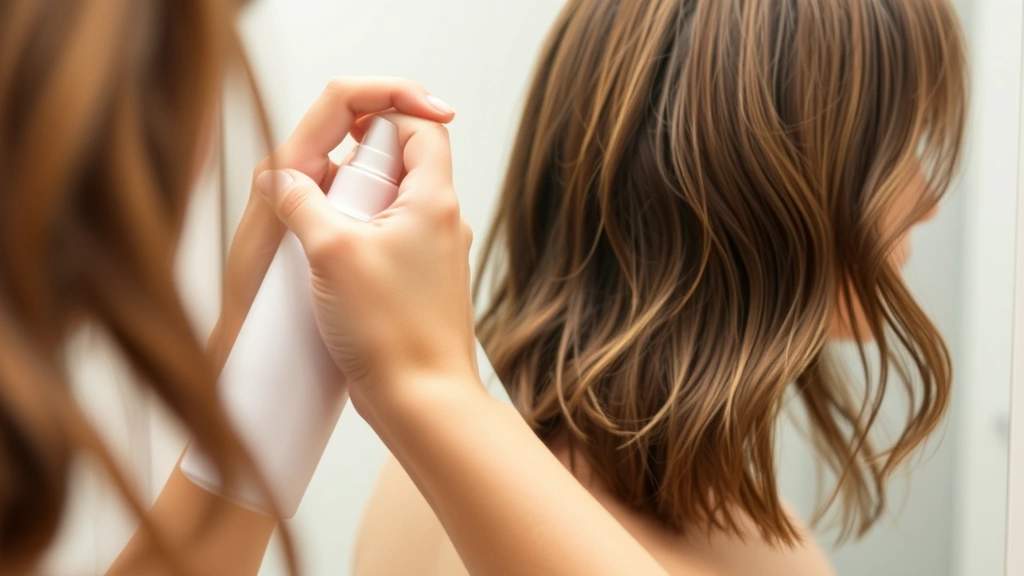
Frizz control sprays and anti-humidity products specifically target static and flyaway hairs. These lightweight sprays create a protective barrier on your hair’s surface, preventing moisture absorption that causes static electricity. Apply these products after styling but before leaving your home. Most anti-frizz sprays work best on dry hair and provide 4-8 hours of protection.
Ionic hair dryers represent a more significant investment but offer excellent long-term static reduction. These specialized dryers emit negative ions that neutralize positive charges on your hair, reducing static at the source. If you blow-dry your hair regularly, an ionic dryer pays for itself through improved hair health and reduced static problems. Pair your ionic dryer with a concentrator nozzle attachment to direct airflow and minimize frizz.
Styling Techniques to Prevent Static
Your styling method directly influences how much static your hair generates. Blow-drying with a regular dryer creates significant friction and static electricity. If you must blow-dry, use the lowest heat setting and keep the dryer moving constantly. Never point the dryer nozzle against your hair’s natural direction, as this roughens the cuticle layer. Instead, direct airflow downward along the hair shaft to smooth the cuticle and reduce static.
Air-drying eliminates the friction and heat that generate static, making it the best option for static-prone hair. If you air-dry, apply anti-frizz serum or leave-in conditioner to damp hair and allow it to dry naturally. You can speed up the process by wrapping damp hair in a microfiber towel for 15-20 minutes to absorb excess moisture before air-drying the rest of the way.
Avoid using plastic combs and brushes, which generate static through friction. Instead, use wooden combs, natural bristle brushes, or brushes made from ionic-infused materials. Wooden and natural bristle tools distribute your hair’s natural oils while detangling, reducing static and improving overall hair health. Ionic brushes actively neutralize static charges as you brush.
When styling, work with smaller sections of hair at a time. Detangling large sections creates more friction and static. Divide your hair into 4-6 sections, secure with clips, and work through one section at a time with your comb or brush. This methodical approach takes slightly longer but significantly reduces static generation during styling.
Minimize the number of times you touch or run your hands through your hair throughout the day. Each time you do this, you create friction that generates static electricity. If you must adjust your hair, use a wooden comb rather than your fingers. The smoother, more controlled motion of a comb creates less static than the varied friction of hand-styling.
Daily Maintenance and Quick Fixes
Keep a small wooden comb or ionic brush in your bag for quick static fixes throughout the day. When you notice static or flyaways developing, use the comb to gently smooth your hair back into place. This takes only a minute but prevents static from becoming noticeable and affecting your appearance.
Apply a light misting of anti-frizz spray or hair serum in the morning after styling. This creates a protective barrier that prevents static buildup throughout the day. Keep a travel-size spray bottle in your desk, car, or bag for quick touch-ups during the day. Many people find that a single application in the morning combined with one mid-day touch-up keeps static completely under control.
Avoid wearing hats or headbands for extended periods, as these create friction and trap heat around your hair, increasing static. If you must wear a hat, choose one with a smooth silk or satin lining rather than rough cotton or wool. Smooth linings create minimal friction and don’t disturb your hair’s cuticle layer.
Stay hydrated by drinking plenty of water throughout the day. While this might seem unrelated to hair static, proper hydration helps your body maintain healthy moisture levels, which translates to better hair hydration from the inside out. Additionally, drinking water helps your skin maintain healthy moisture, which indirectly benefits your hair through improved scalp health.
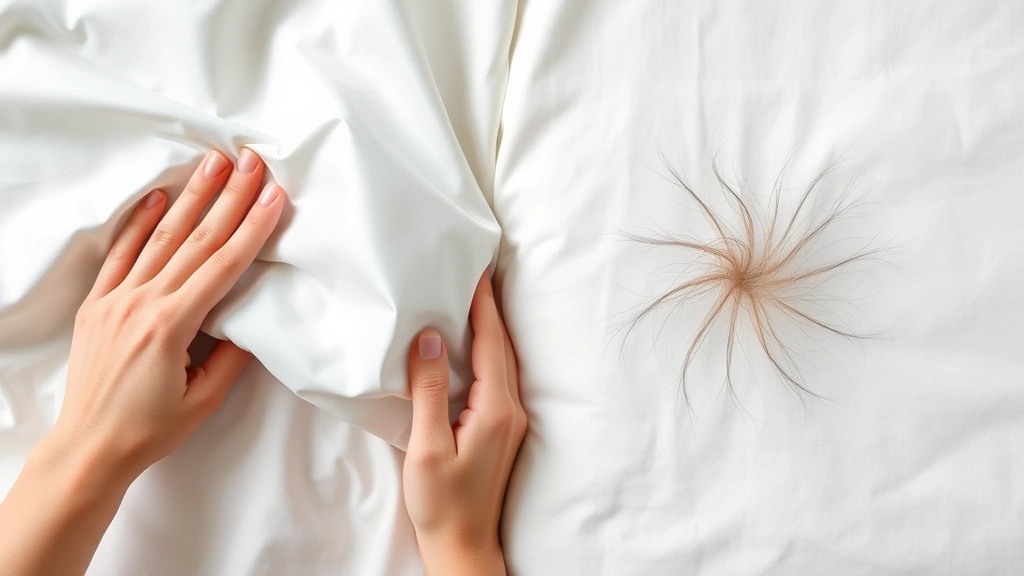
Consider your pillowcase material carefully. Cotton pillowcases create friction that generates static while you sleep. Switch to silk or satin pillowcases, which create minimal friction and allow your hair to maintain moisture better. This simple change often dramatically reduces morning static and frizz. Silk pillowcases also benefit your skin and reduce sleep wrinkles, making this a worthwhile investment for multiple reasons.
Professional Treatments and Long-Term Solutions
Keratin treatments offer long-lasting static reduction for 2-3 months. These professional treatments coat your hair with a protein layer that smooths the cuticle and locks in moisture. While keratin treatments require professional application and represent a significant expense, they provide excellent results for people with severe, persistent static problems. Discuss options with your stylist to find a treatment suitable for your hair type.
Brazilian blowouts provide similar benefits to keratin treatments with slightly different formulations. These treatments create a protective protein layer that reduces static, frizz, and moisture loss. Results typically last 8-12 weeks, making them a longer-lasting option than regular conditioning treatments. Like keratin treatments, Brazilian blowouts require professional application.
Hair bonding treatments and protein infusions strengthen your hair’s structure and improve its ability to retain moisture. These treatments work best as maintenance between professional services, helping your hair maintain health and resist static between salon visits. Your stylist can recommend specific treatments suited to your hair’s condition and static severity.
Consider scheduling regular professional treatments every 6-8 weeks if you struggle with persistent static problems. Professional stylists can assess your specific hair condition and recommend customized treatments that address your unique needs. They can also identify any underlying hair damage or health issues that might be contributing to your static problems.
For people with extremely severe static issues that don’t respond to standard treatments, consulting a dermatologist or trichologist (hair specialist) can identify underlying scalp or hair health issues. Sometimes persistent static indicates nutritional deficiencies, thyroid problems, or other health conditions that require medical attention. A professional evaluation can rule out these possibilities and guide you toward appropriate solutions.
FAQ
Why does my hair have more static in winter?
Winter static occurs because indoor heating dramatically reduces humidity levels. Heated air can drop humidity to 10-20 percent, far below the 45-55 percent ideal for hair health. This extreme dryness causes your hair to lose moisture rapidly, making it prone to static electricity. Using a humidifier and adjusting your hair care routine for winter helps combat this seasonal problem.
Can I use fabric softener on my hair to reduce static?
While fabric softener reduces static in laundry, it’s not appropriate for hair. Fabric softener contains chemicals that can damage your hair and build up over time, creating greasy, limp hair. Instead, use products specifically formulated for hair, such as leave-in conditioners, anti-frizz serums, or hair oils designed for static prevention.
Does drinking more water help with hair static?
Proper hydration supports overall hair health, including moisture retention, but drinking water alone won’t eliminate static. You must combine internal hydration with external hair care—using moisturizing products, maintaining appropriate humidity levels, and protecting your hair from damage. Think of it like maintaining your home: proper indoor air quality requires multiple approaches working together.
How long does it take to see results from anti-static treatments?
Results vary depending on the treatment. Anti-frizz sprays and serums provide immediate results within minutes. Leave-in conditioners and deep conditioning treatments show improvement within 1-2 weeks of regular use. Professional treatments like keratin or Brazilian blowouts provide results immediately after application, lasting 2-3 months. Lifestyle changes like switching to silk pillowcases show benefits within 1-2 weeks.
Is static harmful to my hair?
Static itself doesn’t damage hair, but the friction and rough handling associated with static can damage your cuticle layer. Constantly fighting static often leads to more aggressive brushing and styling, which causes breakage and split ends. By eliminating static, you reduce the rough handling that damages your hair, leading to healthier, stronger hair over time.
Can I prevent static without using hair products?
Yes, environmental and lifestyle changes can significantly reduce static without products. Using a humidifier, avoiding excessive heat styling, switching to silk pillowcases, and using wooden brushes all reduce static naturally. However, most people find that combining these approaches with at least basic products—like a leave-in conditioner or anti-frizz spray—provides the best results.
Why do ionic hair dryers help with static?
Ionic dryers emit negative ions that neutralize positive charges on your hair strands. This directly counteracts the electrical imbalance that causes static. Additionally, ionic dryers typically produce gentler airflow and less heat than regular dryers, reducing the friction and damage that contribute to static problems. The combination of ion technology and gentler drying makes ionic dryers highly effective for static reduction.

Related Posts

Superscript in Google Docs: Expert Tips

Strikethrough in Excel: Easy Steps for Beginners
